Muslim and Sufi: magic in this belief world
Ruqyah, the talisman, the djinn, and the debate over what Islam permits.
In Islam, the Quran is held to be a source of protection and healing, and the faith has a long, debated relationship with talismans, amulets, the djinn and divination. The practice of ruqyah, Quranic recitation for protection or relief, is widely accepted when it uses the Quran and prayer alone. This page covers the range of practice, from Sufi shrines to Salafi critics, and the legal and social stakes. Practice varies from country to country, and between Sunni, Shia and Sufi communities.
What is accepted
Muslim scholars generally accept supplication and recitation of the Quran and the prophetic prayers for protection. The existence of the djinn, beings of smokeless fire, is stated in the Quran, and the evil eye is mentioned in hadith. Protection from the eye and from harm by recitation is common, and recitation for sickness is a regular practice of both laity and imams. The Quran's last two chapters, the Mu'awwidhatayn, are widely recited for protection, and many Muslims keep a Quranic verse in the home or the car.
What is disputed
Writing verses on amulets, using names and letter squares as in the sciences of huruf and awfaq, consulting astrologers, and visiting shrines for intercession divide scholars. Salafi and reformist movements condemn such practices as shirk, associating others with God. Sufi traditions and many popular practices defend them. The Maghreb has a long tradition of written talismans, and West African marabouts supply them. The djinn are discussed by scholars such as Ibn Taymiyya, and by popular preachers, and many Muslims believe that possession by a djinn can occur and that recitation is the proper response.
Law and punishment
Treatment of sorcery varies. In Saudi Arabia, people have been executed for sorcery or witchcraft, and the law there treats it as a serious crime. Elsewhere, courts prosecute fraudulent healers, and in Indonesia and Malaysia the bomoh and dukun are both consulted and criticised. Women are often healers, clients and accused, though men hold most formal religious authority. Many Muslims, especially in South Asia, West Africa, Indonesia and Turkey, visit tombs of saints to ask for help, while others, including Salafis and many modernists, regard this as wrong.
Diaspora and the market
Muslim communities in Europe and North America run ruqyah services, and websites sell talismans. Some exploit the fear of djinn or the evil eye, charging high sums, and abuse in the name of exorcism has been reported in several countries. Scholars note that practice differs sharply by region, class and school of thought. Some Muslims also see the line between permitted and forbidden as clear in principle but hard to keep in daily practice, and think that what matters is that practice does not replace worship of God alone.
Muslim and Sufi on EveryJaadu
The entries written up so far, best known first.
 🇳🇿 New Zealand and 5 moreFace tattoo
Marks inked on the face for spiritual protection, identity, rank, and rite of passageTradition · Protection · Power and authority Living
🇳🇿 New Zealand and 5 moreFace tattoo
Marks inked on the face for spiritual protection, identity, rank, and rite of passageTradition · Protection · Power and authority Living
 🇸🇳 Senegal and 5 moreMaraboutmurābiṭ
A Muslim religious leader and teacher in West Africa, often linked to Sufi brotherhoods.Tradition · Protection · Speaking with spirits and the dead Living
🇸🇳 Senegal and 5 moreMaraboutmurābiṭ
A Muslim religious leader and teacher in West Africa, often linked to Sufi brotherhoods.Tradition · Protection · Speaking with spirits and the dead Living
 🇩🇿 Algeria and 1 moreAhmad al-Buniأحمد البوني المالكي
A medieval Sufi scholar known for works on letter mysticism and talismansText · Power and authority · Seeing and foretelling Historical
🇩🇿 Algeria and 1 moreAhmad al-Buniأحمد البوني المالكي
A medieval Sufi scholar known for works on letter mysticism and talismansText · Power and authority · Seeing and foretelling Historical
 🇪🇬 Egypt and 5 moreSacred dance
Movement used in worship to honour deities, heal communities, or connect with the spirit world.Tradition · Protection · Healing Living
🇪🇬 Egypt and 5 moreSacred dance
Movement used in worship to honour deities, heal communities, or connect with the spirit world.Tradition · Protection · Healing Living
 🇵🇭 PhilippinesPhilippine mythology
The indigenous myths and spirits of the Philippines, shaped by centuries of trade and colonial contact.Tradition · Speaking with spirits and the dead · Power and authority Living
🇮🇷 Iran and 4 moreAstrology in the medieval Islamic worldعلم النجوم (Ilm an-Nujūm)
The study of celestial influences on earthly affairs within the medieval Islamic traditionTradition · Seeing and foretelling · Power and authority Historical
🇮🇳 India and 5 moreWestern Sufism
Adaptations of Islamic mysticism in Europe and North AmericaTradition · Speaking with spirits and the dead · Power and authority Living
🇮🇳 IndiaTawajjuh
A Sufi practice of transmitting spiritual energy from a master to a studentTradition · Speaking with spirits and the dead · Power and authority Living
🇵🇭 PhilippinesPhilippine mythology
The indigenous myths and spirits of the Philippines, shaped by centuries of trade and colonial contact.Tradition · Speaking with spirits and the dead · Power and authority Living
🇮🇷 Iran and 4 moreAstrology in the medieval Islamic worldعلم النجوم (Ilm an-Nujūm)
The study of celestial influences on earthly affairs within the medieval Islamic traditionTradition · Seeing and foretelling · Power and authority Historical
🇮🇳 India and 5 moreWestern Sufism
Adaptations of Islamic mysticism in Europe and North AmericaTradition · Speaking with spirits and the dead · Power and authority Living
🇮🇳 IndiaTawajjuh
A Sufi practice of transmitting spiritual energy from a master to a studentTradition · Speaking with spirits and the dead · Power and authority Living
 🇪🇬 Egypt and 5 moreMawlidمولد
An annual festival commemorating the birth of the Prophet MuhammadTradition · Power and authority Living
🇪🇬 Egypt and 5 moreMawlidمولد
An annual festival commemorating the birth of the Prophet MuhammadTradition · Power and authority Living
 🇩🇿 Algeria and 5 moreZawiyaزاوية
A Sufi building and institution for worship, education, and community life in the Islamic world.Tradition · Speaking with spirits and the dead · Healing Living
🇩🇿 Algeria and 5 moreZawiyaزاوية
A Sufi building and institution for worship, education, and community life in the Islamic world.Tradition · Speaking with spirits and the dead · Healing Living
 🇮🇳 IndiaFakirفقير
An Islamic ascetic who seeks spiritual neediness and devotion to God.Tradition · Power and authority · Speaking with spirits and the dead Living
🇬🇧 United KingdomUwaisiأُوَيْس
A Sufi method of spiritual transmission between master and disciple without physical contact.Tradition · Speaking with spirits and the dead · Power and authority Living
🇮🇳 India and 1 moreQayyumقیوم
A supreme spiritual rank in the Naqshbandi Sufi orderTradition · Power and authority Historical
🇮🇳 IndiaFakirفقير
An Islamic ascetic who seeks spiritual neediness and devotion to God.Tradition · Power and authority · Speaking with spirits and the dead Living
🇬🇧 United KingdomUwaisiأُوَيْس
A Sufi method of spiritual transmission between master and disciple without physical contact.Tradition · Speaking with spirits and the dead · Power and authority Living
🇮🇳 India and 1 moreQayyumقیوم
A supreme spiritual rank in the Naqshbandi Sufi orderTradition · Power and authority Historical
 🇹🇷 TurkeyKhirqaخرقه
An initiatory cloak in Sufism that passes spiritual lineage and blessings from teacher to student.Tradition · Speaking with spirits and the dead · Power and authority Living
🇹🇷 TurkeyKhirqaخرقه
An initiatory cloak in Sufism that passes spiritual lineage and blessings from teacher to student.Tradition · Speaking with spirits and the dead · Power and authority Living
 🇩🇿 AlgeriaMawsimموسم
Annual Maghrebi festival blending Sufi veneration with social and economic gatheringTradition · Speaking with spirits and the dead · Luck and prosperity Living
🇩🇿 AlgeriaMawsimموسم
Annual Maghrebi festival blending Sufi veneration with social and economic gatheringTradition · Speaking with spirits and the dead · Luck and prosperity Living
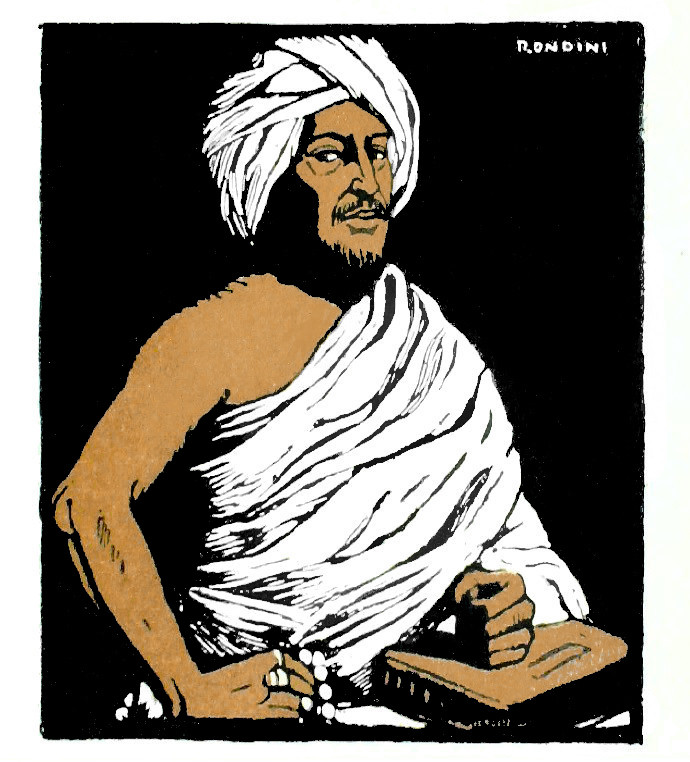 🇸🇴 Somalia and 2 moreSalihiyyaالصالحية
A Somali Sufi order founded by Sayyid Muhammad Salih, known for its strict stance against saint intercession and anti-coTradition · Power and authority Historical
🇸🇴 Somalia and 2 moreSalihiyyaالصالحية
A Somali Sufi order founded by Sayyid Muhammad Salih, known for its strict stance against saint intercession and anti-coTradition · Power and authority Historical
 🇪🇬 Egypt and 4 moreAlchemy in the medieval Islamic world
The study of matter and spirit by scholars in the early Islamic CaliphateTradition · Change and initiation · Power and authority Historical
🇪🇬 Egypt and 4 moreAlchemy in the medieval Islamic world
The study of matter and spirit by scholars in the early Islamic CaliphateTradition · Change and initiation · Power and authority Historical
Photo credits on this page
The small pictures above come from Wikimedia Commons under free licences. Some are cropped to fit.
- Tagalog religion: The original uploader was Rodsan18 at English Wikipedia . ( Original t, CC BY 2.5, source
- Bed of nails: Herbert Ponting, Public domain, source
- Marabout: Jan Broekhuijse, CC BY-SA 3.0, source
- Khirqa: Unknown author, CC0, source
- Face tattoo: Gottfried Lindauer, Public domain, source
- Mawsim: Beghdadi Walid, CC BY-SA 4.0, source
- Ahmad al-Buni: Khalili Collections, CC BY-SA 3.0 igo, source
- Salihiyya: Douglas James Jardine (1888-1946), Public domain, source
- Alchemy in the medieval Islamic world: An Islamic artist 739H/1339, probably in Baghdad, Public domain, source
- Sacred dance: Jorge Barrios, CC BY-SA 3.0, source
- Mawlid: Firdaus Latif, CC BY-SA 2.0, source
- Zawiya: Schneders, CC BY-SA 4.0, source