Jewish: magic in this belief world
Kabbalah, amulets, the golem and the folk customs against the evil eye.
Jewish tradition has a deep and contested history of magic. The Hebrew Bible forbids sorcery and divination in some texts, and the Talmud discusses amulets, charms and the evil eye. Medieval and later Jewish life produced Kabbalah, amulets, the golem legend and the folk figure of the ba'al shem. This page covers the main strands, as Jewish teachers and scholars describe them. Jewish practice varies between Orthodox, Conservative, Reform and secular communities, and by region of origin.
Amulets and the evil eye
Jewish communities have used amulets for protection of mothers, newborns and homes, often inscribed with psalms or divine names. The red thread, the hamsa, and the phrase kein ayin hara, no evil eye, are common among Jews of many backgrounds. The mezuzah on the doorpost is a religious obligation that some also regard as protective, a view that rabbis have often cautioned against. Early rabbis recorded amulets for illness and travel, and the Talmud mentions dream interpretation, charms and demons, and states that some of these practices are permitted while others are idolatry.
Kabbalah and learned practice
Kabbalah, the tradition of mysticism that grew in medieval Spain and France, includes teachings on divine names and the structure of reality. Practical Kabbalah concerned the use of names, and was controversial. The golem, a figure shaped of clay and animated, appears in stories about Rabbi Judah Loew of Prague, a legend that dates from the nineteenth century rather than from his own time. Women who wrote or commissioned amulets, as well as midwives, held a quiet role in the community, and the mother and child received special protection at birth and through the first weeks.
Authority, gender and limits
Rabbinic opinion has differed over what is allowed. Maimonides rejected astrology and charms as foolish, while others accepted them. Access to Kabbalah was traditionally limited to older married men with prior study. Women kept domestic customs for birth, health and protection. Today, many Jewish women lead rituals and some study Kabbalah publicly. Many Jewish communities have rich folk customs for birth, marriage and death, such as the bedeken, and for the evil eye, and these vary between Ashkenazi, Sephardi and Mizrahi families.
Diaspora, commerce and appropriation
Kabbalah centres, red string bracelets and celebrity interest have made Jewish mysticism a global product, which critics within the community call a distortion. Jewish folk practice has moved with migration from Morocco, Yemen, Iraq, Iran, Eastern Europe and Ethiopia, each keeping its own amulets and healers. Scholars such as Gershom Scholem transformed the academic study of the field. Hasidic communities keep Kabbalistic ideas in daily life, and blessings from rebbes are sought by many visitors, including those from outside the community.
Jewish on EveryJaadu
The entries written up so far, best known first.
 🇮🇱 Israel and 4 moreIsaac Luriaיִצְחָק בן שלמה אשכנזי לוּרְיָא
A sixteenth-century rabbi who founded modern Kabbalah through oral teachings in Safed.Text · Speaking with spirits and the dead · Change and initiation Living
 🇪🇬 EgyptLucifer
A Latin name for the planet Venus that became an epithet for the Devil in Christian traditionFigure · Cursing and harm Historical
 🇷🇴 Romania and 5 moreVampire folklore
Global legends of blood-drinking spirits and undead revenantsBelief · Cursing and harm · Protection Historical
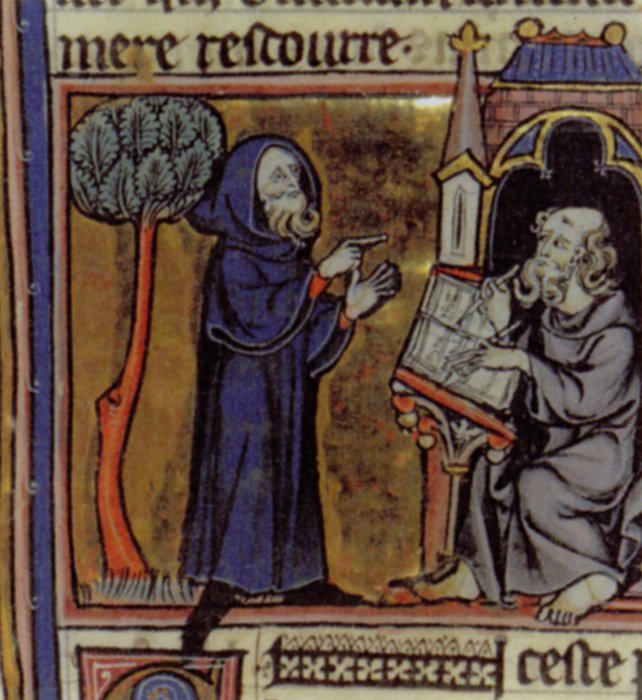 🇮🇹 Italy and 1 moreMedieval European magic
A broad category of ritual and natural practices in the Middle Ages, blending healing, divination, and religious belief.Tradition · Healing · Seeing and foretelling Historical
 🇮🇱 Israel and 2 moreLag BaOmerלַ״ג בָּעוֹמֶר
A Jewish holiday marking the end of a mourning period with bonfires and outdoor playTradition · Speaking with spirits and the dead · Wonder and entertainment Living
 🇫🇷 France and 5 moreKabbalahקַבָּלָה
An esoteric school of thought within Judaism focused on the hidden meanings of scripture and the divine.Tradition · Speaking with spirits and the dead · Change and initiation Living
 🇮🇱 Israel and 1 moreAzazelעזאזל
A desert place and fallen angel linked to the Yom Kippur scapegoat ritualFigure · Cursing and harm · Cleansing and purification Historical
🇫🇷 France and 3 moreChristian Kabbalah
A Renaissance effort to read Christian theology into Jewish mysticismTradition · Speaking with spirits and the dead · Cursing and harm Historical
 🇮🇱 Israel and 3 moreGematriaגימטריה
A numeric writing system that assigns numerical values to words and phrases for interpretation.Text · Seeing and foretelling · Power and authority Living
🇮🇱 Israel and 2 moreBelialבְּלִיַּעַל
A Hebrew term for worthlessness that evolved into a demon of darkness in Jewish and Christian texts.Being · Cursing and harm Historical
 🇮🇱 Israel and 2 moreMezuzahמְזוּזָה
A scroll of Torah verses placed in a case on Jewish doorpostsCharm · Protection · Speaking with spirits and the dead Living
 🇮🇱 Israel and 5 moreTetragrammatonיהוה
The four-letter Hebrew name of God in the Bible, treated with reverence and silence by Jewish tradition.Text · Speaking with spirits and the dead Living
 🇪🇬 Egypt and 1 moreJannes and Jambresיניס וימבריס
Named Egyptian magicians who opposed Moses in biblical traditionFigure · Cursing and harm Historical
 🇮🇱 Israel and 2 moreLeviathanלִוְיָתָן (Livyaṯān)
A primordial sea monster from ancient Near Eastern myth and biblical textBeing · Cursing and harm · Power and authority Historical
 🇪🇬 Egypt and 2 moreSibylline Oracles
A collection of prophetic verses blending pagan myth with Jewish and Christian theologyText · Seeing and foretelling · Speaking with spirits and the dead Historical
 🇮🇪 Ireland and 4 moreWinter solstice
The shortest day and longest night of the year, marked by rites of solar returnTradition · Seeing and foretelling · Protection Living
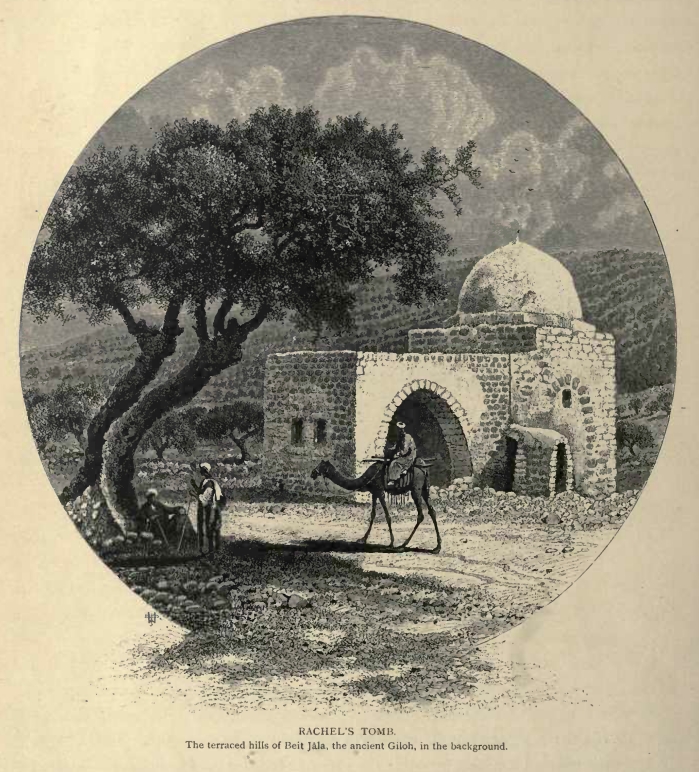 🇵🇸 Palestine and 1 moreRachel's TombQever Raḥel / Qabr Rāḥīl
A shared holy site in Bethlehem revered by Jews, Christians, and Muslims.Tradition · Speaking with spirits and the dead · Protection Living
 🇫🇮 Finland and 5 moreMolybdomancy
A divination method using molten metal poured into water to read omensRite · Seeing and foretelling · Cursing and harm Living
🇪🇬 Egypt and 1 moreMagic and religion
A study of how magical practices and religious beliefs intersect or diverge in human cultureBelief · Power and authority Historical
 🇮🇱 Israel and 1 moreShimon bar Yochaiשמעון בר יוחאי
A second-century sage of the Land of Israel and a central figure in Kabbalistic tradition.Figure · Power and authority Historical
 🇪🇬 EgyptDemon
A supernatural entity believed to cause harm or possess humansBeing · Cursing and harm · Speaking with spirits and the dead Historical
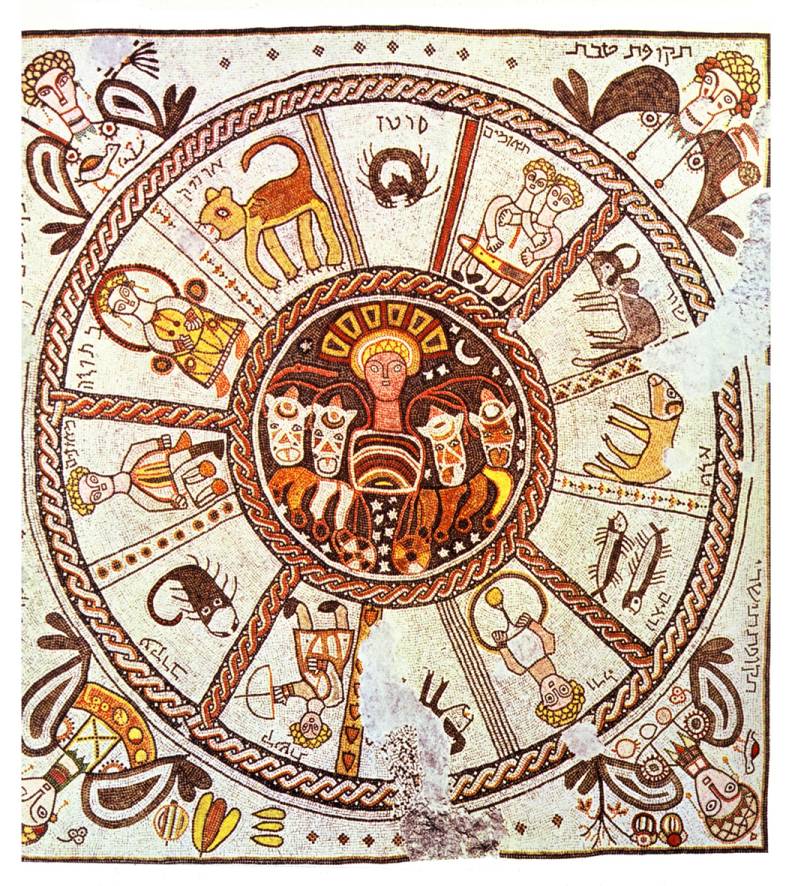 🇮🇱 IsraelJewish astrologyמַזָּלוֹת (mazzālôt)
A belief system within Judaism that celestial bodies influence earthly affairs and human destiny.Belief · Seeing and foretelling · Power and authority Historical
 🇮🇱 Israel and 4 moreAngelמלאך
A supernatural messenger or intermediary spirit found in many religious traditions.Being · Speaking with spirits and the dead · Protection Living
 🇬🇷 Greece and 4 moreTutelary deity
A guardian spirit or god assigned to protect a specific place, person, or group.Being · Protection Living
🇮🇱 IsraelAgrat bat Mahlatאגרת בת מחלת
A demon in Jewish tradition who rules over destructive spirits and night hours.Being · Cursing and harm Historical
 🇮🇱 IsraelSeder hishtalshelusסדר השתלשלות
A Kabbalistic cosmology mapping the descent of divine light through spiritual realms to the physical world.Belief · Power and authority · Wonder and entertainment Living
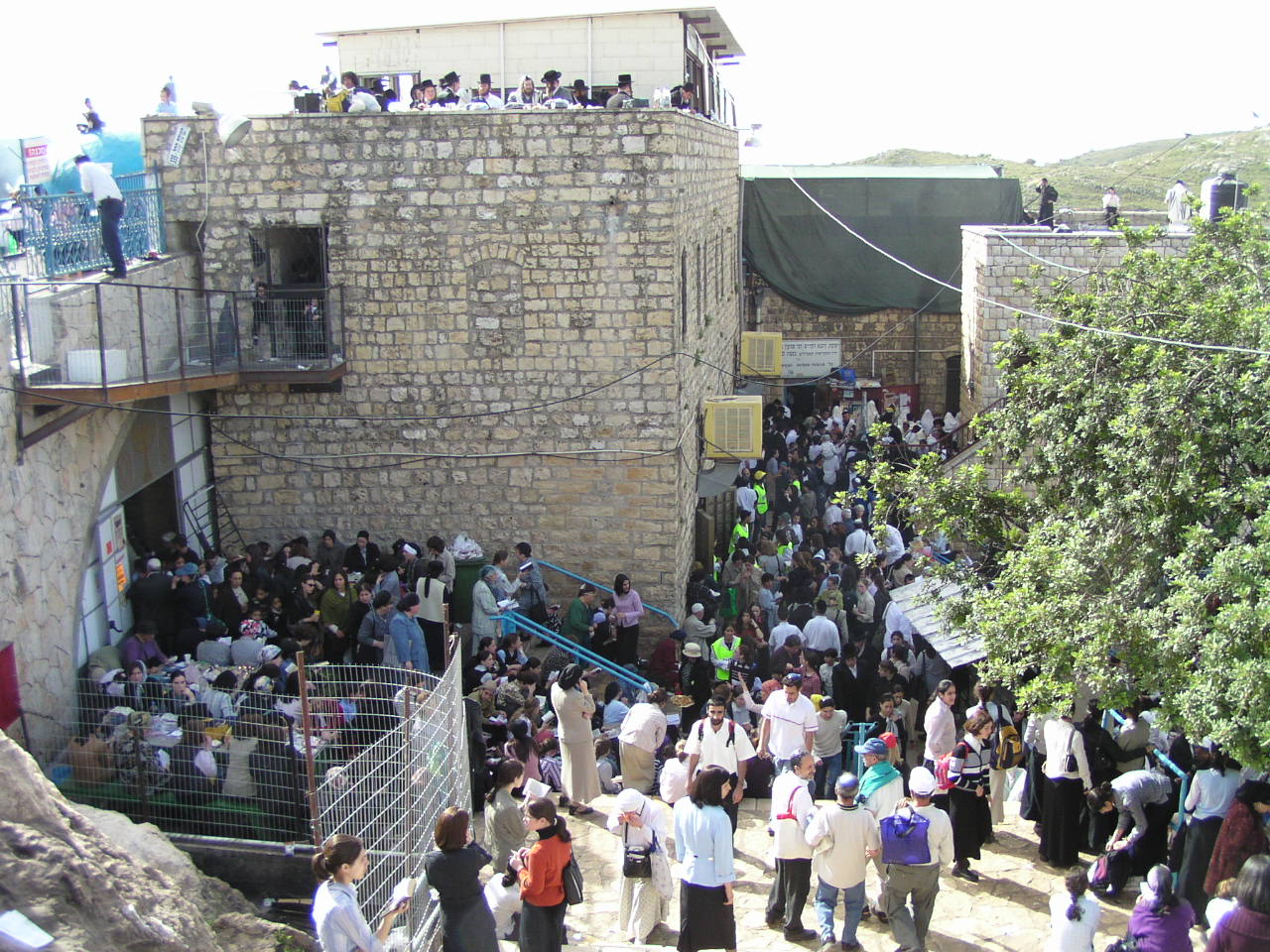 🇮🇱 Israel and 1 moreYom Hillulaיום הילולא
A joyous death anniversary for a saint in Jewish traditionRite · Speaking with spirits and the dead Living
 🇮🇱 Israel and 2 moreSolomonשְׁלֹמֹה
A biblical king of Israel known for wisdom and temple building, later viewed as a magician.Figure · Wonder and entertainment Historical
 🇮🇱 Israel and 1 moreMicah's Idol
A carved image and silver idol from the Book of Judges, stolen by the Tribe of Dan.Belief · Power and authority Historical
 🇮🇱 Israel and 1 moreUnclean spiritπνεῦμα ἀκάθαρτον (pneuma akatharton)
A spirit of impurity in biblical belief, driven out by breath, smoke and wordsBeing · Cleansing and purification · Cursing and harm Living
🇾🇪 Yemen and 1 moreDor Daimדור דעה
A Yemenite Jewish movement promoting rational theology and opposing Kabbalistic mysticismTradition Historical
 🇮🇱 Israel and 2 moreStone of Jacob
A biblical stone linked to a patriarch's vision and later claimed by Scottish coronation loreCharm · Power and authority Historical
 🇮🇱 Israel and 1 morePardesפרד״ס
A four-level method for interpreting Jewish scriptureText · Speaking with spirits and the dead Historical
🇮🇱 IsraelMessiah ben Josephמָשִׁיחַ בֶּן־יוֹסֵף
A Jewish eschatological figure who wages war and dies before the final age of peaceFigure · Cursing and harm · Power and authority Historical
🇮🇱 IsraelShekhinahשְׁכִינָה
The divine presence of God dwelling among people in Jewish and Islamic thoughtBelief · Speaking with spirits and the dead · Power and authority Living
 🇮🇱 Israel and 2 moreNehushtanנְחֻשְׁתָּן
A bronze serpent on a pole from the Hebrew Bible, once worshipped for healing before its destruction.Charm · Healing · Protection Historical
🇮🇱 Israel and 5 moreJewish views on astrologyחָכְמַת הַמַּזָּלוֹת
A long-standing debate within Jewish thought about the influence of stars and planetsBelief · Seeing and foretelling · Power and authority Historical
🇮🇱 Israel and 1 moreRighteous Priest
A messianic priestly figure in Jewish eschatology, identified with Shem and Melchizedek.Figure · Power and authority Historical
 🇮🇱 Israel and 2 moreStaff of Mosesmaṭṭeh
A walking stick with miraculous powers in Jewish and Islamic traditionCharm · Power and authority · Healing Historical
 🇩🇪 GermanyAGLAאגלא
A Hebrew magic word used in Jewish and medieval European charmsBelief · Protection Historical
🇪🇬 Egypt and 1 moreMahalathמָחֲלַת
A queen of demons in Jewish mysticism and the mother of AgratBeing · Cursing and harm Historical
 🇮🇱 IsraelSeraphשָׂרָף
Six-winged heavenly beings who chant 'holy, holy, holy' at God's throneBeing · Speaking with spirits and the dead · Cleansing and purification Living
🇮🇱 Israel and 2 moreBiblical numerology
A system of interpreting numbers in sacred texts as carrying symbolic meaning beyond their mathematical valueBelief · Speaking with spirits and the dead Historical
 🇮🇱 Israel and 1 moreAna BeKoachאנא בכח
A medieval Jewish liturgical poem linked to the 42-letter name of GodText · Power and authority · Protection Living
🇩🇪 GermanyTransitus Fluvii
A 22-letter occult script built from Hebrew, set down by Agrippa in 1533Text Historical
 🇮🇱 IsraelMelchom
A demon of hell and former Ammonite idol described in the Dictionnaire InfernalBeing · Power and authority Historical
 🇪🇬 EgyptMagical alphabet
Letter systems used in occult rituals and talismanic magicText · Protection · Power and authority Living
🇮🇱 Israel and 1 moreSe'irimשעירים
Demons of Hebrew tradition linked to wild goats and ruined placesBeing · Cursing and harm Historical
Photo credits on this page
The small pictures above come from Wikimedia Commons under free licences. Some are cropped to fit.
- Pardes: Anonymous (photo by Adrian Pingstone), Public domain, source
- Vampire folklore: Dick Thomas Johnson, CC BY 2.0, source
- Isaac Luria: Louski1, CC BY-SA 3.0, source
- Leviathan: Gustave Doré, Public domain, source
- Lucifer: Gustave Doré, Public domain, source
- Nehushtan: Michelangelo, Public domain, source
- Winter solstice: Image by Przemyslaw " Blueshade " Idzkiewicz, CC BY-SA 2.0, source
- Rachel's Tomb: Lane-Poole, Stanley, Public domain, source
- Shimon bar Yochai: איתי פרץ, Attribution, source
- Jewish views on astrology: Talmoryair, Public domain, source
- Staff of Moses: John Everett Millais, Public domain, source
- AGLA: Stephan Michelspacher, Public domain, source
- Lag BaOmer: Yoninah, CC BY-SA 3.0, source
- Azazel: Louis Le Breton, Public domain, source
- Gematria: Bethsheba Ashe, CC BY-SA 4.0, source
- Brownie: Unknown author, CC BY-SA 2.5, source
- Demon: Martin Schongauer, Public domain, source
- Sibylline Oracles: Domenichino, Public domain, source
- Seraph: Pietro Perugino, CC BY 2.0, source
- Ana BeKoach: Baruch Zvi Ring (c. 1872 - 1927) Details on Google Art Project, Public domain, source
- Mezuzah: Adrian Grycuk, CC BY-SA 3.0 pl, source
- Tetragrammaton: Lakisletter.gif : derivative work: Filii Henoch ( talk ), Public domain, source
- Melchom: Louis Le Breton, Public domain, source
- Angel: Unknown author, CC0, source
- Magical alphabet: Francis Barrett, Public domain, source
- Medieval European magic: Unknown author, Public domain, source
- Kabbalah: Joseph ben Abraham Gikatilla, Paulus Riccius, Leonhard Beck, Public domain, source
- Jannes and Jambres: Gerard Hoet, Public domain, source
- Molybdomancy: Micha L. Rieser, Attribution, source
- Seder hishtalshelus: Daderot, Public domain, source
- Yom Hillula: Jonathan Stein, Public domain, source
- Solomon: Simeon Solomon, CC0, source
- Micah's Idol: Avner, CC BY-SA 4.0, source
- Unclean spirit: David Shankbone, CC BY-SA 3.0, source
- Stone of Jacob: Unknown author, Public domain, source