Jewish: magic in this belief world
Kabbalah, amulets, the golem and the folk customs against the evil eye.
Jewish tradition has a deep and contested history of magic. The Hebrew Bible forbids sorcery and divination in some texts, and the Talmud discusses amulets, charms and the evil eye. Medieval and later Jewish life produced Kabbalah, amulets, the golem legend and the folk figure of the ba'al shem. This page covers the main strands, as Jewish teachers and scholars describe them. Jewish practice varies between Orthodox, Conservative, Reform and secular communities, and by region of origin.
Amulets and the evil eye
Jewish communities have used amulets for protection of mothers, newborns and homes, often inscribed with psalms or divine names. The red thread, the hamsa, and the phrase kein ayin hara, no evil eye, are common among Jews of many backgrounds. The mezuzah on the doorpost is a religious obligation that some also regard as protective, a view that rabbis have often cautioned against. Early rabbis recorded amulets for illness and travel, and the Talmud mentions dream interpretation, charms and demons, and states that some of these practices are permitted while others are idolatry.
Kabbalah and learned practice
Kabbalah, the tradition of mysticism that grew in medieval Spain and France, includes teachings on divine names and the structure of reality. Practical Kabbalah concerned the use of names, and was controversial. The golem, a figure shaped of clay and animated, appears in stories about Rabbi Judah Loew of Prague, a legend that dates from the nineteenth century rather than from his own time. Women who wrote or commissioned amulets, as well as midwives, held a quiet role in the community, and the mother and child received special protection at birth and through the first weeks.
Authority, gender and limits
Rabbinic opinion has differed over what is allowed. Maimonides rejected astrology and charms as foolish, while others accepted them. Access to Kabbalah was traditionally limited to older married men with prior study. Women kept domestic customs for birth, health and protection. Today, many Jewish women lead rituals and some study Kabbalah publicly. Many Jewish communities have rich folk customs for birth, marriage and death, such as the bedeken, and for the evil eye, and these vary between Ashkenazi, Sephardi and Mizrahi families.
Diaspora, commerce and appropriation
Kabbalah centres, red string bracelets and celebrity interest have made Jewish mysticism a global product, which critics within the community call a distortion. Jewish folk practice has moved with migration from Morocco, Yemen, Iraq, Iran, Eastern Europe and Ethiopia, each keeping its own amulets and healers. Scholars such as Gershom Scholem transformed the academic study of the field. Hasidic communities keep Kabbalistic ideas in daily life, and blessings from rebbes are sought by many visitors, including those from outside the community.
Jewish on EveryJaadu
The entries written up so far, best known first.
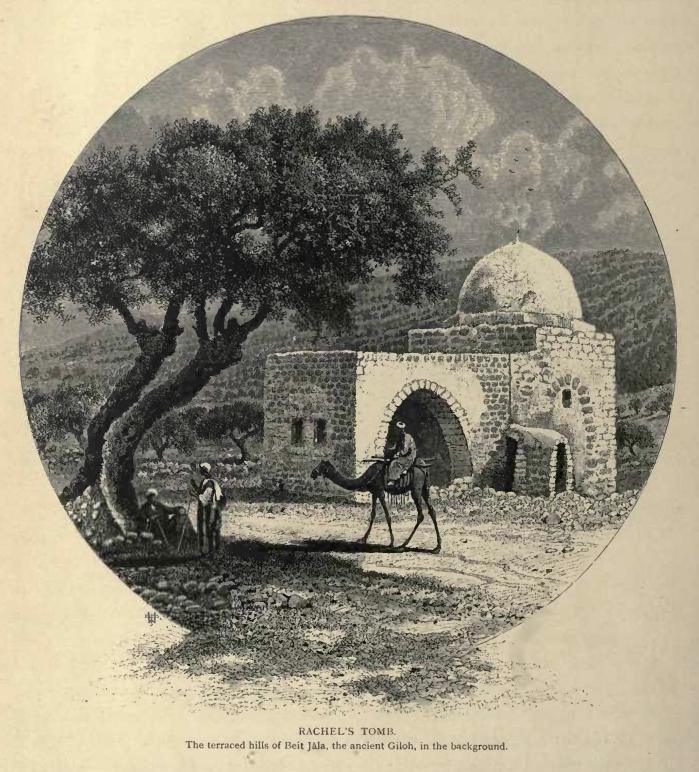 🇵🇸 Palestine and 1 moreRachel's TombQever Raḥel; Qabr Rāḥīl
A shared holy site near Bethlehem revered by Jews, Christians, and MuslimsTradition · Speaking with spirits and the dead · Protection Living
🇵🇸 Palestine and 1 moreRachel's TombQever Raḥel; Qabr Rāḥīl
A shared holy site near Bethlehem revered by Jews, Christians, and MuslimsTradition · Speaking with spirits and the dead · Protection Living
 🇮🇱 Israel and 4 moreIsaac Luriaיִצְחָק בן שלמה אשכנזי לוּרְיָא
A sixteenth-century rabbi who founded modern Kabbalah through oral teachings in Safed.Text · Speaking with spirits and the dead · Change and initiation Living
🇮🇱 Israel and 4 moreIsaac Luriaיִצְחָק בן שלמה אשכנזי לוּרְיָא
A sixteenth-century rabbi who founded modern Kabbalah through oral teachings in Safed.Text · Speaking with spirits and the dead · Change and initiation Living
 🇮🇱 Israel and 2 moreLag BaOmerלַ״ג בָּעוֹמֶר
A Jewish holiday marking the end of a mourning period with bonfires and outdoor playTradition · Speaking with spirits and the dead · Wonder and entertainment Living
🇫🇷 France and 3 moreChristian Kabbalah
A Renaissance effort to read Christian theology into Jewish mysticismTradition · Speaking with spirits and the dead · Cursing and harm Historical
🇮🇱 Israel and 2 moreLag BaOmerלַ״ג בָּעוֹמֶר
A Jewish holiday marking the end of a mourning period with bonfires and outdoor playTradition · Speaking with spirits and the dead · Wonder and entertainment Living
🇫🇷 France and 3 moreChristian Kabbalah
A Renaissance effort to read Christian theology into Jewish mysticismTradition · Speaking with spirits and the dead · Cursing and harm Historical
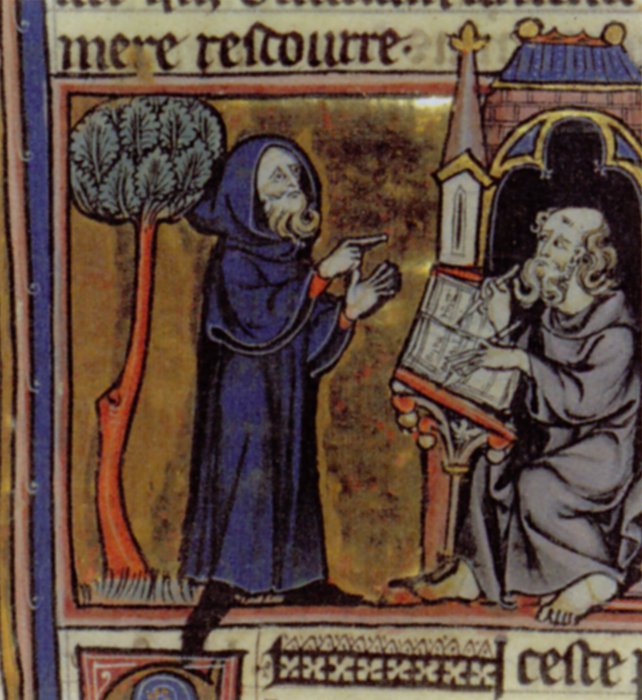 🇮🇹 Italy and 1 moreMedieval European magic
A broad category of ritual and natural practices in the Middle Ages, blending healing, divination, and religious belief.Tradition · Healing · Seeing and foretelling Historical
🇮🇹 Italy and 1 moreMedieval European magic
A broad category of ritual and natural practices in the Middle Ages, blending healing, divination, and religious belief.Tradition · Healing · Seeing and foretelling Historical
 🇮🇪 Ireland and 4 moreWinter solstice
The shortest day and longest night of the year, marked by rites of solar returnTradition · Seeing and foretelling · Protection Living
🇮🇪 Ireland and 4 moreWinter solstice
The shortest day and longest night of the year, marked by rites of solar returnTradition · Seeing and foretelling · Protection Living
 🇷🇴 Romania and 5 moreVampire folklore
Global legends of blood-drinking spirits and undead revenantsBelief · Cursing and harm · Protection Historical
🇷🇴 Romania and 5 moreVampire folklore
Global legends of blood-drinking spirits and undead revenantsBelief · Cursing and harm · Protection Historical
 🇫🇷 France and 5 moreKabbalahקַבָּלָה
An esoteric school of thought within Judaism focused on the hidden meanings of scripture and the divine.Tradition · Speaking with spirits and the dead · Change and initiation Living
🇫🇷 France and 5 moreKabbalahקַבָּלָה
An esoteric school of thought within Judaism focused on the hidden meanings of scripture and the divine.Tradition · Speaking with spirits and the dead · Change and initiation Living
 🇮🇷 Iran and 5 moreMagi
Priests of Zoroastrianism and the figures who inspired the word for magicTradition · Seeing and foretelling · Power and authority Living
🇾🇪 Yemen and 1 moreDor Daimדור דעה
A Yemenite Jewish movement promoting rational theology and opposing Kabbalistic mysticismTradition Historical
🇮🇷 Iran and 5 moreMagi
Priests of Zoroastrianism and the figures who inspired the word for magicTradition · Seeing and foretelling · Power and authority Living
🇾🇪 Yemen and 1 moreDor Daimדור דעה
A Yemenite Jewish movement promoting rational theology and opposing Kabbalistic mysticismTradition Historical
Photo credits on this page
The small pictures above come from Wikimedia Commons under free licences. Some are cropped to fit.
- Magi: Colijn de Coter, CC0, source
- Isaac Luria: Louski1, CC BY-SA 3.0, source
- Lag BaOmer: Yoninah, CC BY-SA 3.0, source
- Jiangshi: Dick Thomas Johnson, CC BY 2.0, source
- Medieval European magic: Unknown author, Public domain, source
- Winter solstice: Image by Przemyslaw " Blueshade " Idzkiewicz, CC BY-SA 2.0, source
- Kabbalah: Joseph ben Abraham Gikatilla, Paulus Riccius, Leonhard Beck, Public domain, source
- Rachel's Tomb: Lane-Poole, Stanley, Public domain, source