Indigenous and shamanic: magic in this belief world
Ceremony, healing and spirit knowledge of Indigenous peoples; some of it closed to outsiders and described here only as far as its people share it.
Indigenous and shamanic traditions are the ceremony, healing and spirit knowledge of peoples from the Arctic to the Amazon, Australia, the Pacific and Africa. They are not one religion, and each community has its own names, laws and stories. Some knowledge is closed to outsiders by the community's own rule, and this guide describes it only as far as the people concerned share it. Terms such as Indigenous and shamanic can hide great variety, so the guide gives each people its own entry wherever it can.
Many peoples, many practices
Examples include the Sami noaidi, Mongolian and Siberian shamans, the Navajo and Lakota ceremonial systems, Amazonian plant healers, Andean offerings to Pachamama, Maori tohunga, Hawaiian kahuna and Aboriginal Dreaming law. Each is rooted in land, kinship and responsibility. Many peoples hold that knowledge belongs to the people and place it came from, and cannot be taken or sold. Elders say that these practices were given to a community and cannot be separated from its language, land and obligations, so that they function differently in the hands of outsiders.
Closed and open knowledge
A great deal is restricted by gender, age, initiation or clan. Some Aboriginal ceremonies, parts of Pueblo and Hopi religion, and many African initiation societies are not for outsiders, and describing them in detail would break the community's law. Visitors should ask before attending, photographing or recording, and accept a refusal. Where this guide is silent on a detail, that is deliberate. In many communities, healers and ceremonial leaders are chosen by calling, family and long training, and they do not advertise.
Suppression and recovery
Colonisers banned ceremonies, as in the United States, where the Plains Sun Dance and the Pacific Northwest potlatch were outlawed. Canada banned the potlatch from 1885 to 1951. Missionaries called practice devil worship and removed children to boarding schools. The American Indian Religious Freedom Act of 1978 recognised rights in US law, and revival and language movements continue. Colonial law in Australia, the United States, Canada, New Zealand, Brazil and elsewhere sought to end such practice, and some communities lost part of their ceremonial knowledge as a result.
Appropriation and respect
Sweat lodges run by outsiders have caused deaths, notably in Arizona in 2009. Sacred plants are sold as products, and costume and names are taken for branding. Indigenous leaders ask for consent, credit and benefit-sharing. Some Indigenous writers prefer to speak of religion, law or medicine, not magic, and this guide follows their lead where it can. Ask first and give back: those are the rules most communities state, and the guide asks readers to follow them.
Indigenous and shamanic on EveryJaadu
The entries written up so far, best known first.
 🇰🇷 South Korea and 1 moreDaejongism대종교
A Korean faith system centred on the ancestral king Dangun and national identity.Tradition · Power and authority Living
🇰🇬 Kyrgyzstan and 2 moreAyaz AtaАяз Ата
A Turkic winter spirit who brings snow and gifts during the cold seasonBeing · Luck and prosperity · Protection Living
🇰🇷 South Korea and 1 moreDaejongism대종교
A Korean faith system centred on the ancestral king Dangun and national identity.Tradition · Power and authority Living
🇰🇬 Kyrgyzstan and 2 moreAyaz AtaАяз Ата
A Turkic winter spirit who brings snow and gifts during the cold seasonBeing · Luck and prosperity · Protection Living
 🇨🇳 ChinaBenzhuism本主教
The indigenous patron worship of the Bai people in Yunnan, ChinaTradition · Protection · Healing Living
🇰🇷 South KoreaSuunism수운교
A Korean ethnic religion focused on the Great Jade Emperor of Heaven and spiritual reconnection.Tradition · Speaking with spirits and the dead · Change and initiation Living
🇨🇳 ChinaBenzhuism本主教
The indigenous patron worship of the Bai people in Yunnan, ChinaTradition · Protection · Healing Living
🇰🇷 South KoreaSuunism수운교
A Korean ethnic religion focused on the Great Jade Emperor of Heaven and spiritual reconnection.Tradition · Speaking with spirits and the dead · Change and initiation Living
 🇨🇳 ChinaPixiu貔貅
A winged lion-like creature from Chinese lore that guards wealth and wards off evil spirits.Being · Protection · Luck and prosperity Living
🇵🇭 Philippines and 1 moreTaotao Monataotaomo'na
Ancestral spirits of the Mariana Islands who guard wild places and influence daily lifeBeing · Protection · Cursing and harm Living
🇨🇳 ChinaPixiu貔貅
A winged lion-like creature from Chinese lore that guards wealth and wards off evil spirits.Being · Protection · Luck and prosperity Living
🇵🇭 Philippines and 1 moreTaotao Monataotaomo'na
Ancestral spirits of the Mariana Islands who guard wild places and influence daily lifeBeing · Protection · Cursing and harm Living
 🇮🇩 IndonesiaBarongᬩᬭᭀᬂ
A lion-like spirit king of Bali who battles the witch queen Rangda in dance and mythBeing · Protection Living
🇮🇩 IndonesiaBarongᬩᬭᭀᬂ
A lion-like spirit king of Bali who battles the witch queen Rangda in dance and mythBeing · Protection Living
 🇲🇬 MadagascarFady
Malagasy cultural taboos regulating daily life and ancestor relationsBelief · Protection · Speaking with spirits and the dead Living
🇲🇬 MadagascarFady
Malagasy cultural taboos regulating daily life and ancestor relationsBelief · Protection · Speaking with spirits and the dead Living
 🇻🇺 Vanuatu and 3 moreMana
A spiritual force of power and authority in Oceanic culturesBelief · Power and authority Living
🇹🇬 Togo and 1 moreTchitcherik
A wooden statue representing the ancestors of the Moba people in Togo and Ghana.Being · Speaking with spirits and the dead Living
🇲🇱 MaliBoli
A charged fetish object of the Bambara people of MaliCharm · Cursing and harm · Seeing and foretelling Living
🇵🇬 Papua New GuineaBaloma
Spirits of departed kin who, Trobrianders hold, place each new child in the wombBeing · Love and attraction Living
🇻🇺 Vanuatu and 3 moreMana
A spiritual force of power and authority in Oceanic culturesBelief · Power and authority Living
🇹🇬 Togo and 1 moreTchitcherik
A wooden statue representing the ancestors of the Moba people in Togo and Ghana.Being · Speaking with spirits and the dead Living
🇲🇱 MaliBoli
A charged fetish object of the Bambara people of MaliCharm · Cursing and harm · Seeing and foretelling Living
🇵🇬 Papua New GuineaBaloma
Spirits of departed kin who, Trobrianders hold, place each new child in the wombBeing · Love and attraction Living
 🇮🇩 IndonesiaMarapu
Ancestral religion of Sumba and Flores in IndonesiaTradition · Speaking with spirits and the dead · Protection Living
🇮🇩 IndonesiaMarapu
Ancestral religion of Sumba and Flores in IndonesiaTradition · Speaking with spirits and the dead · Protection Living
 🇳🇵 Nepal and 1 moreKiratism
The indigenous animist and shamanic religion of the Kirati peoples in Nepal and IndiaTradition · Protection · Speaking with spirits and the dead Living
🇳🇵 Nepal and 1 moreKiratism
The indigenous animist and shamanic religion of the Kirati peoples in Nepal and IndiaTradition · Protection · Speaking with spirits and the dead Living
 🇵🇪 PeruChakapa
A leaf rattle used by Amazonian healers in ayahuasca ceremonies and spirit cleansing rituals.Rite · Healing · Speaking with spirits and the dead Living
🇲🇱 Mali and 1 moreSandobele
A Senufo woman diviner who mediates between the village and bush spirits.Being · Speaking with spirits and the dead · Protection Living
🇵🇪 PeruChakapa
A leaf rattle used by Amazonian healers in ayahuasca ceremonies and spirit cleansing rituals.Rite · Healing · Speaking with spirits and the dead Living
🇲🇱 Mali and 1 moreSandobele
A Senufo woman diviner who mediates between the village and bush spirits.Being · Speaking with spirits and the dead · Protection Living
 🇨🇳 China and 3 moreFengshui woodland風水林
A protected grove in East Asia believed to shape the local environment and bring luck to nearby communities.Tradition · Protection · Luck and prosperity Living
🇨🇳 China and 3 moreFengshui woodland風水林
A protected grove in East Asia believed to shape the local environment and bring luck to nearby communities.Tradition · Protection · Luck and prosperity Living
 🇺🇸 United StatesMedicine man
A traditional healer and spiritual leader within Indigenous communities of the Americas.Tradition · Healing · Speaking with spirits and the dead Living
🇺🇸 United StatesMedicine man
A traditional healer and spiritual leader within Indigenous communities of the Americas.Tradition · Healing · Speaking with spirits and the dead Living
 🇵🇪 Peru and 2 moreTsentsak
Invisible darts used by Amazonian shamans for healing and sorcerySubstance · Cursing and harm · Protection Living
🇵🇪 Peru and 2 moreTsentsak
Invisible darts used by Amazonian shamans for healing and sorcerySubstance · Cursing and harm · Protection Living
 🇺🇸 United StatesQuviasukvikᖁᕕᐊᓲᑎᖃᕐᕕᒃ
An Arctic festival marking the new year with sunrise rituals and community gatherings.Tradition · Luck and prosperity · Speaking with spirits and the dead Living
🇩🇴 Dominican RepublicAnaisa Pye
A Dominican loa of love and wealth, linked to Saint Anne.Being · Love and attraction · Luck and prosperity Living
🇿🇦 South AfricaAmadlozi
Ancestors of the Nguni people who guide and protect their descendantsBeing · Protection · Speaking with spirits and the dead Living
🇷🇺 RussiaAiyАйыы (Ayıı)
Benevolent spirits of the Upper World in Yakut mythologyBeing · Speaking with spirits and the dead · Power and authority Living
🇺🇸 United StatesQuviasukvikᖁᕕᐊᓲᑎᖃᕐᕕᒃ
An Arctic festival marking the new year with sunrise rituals and community gatherings.Tradition · Luck and prosperity · Speaking with spirits and the dead Living
🇩🇴 Dominican RepublicAnaisa Pye
A Dominican loa of love and wealth, linked to Saint Anne.Being · Love and attraction · Luck and prosperity Living
🇿🇦 South AfricaAmadlozi
Ancestors of the Nguni people who guide and protect their descendantsBeing · Protection · Speaking with spirits and the dead Living
🇷🇺 RussiaAiyАйыы (Ayıı)
Benevolent spirits of the Upper World in Yakut mythologyBeing · Speaking with spirits and the dead · Power and authority Living
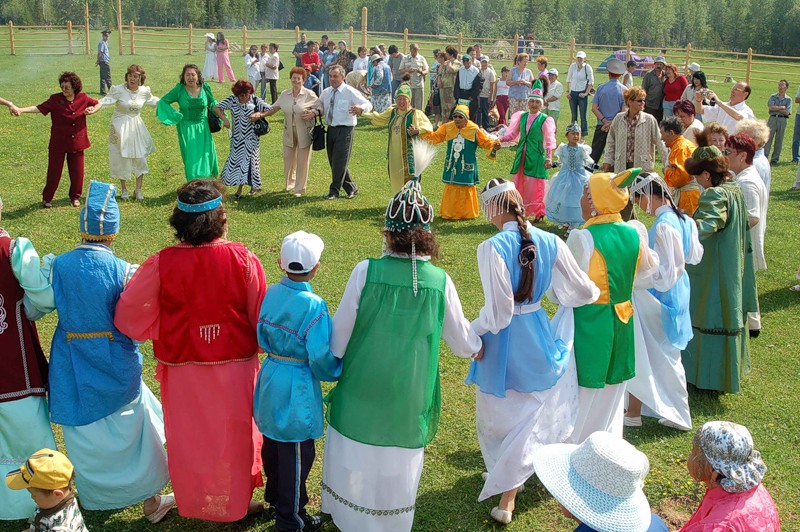 🇷🇺 RussiaYhyakhЫһыах
A summer solstice festival of the Sakha people marking the new year and nature's returnTradition · Luck and prosperity · Speaking with spirits and the dead Living
🇳🇵 Nepal and 3 moreGurung ShamanismTamu Cho
The ancient shamanic beliefs and rituals of the Gurung people in NepalTradition · Protection · Speaking with spirits and the dead Living
🇮🇳 IndiaTribal religions in India
Indigenous spiritual practices of India's Scheduled Tribes, often grouped under Hinduism in official records.Tradition · Speaking with spirits and the dead · Protection Living
🇷🇺 RussiaYhyakhЫһыах
A summer solstice festival of the Sakha people marking the new year and nature's returnTradition · Luck and prosperity · Speaking with spirits and the dead Living
🇳🇵 Nepal and 3 moreGurung ShamanismTamu Cho
The ancient shamanic beliefs and rituals of the Gurung people in NepalTradition · Protection · Speaking with spirits and the dead Living
🇮🇳 IndiaTribal religions in India
Indigenous spiritual practices of India's Scheduled Tribes, often grouped under Hinduism in official records.Tradition · Speaking with spirits and the dead · Protection Living
 🇳🇵 Nepal and 1 moreBanjhakri and Banjhakrini
Forest shamans of the Kirati people in Nepal and eastern IndiaBeing · Speaking with spirits and the dead · Power and authority Living
🇳🇵 Nepal and 1 moreBanjhakri and Banjhakrini
Forest shamans of the Kirati people in Nepal and eastern IndiaBeing · Speaking with spirits and the dead · Power and authority Living
 🇿🇦 South Africa and 1 moreSacred caves of the Basotho
Cave networks in South Africa and Lesotho used by the Basotho for ancestral rituals and healingTradition · Healing · Protection Living
🇿🇦 South Africa and 1 moreSacred caves of the Basotho
Cave networks in South Africa and Lesotho used by the Basotho for ancestral rituals and healingTradition · Healing · Protection Living
 🇮🇳 India and 1 moreFolk practices in Punjab
Indigenous beliefs and rituals of the Punjabi people across India and PakistanTradition · Protection · Healing Living
🇰🇪 KenyaFingo
A protective talisman of the Mijikenda people in KenyaCharm · Protection Living
🇮🇳 India and 1 moreFolk practices in Punjab
Indigenous beliefs and rituals of the Punjabi people across India and PakistanTradition · Protection · Healing Living
🇰🇪 KenyaFingo
A protective talisman of the Mijikenda people in KenyaCharm · Protection Living
 🇻🇳 VietnamThe Four ImmortalsTứ bất tử
Four chief spirits of the Vietnamese Red River Delta pantheonBeing · Power and authority Living
🇻🇳 VietnamThe Four ImmortalsTứ bất tử
Four chief spirits of the Vietnamese Red River Delta pantheonBeing · Power and authority Living
 🇿🇦 South AfricaDivination bonesditaola (Sotho-Tswana), amathambo (isiZulu)
Bones and carved objects used by traditional healers in South Africa to foresee the futureSeeing and foretelling · Speaking with spirits and the dead Living
🇿🇦 South AfricaDivination bonesditaola (Sotho-Tswana), amathambo (isiZulu)
Bones and carved objects used by traditional healers in South Africa to foresee the futureSeeing and foretelling · Speaking with spirits and the dead Living
 🇲🇳 Mongolia and 1 moreOngon
Ancestor spirits in Mongolian shamanism, represented by consecrated idols and talismansBeing · Protection · Speaking with spirits and the dead Living
🇲🇳 Mongolia and 1 moreOngon
Ancestor spirits in Mongolian shamanism, represented by consecrated idols and talismansBeing · Protection · Speaking with spirits and the dead Living
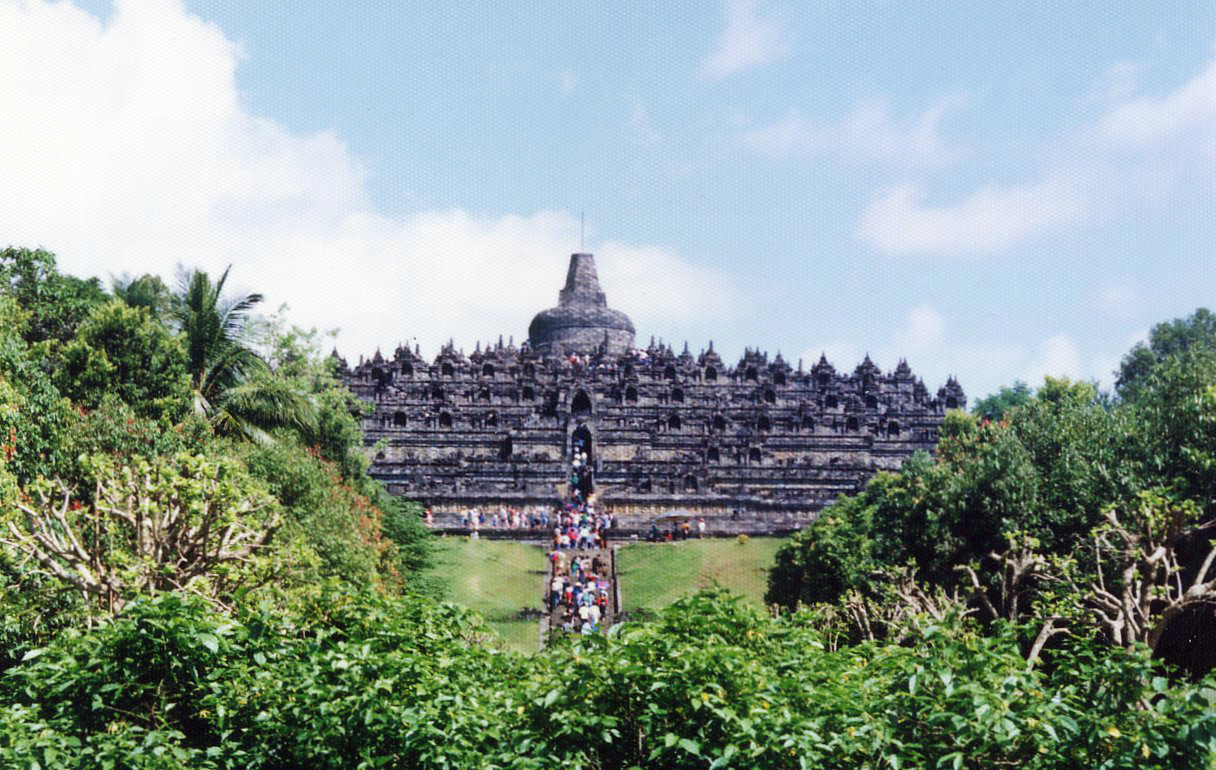 🇮🇩 IndonesiaSunda Wiwitanᮞᮥᮔ᮪ᮓ ᮝᮤᮝᮤᮒᮔ᮪
A folk religion of the Sundanese people in western Java, IndonesiaTradition · Protection · Speaking with spirits and the dead Living
🇮🇩 IndonesiaSunda Wiwitanᮞᮥᮔ᮪ᮓ ᮝᮤᮝᮤᮒᮔ᮪
A folk religion of the Sundanese people in western Java, IndonesiaTradition · Protection · Speaking with spirits and the dead Living
 🇨🇦 CanadaMistapewmistâpêw (ᒥᐢᑖᐤ)
A spirit-being of the Cree peoples, known as the Great Man or Bigfoot.Being · Protection · Healing Living
🇨🇦 CanadaMistapewmistâpêw (ᒥᐢᑖᐤ)
A spirit-being of the Cree peoples, known as the Great Man or Bigfoot.Being · Protection · Healing Living
 🇵🇪 Peru and 3 moreMuki
A subterranean goblin of the Andes who guards mines and makes pacts with miners.Being · Power and authority · Luck and prosperity Living
🇵🇪 Peru and 3 moreMuki
A subterranean goblin of the Andes who guards mines and makes pacts with miners.Being · Power and authority · Luck and prosperity Living
 🇮🇩 Indonesia and 1 moreSandung
A house-shaped ossuary for the bones of the deceased among Dayak peoples in Borneo.Charm · Speaking with spirits and the dead · Power and authority Living
🇺🇦 Ukraine and 5 moreBullroarer
A wooden slat on a string that produces a roaring sound for ritual and communication.Tradition · Protection · Speaking with spirits and the dead Living
🇺🇸 United StatesPele's Curse
A belief that taking Hawaiian sand or rock brings bad luckBelief · Cursing and harm Living
🇮🇩 Indonesia and 1 moreSandung
A house-shaped ossuary for the bones of the deceased among Dayak peoples in Borneo.Charm · Speaking with spirits and the dead · Power and authority Living
🇺🇦 Ukraine and 5 moreBullroarer
A wooden slat on a string that produces a roaring sound for ritual and communication.Tradition · Protection · Speaking with spirits and the dead Living
🇺🇸 United StatesPele's Curse
A belief that taking Hawaiian sand or rock brings bad luckBelief · Cursing and harm Living
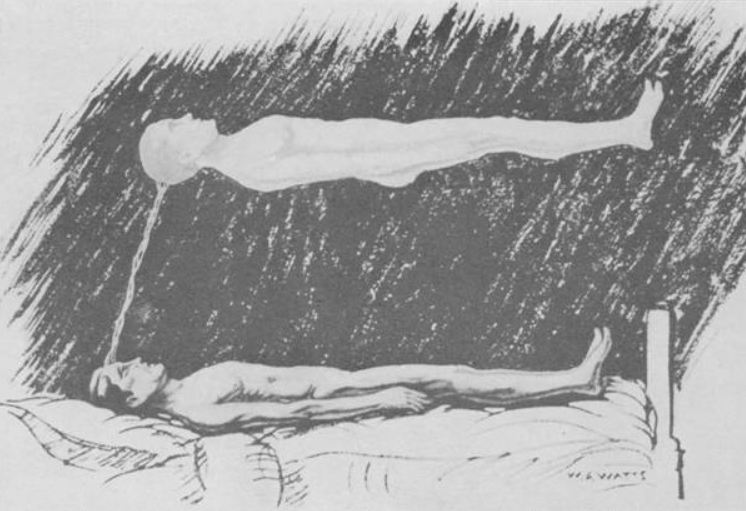 🇮🇳 India and 3 moreAstral projection
An intentional out-of-body experience where consciousness travels through the astral planeTradition · Speaking with spirits and the dead · Change and initiation Living
🇭🇹 HaitiMarassa Jumeaux
The divine twins of Haitian Vodou, representing love, truth, and justice.Being · Love and attraction · Cursing and harm Living
🇮🇳 India and 3 moreAstral projection
An intentional out-of-body experience where consciousness travels through the astral planeTradition · Speaking with spirits and the dead · Change and initiation Living
🇭🇹 HaitiMarassa Jumeaux
The divine twins of Haitian Vodou, representing love, truth, and justice.Being · Love and attraction · Cursing and harm Living
 🇮🇳 India and 5 moreLock of hair
A piece of human hair kept for symbolic, sentimental, or superstitious reasons.Substance · Protection · Luck and prosperity Living
🇧🇿 Belize and 3 moreSisimito
A bipedal cryptid of Central American folklore, said to live in the mountains and caves.Figure · Cursing and harm · Wonder and entertainment Living
🇮🇳 India and 5 moreLock of hair
A piece of human hair kept for symbolic, sentimental, or superstitious reasons.Substance · Protection · Luck and prosperity Living
🇧🇿 Belize and 3 moreSisimito
A bipedal cryptid of Central American folklore, said to live in the mountains and caves.Figure · Cursing and harm · Wonder and entertainment Living
 🇲🇽 Mexico and 1 moreGod's eyeOjo de Dios
A woven yarn cross believed to grant spiritual sight and protectionCharm · Protection · Speaking with spirits and the dead Living
🇰🇷 South KoreaMusok eumak무속 음악
Traditional Korean shamanistic music performed during gut rituals to induce tranceTradition · Speaking with spirits and the dead Living
🇧🇿 BelizeTata DuendeNukuch Tat
A thumbless forest spirit of Belizean folklore that protects animals and warns children.Being · Protection · Cursing and harm Living
🇲🇽 Mexico and 1 moreGod's eyeOjo de Dios
A woven yarn cross believed to grant spiritual sight and protectionCharm · Protection · Speaking with spirits and the dead Living
🇰🇷 South KoreaMusok eumak무속 음악
Traditional Korean shamanistic music performed during gut rituals to induce tranceTradition · Speaking with spirits and the dead Living
🇧🇿 BelizeTata DuendeNukuch Tat
A thumbless forest spirit of Belizean folklore that protects animals and warns children.Being · Protection · Cursing and harm Living
 🇦🇺 AustraliaCleverman
A traditional Aboriginal healer and cultural keeper in Australia with varied magical abilities.Being · Healing · Cursing and harm Living
🇦🇺 AustraliaCleverman
A traditional Aboriginal healer and cultural keeper in Australia with varied magical abilities.Being · Healing · Cursing and harm Living
 🇮🇳 IndiaMaibi Jagoi
A shamanic ritual dance performed by Maibis during the Lai Haraoba ceremony in Manipur.Rite · Speaking with spirits and the dead Living
🇮🇳 IndiaMaibi Jagoi
A shamanic ritual dance performed by Maibis during the Lai Haraoba ceremony in Manipur.Rite · Speaking with spirits and the dead Living
Photo credits on this page
The small pictures above come from Wikimedia Commons under free licences. Some are cropped to fit.
- Chakapa: Mario Martín /Archivo Centro Takiwasi, CC BY-SA 4.0, source
- Astral projection: Hereward Carrington, Sylvan Muldoon., Public domain, source
- Sandung: Wibowo Djatmiko ( Wie146 ), CC BY-SA 3.0, source
- Mistapew: Alarichall, CC0, source
- Sunda Wiwitan: Greenland4, Public domain, source
- Ongon: Vyacheslav Kirillin, CC BY-SA 4.0, source
- Banjhakri and Banjhakrini: RajashreeTalukdar, CC BY-SA 3.0, source
- Yhyakh: Humano92, Public domain, source
- Quviasukvik: Jodie Wilson, CC BY 2.0, source
- Kiratism: TheDreamSky ( talk ), CC BY 3.0, source
- Marapu: Unknown author, CC BY-SA 3.0, source
- Mimi: Photo by and ©2002 Dustin M. Ramsey ( Kralizec! ), CC BY-SA 2.5, source
- Daejongism: Berghendorf, CC0, source
- Benzhuism: G41rn8, CC BY-SA 4.0, source
- Barong: Skha, CC BY-SA 4.0, source
- Pixiu: N509FZ, CC BY-SA 4.0, source
- Maibi Jagoi: Ramesh Lalwani, CC BY 2.0, source
- Lock of hair: Unknown author, CC0, source
- God's eye: Douglas P. Perkins, CC BY-SA 3.0, source
- Fady: Robin Taylor, CC BY 2.0, source
- Mana: Unknown author, Public domain, source
- Fengshui woodland: 猫猫的日记本 (Cat's diary), CC BY-SA 3.0, source
- Medicine man: Smallbones, Public domain, source
- Tsentsak: Veton PICQ, CC BY-SA 3.0, source
- Sacred caves of the Basotho: JMK, CC BY-SA 3.0, source
- Folk practices in Punjab: Veer jindal, CC BY-SA 3.0, source
- The Four Immortals: Vietnamese artist, Public domain, source
- Divination bones: Mycelium101, CC BY-SA 3.0, source
- Muki: Arístides Herrera Cuntti at Spanish Wikipedia, CC BY-SA 3.0, source