
Banjhakri and Banjhakrini
from Nepali ban (wilderness) and jhakri (shaman)
Forest shamans of the Kirati people in Nepal and eastern India
Banjhakri and Banjhakrini are shamanic deities of the Kirati people in Nepal and parts of India. They are a couple who serve as supernatural teachers of forest magic.
- Banjhakri is a descendant of the Sun
- He trains children in a forest cave
- Banjhakrini carries a golden sickle
- Names mean wilderness shaman
- Only shamans can see them
What it is
Banjhakri and Banjhakrini are shamanic deities in the Kirati tradition of Nepal and eastern India. They are a couple, possibly different aspects of the same being, and are described as supernatural shamans of the forest. Banjhakri is a short, wild, simian trickster and a descendant of the Sun. Banjhakrini is both ursine and humanoid. Together they represent the spiritual power of the wilderness.
Where it comes from
The names come from the Nepali language. 'Ban' means wilderness, 'jhakri' means shaman, and 'jhakrini' means shamaness. Banjhakrini is also known as Lemlema. Some legends suggest there are numerous ban-jhākri and ban-jhākrini. Shamans of Nepal regard the original Banjhakri as the founder of Nepali shamanism. He is revered as a teacher and god of the forest.
How it is done
Banjhakri finds human children with shamanic potential and takes them to his cave for training. The children face initiation by Banjhakrini, who is bloodthirsty and carries a golden sickle. Those who survive this process return home with powerful training, becoming more potent than ordinary shamans. Only powerful shamans can see these beings in our world, not just the spirit world.
Tools and materials
Banjhakri plays a golden dhyangro, which is the frame drum played by Nepali jhākri. Banjhakrini carries a symbolic golden sickle. These items mark their status as supernatural shamans and leaders of the forest tradition.
Banjhakri and Banjhakrini, drawn and placed
- Living
- Revived
- Fading
- Historical
- Legendary
- Performed
- Lineage
- Kirati tradition
What it is for
They exist to train future shamans. Banjhakri abducts children to teach them magic. This training allows the initiates to become more powerful than those trained by humans. They are sought after for their ability to produce great spiritual leaders.
Who does it
The practitioners are shamans, or jhākri, of the Kirati people. Banjhakri himself is considered the founder of this tradition. He selects children based on their potential. Only powerful shamans can perceive Banjhakri and Banjhakrini in the physical world.
Peoples and places
These deities belong to the Kirati people of Nepal. Their influence extends to Sikkim, Darjeeling, and Kalimpong in India. The Kirati shamans revere Banjhakri as their ancestral teacher. The tradition is specific to these regions and communities.
At a glance: who, where and when
What people believe
Banjhakri is seen as a therianthrope, a humanoid who changes into animal form. He is a descendant of the Sun. Banjhakrini is described as brutal and bloodthirsty. Both beings can appear in the real world, visible only to skilled shamans. They are part of a belief system where forest spirits guide human spiritual development.
Compare and confuse
Banjhakri is similar to the Yeti in that both can be seen in the physical world. However, the Yeti is taller than humans, while Banjhakri is only one to one point five metres tall. Both are apelike, but Banjhakri is smaller and serves as a teacher rather than a monster.
Questions people ask about Banjhakri and Banjhakrini
Who are Banjhakri and Banjhakrini?
They are shamanic deities of the Kirati people in Nepal and India. They are a couple who act as supernatural teachers of forest magic and spiritual power.
What does their name mean?
The name comes from Nepali words. 'Ban' means wilderness. 'Jhakri' means shaman. 'Jhakrini' means shamaness. So they are the wilderness shamans.
How do they train shamans?
Banjhakri takes children with potential to his cave. Banjhakrini tests them. Those who survive return home as powerful shamans, better than ordinary ones.
Good reading and sources
The facts on this page come from the Wikipedia article "Banjhakri and Banjhakrini", written by its contributors and used under the CC BY-SA 4.0 licence, and from its Wikidata record (CC0). EveryJaadu rewrote the text in its own words, with AI assistance, and compares every page with the article to make sure no passage is copied. It may be reused under the same CC BY-SA 4.0 licence with a link back.
It may contain mistakes. Names and customs differ from one community to the next, and some knowledge is closed to outsiders and left out here. This page describes belief and practice. It does not say that any of it works, it is not a how-to, and it is not medical advice. If something is wrong, tell us. Last refreshed 2026-10-06.
More from Nepal
All the entries from Nepal 🇮🇳 India and 3 moreYakshaयक्ष (Sanskrit), ยักษ์ (Thai)
Nature spirits and guardian deities in South and Southeast Asian traditionsBeing · Protection · Power and authority Living
🇮🇳 India and 3 moreYakshaयक्ष (Sanskrit), ยักษ์ (Thai)
Nature spirits and guardian deities in South and Southeast Asian traditionsBeing · Protection · Power and authority Living
 🇮🇳 India and 3 moreDakiniḍākinī
A goddess figure in Hinduism and Buddhism, ranging from flesh-eating demoness to enlightened energy.Being · Cursing and harm · Power and authority Historical
🇮🇳 India and 3 moreDakiniḍākinī
A goddess figure in Hinduism and Buddhism, ranging from flesh-eating demoness to enlightened energy.Being · Cursing and harm · Power and authority Historical
 🇮🇳 India and 1 moreYoginiयोगिनी
A female master of yoga and tantra, or a fierce goddess aspect in Indian temples.Tradition · Power and authority · Protection Historical
🇮🇳 India and 1 moreYoginiयोगिनी
A female master of yoga and tantra, or a fierce goddess aspect in Indian temples.Tradition · Power and authority · Protection Historical
 🇮🇳 India and 6 moreChurel
A female revenant of South Asian folklore, feared for luring men awayBeing · Cursing and harm Legendary
🇮🇳 India and 6 moreChurel
A female revenant of South Asian folklore, feared for luring men awayBeing · Cursing and harm Legendary
Related elsewhere
All being 🇪🇬 Egypt and 4 moreAnimal sacrifice
The ritual killing of livestock or wild animals as an offering to deitiesRite · Speaking with spirits and the dead · Power and authority Historical
🇪🇬 Egypt and 4 moreAnimal sacrifice
The ritual killing of livestock or wild animals as an offering to deitiesRite · Speaking with spirits and the dead · Power and authority Historical
 🇮🇶 Iraq and 5 moreGrimoire
A textbook containing instructions for spells, rituals, and the creation of magical objects.Text · Protection · Healing Historical
🇮🇶 Iraq and 5 moreGrimoire
A textbook containing instructions for spells, rituals, and the creation of magical objects.Text · Protection · Healing Historical
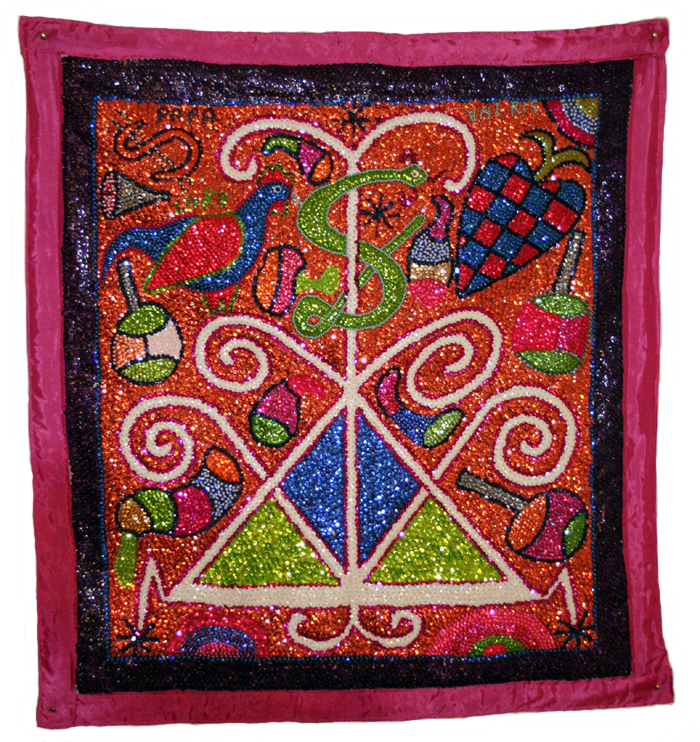 🇭🇹 Haiti and 2 moreHaitian VodouVodou
An Afro-Haitian religion blending West African traditions with Catholicism and FreemasonryTradition · Protection · Healing Living
🇭🇹 Haiti and 2 moreHaitian VodouVodou
An Afro-Haitian religion blending West African traditions with Catholicism and FreemasonryTradition · Protection · Healing Living