Tchitcherik
sakab means "ancestors" in Moba; named after the clan of the ancestor
A wooden statue representing the ancestors of the Moba people in Togo and Ghana.
A tchitcherik is a wooden sculpture representing the ancestors of the Moba people in northern Togo and Ghana. Diviners commission these minimalist figures to honor specific ancestral clans, planting them in the ground as part of cultural practice.
- Wooden statues represent ancestors of the Moba people.
- Diviners determine the size and sex of the figures.
- Statues are planted in soil up to the groin.
- Design features a cylindrical trunk and round head.
- Term sakab translates to "ancestors" in Moba.
What it is
A tchitcherik, also called a tchitcherik sakwa, is a wooden sculpture created by the Moba people of northern Togo and Ghana. These figures serve as representations of ancestors, with the plural form tchitcheri sakab translating to "ancestors" in the Moba language. The statues are characterized by a minimalist aesthetic, resembling abstract art. They typically feature a cylindrical trunk, straight arms and legs, and a round head attached directly without a neck. While sizes vary, they generally stand around one metre tall. The figures are named according to the specific ancestral clan they are intended to honor.
Where it comes from
The practice originates among the Moba communities in the northern regions of Togo and Ghana. The terminology reflects the cultural focus on lineage, as the word sakab specifically denotes ancestors. Each sculpture is assigned a name linked to the clan of the ancestor it represents, establishing a direct connection between the object and the family history it preserves. The design emphasizes simplicity, stripping the human form down to essential geometric shapes. This approach aligns with broader traditions of African sculpture while maintaining a distinct regional style focused on ancestral veneration.
How it is done
The creation and placement of a tchitcherik follow specific protocols managed by religious specialists. Only diviners possess the authority to commission these sculptures, and they alone determine the required size and sex of the figure. Once completed, the statue is positioned upright in the earth. It is often planted deep enough to reach the groin level, which leaves the lower portion exposed to the elements. Over time, this exposure leads to damage from xylophagus insects that consume the wood, altering the appearance of the legs.
Tools and materials
Wood is the sole material used for constructing these statues. The carving process results in a simplified form that prioritizes symbolic representation over realistic detail. The resulting object consists of a central cylindrical body with linear limbs and a spherical head. The natural state of the wood remains visible, and the structural integrity is maintained despite the eventual insect damage to the buried sections.
Tchitcherik, drawn and placed
- Living
- Revived
- Fading
- Historical
- Legendary
- Performed
- Lineage
- Moba culture
What it is for
The primary function of a tchitcherik is to honor and commemorate the ancestors of a specific clan. These statues act as physical anchors for remembrance, allowing the community to acknowledge their lineage and spiritual heritage. By commissioning a figure through a diviner, individuals seek to establish or maintain a relationship with their forebears. The statues serve as focal points for ancestral veneration, ensuring that the memory and influence of past generations remain present within the community.
Who does it
Diviners play a central role in the existence of these statues. They are the exclusive agents authorized to order the creation of a tchitcherik. Their responsibilities include deciding the precise dimensions and gender of the sculpture needed for a particular clan or individual. This control over the production process underscores the spiritual significance of the figures. The diviner acts as the intermediary between the living community and the ancestral realm, determining how the ancestors should be represented physically.
Peoples and places
The tchitcherik is a cultural artifact of the Moba people, who reside in the northern parts of Togo and Ghana. This tradition is specific to their ethnic group and reflects their unique approach to ancestral representation. The statues are deeply embedded in Moba society, serving as markers of identity and continuity. The practice distinguishes the Moba from neighboring groups through its specific terminology and artistic style, which combines functional ritual use with a distinctive abstract aesthetic.
At a glance: who, where and when
What people believe
The statues embody a belief system centered on the reverence of ancestors. Each figure represents a real ancestor associated with a particular clan, rather than a generic spirit or deity. This indicates a worldview where lineage and familial history hold significant spiritual weight. The placement of the statue in the ground suggests a connection to the earth and the permanence of ancestral presence. The community holds that these figures facilitate a link to the past, keeping the ancestors accessible and honored within the social structure.
How scholars and sceptics see it
Academic interest in tchitcherik has led to their inclusion in major museum collections. Works by Douglas Newton and others have featured these sculptures in exhibitions such as African and Oceanic Art at the Israel Museum in Jerusalem. Other references appear in publications discussing ethnocentrism in creation and world cultural treasures held in Leipzig. Private collections, such as that of Fritz Koenig, also preserve these items. Scholars analyze these objects as examples of African art and cultural expression.
Compare and confuse
The term tchitcherik is sometimes paired with sakwa, while the plural form appears as tchitcheri sakab. These variations reflect different grammatical structures within the Moba language. The statues are often compared to abstract art due to their simplified geometric forms. Unlike many figurative sculptures that emphasize detailed anatomy, tchitcherik focus on essential shapes. This stylistic choice sets them apart from more realistic depictions found in other African traditions, highlighting a preference for symbolic abstraction.
Today
Contemporary recognition of tchitcherik extends beyond their original cultural context into the global art market. Museums in Jerusalem and Leipzig have acquired these sculptures, displaying them as significant works of African art. Private collectors also maintain these pieces, ensuring their preservation outside of their place of origin. This movement into institutional and private hands highlights the transition of these ritual objects into artifacts of cultural heritage. The practice continues to be documented through academic and curatorial efforts.
Questions people ask about Tchitcherik
What is a tchitcherik?
It is a wooden statue representing the ancestors of the Moba people in Togo and Ghana. The figures are minimalist sculptures used to honor specific ancestral clans.
Who creates these statues?
Only diviners can order these sculptures. They determine the required size and sex of the figure for the ritual.
How are the statues used?
They are planted upright in the ground, often buried up to the groin level, to honor the ancestors of a clan.
What do they look like?
They are abstract figures with a cylindrical trunk, straight arms and legs, and a round head without a neck.
Good reading and sources
The facts on this page come from the Wikipedia article "Tchitcherik", written by its contributors and used under the CC BY-SA 4.0 licence, and from its Wikidata record (CC0). EveryJaadu rewrote the text in its own words, with AI assistance, and compares every page with the article to make sure no passage is copied. It may be reused under the same CC BY-SA 4.0 licence with a link back.
It may contain mistakes. Names and customs differ from one community to the next, and some knowledge is closed to outsiders and left out here. This page describes belief and practice. It does not say that any of it works, it is not a how-to, and it is not medical advice. If something is wrong, tell us. Last refreshed 2026-10-09.
More from Togo
All the entries from Togo 🇳🇬 Nigeria and 5 moreIfá
A Yoruba divination system using palm nuts to access spiritual guidanceTradition · Seeing and foretelling · Speaking with spirits and the dead Living
🇳🇬 Nigeria and 5 moreIfá
A Yoruba divination system using palm nuts to access spiritual guidanceTradition · Seeing and foretelling · Speaking with spirits and the dead Living
 🇳🇬 Nigeria and 4 moreJuju
A West African spiritual belief system involving charms and ritualsTradition · Healing · Luck and prosperity Living
🇳🇬 Nigeria and 4 moreJuju
A West African spiritual belief system involving charms and ritualsTradition · Healing · Luck and prosperity Living
 🇧🇯 Benin and 5 moreVodun art
Religious sculpture and temple painting from West African Vodun traditionsTradition · Protection · Speaking with spirits and the dead Living
🇧🇯 Benin and 5 moreVodun art
Religious sculpture and temple painting from West African Vodun traditionsTradition · Protection · Speaking with spirits and the dead Living
Related elsewhere
All being 🇮🇳 IndiaChakraचक्र
Meditation points in the subtle body used in Hindu and Buddhist yogaTradition · Speaking with spirits and the dead · Change and initiation Living
🇮🇳 IndiaChakraचक्र
Meditation points in the subtle body used in Hindu and Buddhist yogaTradition · Speaking with spirits and the dead · Change and initiation Living
 🇮🇹 ItalyEtruscan religion
The polytheistic beliefs and divination practices of the ancient Etruscans of ItalyTradition · Seeing and foretelling · Speaking with spirits and the dead Historical
🇮🇹 ItalyEtruscan religion
The polytheistic beliefs and divination practices of the ancient Etruscans of ItalyTradition · Seeing and foretelling · Speaking with spirits and the dead Historical
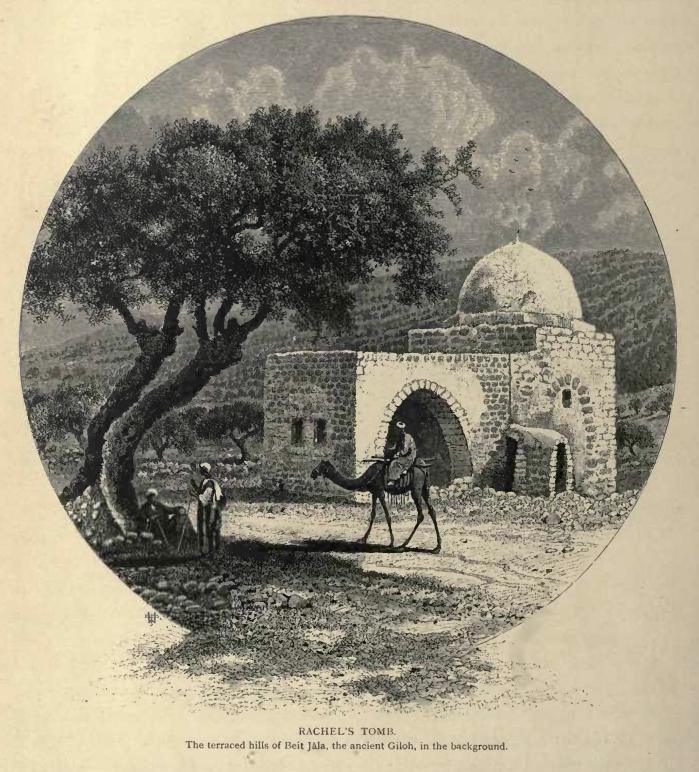 🇵🇸 Palestine and 1 moreRachel's TombQever Raḥel; Qabr Rāḥīl
A shared holy site near Bethlehem revered by Jews, Christians, and MuslimsTradition · Speaking with spirits and the dead · Protection Living
🇵🇸 Palestine and 1 moreRachel's TombQever Raḥel; Qabr Rāḥīl
A shared holy site near Bethlehem revered by Jews, Christians, and MuslimsTradition · Speaking with spirits and the dead · Protection Living
 🇮🇶 Iraq and 5 moreGrimoire
A textbook containing instructions for spells, rituals, and the creation of magical objects.Text · Protection · Healing Historical
🇮🇶 Iraq and 5 moreGrimoire
A textbook containing instructions for spells, rituals, and the creation of magical objects.Text · Protection · Healing Historical