
Muki
from Quechua, meaning asphyxia or a goblin living in caves
A subterranean goblin of the Andes who guards mines and makes pacts with miners.
The muki is a cave-dwelling spirit in Central Andean mythology, known from Peru, Bolivia, Ecuador and Colombia. He appears as a small miner who controls metal veins and offers help to workers in exchange for goods or companionship.
- The muki lives inside mines and controls metal veins.
- He offers to do work in exchange for coca or alcohol.
- His name means asphyxia in Quechua.
- He is described as two feet tall with no neck.
- Unbaptized children are said to become mukis in some tales.
What it is
The muki is a creature found in the myths of the Central Andes. People in Peru, Bolivia, Ecuador and Colombia tell stories about him. He lives deep inside mines and works like a human miner. Believers say he controls the metals in the ground. He can make ore appear or vanish. He also helps workers find rich veins. Some miners believe he chooses them to work alongside him.
Where it comes from
The word comes from Quechua and means asphyxia. It also names a cave goblin. The belief likely grew from older ideas about demons in the Ukhu Pacha, or world below. Miners used these stories to explain strange events underground. Christian ideas mixed with local beliefs over time. This created new tales about unbaptized children becoming mukis.
How it is done
Miners sometimes try to capture the muki to make a deal. They offer coca leaves, alcohol or company. The spirit agrees to do heavy labor in return. If the worker keeps their promise, they gain wealth. If they fail, the muki takes their life. Workers are told to use their belts to fight him if he attacks. They must not show fear during such encounters.
Tools and materials
He wears a helmet and sturdy boots with studs. He carries a lantern or flashlight. Older tales mention a gas lamp and a vicuña poncho. Modern versions show rain gear and battery lights. Some descriptions give him horns to break rock. Others say he has pointy ears and bright blonde hair. His skin is often pale or reddish.
Muki, drawn and placed
- Living
- Revived
- Fading
- Historical
- Legendary
- Performed
- Lineage
- Central Andean mythology
- Timing
- inside underground mines
What it is for
He represents the power of the mine. Miners seek his favor for good luck and strong metal veins. He protects those who are honest and discreet. He warns of danger by whistling loudly. He also punishes those who break promises. Some fear he steals unbaptized children to turn them into spirits.
Who does it
Scholars study these stories as part of Andean culture. No specific priest class performs rituals for him. Ordinary miners interact with him through daily work. They follow safety rules that mirror his own attire. Women are rarely mentioned in these interactions. Men dominate the mining spaces where he appears.
Peoples and places
Stories vary across regions. In Puno, he is called anchanchu. Cajamarca knows him as jusshi. Moquegua uses chinchiliku. Pasco and Arequipa keep the name muki. Each mine has its own oral tradition. These tales identify specific types of the spirit. The core idea remains consistent across borders.
At a glance: who, where and when
What people believe
He lives in eternal darkness without aging. He does not feel the passage of time. He prefers solitude but feels lonely at times. He senses the emotions of nearby humans. He can soften or harden stone veins. His eyes reflect light like metal. He shape-shifts into animals or men to deceive workers.
When it is done
No specific festivals honor him. Encounters happen whenever miners enter dark tunnels. Safety regulations in mines reflect his presence. Workers mimic his clothing to stay safe. The belief persists regardless of the season. It is tied to the daily grind of extraction.
How scholars and sceptics see it
Researchers view the muki as a cultural symbol. It blends indigenous and Christian elements. The figure explains the unknown dangers of mining. Psychologists see it as a projection of worker anxiety. Historians note how colonial labels changed local myths. The story shows resilience of oral traditions.
Cautions and what is closed
Tales warn of tragic outcomes for broken deals. The spirit kidnaps vulnerable children. Unbaptized youths are said to become mukis. Victims may need church sacraments to recover. The belief causes fear among isolated workers. Misunderstandings can lead to dangerous behavior in shafts.
Compare and confuse
He resembles other mining elves worldwide. European folklore has similar underground dwarfs. The name muqui appears in different spellings. Chinchiliku and anchanchu are regional variants. All share traits of controlling earth resources. They represent the hidden costs of extraction.
Questions people ask about Muki
What is the muki?
The muki is a goblin-like spirit in Central Andean mythology. He lives in mines and helps miners find metal. Believers say he controls ore veins and warns of danger.
Where does the belief come from?
It originates in Quechua-speaking regions of Peru and Bolivia. The word means asphyxia. Stories blend old demon beliefs with Christian ideas about unbaptized souls.
How do miners interact with him?
They may try to capture him to make a pact. They offer goods or company for his labor. Breaking the promise leads to death. Honest workers gain protection and wealth.
What does he look like?
He is tiny, under two feet tall. He wears a helmet and studded boots. He has blonde hair, a white beard and metal-like eyes. He carries a lantern in dark tunnels.
Good reading and sources
The facts on this page come from the Wikipedia article "Muki (mythology)", written by its contributors and used under the CC BY-SA 4.0 licence, and from its Wikidata record (CC0). EveryJaadu rewrote the text in its own words, with AI assistance, and compares every page with the article to make sure no passage is copied. It may be reused under the same CC BY-SA 4.0 licence with a link back.
It may contain mistakes. Names and customs differ from one community to the next, and some knowledge is closed to outsiders and left out here. This page describes belief and practice. It does not say that any of it works, it is not a how-to, and it is not medical advice. If something is wrong, tell us. Last refreshed 2026-10-11.
More from Peru
All the entries from Peru 🇵🇪 Peru and 1 moreApu
Sacred mountain spirits in Andean tradition that protect communities and control natural resourcesBeing · Protection · Healing Living
🇵🇪 Peru and 1 morePishtacoñañaq; kharisiri
An Andean bogeyman said to steal human fat for oil and medicineBeing · Cursing and harm · Power and authority Living
🇵🇪 Peru and 1 moreApu
Sacred mountain spirits in Andean tradition that protect communities and control natural resourcesBeing · Protection · Healing Living
🇵🇪 Peru and 1 morePishtacoñañaq; kharisiri
An Andean bogeyman said to steal human fat for oil and medicineBeing · Cursing and harm · Power and authority Living
 🇧🇴 Bolivia and 1 moreAnchanchu
A shapeshifting vampire of the Andes that drains blood and demands offerings from miners.Being · Cursing and harm · Power and authority Legendary
🇧🇴 Bolivia and 1 moreAnchanchu
A shapeshifting vampire of the Andes that drains blood and demands offerings from miners.Being · Cursing and harm · Power and authority Legendary
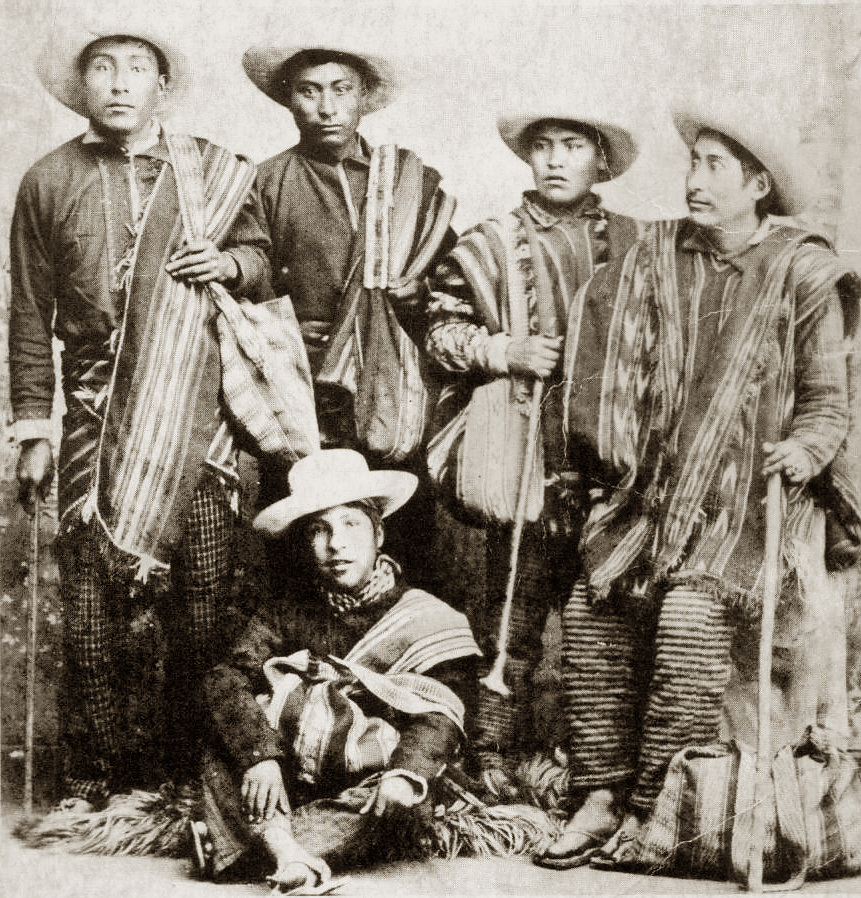 🇧🇴 Bolivia and 5 moreKallawaya
An itinerant group of traditional Andean healers known for their medicinal plant knowledge and ritual practicesTradition · Healing · Protection Living
🇧🇴 Bolivia and 5 moreKallawaya
An itinerant group of traditional Andean healers known for their medicinal plant knowledge and ritual practicesTradition · Healing · Protection Living
Related elsewhere
All being 🇮🇶 Iraq and 4 moreAstrology
A system of divination that links human affairs to the positions of celestial bodiesTradition · Seeing and foretelling · Luck and prosperity Living
🇮🇶 Iraq and 4 moreAstrology
A system of divination that links human affairs to the positions of celestial bodiesTradition · Seeing and foretelling · Luck and prosperity Living
 🇫🇷 FranceHoly GrailSaint Graal
A cup or stone from Arthurian tales that grants healing and eternal lifeFigure · Healing · Luck and prosperity Legendary
🇫🇷 FranceHoly GrailSaint Graal
A cup or stone from Arthurian tales that grants healing and eternal lifeFigure · Healing · Luck and prosperity Legendary
 🇨🇳 China and 3 moreChinese dragon龍
A legendary water deity and imperial symbol in East Asian cultureBeing · Protection · Luck and prosperity Historical
🇨🇳 China and 3 moreChinese dragon龍
A legendary water deity and imperial symbol in East Asian cultureBeing · Protection · Luck and prosperity Historical
 🇨🇳 China and 2 moreEight Immortals八仙
Eight legendary Taoist figures of China, each with a power and a vesselFigure · Protection · Healing Living
🇨🇳 China and 2 moreEight Immortals八仙
Eight legendary Taoist figures of China, each with a power and a vesselFigure · Protection · Healing Living