Tribal religions in India
Indigenous spiritual practices of India's Scheduled Tribes, often grouped under Hinduism in official records.
These are the native faiths of India's indigenous communities, including nature worship and ancestor veneration. Official census data places most practitioners within a broad legal definition of Hinduism, though distinct traditions like Sarna and Donyi-Poloism exist with millions of followers.
- Sarna is the largest tribal religion with 4.9 million adherents.
- Legal definitions often classify tribal faiths under Hinduism.
- Nature and ancestor worship are central to most traditions.
- Donyi-Poloism has approximately 331,000 followers.
- Andamanese groups face severe cultural assimilation pressure.
What it is
Tribal religions in India encompass the diverse spiritual systems of the country's indigenous populations, known legally as Scheduled Tribes. These belief structures typically center on the veneration of ancestors and natural forces, such as spirits residing in forests, rivers, or mountains. While these practices differ significantly from mainstream Vedic rituals, they are ontologically integrated into the broader cultural fabric of the subcontinent. Many tribes exhibit syncretism, blending indigenous rites with Hindu customs. The Indian census categorizes these varied faiths under the umbrella term Other Religions and Persuasions, yet legal frameworks often group them broadly within Hinduism due to the inclusive nature of that identity.
Where it comes from
The origins of these faiths are rooted in the prehistoric cultures of the Indian subcontinent, evolving alongside the linguistic groups of Indo-Aryan, Dravidian, Austroasiatic, Tibeto-Burman, and Andamanese peoples. Unlike organized religions with single founders, these traditions developed organically within specific tribal communities over millennia. Historical interactions with mainstream Hinduism and Buddhism have influenced many groups, particularly in the Himalayas and central regions. Despite external pressures, core elements like nature worship have persisted. The legal recognition of these faiths is a modern development, with the 1955 Hindu Marriage Act effectively classifying non-Abrahamic native faiths as Hindu for civil purposes, reflecting a geographical rather than purely theological definition.
How it is done
Practitioners observe festivals that align with their tribal calendar without conflicting with other major religions. Rituals often involve offerings to ancestral spirits and deities associated with natural features. Marriage ceremonies follow strict customary laws regarding succession and privileges, distinct from state or mainstream religious norms. Worship is frequently conducted in open spaces or sacred groves rather than temples. Specific traditions like Sarna involve communal gatherings at sacred sites, while others like Donyi-Polo focus on the sun and moon. The methods are passed down through oral tradition and community participation, maintaining social cohesion and spiritual continuity across generations.
Tools and materials
Tools vary by tribe but commonly include items related to nature worship, such as leaves, flowers, water, and soil from sacred sites. Ancestor worship may involve small shrines or markers dedicated to lineage figures. Festivals often utilize traditional musical instruments, dance costumes, and ritual foods prepared according to custom. Specific deities in traditions like Sanamahi or Heraka may have designated symbolic representations. The materials used are typically local and sustainable, reflecting the close relationship between the community and their environment. There is no standardized liturgy; instead, rituals are adapted to the specific needs of the household or village.
Tribal religions in India, drawn and placed
- Living
- Revived
- Fading
- Historical
- Legendary
- Performed
- Lineage
- Indian folk religion
What it is for
The primary purposes of these religions are to maintain harmony with the natural world and honor ancestral lineage. Practitioners seek protection for their communities, health for individuals, and prosperity for harvests. Ancestor worship serves to connect the living with the dead, ensuring guidance and blessing from previous generations. Nature worship acknowledges the spiritual presence in landscapes, fostering respect for the environment. These beliefs also provide a framework for social order, governing marriage, inheritance, and conflict resolution within the tribe. They offer a sense of identity and belonging, distinguishing tribal communities from the wider national population while coexisting with dominant religious structures.
Who does it
Practitioners are members of specific Scheduled Tribe communities, such as the Munda, Oraon, Kharia, Santhal, and Ho. Leadership roles are often held by elders or specialized ritual specialists within the tribe, though much practice occurs at the household level. Gender roles vary by tradition, with some allowing equal participation and others restricting certain rites. The transition to Christianity or Hinduism among some groups, like the Kharia and Santhal, has altered traditional practitioner demographics. In remote areas like the Andaman Islands, hunting-and-gathering groups maintain unique practices with minimal outside influence. Training is informal, learned through observation and participation in community life.
Peoples and places
These religions are practiced by numerous ethnic groups across India's vast geography. In Jharkhand, significant portions of the Munda, Oraon, and Kharia populations adhere to these faiths, though many have converted to Christianity or Hinduism. Northeast India hosts distinct traditions like Donyi-Polo among the Adi, Sanamahi among the Meitei, and Ka Niam Khasi among the Khasi. Central India features Sarna and Sari Dharam, while East India includes Bon and Kiratism. The Onge and Jarawa of the Andaman Islands maintain isolated animist practices. Each group has unique linguistic and cultural markers, yet all share common themes of nature and ancestor veneration. Syncretism is widespread, with many tribes integrating Hindu deities into their existing pantheons.
At a glance: who, where and when
Who does it
Belief worlds
Occasions
What people believe
The worldview underlying these religions posits a spirit-filled universe where natural features and ancestors possess agency. Deities are often associated with specific elements like the sun, moon, earth, or rivers. Ancestors are believed to influence the well-being of the living, requiring regular appeasement. The boundary between the physical and spiritual worlds is porous, accessible through rituals and festivals. Moral codes are tied to community survival and environmental stewardship. Unlike abstract theological systems, these beliefs are practical and immediate, focused on maintaining balance. Some traditions, like Heraka, emphasize purification and resistance to external religious influences. The concept of soul or spirit varies, but generally involves a connection to the land and lineage.
When it is done
Festivals are timed according to agricultural cycles, lunar phases, and seasonal changes. Common occasions include harvest celebrations, planting seasons, and rites of passage like weddings and births. Specific days are dedicated to honoring ancestors or propitiating nature spirits. For example, Sarna festivals often coincide with spring or autumn equinoxes. Donyi-Polo observances track the movements of the sun and moon. Wedding ceremonies follow tribal calendars that may differ from the national Gregorian or Hindu panchang. Crisis moments, such as illness or misfortune, may trigger additional rituals. The calendar is deeply embedded in the ecological rhythm of the tribe's territory, reinforcing the link between spiritual practice and environmental awareness.
How scholars and sceptics see it
Anthropologists view these religions as vital components of India's cultural diversity, highlighting their adaptive strategies and resilience. Historians note the impact of colonial classification and modern state policies on tribal identity and religious expression. Sociologists analyze the syncretism between tribal faiths and Hinduism, seeing it as a form of integration rather than assimilation. Critics of the census methodology argue that grouping diverse tribal religions under broad labels obscures their distinctiveness. Researchers emphasize the importance of preserving oral traditions and indigenous knowledge systems. The legal classification of these faiths as Hindu is debated, with scholars advocating for greater recognition of their autonomy. Studies also examine the effects of conversion and cultural assimilation on traditional practices.
Cautions and what is closed
Many tribal communities face severe pressure from cultural assimilation, particularly small groups in the Andaman Islands. Legal ambiguities regarding religious identity can lead to marginalization or loss of rights. Conversion efforts by external religious groups sometimes disrupt traditional social structures. Stigma associated with tribal identities persists in broader society, affecting access to resources and education. The commercialization of tribal culture for tourism can distort authentic practices. Loss of forest lands threatens the ecological basis of nature worship. Internal conflicts over religious affiliation, such as between traditionalists and converts, create social tension. Preservation efforts must respect the closed nature of some initiatory or sacred knowledge, avoiding exploitation by outsiders.
Compare and confuse
Tribal religions in India are often confused with Folk Hinduism due to shared deities and rituals, but they retain distinct cosmologies and governance structures. They differ from mainstream Hinduism in the absence of caste hierarchy and Sanskritized texts. Similarities exist with other indigenous traditions globally, such as animism and shamanism, but each Indian tribe has unique variations. The term ORP (Other Religions and Persuasions) is a bureaucratic category that lumps together atheists, Zoroastrians, Jews, and diverse tribal faiths, masking their differences. Comparisons with African or Native American indigenous religions highlight universal themes of nature worship, yet the Indian context is shaped by its long history of interaction with major world religions.
Questions people ask about Tribal religions in India
What are tribal religions in India?
They are the indigenous spiritual systems of India's Scheduled Tribes, focusing on nature and ancestor worship. Though diverse, they are often legally grouped under Hinduism in official records.
Where do these religions originate?
They originate from the prehistoric cultures of India's various linguistic groups, including Dravidian and Austroasiatic peoples, evolving independently before interacting with mainstream religions.
How are they classified officially?
The census lists them under Other Religions and Persuasions, but laws like the Hindu Marriage Act often treat them as Hindu due to the broad geographical definition of that term.
Which tribes practice these faiths?
Major groups include the Munda, Oraon, Santhal, Kharia, and Ho in central India, and the Adi, Meitei, and Khasi in the northeast, along with isolated Andamanese communities.
Good reading and sources
The facts on this page come from the Wikipedia article "Tribal religions in India", written by its contributors and used under the CC BY-SA 4.0 licence, and from its Wikidata record (CC0). EveryJaadu rewrote the text in its own words, with AI assistance, and compares every page with the article to make sure no passage is copied. It may be reused under the same CC BY-SA 4.0 licence with a link back.
It may contain mistakes. Names and customs differ from one community to the next, and some knowledge is closed to outsiders and left out here. This page describes belief and practice. It does not say that any of it works, it is not a how-to, and it is not medical advice. If something is wrong, tell us. Last refreshed 2026-10-06.
More from India
All the entries from India 🇮🇳 IndiaChakraचक्र
Meditation points in the subtle body used in Hindu and Buddhist yogaTradition · Speaking with spirits and the dead · Change and initiation Living
🇮🇳 IndiaChakraचक्र
Meditation points in the subtle body used in Hindu and Buddhist yogaTradition · Speaking with spirits and the dead · Change and initiation Living
 🇮🇳 India and 1 moreYoginiयोगिनी
A female master of yoga and tantra, or a fierce goddess aspect in Indian temples.Tradition · Power and authority · Protection Historical
🇮🇳 India and 1 moreYoginiयोगिनी
A female master of yoga and tantra, or a fierce goddess aspect in Indian temples.Tradition · Power and authority · Protection Historical
 🇮🇳 India and 5 moreHoliहोली
A Hindu spring festival marked by coloured powders and bonfires to celebrate love and virtue.Tradition · Love and attraction · Cursing and harm Living
🇮🇳 India and 5 moreHoliहोली
A Hindu spring festival marked by coloured powders and bonfires to celebrate love and virtue.Tradition · Love and attraction · Cursing and harm Living
 🇮🇳 India and 5 moreKolamகோலம்
A daily geometric floor drawing made with rice flour at the home entrance in South IndiaTradition · Protection · Luck and prosperity Living
🇮🇳 India and 5 moreKolamகோலம்
A daily geometric floor drawing made with rice flour at the home entrance in South IndiaTradition · Protection · Luck and prosperity Living
Related elsewhere
All tradition 🇮🇶 Iraq and 5 moreGrimoire
A textbook containing instructions for spells, rituals, and the creation of magical objects.Text · Protection · Healing Historical
🇮🇶 Iraq and 5 moreGrimoire
A textbook containing instructions for spells, rituals, and the creation of magical objects.Text · Protection · Healing Historical
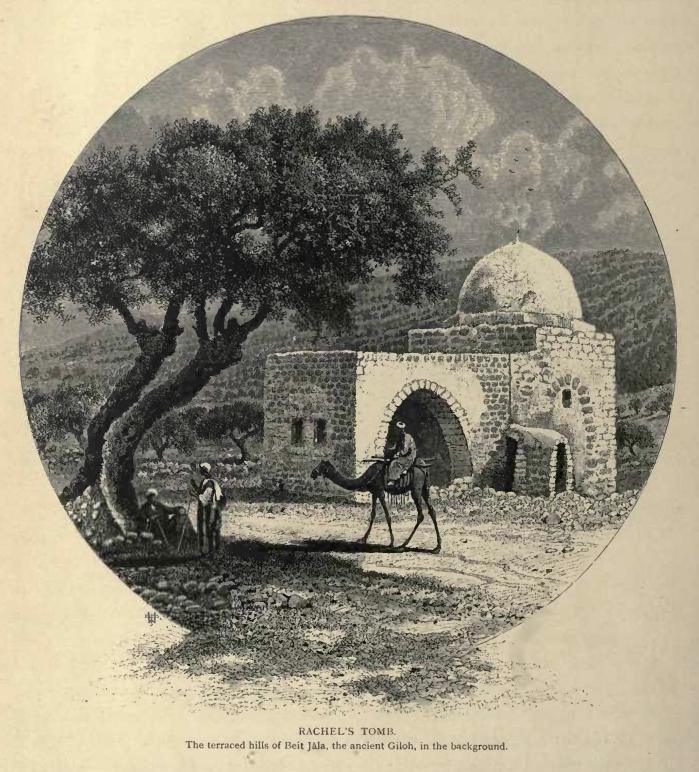 🇵🇸 Palestine and 1 moreRachel's TombQever Raḥel; Qabr Rāḥīl
A shared holy site near Bethlehem revered by Jews, Christians, and MuslimsTradition · Speaking with spirits and the dead · Protection Living
🇵🇸 Palestine and 1 moreRachel's TombQever Raḥel; Qabr Rāḥīl
A shared holy site near Bethlehem revered by Jews, Christians, and MuslimsTradition · Speaking with spirits and the dead · Protection Living
 🇸🇳 Senegal and 1 moreSerer religionA ƭat Roog
The traditional faith of the Serer people, centred on the supreme deity Roog and ancestral veneration.Tradition · Protection · Speaking with spirits and the dead Living
🇸🇳 Senegal and 1 moreSerer religionA ƭat Roog
The traditional faith of the Serer people, centred on the supreme deity Roog and ancestral veneration.Tradition · Protection · Speaking with spirits and the dead Living
 🇪🇬 Egypt and 4 moreAnimal sacrifice
The ritual killing of livestock or wild animals as an offering to deitiesRite · Speaking with spirits and the dead · Power and authority Historical
🇪🇬 Egypt and 4 moreAnimal sacrifice
The ritual killing of livestock or wild animals as an offering to deitiesRite · Speaking with spirits and the dead · Power and authority Historical