Indigenous and shamanic: magic in this belief world
Ceremony, healing and spirit knowledge of Indigenous peoples; some of it closed to outsiders and described here only as far as its people share it.
Indigenous and shamanic traditions are the ceremony, healing and spirit knowledge of peoples from the Arctic to the Amazon, Australia, the Pacific and Africa. They are not one religion, and each community has its own names, laws and stories. Some knowledge is closed to outsiders by the community's own rule, and this guide describes it only as far as the people concerned share it. Terms such as Indigenous and shamanic can hide great variety, so the guide gives each people its own entry wherever it can.
Many peoples, many practices
Examples include the Sami noaidi, Mongolian and Siberian shamans, the Navajo and Lakota ceremonial systems, Amazonian plant healers, Andean offerings to Pachamama, Maori tohunga, Hawaiian kahuna and Aboriginal Dreaming law. Each is rooted in land, kinship and responsibility. Many peoples hold that knowledge belongs to the people and place it came from, and cannot be taken or sold. Elders say that these practices were given to a community and cannot be separated from its language, land and obligations, so that they function differently in the hands of outsiders.
Closed and open knowledge
A great deal is restricted by gender, age, initiation or clan. Some Aboriginal ceremonies, parts of Pueblo and Hopi religion, and many African initiation societies are not for outsiders, and describing them in detail would break the community's law. Visitors should ask before attending, photographing or recording, and accept a refusal. Where this guide is silent on a detail, that is deliberate. In many communities, healers and ceremonial leaders are chosen by calling, family and long training, and they do not advertise.
Suppression and recovery
Colonisers banned ceremonies, as in the United States, where the Plains Sun Dance and the Pacific Northwest potlatch were outlawed. Canada banned the potlatch from 1885 to 1951. Missionaries called practice devil worship and removed children to boarding schools. The American Indian Religious Freedom Act of 1978 recognised rights in US law, and revival and language movements continue. Colonial law in Australia, the United States, Canada, New Zealand, Brazil and elsewhere sought to end such practice, and some communities lost part of their ceremonial knowledge as a result.
Appropriation and respect
Sweat lodges run by outsiders have caused deaths, notably in Arizona in 2009. Sacred plants are sold as products, and costume and names are taken for branding. Indigenous leaders ask for consent, credit and benefit-sharing. Some Indigenous writers prefer to speak of religion, law or medicine, not magic, and this guide follows their lead where it can. Ask first and give back: those are the rules most communities state, and the guide asks readers to follow them.
Indigenous and shamanic on EveryJaadu
The entries written up so far, best known first.
 🇷🇺 Russia and 2 moreSiberian Shamanism
Spirit journey and healing rituals of North Asian ethnic groupsTradition · Healing · Speaking with spirits and the dead Fading
🇸🇩 SudanBenge
A divination method among the Azande using a poisoned chicken to identify witches.Oracle · Cursing and harm Fading
🇬🇭 Ghana and 4 moreSpirit children
A Ghanaian belief that disabled children are harmful spirits requiring ritual treatment or deathBelief · Cursing and harm Fading
 🇯🇵 JapanNyonin Kinsei女人禁制
A Japanese custom prohibiting women from sacred sites and certain cultural spaces.Tradition · Protection · Speaking with spirits and the dead Fading
 🇰🇷 South KoreaMengdu멩두
Brass ritual instruments central to Jeju Island shamanismCharm · Speaking with spirits and the dead · Power and authority Fading
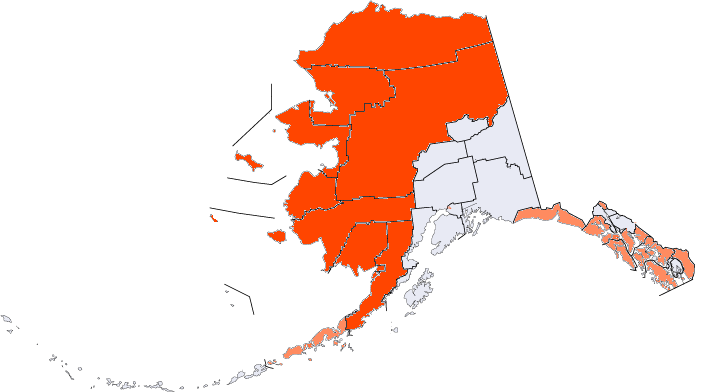 🇺🇸 United StatesShamanism among Alaska Natives
Traditional spiritual practices of Indigenous peoples in AlaskaTradition · Healing · Seeing and foretelling Fading
 🇵🇭 PhilippinesIndigenous religious beliefs of the Tagbanwa people
The traditional spiritual system and rituals of the Tagbanwa indigenous community in the Philippines.Tradition · Protection · Healing Fading
 🇵🇭 Philippines and 1 moreIndigenous Philippine shrines and sacred groundsdambana
Sacred sites in the Philippines used for communication with spirits and ancestors.Tradition · Speaking with spirits and the dead · Protection Fading
 🇲🇾 MalaysiaBobohizan
A high priestess and spirit medium in the traditional rituals of the Kadazan-Dusun people of Sabah.Tradition · Healing · Protection Fading
🇲🇾 MalaysiaHantu Air
A Malay water spirit said to live in rivers, lakes and seasBeing · Speaking with spirits and the dead · Protection Fading
 🇰🇷 South KoreaDurin-gut두린굿
A Jeju Island ritual to cure mental illness by exorcising a possessing spirit through danceRite · Healing · Speaking with spirits and the dead Fading
Photo credits on this page
The small pictures above come from Wikimedia Commons under free licences. Some are cropped to fit.
- Witchcraft in the Philippines: The original uploader was Rodsan18 at English Wikipedia . ( Original t, CC BY 2.5, source
- Indigenous Philippine shrines and sacred grounds: Firth m, CC BY-SA 4.0, source
- Siberian Shamanism: Аркадий Зарубин, CC BY-SA 3.0, source
- Durin-gut: Karaeng Matoaya, CC BY-SA 4.0, source
- Nyonin Kinsei: MightyAtom at English Wikipedia, Public domain, source
- Mengdu: National Folk Museum of Korea, CC BY 4.0, source
- Shamanism among Alaska Natives: Balkanian`s word, Public domain, source
- Bobohizan: Ricardo Unto, CC BY-SA 4.0, source