
Fady
from Proto-Austronesian *paliSi
Malagasy cultural taboos regulating daily life and ancestor relations
Fady are prohibitions woven into Malagasy society across Madagascar. They govern actions, foods and objects to maintain spiritual balance and show respect for ancestors.
- Fady means taboo in Malagasy culture.
- Rules vary by region and family.
- Ancestors enforce the prohibitions.
- Violators become unclean and shunned.
- New businesses need ritual offerings.
What it is
Fady represents a broad system of cultural prohibitions in Madagascar. These rules restrict people, places, actions and objects based on local custom. The practice is deeply tied to ancestor worship and community identity. Violations disrupt spiritual harmony and mark the offender as unclean. Not every rule applies everywhere; some are national while others are specific to families or villages. The concept shapes social behavior and defines Malagasy identity.
Where it comes from
The term descends from the Proto-Austronesian word *paliSi. Related terms exist in Sundanese as pamali and Old Javanese as pali-pali. The practice evolved within Malagasy society to regulate interaction with the spirit world. It remains an integral part of local tradition despite outside influences like Christianity.
How it is done
People avoid forbidden acts to maintain purity. New businesses require a ritual offering called joro to prove they do not violate taboos. Breaking a rule makes one ota fady. The violator becomes maloto, or unclean. Community members shun those who endanger spiritual balance. Foreigners must adjust their behavior to respect local customs.
Tools and materials
Ritual offerings known as joro serve as tools to verify compliance. Specific physical actions act as remedies for accidental breaches. Spitting on fingertips while counting fingers helps cleanse someone who points at a tomb. These gestures restore spiritual order after unintentional violations.
Fady, drawn and placed
- Living
- Revived
- Fading
- Historical
- Legendary
- Performed
- Lineage
- Malagasy culture
- Timing
- at the start of new ventures or daily interactions
What it is for
The rules protect the community's spiritual balance and honor ancestors. They prevent harm from spirits or misfortune. Observance reinforces social cohesion and individual identity. Respecting fady allows visitors to navigate rural areas safely without offending locals.
Who does it
Ordinary households follow these rules in daily life. Healer-diviners called ombiasa advise on proper placement of structures like tombs. Village heads and wise men guide community adherence. Everyone participates in maintaining the social fabric through obedience.
Peoples and places
The practice belongs to the Malagasy people throughout Madagascar. Regional variations exist, with some areas observing stricter rules than others. The Imerina region shows less adherence due to Christian influence. The concept influences language, such as using azafady for please.
At a glance: who, where and when
Who does it
Peoples
Belief worlds
Occasions
What people believe
Supernatural powers enforce these prohibitions. Ancestor worship forms the core belief system behind the rules. Tombs require careful alignment to avoid dangerous spiritual overlaps. The dead possess stronger destiny than the living. Shared alignments could empower the dead dangerously.
When it is done
Rules apply constantly in daily life. New ventures require immediate ritual checks. Life events like births trigger specific prohibitions against calling babies ugly. Building projects demand strict orientation toward the west.
How scholars and sceptics see it
Some writers compare fady to unwritten social taboos in Western cultures. Disregard leads to community shunning in both contexts. Anthropologists view it as a mechanism for social control and identity formation. The practice demonstrates how beliefs shape everyday behavior.
Cautions and what is closed
Violators face social isolation and spiritual danger. Animals like dogs urinating near tombs may be killed immediately. Humans causing similar offenses must pay fines in zebu cattle. Foreigners risk offense by ignoring local advice. Tour operators and guides provide necessary behavioral instructions.
Compare and confuse
The concept resembles general social taboos found elsewhere. However, fady carries specific supernatural enforcement mechanisms. It differs from mere etiquette by involving ancestral spirits and spiritual pollution.
Questions people ask about Fady
What does fady mean?
Fady refers to cultural prohibitions or taboos in Madagascar. These rules regulate behavior to maintain spiritual balance and honor ancestors. They are enforced by supernatural powers.
Who enforces fady?
Supernatural powers enforce these taboos. Ancestors play a central role in the belief system. Communities also enforce rules through social shunning of violators.
What happens if you break a fady?
Breaking a rule makes you unclean, or maloto. You face social isolation and endanger the community's spiritual balance. Ritual cleansing may be required for accidental breaches.
Do all fady apply everywhere?
No, rules vary by region and even family. Some are nationwide while others are local. Christian influence reduces observance in areas like Imerina.
How do foreigners handle fady?
Foreigners should respect local customs and adjust behavior. Guides and tour operators provide advice on appropriate conduct. Ignoring rules risks offense and social exclusion.
Good reading and sources
The facts on this page come from the Wikipedia article "Fady (taboo)", written by its contributors and used under the CC BY-SA 4.0 licence, and from its Wikidata record (CC0). EveryJaadu rewrote the text in its own words, with AI assistance, and compares every page with the article to make sure no passage is copied. It may be reused under the same CC BY-SA 4.0 licence with a link back.
It may contain mistakes. Names and customs differ from one community to the next, and some knowledge is closed to outsiders and left out here. This page describes belief and practice. It does not say that any of it works, it is not a how-to, and it is not medical advice. If something is wrong, tell us. Last refreshed 2026-10-09.
More from Madagascar
All the entries from Madagascar 🇲🇬 MadagascarMalagasy mythology
The oral traditions and ancestral beliefs of the Malagasy people in MadagascarTradition · Speaking with spirits and the dead · Protection Living
🇲🇬 MadagascarMalagasy mythology
The oral traditions and ancestral beliefs of the Malagasy people in MadagascarTradition · Speaking with spirits and the dead · Protection Living
 🇸🇳 Senegal and 5 moreAncestor veneration
Rituals of respect and offerings for the dead across many culturesTradition · Protection · Speaking with spirits and the dead Living
🇲🇬 MadagascarFamadihana
A Malagasy ritual to rewrap ancestors and celebrate their return to the spirit worldRite · Speaking with spirits and the dead · Luck and prosperity Fading
🇸🇳 Senegal and 5 moreAncestor veneration
Rituals of respect and offerings for the dead across many culturesTradition · Protection · Speaking with spirits and the dead Living
🇲🇬 MadagascarFamadihana
A Malagasy ritual to rewrap ancestors and celebrate their return to the spirit worldRite · Speaking with spirits and the dead · Luck and prosperity Fading
 🇲🇬 MadagascarSikidy
An algebraic geomancy practiced by Malagasy peoples using seeds to read fate and prescribe remediesOracle · Seeing and foretelling · Protection Living
🇲🇬 MadagascarSikidy
An algebraic geomancy practiced by Malagasy peoples using seeds to read fate and prescribe remediesOracle · Seeing and foretelling · Protection Living
Related elsewhere
All belief 🇮🇹 ItalyLectisternium
An ancient Roman ritual where couches were draped and meals served to gods.Rite · Protection · Speaking with spirits and the dead Historical
🇮🇹 ItalyLectisternium
An ancient Roman ritual where couches were draped and meals served to gods.Rite · Protection · Speaking with spirits and the dead Historical
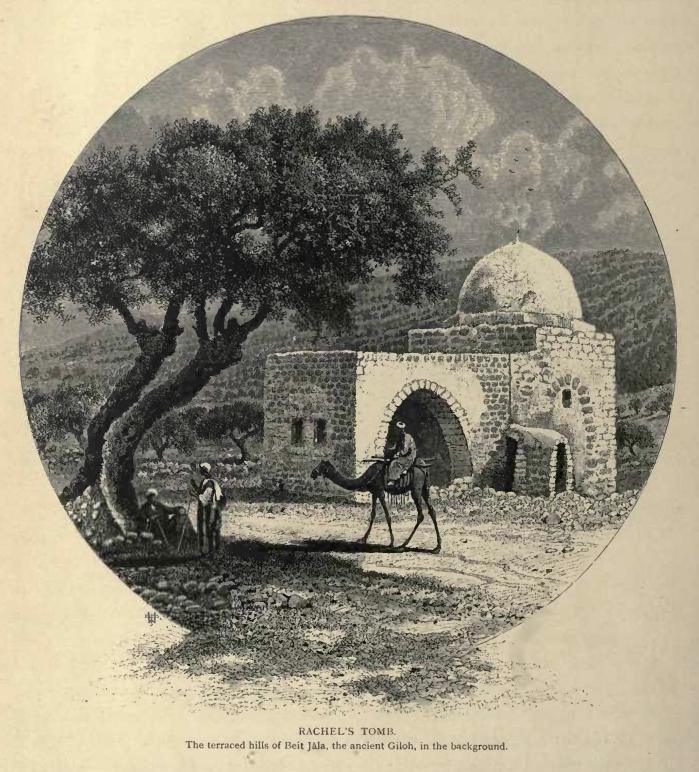 🇵🇸 Palestine and 1 moreRachel's TombQever Raḥel; Qabr Rāḥīl
A shared holy site near Bethlehem revered by Jews, Christians, and MuslimsTradition · Speaking with spirits and the dead · Protection Living
🇵🇸 Palestine and 1 moreRachel's TombQever Raḥel; Qabr Rāḥīl
A shared holy site near Bethlehem revered by Jews, Christians, and MuslimsTradition · Speaking with spirits and the dead · Protection Living
 🇮🇶 Iraq and 5 moreGrimoire
A textbook containing instructions for spells, rituals, and the creation of magical objects.Text · Protection · Healing Historical
🇮🇶 IraqKispu
An ancient Mesopotamian ritual to feed and honour the dead ancestorsRite · Speaking with spirits and the dead · Protection Historical
🇮🇶 Iraq and 5 moreGrimoire
A textbook containing instructions for spells, rituals, and the creation of magical objects.Text · Protection · Healing Historical
🇮🇶 IraqKispu
An ancient Mesopotamian ritual to feed and honour the dead ancestorsRite · Speaking with spirits and the dead · Protection Historical