Sisimito
possibly from Nahuatl Tzitzimitl
A bipedal cryptid of Central American folklore, said to live in the mountains and caves.
The Sisimito is a legendary ape-like creature found in Belizean and Honduran folklore. It is described as a large, hairy humanoid that kidnaps humans and preys on those who harm the forest or stray from village paths.
- Bipedal ape-like cryptid of Belize and Honduras
- Feet face backward and lack knees
- Kidnaps women and eats raw meat
- Afraid of fire, dogs, and water
- Featured in 1951 film Bride of the Gorilla
What it is
The Sisimito is a legendary creature in Central American folklore. Described as a bipedal gorilla-like being, it has a human head, long hair, and dark fur. The creature stands taller than an average person and possesses four fingers without thumbs. Its feet face backward and lack knees. People call it the Mexican Bigfoot, though it remains distinct in local stories. It lives in high forests and inaccessible mountain caves.
Where it comes from
The name likely comes from the Nahuatl word Tzitzimitl. The Garifuna people refer to it as Sismidu. Stories are told by mahogany cutters and passed down in villages like Ranchito and Hill Bank. Scholars note its presence across Belize, Honduras, Guatemala, and Nicaragua. Legends say it produces ape men when uniting with humans.
How it is done
The creature follows human footprints to find victims. It targets women, kidnapping them to take to its cave. It also attacks hunters and those who destroy the forest. To escape, one can dance in circles, causing the backward-footed beast to trip. Making a trail of false footprints confuses it. Fire burns its hair, and dogs or water keep it at bay.
Tools and materials
The Sisimito uses its strength to tear bodies apart. Victims use fire, dogs, and water to defend themselves. Dancing creates a trap for its clumsy gait. False footprints lead it astray. These methods rely on the creature's lack of intelligence and fear of specific elements.
Sisimito, drawn and placed
- Living
- Revived
- Fading
- Historical
- Legendary
- Performed
- Lineage
- Central American folklore
- Timing
- Sundays and religious holidays
What it is for
It is feared for kidnapping women and eating raw meat and fruit. In Belize, looking into its eyes brings death to men but prolongs life for women. It acts as a forest guardian, attacking those who kill animals needlessly. On Sundays and Good Friday, it hunts those who wander into the bushes.
Who does it
Scholars like Jesús Aguilar Paz have recorded its legend. He placed it in high Honduran caverns. Local communities tell tales to warn against forest destruction. The Ketchi believe thunder deities pull the creature back as jungles shrink. No specific priests perform rites for it; it is a subject of oral history.
Peoples and places
The legend is strong in Belize and Honduras. The Garifuna know it as Sismidu. The Ketchi associate it with their thunder gods. Stories spread through neighboring Guatemala and Nicaragua. Different ethnic groups have unique names and details about its behavior and habitat.
At a glance: who, where and when
Who does it
Belief worlds
Occasions
What people believe
The creature is malevolent toward humans but fears water and dogs. It assumes human form to lure victims. Some believe eye contact determines fate based on gender. It is not a hunter but descends from mountains to kidnap. The Ketchi view it as protected by Tzultacah, linking it to spiritual guardianship of nature.
When it is done
It preys on people on Sundays and religious holidays like Good Friday. It strikes when individuals stray into the bushes during these times. Daily encounters occur in remote forest areas. The creature avoids populated zones unless provoked by forest destruction or wandering strangers.
Days linked to Sisimito
Questions people ask about Sisimito
What is the Sisimito?
It is a legendary ape-like creature from Belizean and Honduran folklore. It has dark fur, a human head, and backward-facing feet. It lives in high forests and caves.
Where does the name come from?
The name likely derives from the Nahuatl word Tzitzimitl. The Garifuna call it Sismidu. It is sometimes called Súkara or Itacayo in different regions.
How do you escape the Sisimito?
Dancing in circles makes it trip due to its backward feet. Fire burns its hair. Dogs and water scare it away. False footprints confuse its tracking.
What does the Sisimito eat?
It eats wild berries, fruits, and raw meat. It kidnaps humans to devour them, tearing bodies apart. It avoids hunting live prey unless targeting humans.
Good reading and sources
The facts on this page come from the Wikipedia article "Sisimito", written by its contributors and used under the CC BY-SA 4.0 licence, and from its Wikidata record (CC0). EveryJaadu rewrote the text in its own words, with AI assistance, and compares every page with the article to make sure no passage is copied. It may be reused under the same CC BY-SA 4.0 licence with a link back.
It may contain mistakes. Names and customs differ from one community to the next, and some knowledge is closed to outsiders and left out here. This page describes belief and practice. It does not say that any of it works, it is not a how-to, and it is not medical advice. If something is wrong, tell us. Last refreshed 2026-10-11.
More from Belize
All the entries from Belize 🇲🇽 Mexico and 2 moreAluxaluxo'ob
A small Maya spirit believed to guard fields and cause mischief if offended.Being · Protection · Luck and prosperity Living
🇲🇽 Mexico and 2 moreAluxaluxo'ob
A small Maya spirit believed to guard fields and cause mischief if offended.Being · Protection · Luck and prosperity Living
 🇬🇹 Guatemala and 3 moreMaya religion
The living spiritual practices of the Maya peoples, shaped by centuries of contact with Catholicism.Tradition · Protection · Healing Living
🇧🇿 BelizeTata DuendeNukuch Tat
A thumbless forest spirit of Belizean folklore that protects animals and warns children.Being · Protection · Cursing and harm Living
🇬🇹 Guatemala and 3 moreMaya religion
The living spiritual practices of the Maya peoples, shaped by centuries of contact with Catholicism.Tradition · Protection · Healing Living
🇧🇿 BelizeTata DuendeNukuch Tat
A thumbless forest spirit of Belizean folklore that protects animals and warns children.Being · Protection · Cursing and harm Living
 🇪🇸 Spain and 5 moreDuende
A humanoid spirit of Iberian and Latin American folklore, ranging from household pranksters to forest guardians.Being · Protection · Cursing and harm Living
🇪🇸 Spain and 5 moreDuende
A humanoid spirit of Iberian and Latin American folklore, ranging from household pranksters to forest guardians.Being · Protection · Cursing and harm Living
Related elsewhere
All figure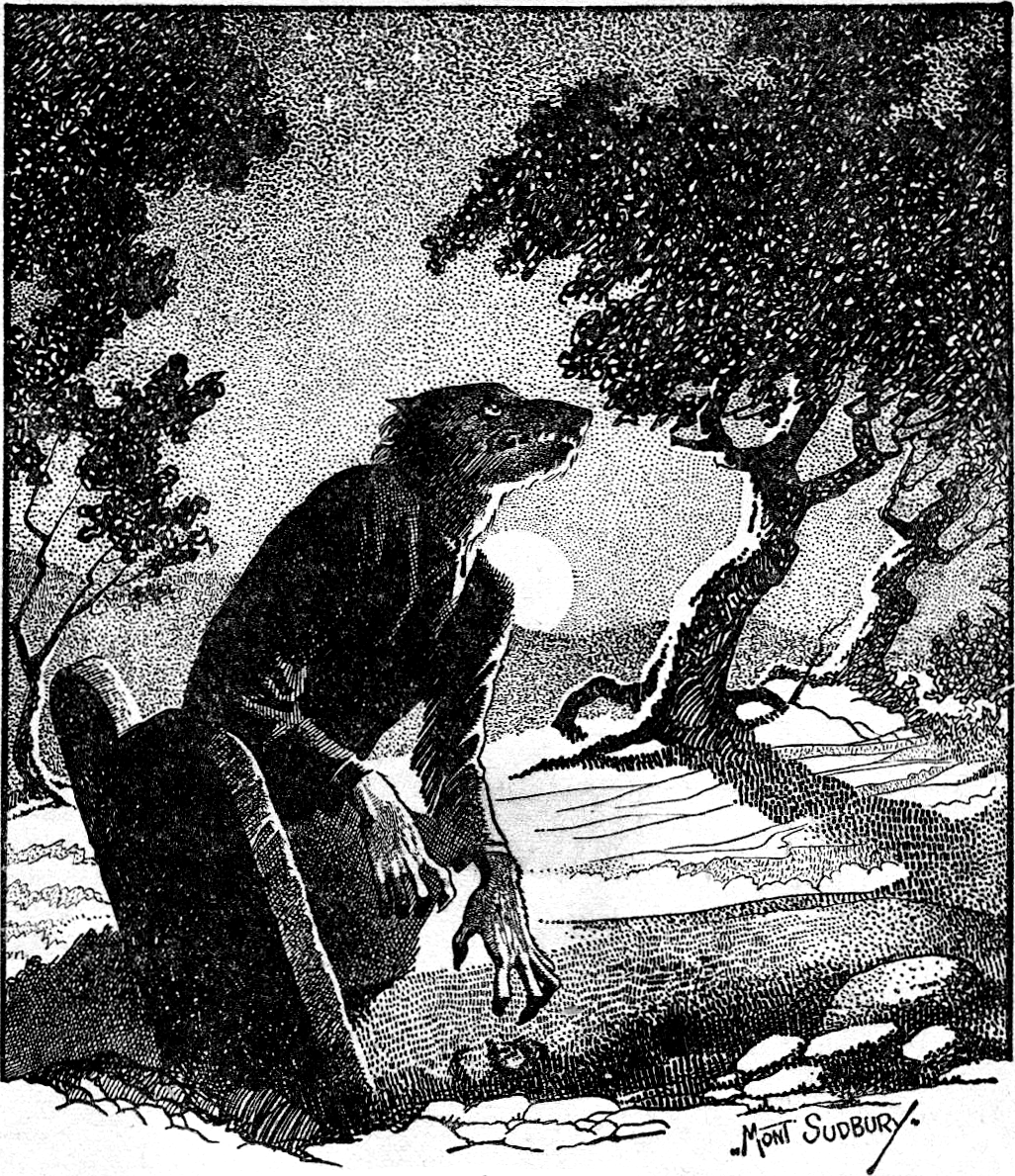 🇫🇷 France and 5 moreWerewolf
A mythical shapeshifter that turns into a wolf, central to European witch-hunts and Gothic horror.Being · Cursing and harm · Wonder and entertainment Legendary
🇫🇷 France and 5 moreWerewolf
A mythical shapeshifter that turns into a wolf, central to European witch-hunts and Gothic horror.Being · Cursing and harm · Wonder and entertainment Legendary
 🇮🇩 IndonesiaRangdaᬭᬗ᭄ᬤ
A Balinese demon queen who leads witches in an eternal battle against good.Figure · Cursing and harm · Wonder and entertainment Legendary
🇮🇩 IndonesiaRangdaᬭᬗ᭄ᬤ
A Balinese demon queen who leads witches in an eternal battle against good.Figure · Cursing and harm · Wonder and entertainment Legendary
 🇯🇵 JapanKitsuneきつね
A Japanese fox spirit known for shapeshifting and trickeryBeing · Cursing and harm · Protection Legendary
🇯🇵 JapanKitsuneきつね
A Japanese fox spirit known for shapeshifting and trickeryBeing · Cursing and harm · Protection Legendary
 🇯🇵 JapanKappa河童
A river-dwelling yōkai known for its head dish and love of cucumbersBeing · Cursing and harm · Wonder and entertainment Legendary
🇯🇵 JapanKappa河童
A river-dwelling yōkai known for its head dish and love of cucumbersBeing · Cursing and harm · Wonder and entertainment Legendary