Scholars and sceptics
Anthropologists, historians and investigators who study magic and test its claims.
Scholars and sceptics are the people who study magic from outside the practice: anthropologists, historians, folklorists, psychologists, scholars of religion and investigators who test claims. They have names such as E. E. Evans-Pritchard, Marcel Mauss, Bronislaw Malinowski, Mary Douglas, Keith Thomas and Carlo Ginzburg, and also investigators such as James Randi. This page covers what they have found, how they disagree, and what their work has cost and changed. Their work has changed how the whole subject is understood.
Early theories
Nineteenth-century writers such as James Frazer treated magic as a mistaken early science, a view now widely rejected as arrogant and inaccurate. Later anthropologists, including Evans-Pritchard in his 1937 study of the Azande, showed that magical belief can be a consistent way of reasoning about misfortune. Mauss and Malinowski stressed its social role. Fieldwork, archives, laboratory studies and surveys are their main methods, and each field has its own debates and schools.
The history of witch trials
Historians have revised their view of the witch trials. Keith Thomas and Alan Macfarlane studied English village accusations, Carlo Ginzburg found the benandanti in Friuli, and Ronald Hutton has argued about the numbers and causes, and Silvia Federici links the persecution to the rise of capitalism, a thesis historians dispute. The older figure of nine million victims has been dropped, and estimates now run to tens of thousands of executions.
Testing claims
Sceptics test whether claims hold up. James Randi offered a prize for evidence of paranormal power that was never won, and organisations such as the Committee for Skeptical Inquiry investigate fraud. Researchers study why people believe: pattern-seeking, uncertainty and the wish to control events. The best sceptics aim to understand people, not to mock them. Sceptics hold that claims should be tested, and they have a long record of exposing cases such as spirit photography and fake healers.
Ethics of study
Scholars were often colonial officials or missionaries, and their reports shaped how Indigenous religions were named. Contemporary researchers work with communities, ask consent and respect closed knowledge. Practitioners sometimes object to being explained, and sceptics sometimes to being called closed-minded. The conversation continues, and this guide aims to stay neutral on whether magic works. Their critics reply that science cannot measure everything that matters to a community, and that explaining a ritual away is not the same as understanding it.
Scholars and sceptics on EveryJaadu
The entries written up so far, best known first.
 🇨🇳 China and 3 moreChinese dragon龍
A legendary water deity and imperial symbol in East Asian cultureBeing · Protection · Luck and prosperity Historical
🇨🇳 China and 3 moreChinese dragon龍
A legendary water deity and imperial symbol in East Asian cultureBeing · Protection · Luck and prosperity Historical
 🇪🇬 Egypt and 1 moreEye of Horuswḏꜣt
A stylized eye symbol in ancient Egypt representing healing and cosmic orderCharm · Protection · Healing Historical
🇪🇬 Egypt and 1 moreEye of Horuswḏꜣt
A stylized eye symbol in ancient Egypt representing healing and cosmic orderCharm · Protection · Healing Historical
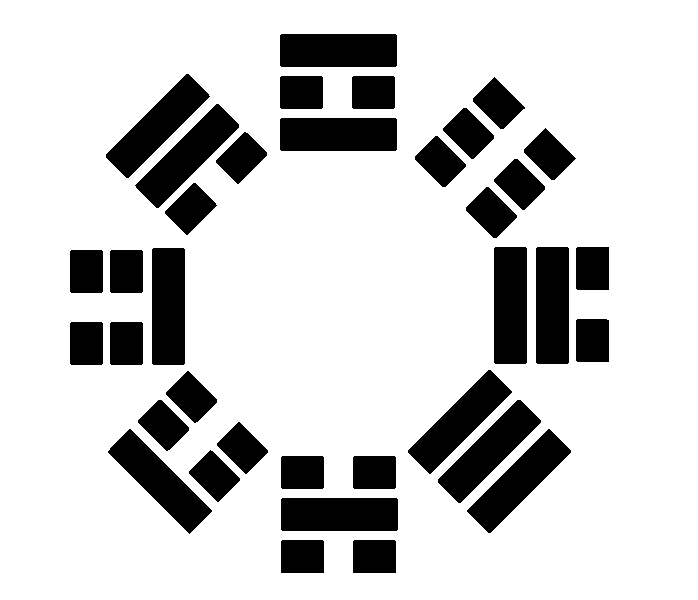 🇨🇳 China and 1 moreBagua八卦
A set of eight trigram symbols from China used in divination, cosmology, and feng shui.Tradition · Seeing and foretelling · Protection Living
🇨🇳 China and 1 moreBagua八卦
A set of eight trigram symbols from China used in divination, cosmology, and feng shui.Tradition · Seeing and foretelling · Protection Living
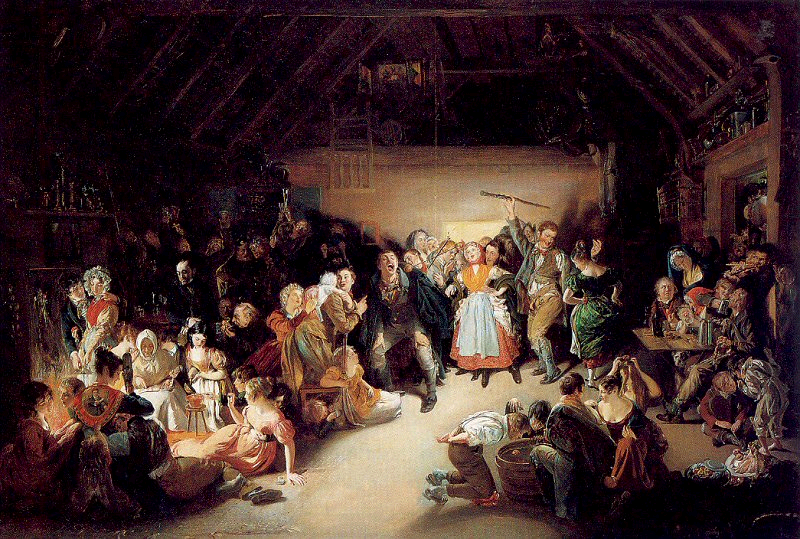 🇮🇪 Ireland and 1 moreSamhain
A Gaelic festival marking the end of harvest and the start of winter, observed on November 1st.Tradition · Protection · Speaking with spirits and the dead Living
🇮🇪 Ireland and 1 moreSamhain
A Gaelic festival marking the end of harvest and the start of winter, observed on November 1st.Tradition · Protection · Speaking with spirits and the dead Living
 🇨🇱 ChileMoaimoꞌai
Monolithic ancestor statues of Rapa Nui, carved from volcanic stone between the fifteenth and sixteenth centuries.Being · Power and authority · Protection Historical
🇨🇱 ChileMoaimoꞌai
Monolithic ancestor statues of Rapa Nui, carved from volcanic stone between the fifteenth and sixteenth centuries.Being · Power and authority · Protection Historical
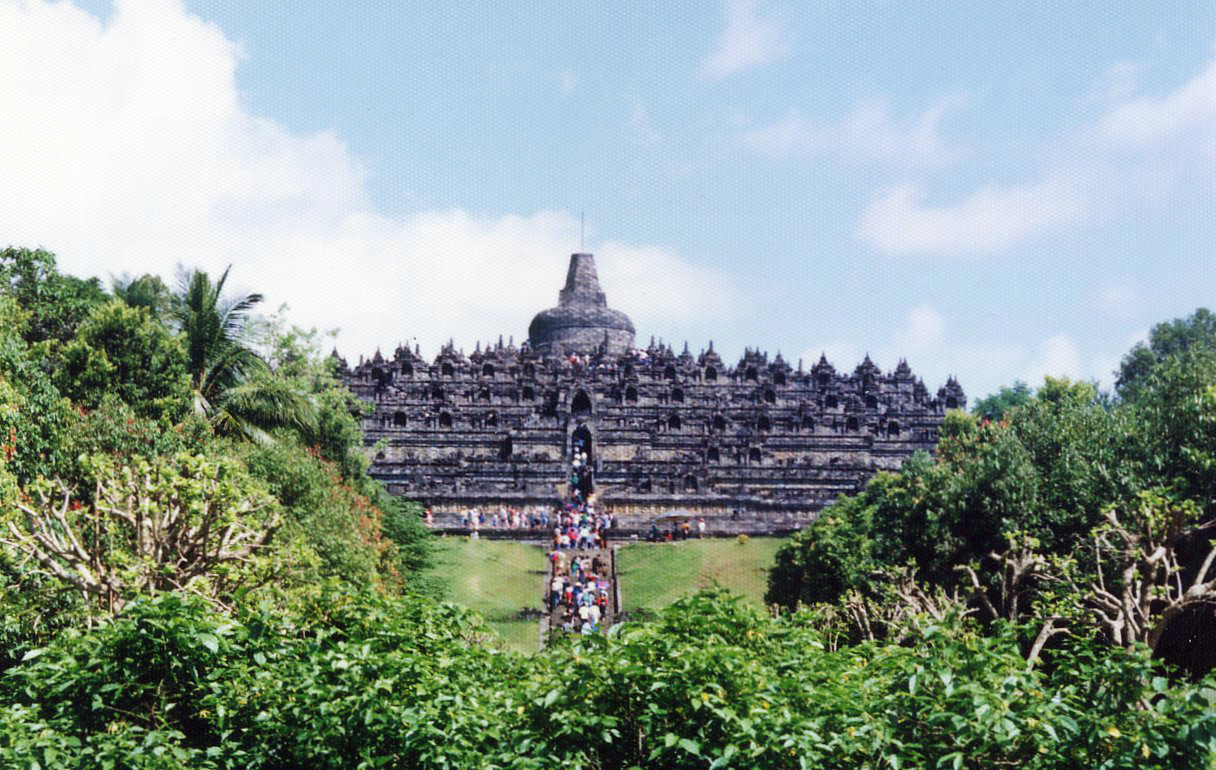 🇮🇩 Indonesia and 4 moreKejawènꦏꦗꦮꦺꦤ꧀ (Kajawèn)
A Javanese tradition blending animism, Hinduism, Buddhism and Islam into a path of inner harmony.Tradition · Protection · Speaking with spirits and the dead Living
🇮🇩 Indonesia and 4 moreKejawènꦏꦗꦮꦺꦤ꧀ (Kajawèn)
A Javanese tradition blending animism, Hinduism, Buddhism and Islam into a path of inner harmony.Tradition · Protection · Speaking with spirits and the dead Living
 🇸🇪 Sweden and 2 moreMjölnirMjǫllnir
The hammer of the Norse thunder god Thor, used as a weapon and for blessingsBeing · Cursing and harm · Protection Historical
🇳🇿 New ZealandTohunga Suppression Act 1907
A New Zealand law banning traditional Māori healers and faith practitionersText · Cursing and harm · Protection Historical
🇸🇪 Sweden and 2 moreMjölnirMjǫllnir
The hammer of the Norse thunder god Thor, used as a weapon and for blessingsBeing · Cursing and harm · Protection Historical
🇳🇿 New ZealandTohunga Suppression Act 1907
A New Zealand law banning traditional Māori healers and faith practitionersText · Cursing and harm · Protection Historical
 🇫🇷 France and 1 moreDruiddruides
A learned priestly class of the ancient Celts in Gaul and BritainTradition · Cursing and harm · Protection Historical
🇫🇷 France and 1 moreDruiddruides
A learned priestly class of the ancient Celts in Gaul and BritainTradition · Cursing and harm · Protection Historical
 🇪🇬 EgyptAnubis𓇋𓈖𓊪𓃣
The jackal-headed god who guides souls and oversees mummification in ancient Egypt.Being · Protection · Speaking with spirits and the dead Historical
🇪🇬 EgyptAnubis𓇋𓈖𓊪𓃣
The jackal-headed god who guides souls and oversees mummification in ancient Egypt.Being · Protection · Speaking with spirits and the dead Historical
 🇳🇿 New Zealand and 5 moreFace tattoo
Marks inked on the face for spiritual protection, identity, rank, and rite of passageTradition · Protection · Power and authority Living
🇳🇿 New Zealand and 5 moreFace tattoo
Marks inked on the face for spiritual protection, identity, rank, and rite of passageTradition · Protection · Power and authority Living
 🇪🇬 Egypt and 1 moreShen ring
An ancient Egyptian symbol of eternal protection, shaped like a rope looped around a stick.Charm · Protection Historical
🇪🇬 Egypt and 1 moreShen ring
An ancient Egyptian symbol of eternal protection, shaped like a rope looped around a stick.Charm · Protection Historical
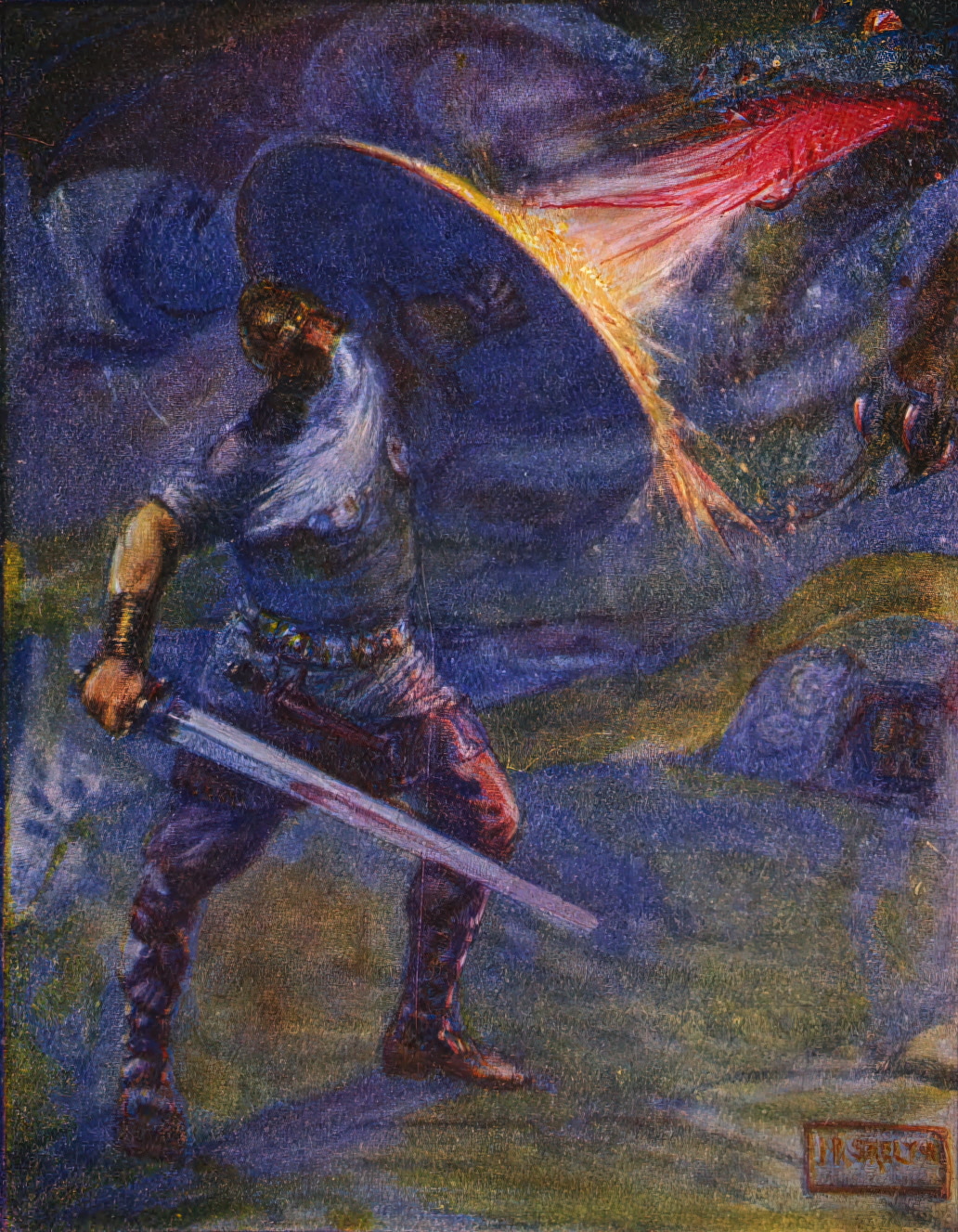 🇬🇧 United KingdomEnglish folklore
The myths, legends, and customs of England passed down through generations.Tradition · Protection · Cursing and harm Living
🇬🇧 United KingdomEnglish folklore
The myths, legends, and customs of England passed down through generations.Tradition · Protection · Cursing and harm Living
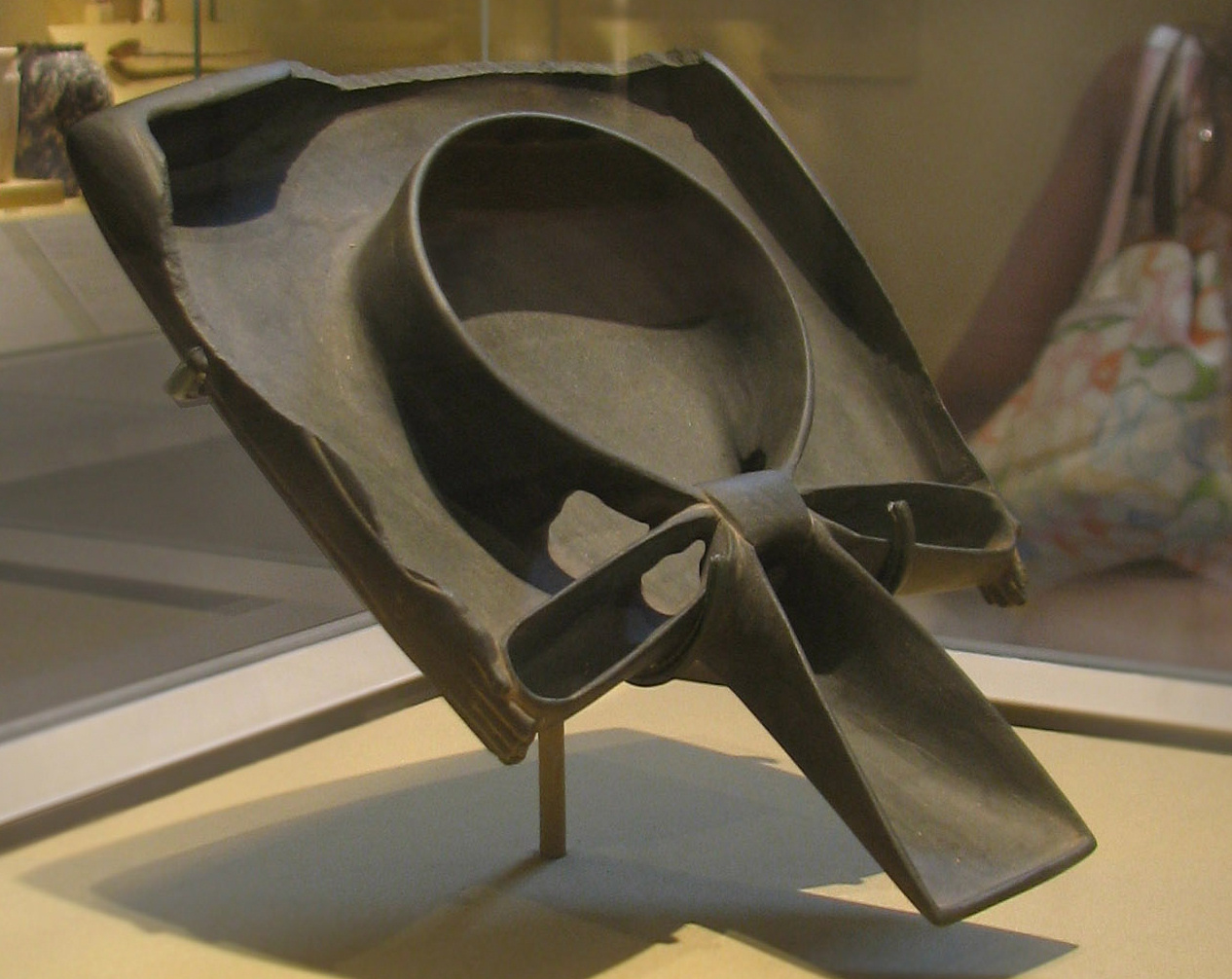 🇪🇬 Egypt and 2 moreAnkh
Ancient Egyptian hieroglyph for life and the amulet that carries its meaningCharm · Protection · Power and authority Historical
🇪🇬 Egypt and 2 moreAnkh
Ancient Egyptian hieroglyph for life and the amulet that carries its meaningCharm · Protection · Power and authority Historical
 🇸🇳 Senegal and 5 morePentagramπεντάγραμμον
A five-pointed star figure used across history for protection, ritual, and cosmologyCharm · Protection · Binding and oaths Living
🇸🇳 Senegal and 5 morePentagramπεντάγραμμον
A five-pointed star figure used across history for protection, ritual, and cosmologyCharm · Protection · Binding and oaths Living
 🇯🇵 JapanEn no Gyōja役小角
A legendary Japanese ascetic and founder of Shugendō mountain practiceFigure · Power and authority · Protection Historical
🇯🇵 JapanEn no Gyōja役小角
A legendary Japanese ascetic and founder of Shugendō mountain practiceFigure · Power and authority · Protection Historical
 🇪🇪 Estonia and 1 moreEstonian mythologyeesti mütoloogia
The pre-Christian beliefs and legends of the Estonian peopleTradition · Protection · Speaking with spirits and the dead Historical
🇯🇵 Japan and 1 moreKuji-in九字印
A system of nine syllables and hand gestures used for protection and spiritual alignment in Japanese esoteric traditionsRite · Protection · Speaking with spirits and the dead Historical
🇪🇪 Estonia and 1 moreEstonian mythologyeesti mütoloogia
The pre-Christian beliefs and legends of the Estonian peopleTradition · Protection · Speaking with spirits and the dead Historical
🇯🇵 Japan and 1 moreKuji-in九字印
A system of nine syllables and hand gestures used for protection and spiritual alignment in Japanese esoteric traditionsRite · Protection · Speaking with spirits and the dead Historical
 🇫🇮 Finland and 1 moreFinnish mythology
The pre-Christian folklore and cosmology of the Finns and KareliansTradition · Speaking with spirits and the dead · Protection Revived
🇸🇪 Sweden and 3 moreRunic magic
The use of ancient Germanic letters for spells, divination, and protectionTradition · Protection · Seeing and foretelling Living
🇫🇮 Finland and 1 moreFinnish mythology
The pre-Christian folklore and cosmology of the Finns and KareliansTradition · Speaking with spirits and the dead · Protection Revived
🇸🇪 Sweden and 3 moreRunic magic
The use of ancient Germanic letters for spells, divination, and protectionTradition · Protection · Seeing and foretelling Living
 🇨🇳 China and 1 moreTaoist coin charm道教品壓生錢
Chinese and Vietnamese numismatic charms used for protection and feng shuiCharm · Protection · Cursing and harm Historical
🇺🇦 Ukraine and 1 moreStrichaСтріча
A Slavic goddess who spins the golden thread of human destiny and good fortuneBeing · Luck and prosperity · Protection Historical
🇨🇳 China and 1 moreTaoist coin charm道教品壓生錢
Chinese and Vietnamese numismatic charms used for protection and feng shuiCharm · Protection · Cursing and harm Historical
🇺🇦 Ukraine and 1 moreStrichaСтріча
A Slavic goddess who spins the golden thread of human destiny and good fortuneBeing · Luck and prosperity · Protection Historical
 🇬🇷 Greece and 4 moreTutelary deity
A guardian spirit or god assigned to protect a specific place, person, or group.Being · Protection Living
🇬🇷 Greece and 4 moreTutelary deity
A guardian spirit or god assigned to protect a specific place, person, or group.Being · Protection Living
 🇯🇵 Japan and 4 moreHousehold deity
A spirit or minor god believed to guard a home and its family members.Being · Protection · Speaking with spirits and the dead Historical
🇯🇵 Japan and 4 moreHousehold deity
A spirit or minor god believed to guard a home and its family members.Being · Protection · Speaking with spirits and the dead Historical
 🇷🇸 Serbia and 5 moreWolves in folklore, religion and mythology
A global survey of how cultures view the wolf as symbol, spirit or threatBelief · Power and authority · Cursing and harm Historical
🇷🇸 Serbia and 5 moreWolves in folklore, religion and mythology
A global survey of how cultures view the wolf as symbol, spirit or threatBelief · Power and authority · Cursing and harm Historical
 🇱🇹 Lithuania and 2 moreLaumaLaumė
A Baltic fairy-like spirit of the sky, weather, and newborn children.Being · Protection · Healing Historical
🇰🇬 Kyrgyzstan and 2 moreAyaz AtaАяз Ата
A Turkic winter spirit who brings snow and gifts during the cold seasonBeing · Luck and prosperity · Protection Living
🇫🇮 Finland and 2 moreHaltija
A supernatural guardian of a specific place or animal species in Finnish and Baltic Finnic mythologyBeing · Protection · Speaking with spirits and the dead Historical
🇱🇹 Lithuania and 2 moreLaumaLaumė
A Baltic fairy-like spirit of the sky, weather, and newborn children.Being · Protection · Healing Historical
🇰🇬 Kyrgyzstan and 2 moreAyaz AtaАяз Ата
A Turkic winter spirit who brings snow and gifts during the cold seasonBeing · Luck and prosperity · Protection Living
🇫🇮 Finland and 2 moreHaltija
A supernatural guardian of a specific place or animal species in Finnish and Baltic Finnic mythologyBeing · Protection · Speaking with spirits and the dead Historical
 🇸🇪 SwedenSaleby Runestone
A Swedish memorial stone raised by a husband for his wife, featuring an ancient curse.Text · Protection Historical
🇸🇪 SwedenSaleby Runestone
A Swedish memorial stone raised by a husband for his wife, featuring an ancient curse.Text · Protection Historical
 🇮🇳 India and 5 moreLock of hair
A piece of human hair kept for symbolic, sentimental, or superstitious reasons.Substance · Protection · Luck and prosperity Living
🇮🇳 India and 5 moreLock of hair
A piece of human hair kept for symbolic, sentimental, or superstitious reasons.Substance · Protection · Luck and prosperity Living
 🇬🇷 GreeceDaimonδαίμων
A Greek spirit or divine force that mediates between gods and humansBeing · Protection · Speaking with spirits and the dead Historical
🇦🇷 ArgentinaLegendary creatures of the Argentine Northwest region
Myths and spirits from the Andean highlands of ArgentinaBeing · Protection · Cursing and harm Historical
🇸🇩 SudanWitchcraft, Oracles and Magic Among the Azande
A foundational anthropological study of Azande witchcraft, oracles, and magic in southern Sudan.Text · Cursing and harm · Seeing and foretelling Historical
🇬🇷 GreeceDaimonδαίμων
A Greek spirit or divine force that mediates between gods and humansBeing · Protection · Speaking with spirits and the dead Historical
🇦🇷 ArgentinaLegendary creatures of the Argentine Northwest region
Myths and spirits from the Andean highlands of ArgentinaBeing · Protection · Cursing and harm Historical
🇸🇩 SudanWitchcraft, Oracles and Magic Among the Azande
A foundational anthropological study of Azande witchcraft, oracles, and magic in southern Sudan.Text · Cursing and harm · Seeing and foretelling Historical
 🇨🇦 CanadaMistapewmistâpêw (ᒥᐢᑖᐤ)
A spirit-being of the Cree peoples, known as the Great Man or Bigfoot.Being · Protection · Healing Living
🇬🇧 United KingdomNine sorceressesnaw chwaer
A group of nine magical women in Welsh and Arthurian legendFigure · Cursing and harm · Protection Historical
🇮🇶 Iraq and 3 moreMandaic lead rolls
Lead sheets inscribed with Mandaic incantations, rolled and worn as protective talismans by Mandaeans.Charm · Protection Historical
🇨🇦 CanadaMistapewmistâpêw (ᒥᐢᑖᐤ)
A spirit-being of the Cree peoples, known as the Great Man or Bigfoot.Being · Protection · Healing Living
🇬🇧 United KingdomNine sorceressesnaw chwaer
A group of nine magical women in Welsh and Arthurian legendFigure · Cursing and harm · Protection Historical
🇮🇶 Iraq and 3 moreMandaic lead rolls
Lead sheets inscribed with Mandaic incantations, rolled and worn as protective talismans by Mandaeans.Charm · Protection Historical
 🇷🇺 Russia and 5 moreVelesВелес
A Slavic chthonic deity of cattle, the underworld, and oathsBeing · Protection · Luck and prosperity Historical
🇷🇺 Russia and 5 moreVelesВелес
A Slavic chthonic deity of cattle, the underworld, and oathsBeing · Protection · Luck and prosperity Historical
Photo credits on this page
The small pictures above come from Wikimedia Commons under free licences. Some are cropped to fit.
- Mistapew: Alarichall, CC0, source
- Sunda Wiwitan: Greenland4, Public domain, source
- Bagua: TarcísioTS at Portuguese Wikipedia, Public domain, source
- Samhain: Daniel Maclise, Public domain, source
- Brownie: Unknown author, CC BY-SA 2.5, source
- English folklore: J. R. Skelton, Public domain, source
- Ankh: Soutekh67, CC BY-SA 4.0, source
- Pentagram: Tomruen, Attribution, source
- En no Gyōja: Wmpearl, CC0, source
- Estonian mythology: Jeannette Berkowitz (illustrator), Public domain, source
- Finnish mythology: Väinö Blomstedt, Public domain, source
- Taoist coin charm: Etnografiska Museet, CC BY 2.5, source
- Wolves in folklore, religion and mythology: Unknown author, CC0, source
- Mjölnir: Mårten Eskil Winge, Public domain, source
- Druid: Bernard de Montfaucon, Public domain, source
- Anubis: Hunefer, Public domain, source
- Daimon: François-André Vincent, Public domain, source
- Face tattoo: Gottfried Lindauer, Public domain, source
- Lock of hair: Unknown author, CC0, source
- Saleby Runestone: Berig, CC BY-SA 3.0, source
- Shen ring: Rama, CC BY-SA 3.0 fr, source
- Moai: Rivi, CC BY-SA 3.0, source
- Chinese dragon: Unknown author, CC0, source
- Lauma: Raki_Man, CC BY 3.0, source
- Eye of Horus: Tangopaso, Public domain, source
- Household deity: Claus Ableiter, CC BY-SA 3.0, source
- Veles: Andrey Shishkin, CC BY 3.0, source