Nine sorceresses
In its own language: naw chwaer
from Welsh naw chwaer, meaning nine sisters
A group of nine magical women in Welsh and Arthurian legend
The nine sorceresses are a recurring motif in Celtic and Arthurian literature, appearing as priestesses, healers, or malevolent enchantresses. They appear in texts such as the Mabinogion and Geoffrey of Monmouth's works, often linked to the figure of Morgan le Fay.
- Nine sorceresses appear in Welsh Arthurian legend
- Geoffrey of Monmouth links them to Avalon
- Peredur defeats the witches of Caer Lloyw
- Motif may stem from Celtic priestess traditions
- Names include Morgen, Moronoe, and Mazoe
What it is
The nine sorceresses represent a cluster of supernatural women in medieval Welsh and Arthurian tales. They appear in various forms, from benevolent healers on Avalon to destructive witches in Caer Lloyw. The motif likely stems from older Celtic traditions involving groups of female spirits or priestesses associated with the Otherworld. Their roles shift between protecting heroes and serving as antagonists that must be defeated.
Where it comes from
The theme appears in early Welsh poetry like Preiddeu Annwfn, where nine priestesses guard a magic cauldron. It also surfaces in Pa gur, mentioning nine witches slain by Cai. Geoffrey of Monmouth later adapted the idea into the nine sisters of Avalon, possibly influenced by Roman accounts of priestesses on the island of Sein. Scholars suggest these stories echo the suppression of pagan cults by early Christians.
How it is done
In narrative terms, the sorceresses use magic to heal, shapeshift, or curse. In Peredur, they teach combat skills but ultimately engage in warfare. Heroes confront them through battle or negotiation. Peredur spares some initially but eventually leads an attack to destroy them, breaking their spells and ending their threat to the land.
Tools and materials
They are associated with a magic cauldron, which guards or destroys life. They wear black clothing and wield weapons. Some versions describe them breathing fire or flying through forests. Their powers include healing wounds, casting curses, and controlling weather or terrain.
Nine sorceresses, drawn and placed
- Living
- Revived
- Fading
- Historical
- Legendary
- Performed
- Lineage
- Arthurian legend
What it is for
Their purposes vary by text. In Avalon, they heal the dying Arthur. In Caer Lloyw, they terrorize Britain and curse kings. In Annwfn, they guard a sacred object. They serve as tests for heroes, representing challenges that must be overcome to restore order or gain knowledge.
Who does it
The figures themselves are depicted as powerful women, often priestesses or queens. In hagiography, they are portrayed as wicked witches opposed by saints. In romance, they act as mentors or enemies. Modern scholars analyze them as literary devices reflecting cultural shifts from pagan to Christian values.
Peoples and places
The motif is central to Welsh literature, particularly the Mabinogion. It connects to broader Celtic mythology and Arthurian legend across Britain. Variations appear in Breton hagiography and Roman geographical accounts. The number nine holds significance in Celtic culture, often symbolizing completeness or otherworldly power.
At a glance: who, where and when
What people believe
The sorceresses embody forces of nature and the unknown. They are linked to the Celtic Otherworld, a realm of magic and immortality. Their existence reflects beliefs in female spiritual power and the danger of uncontrolled magic. Christian texts reinterpret them as demons or heretics to justify conversion.
When it is done
Their appearances are tied to narrative events, such as battles or quests, rather than seasonal or religious cycles.
How scholars and sceptics see it
Researchers view the nine sorceresses as echoes of ancient Celtic priestesshoods. Some see them as symbols of resistance against Christianization. Others note parallels with Greek myths like Circe or the Muses. The motif’s persistence suggests a deep-rooted archetype of female magical authority in European folklore.
Cautions and what is closed
The texts depict the sorceresses as dangerous, capable of cursing and killing. Their defeat often involves violence. No modern practices are associated with them. The stories serve as cautionary tales about the consequences of opposing divine or heroic will.
Compare and confuse
The nine sorceresses resemble the nine muses of Greek myth and the nine mothers of Heimdallr in Norse lore. They differ from Morgan le Fay alone by being a collective. Their role as healers contrasts with their depiction as witches, showing the duality of female magic in medieval thought.
Questions people ask about Nine sorceresses
Who are the nine sorceresses?
They are a group of nine magical women in Welsh and Arthurian legends, appearing as healers, priestesses, or witches depending on the story.
Where do they come from?
The motif originates in early Welsh poetry and Celtic mythology, later adapted into Arthurian tales by authors like Geoffrey of Monmouth.
What do they do?
They heal the dying, guard magic objects, curse enemies, or teach heroes combat skills, serving as both allies and antagonists in the narratives.
Are they related to Morgan le Fay?
Yes, in some texts, the eldest sister Morgen evolves into Morgan le Fay, linking the group to Arthur’s famous half-sister.
Good reading and sources
The facts on this page come from the Wikipedia article "Nine sorceresses", written by its contributors and used under the CC BY-SA 4.0 licence, and from its Wikidata record (CC0). EveryJaadu rewrote the text in its own words, with AI assistance, and compares every page with the article to make sure no passage is copied. It may be reused under the same CC BY-SA 4.0 licence with a link back.
It may contain mistakes. Names and customs differ from one community to the next, and some knowledge is closed to outsiders and left out here. This page describes belief and practice. It does not say that any of it works, it is not a how-to, and it is not medical advice. If something is wrong, tell us. Last refreshed 2026-10-07.
More from the United Kingdom
All the entries from the United Kingdom 🇬🇧 United Kingdom and 2 moreKing ArthurBrenin Arthur
A legendary British king and folk hero of medieval literature and Welsh mythologyFigure · Power and authority · Wonder and entertainment Legendary
🇬🇧 United Kingdom and 2 moreKing ArthurBrenin Arthur
A legendary British king and folk hero of medieval literature and Welsh mythologyFigure · Power and authority · Wonder and entertainment Legendary
 🇬🇧 United KingdomMatthew Hopkins
The English witch-hunter who led the deadliest wave of executions in Britain.Figure · Cursing and harm Historical
🇬🇧 United KingdomMatthew Hopkins
The English witch-hunter who led the deadliest wave of executions in Britain.Figure · Cursing and harm Historical
 🇬🇧 United Kingdom and 2 moreExcalibur
The mythical sword of King Arthur, symbolizing rightful sovereignty and magical power.Figure · Power and authority Legendary
🇬🇧 United Kingdom and 1 moreSamuel Liddell MacGregor Mathers
British occultist and co-founder of the Hermetic Order of the Golden DawnFigure Historical
🇬🇧 United Kingdom and 2 moreExcalibur
The mythical sword of King Arthur, symbolizing rightful sovereignty and magical power.Figure · Power and authority Legendary
🇬🇧 United Kingdom and 1 moreSamuel Liddell MacGregor Mathers
British occultist and co-founder of the Hermetic Order of the Golden DawnFigure Historical
Related elsewhere
All figure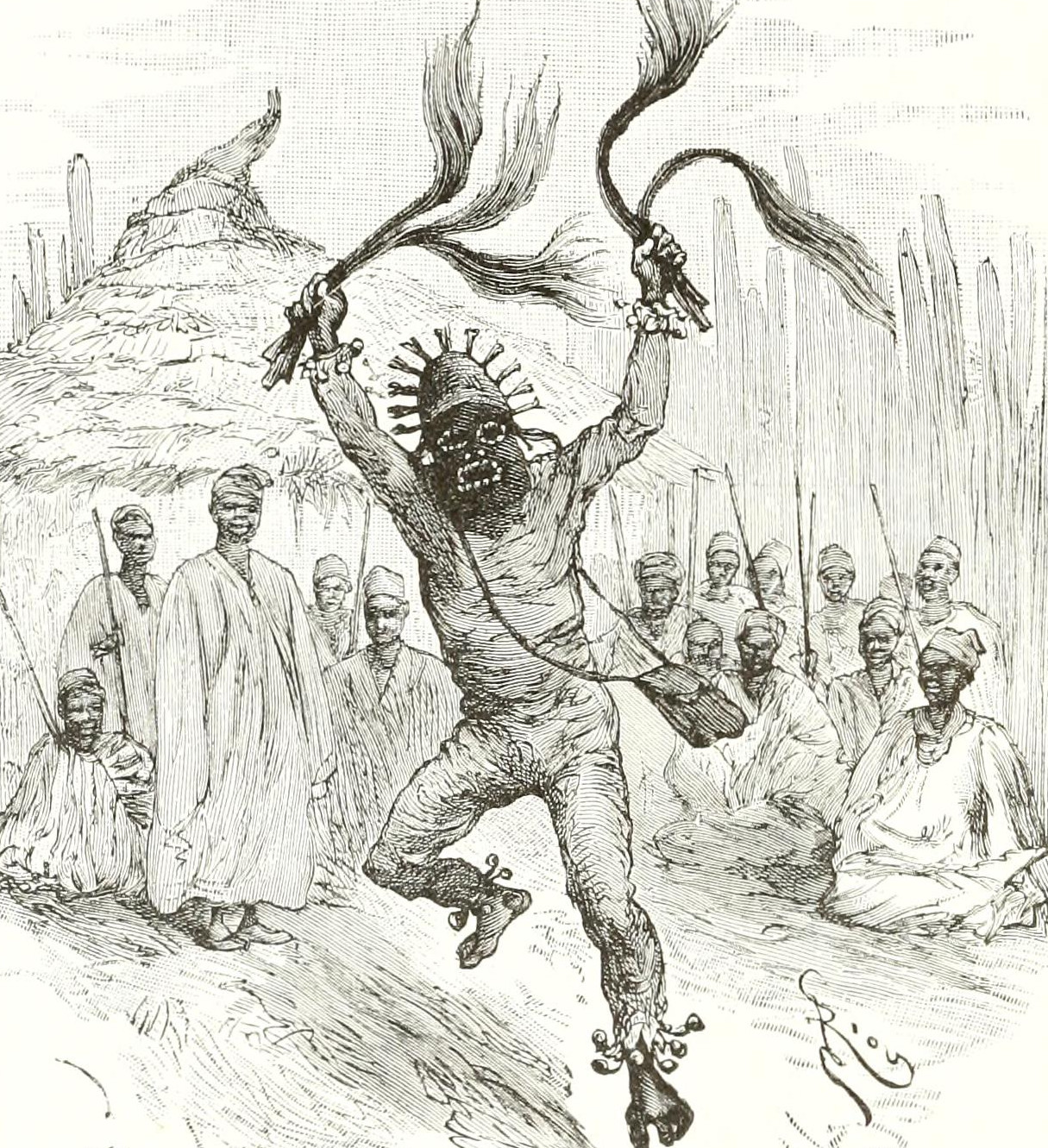 🇺🇸 United States and 2 moreLouisiana Voodoo
An African diasporic religion practiced in Louisiana from the 18th to early 20th centuriesTradition · Healing · Protection Historical
🇺🇸 United States and 2 moreLouisiana Voodoo
An African diasporic religion practiced in Louisiana from the 18th to early 20th centuriesTradition · Healing · Protection Historical
 🇨🇬 Republic of the CongoNkisi
Spirit containers and power figures from the Congo Basin used for justice and healingCharm · Protection · Healing Living
🇨🇬 Republic of the CongoNkisi
Spirit containers and power figures from the Congo Basin used for justice and healingCharm · Protection · Healing Living
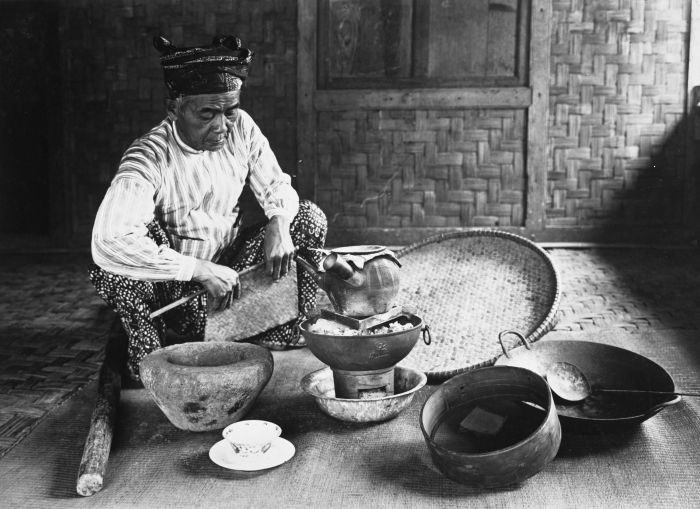 🇮🇩 Indonesia and 2 moreDukun
A traditional healer and spirit medium in Indonesian folk practiceTradition · Healing · Seeing and foretelling Living
🇮🇩 Indonesia and 2 moreDukun
A traditional healer and spirit medium in Indonesian folk practiceTradition · Healing · Seeing and foretelling Living
 🇿🇦 South AfricaSympathetic magic
A magical principle based on imitation and contact to influence the worldTradition · Protection · Healing Historical
🇿🇦 South AfricaSympathetic magic
A magical principle based on imitation and contact to influence the worldTradition · Protection · Healing Historical