Witchcraft, Oracles and Magic Among the Azande
A foundational anthropological study of Azande witchcraft, oracles, and magic in southern Sudan.
E. E. Evans-Pritchard published this 1937 ethnography examining the witchcraft beliefs of the Azande people in southern Sudan. The text analyzes how these beliefs function as a social safety valve and a rational explanation for misfortune within their society.
- Published in 1937 by E. E. Evans-Pritchard.
- Examines witchcraft beliefs of the Azande people in Sudan.
- Describes the poison oracle as a key divinatory tool.
- Analyzes witchcraft as a social safety valve for conflict.
- Critiqued by Peter Winch for reducing beliefs to social functions.
What it is
Witchcraft, Oracles and Magic Among the Azande is a seminal work in social anthropology by E. E. Evans-Pritchard. Published in 1937, the book provides a detailed examination of the witchcraft beliefs held by the Azande, an agricultural group living in southern Sudan along the upper Nile. It stands as one of the most noted texts in its field, offering insights into how these communities understand supernatural forces and social order.
Where it comes from
The monograph was published by The Clarendon Press in Oxford. It represents a significant development of Evans-Pritchard's earlier research, specifically building upon his 1928 article titled 'Oracle-magic of the Azande' which appeared in Sudan Notes and Records. The work synthesizes his observations into a comprehensive study of Zande spiritual life and social structures.
How it is done
The text outlines various aspects of Zande practice, including the nature of witchcraft as an organic and hereditary phenomenon. It details the use of the poison oracle in daily life and other divination methods. The book also covers the training of novice witch-doctors and the structure of associations for the practice of magic, providing a structured view of their rituals and beliefs.
Tools and materials
Central to the Azande system described is the poison oracle, used for decision-making and verification. The text also references magic and medicines used by the community. Witch-doctors utilize specific arts and training to navigate these practices, serving as intermediaries within the society and employing these tools to address communal concerns.
Witchcraft, Oracles and Magic Among the Azande, drawn and placed
- Living
- Revived
- Fading
- Historical
- Legendary
- Performed
- Lineage
- social anthropology
What it is for
Evans-Pritchard argues that witchcraft serves as a safety valve, releasing potential harmful conflicts into less damaging activities within the community. Additionally, these beliefs offer a rational way to explain a complex world and account for misfortune using the society's own terms of reference, creating a consistent logical framework for understanding events.
Who does it
The book describes the role of witch-doctors in Zande society, including the training required for novices entering the art. These specialists hold a distinct place within the community. The work itself is the product of a scholar who analyzed these roles from an anthropological perspective, noting the logical consistency of the practitioners' worldview and their impact on social harmony.
Peoples and places
The subject of the study is the Azande, also referred to as the Zande, who are identified as an agricultural people residing in southern Sudan on the upper Nile. The text focuses exclusively on their cultural and spiritual systems, highlighting how their beliefs function within their specific social environment and address their collective needs.
At a glance: who, where and when
Who does it
Belief worlds
What people believe
According to the text, witchcraft is viewed as an organic and hereditary trait. The belief system posits that witches can be conscious agents responsible for misfortune. Scholars note that the Azande developed a belief system that stabilizes and harmonizes social order while remaining logically consistent based on their own presuppositions, allowing them to make sense of their experiences.
How scholars and sceptics see it
Later scholars have analyzed Evans-Pritchard's approach. Eriksen and Nielsen (2013) highlight how he combined different perspectives to show the rationality of Zande thought. Conversely, Peter Winch (1958) criticized the work for a structural-functionalist approach, arguing that it reduced Azande witchcraft beliefs merely to their social functions rather than exploring their internal logic and meaning.
Questions people ask about Witchcraft, Oracles and Magic Among the Azande
What is the book about?
It is an ethnographic study of the witchcraft, oracles, and magic practiced by the Azande people of southern Sudan, analyzing how these beliefs explain misfortune and maintain social order.
Who wrote Witchcraft, Oracles and Magic Among the Azande?
The book was written by the social anthropologist E. E. Evans-Pritchard and published in 1937 by The Clarendon Press in Oxford.
How does the book describe witchcraft?
It describes witchcraft as an organic and hereditary phenomenon that acts as a safety valve, releasing harmful conflicts into less damaging activities within the community.
What is the poison oracle?
The poison oracle is a divinatory tool used by the Azande in daily life to verify facts and make decisions, playing a central role in their spiritual and legal practices.
Good reading and sources
The facts on this page come from the Wikipedia article "Witchcraft, Oracles and Magic Among the Azande", written by its contributors and used under the CC BY-SA 4.0 licence, and from its Wikidata record (CC0). EveryJaadu rewrote the text in its own words, with AI assistance, and compares every page with the article to make sure no passage is copied. It may be reused under the same CC BY-SA 4.0 licence with a link back.
It may contain mistakes. Names and customs differ from one community to the next, and some knowledge is closed to outsiders and left out here. This page describes belief and practice. It does not say that any of it works, it is not a how-to, and it is not medical advice. If something is wrong, tell us. Last refreshed 2026-10-06.
More from Sudan
All the entries from Sudan 🇪🇬 Egypt and 5 moreZārزار
A spirit possession tradition and healing ritual in the Horn of Africa and Middle EastTradition · Healing · Speaking with spirits and the dead Living
🇪🇬 Egypt and 5 moreZārزار
A spirit possession tradition and healing ritual in the Horn of Africa and Middle EastTradition · Healing · Speaking with spirits and the dead Living
 🇸🇴 Somalia and 5 moreFrankincense
An aromatic tree resin harvested for incense, perfume, and religious ritualSubstance · Speaking with spirits and the dead · Power and authority Living
🇸🇴 Somalia and 5 moreFrankincense
An aromatic tree resin harvested for incense, perfume, and religious ritualSubstance · Speaking with spirits and the dead · Power and authority Living
 🇪🇹 Ethiopia and 4 moreBudaቡዳ
An Ethiopian and Eritrean belief in the evil eye and hyena transformationBelief · Cursing and harm · Protection Living
🇪🇹 Ethiopia and 4 moreBudaቡዳ
An Ethiopian and Eritrean belief in the evil eye and hyena transformationBelief · Cursing and harm · Protection Living
Related elsewhere
All text 🇨🇳 China and 1 moreScapulimancy
Divination using animal shoulder blades, practiced across Asia and the Americas.Oracle · Seeing and foretelling · Cursing and harm Living
🇨🇳 China and 1 moreScapulimancy
Divination using animal shoulder blades, practiced across Asia and the Americas.Oracle · Seeing and foretelling · Cursing and harm Living
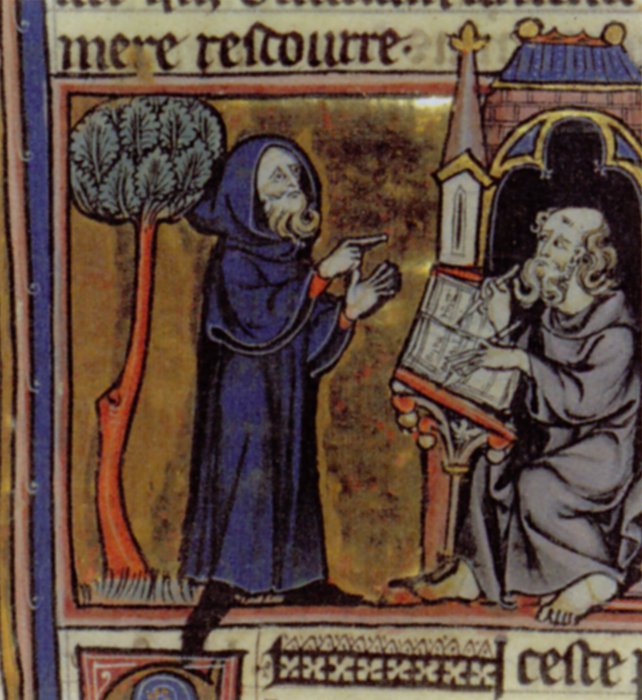 🇮🇹 Italy and 1 moreMedieval European magic
A broad category of ritual and natural practices in the Middle Ages, blending healing, divination, and religious belief.Tradition · Healing · Seeing and foretelling Historical
🇮🇹 Italy and 1 moreMedieval European magic
A broad category of ritual and natural practices in the Middle Ages, blending healing, divination, and religious belief.Tradition · Healing · Seeing and foretelling Historical
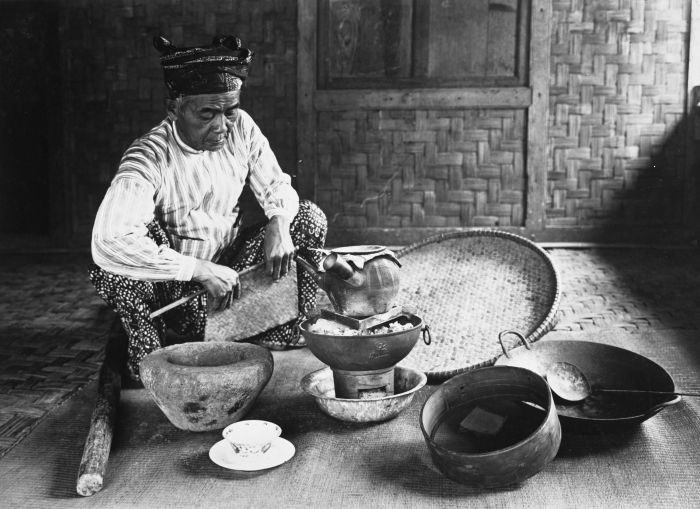 🇮🇩 Indonesia and 2 moreDukun
A traditional healer and spirit medium in Indonesian folk practiceTradition · Healing · Seeing and foretelling Living
🇮🇪 IrelandThe MorríganMórrígan
An Irish goddess of war, fate, and sovereignty who appears as a crow or shape-shifter.Figure · Seeing and foretelling · Cursing and harm Legendary
🇮🇩 Indonesia and 2 moreDukun
A traditional healer and spirit medium in Indonesian folk practiceTradition · Healing · Seeing and foretelling Living
🇮🇪 IrelandThe MorríganMórrígan
An Irish goddess of war, fate, and sovereignty who appears as a crow or shape-shifter.Figure · Seeing and foretelling · Cursing and harm Legendary