Households and ordinary people
Grandmothers, parents and neighbours doing the small things: the knot, the salt, the red thread.
Households and ordinary people do most of the world's magic: the grandmother who ties a thread on a baby's wrist, the neighbour who throws salt, the shopkeeper who hangs a lemon and chillies, the family that burns incense before a photograph. These people are not specialists and often do not call it magic. This page looks at the domestic side of the subject, which is the commonest and least written about.
Everyday customs
Household practice is woven into daily life: sweeping at new year, a bead on a cradle, a horseshoe over a door, a charm in a car. It tends to be practical, brief and handed down within the family. Many people say they do it because their mother did, or to be safe. It rarely needs a priest, a text or a fee. The hands that do it are those of mothers and grandmothers, who also cook, clean and care, so the magic is part of the labour of the home.
Women and the home
Women are the principal keepers of household custom in many societies, as mothers, grandmothers and aunts. Their knowledge covers birth, child care, food, illness, marriage and death. That knowledge is often undervalued by the formal religion and by scholars, and was also the source of accusations in the witch trials, in which women who were midwives or healers were prominent. A household custom is learned by watching and may never be explained, since the practitioner does not see it as special.
Faith and the home
Religious leaders have seen household custom as faith, as superstition or as a nuisance. Reformers in Protestant Europe, Salafi Islam and some Hindu and Buddhist movements have told people to give up such practices. Many people keep them regardless. In the diaspora, the home customs are sometimes the part of heritage that lasts longest, and are carried to new countries in suitcases. In cities, small shrines, protective charms and everyday rituals often survive in apartments, taxis and shops.
Why scholars care
Anthropologists of everyday religion and folklorists record these customs as evidence of how people manage risk. They show how belief and practice differ, since people may say they do not believe and still knock on wood. Household magic is also the easiest to commercialise, in shops selling charms and kits that detach customs from their homes. A new student or visitor may find that families who say they do not believe still follow such customs carefully, and this gap is one of the more interesting findings.
Households and ordinary people on EveryJaadu
The entries written up so far, best known first.
 🇲🇽 Mexico and 2 moreAluxaluxo'ob
A small Maya spirit believed to guard fields and cause mischief if offended.Being · Protection · Luck and prosperity Living
🇲🇽 Mexico and 2 moreAluxaluxo'ob
A small Maya spirit believed to guard fields and cause mischief if offended.Being · Protection · Luck and prosperity Living
 🇸🇳 Senegal and 1 moreSerer religionA ƭat Roog
The traditional faith of the Serer people, centred on the supreme deity Roog and ancestral veneration.Tradition · Protection · Speaking with spirits and the dead Living
🇸🇳 Senegal and 1 moreSerer religionA ƭat Roog
The traditional faith of the Serer people, centred on the supreme deity Roog and ancestral veneration.Tradition · Protection · Speaking with spirits and the dead Living
 🇪🇬 Egypt and 1 moreFoundation deposit
Ritual burial of objects under buildings to protect them from ruinRite · Protection Historical
🇪🇬 Egypt and 1 moreFoundation deposit
Ritual burial of objects under buildings to protect them from ruinRite · Protection Historical
 🇳🇬 Nigeria and 5 moreEleguaÈṣù-Ẹlẹ́gbára
A Yoruba deity of crossroads and messenger who opens all spiritual pathsBeing · Protection · Speaking with spirits and the dead Living
🇳🇬 Nigeria and 5 moreEleguaÈṣù-Ẹlẹ́gbára
A Yoruba deity of crossroads and messenger who opens all spiritual pathsBeing · Protection · Speaking with spirits and the dead Living
 🇳🇬 Nigeria and 1 moreObatalaỌbatalá
The Yoruba king of white cloth who is believed to have created humanity and presides over purity.Being · Protection · Healing Living
🇳🇬 Nigeria and 1 moreObatalaỌbatalá
The Yoruba king of white cloth who is believed to have created humanity and presides over purity.Being · Protection · Healing Living
 🇸🇳 Senegal and 5 morePentagramπεντάγραμμον
A five-pointed star figure used across history for protection, ritual, and cosmologyCharm · Protection · Binding and oaths Living
🇸🇳 Senegal and 5 morePentagramπεντάγραμμον
A five-pointed star figure used across history for protection, ritual, and cosmologyCharm · Protection · Binding and oaths Living
 🇹🇴 Tonga and 5 moreTabootapu
A cultural prohibition that marks something as forbidden or sacredBelief · Protection · Speaking with spirits and the dead Living
🇹🇴 Tonga and 5 moreTabootapu
A cultural prohibition that marks something as forbidden or sacredBelief · Protection · Speaking with spirits and the dead Living
 🇬🇹 GuatemalaMaximónRi Laj Mam
A Maya folk saint and trickster deity venerated in the Guatemalan HighlandsBeing · Protection · Healing Living
🇬🇹 GuatemalaMaximónRi Laj Mam
A Maya folk saint and trickster deity venerated in the Guatemalan HighlandsBeing · Protection · Healing Living
 🇲🇽 Mexico and 3 moreFolk saint
Unofficially recognized holy figures venerated by local communities for intercession and miraclesBelief · Protection · Healing Living
🇲🇽 Mexico and 3 moreFolk saint
Unofficially recognized holy figures venerated by local communities for intercession and miraclesBelief · Protection · Healing Living
 🇺🇸 United StatesHopi mythology
The creation stories and spirit traditions of the Hopi people of the American SouthwestTradition · Speaking with spirits and the dead · Protection Living
🇺🇸 United StatesHopi mythology
The creation stories and spirit traditions of the Hopi people of the American SouthwestTradition · Speaking with spirits and the dead · Protection Living
 🇮🇳 India and 4 moreDzi beadགཟི། (gzi)
An agate amulet worn in the Himalayas for protection against the evil eye.Charm · Protection · Speaking with spirits and the dead Living
🇮🇳 India and 4 moreDzi beadགཟི། (gzi)
An agate amulet worn in the Himalayas for protection against the evil eye.Charm · Protection · Speaking with spirits and the dead Living
 🇳🇬 Nigeria and 2 moreOdinaniỌdịnanị
The traditional belief system of the Igbo people in NigeriaTradition · Protection · Speaking with spirits and the dead Living
🇳🇬 Nigeria and 2 moreOdinaniỌdịnanị
The traditional belief system of the Igbo people in NigeriaTradition · Protection · Speaking with spirits and the dead Living
 🇲🇦 Morocco and 5 moreWild rueاسپند
A desert plant whose seeds hold psychoactive alkaloids and serve as incense in the Middle East.Substance · Protection · Speaking with spirits and the dead Living
🇲🇦 Morocco and 5 moreWild rueاسپند
A desert plant whose seeds hold psychoactive alkaloids and serve as incense in the Middle East.Substance · Protection · Speaking with spirits and the dead Living
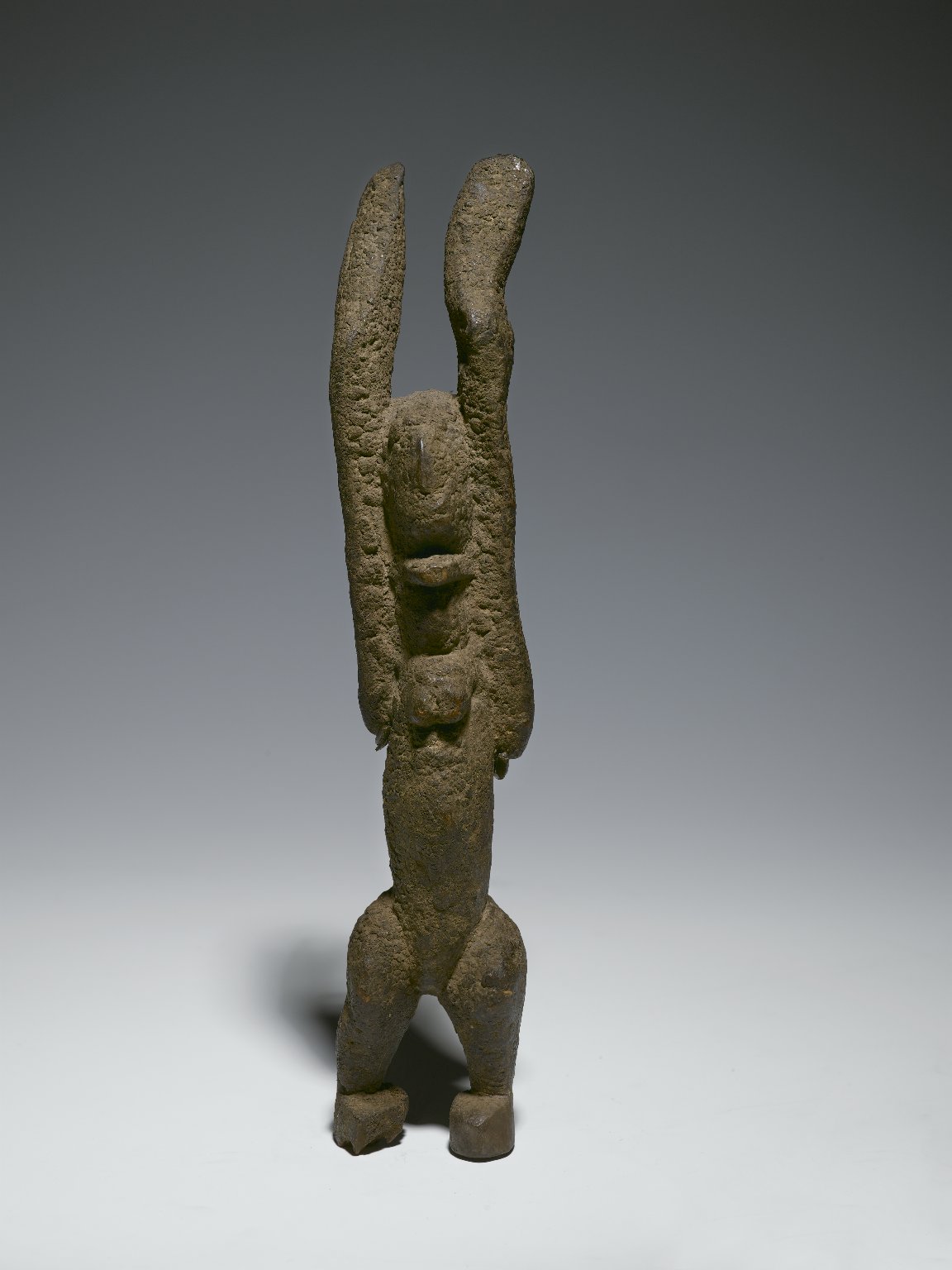 🇲🇱 MaliDogon religion
The traditional spiritual beliefs of the Dogon people of MaliTradition · Protection · Speaking with spirits and the dead Living
🇲🇱 MaliDogon religion
The traditional spiritual beliefs of the Dogon people of MaliTradition · Protection · Speaking with spirits and the dead Living
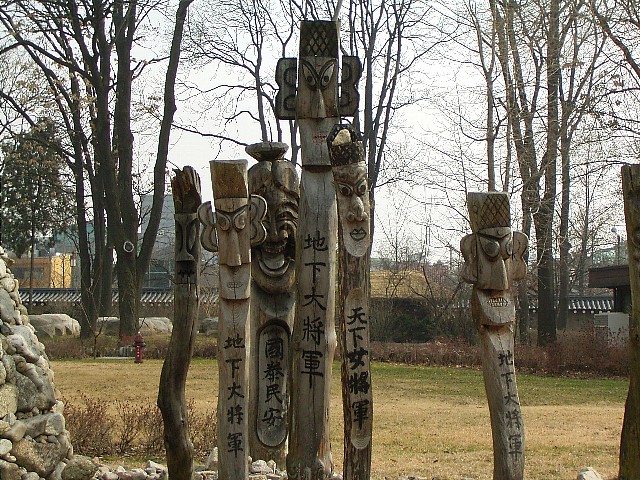 🇰🇷 South Korea and 1 moreJangseung장승
Wooden or stone poles that guard Korean villages and temples from evil spiritsTradition · Protection · Speaking with spirits and the dead Living
🇰🇷 South Korea and 1 moreJangseung장승
Wooden or stone poles that guard Korean villages and temples from evil spiritsTradition · Protection · Speaking with spirits and the dead Living
 🇻🇺 Vanuatu and 5 moreKava culture
A shared ritual across Oceania where a root brew marks ceremony, respect, and social gathering.Tradition · Speaking with spirits and the dead · Luck and prosperity Living
🇸🇸 South Sudan and 1 moreDinka religion
The traditional animist and creator-based faith of the Dinka people of South SudanTradition · Protection · Healing Living
🇳🇿 New Zealand and 5 moreTapu
A Polynesian concept of sacred restriction and spiritual prohibitionTradition · Protection · Speaking with spirits and the dead Living
🇻🇺 Vanuatu and 5 moreKava culture
A shared ritual across Oceania where a root brew marks ceremony, respect, and social gathering.Tradition · Speaking with spirits and the dead · Luck and prosperity Living
🇸🇸 South Sudan and 1 moreDinka religion
The traditional animist and creator-based faith of the Dinka people of South SudanTradition · Protection · Healing Living
🇳🇿 New Zealand and 5 moreTapu
A Polynesian concept of sacred restriction and spiritual prohibitionTradition · Protection · Speaking with spirits and the dead Living
 🇲🇽 Mexico and 5 moreDay of the DeadDía de los Muertos
A Mexican holiday honoring the dead with altars, food, and humor during Allhallowtide.Tradition · Speaking with spirits and the dead · Luck and prosperity Living
🇲🇽 Mexico and 5 moreDay of the DeadDía de los Muertos
A Mexican holiday honoring the dead with altars, food, and humor during Allhallowtide.Tradition · Speaking with spirits and the dead · Luck and prosperity Living
 🇧🇷 BrazilBoitatá
A fiery serpent of Brazilian folklore that guards forests or frightens childrenBeing · Protection · Cursing and harm Living
🇧🇷 BrazilBoitatá
A fiery serpent of Brazilian folklore that guards forests or frightens childrenBeing · Protection · Cursing and harm Living
 🇵🇪 Peru and 1 moreQuyllurit'iQoyllur Rit'i
A syncretic Andean pilgrimage celebrating the Pleiades and the Lord of Star SnowTradition · Protection · Healing Living
🇵🇪 Peru and 1 moreQuyllurit'iQoyllur Rit'i
A syncretic Andean pilgrimage celebrating the Pleiades and the Lord of Star SnowTradition · Protection · Healing Living
 🇨🇱 Chile and 1 moreMapuche religion
The traditional spiritual practice of the Mapuche people of Chile and ArgentinaTradition · Protection · Healing Living
🇨🇱 Chile and 1 moreMapuche religion
The traditional spiritual practice of the Mapuche people of Chile and ArgentinaTradition · Protection · Healing Living
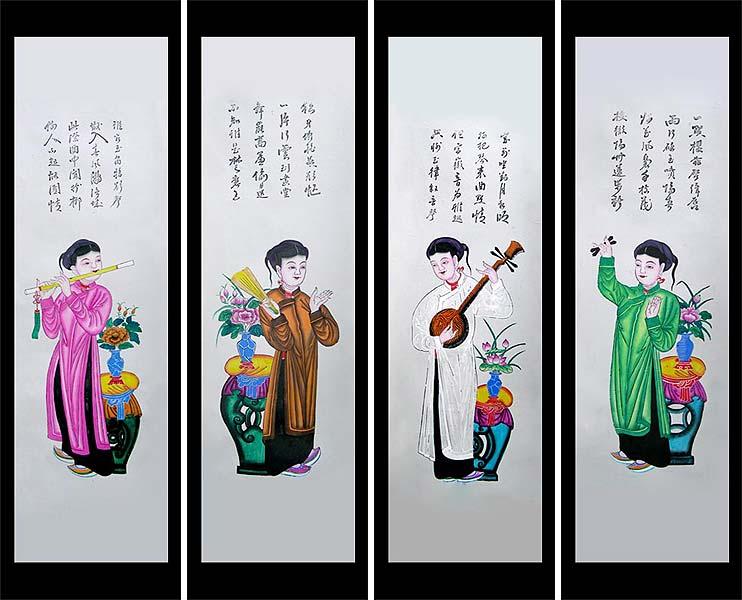 🇻🇳 Vietnam and 1 moreVietnamese folk religiontín ngưỡng dân gian Việt Nam
A collection of local spirit worship and ancestral veneration in VietnamTradition · Protection · Healing Living
🇻🇳 Vietnam and 1 moreVietnamese folk religiontín ngưỡng dân gian Việt Nam
A collection of local spirit worship and ancestral veneration in VietnamTradition · Protection · Healing Living
 🇯🇵 JapanMount Osore恐山
A volcanic pilgrimage site in Japan believed to be a gateway to the underworldTradition · Speaking with spirits and the dead · Protection Living
🇯🇵 JapanMount Osore恐山
A volcanic pilgrimage site in Japan believed to be a gateway to the underworldTradition · Speaking with spirits and the dead · Protection Living
 🇮🇳 IndiaSanamahismꯁꯅꯥꯃꯍꯤ ꯂꯥꯏꯅꯤꯡ
The polytheistic ethnic religion of the Meitei people of Manipur, IndiaTradition · Protection · Speaking with spirits and the dead Living
🇮🇳 IndiaSanamahismꯁꯅꯥꯃꯍꯤ ꯂꯥꯏꯅꯤꯡ
The polytheistic ethnic religion of the Meitei people of Manipur, IndiaTradition · Protection · Speaking with spirits and the dead Living
 🇱🇦 Laos and 3 moreTai folk religionສາສະໜາຜີ
Spirits, ancestor rites, and soul-calling ceremonies of the Tai peoplesTradition · Protection · Healing Living
🇱🇦 Laos and 3 moreTai folk religionສາສະໜາຜີ
Spirits, ancestor rites, and soul-calling ceremonies of the Tai peoplesTradition · Protection · Healing Living
 🇹🇹 Trinidad and Tobago and 4 moreTrinidad Orisha
A syncretic Afro-Caribbean faith blending Yoruba spirit work with Christian and other traditions in Trinidad.Tradition · Speaking with spirits and the dead · Healing Living
🇹🇹 Trinidad and Tobago and 4 moreTrinidad Orisha
A syncretic Afro-Caribbean faith blending Yoruba spirit work with Christian and other traditions in Trinidad.Tradition · Speaking with spirits and the dead · Healing Living
 🇪🇬 Egypt and 5 moreAmulet
A portable object worn or carried to ward off harm and invite protection.Charm · Protection · Healing Living
🇪🇬 Egypt and 5 moreAmulet
A portable object worn or carried to ward off harm and invite protection.Charm · Protection · Healing Living
 🇨🇳 China and 1 moreTaoist coin charm道教品壓生錢
Chinese and Vietnamese numismatic charms used for protection and feng shuiCharm · Protection · Cursing and harm Historical
🇨🇳 China and 1 moreTaoist coin charm道教品壓生錢
Chinese and Vietnamese numismatic charms used for protection and feng shuiCharm · Protection · Cursing and harm Historical
 🇬🇷 Greece and 4 moreTutelary deity
A guardian spirit or god assigned to protect a specific place, person, or group.Being · Protection Living
🇬🇷 Greece and 4 moreTutelary deity
A guardian spirit or god assigned to protect a specific place, person, or group.Being · Protection Living
 🇯🇵 Japan and 4 moreHousehold deity
A spirit or minor god believed to guard a home and its family members.Being · Protection · Speaking with spirits and the dead Historical
🇯🇵 Japan and 4 moreHousehold deity
A spirit or minor god believed to guard a home and its family members.Being · Protection · Speaking with spirits and the dead Historical
 🇨🇳 ChinaBenzhuism本主教
The indigenous patron worship of the Bai people in Yunnan, ChinaTradition · Protection · Healing Living
🇨🇳 ChinaBenzhuism本主教
The indigenous patron worship of the Bai people in Yunnan, ChinaTradition · Protection · Healing Living
 🇨🇳 ChinaPixiu貔貅
A winged lion-like creature from Chinese lore that guards wealth and wards off evil spirits.Being · Protection · Luck and prosperity Living
🇿🇦 South AfricaAmadlozi
Ancestors of the Nguni people who guide and protect their descendantsBeing · Protection · Speaking with spirits and the dead Living
🇨🇳 ChinaPixiu貔貅
A winged lion-like creature from Chinese lore that guards wealth and wards off evil spirits.Being · Protection · Luck and prosperity Living
🇿🇦 South AfricaAmadlozi
Ancestors of the Nguni people who guide and protect their descendantsBeing · Protection · Speaking with spirits and the dead Living
 🇬🇭 GhanaWitch camp
Settlements in Ghana where women accused of witchcraft seek refuge from violence and persecution.Tradition · Protection Historical
🇮🇳 IndiaTribal religions in India
Indigenous spiritual practices of India's Scheduled Tribes, often grouped under Hinduism in official records.Tradition · Speaking with spirits and the dead · Protection Living
🇬🇭 GhanaWitch camp
Settlements in Ghana where women accused of witchcraft seek refuge from violence and persecution.Tradition · Protection Historical
🇮🇳 IndiaTribal religions in India
Indigenous spiritual practices of India's Scheduled Tribes, often grouped under Hinduism in official records.Tradition · Speaking with spirits and the dead · Protection Living
 🇪🇬 Egypt and 5 moreWorship of heavenly bodies
Veneration of stars, planets, and the sky as divine forces or deitiesTradition · Protection · Power and authority Historical
🇲🇱 MaliBinouba-binu
A secret Dogon order honoring ancestors through totemic animals and ritual sacrifice in Mali.Tradition · Protection · Speaking with spirits and the dead Living
🇪🇬 Egypt and 5 moreWorship of heavenly bodies
Veneration of stars, planets, and the sky as divine forces or deitiesTradition · Protection · Power and authority Historical
🇲🇱 MaliBinouba-binu
A secret Dogon order honoring ancestors through totemic animals and ritual sacrifice in Mali.Tradition · Protection · Speaking with spirits and the dead Living
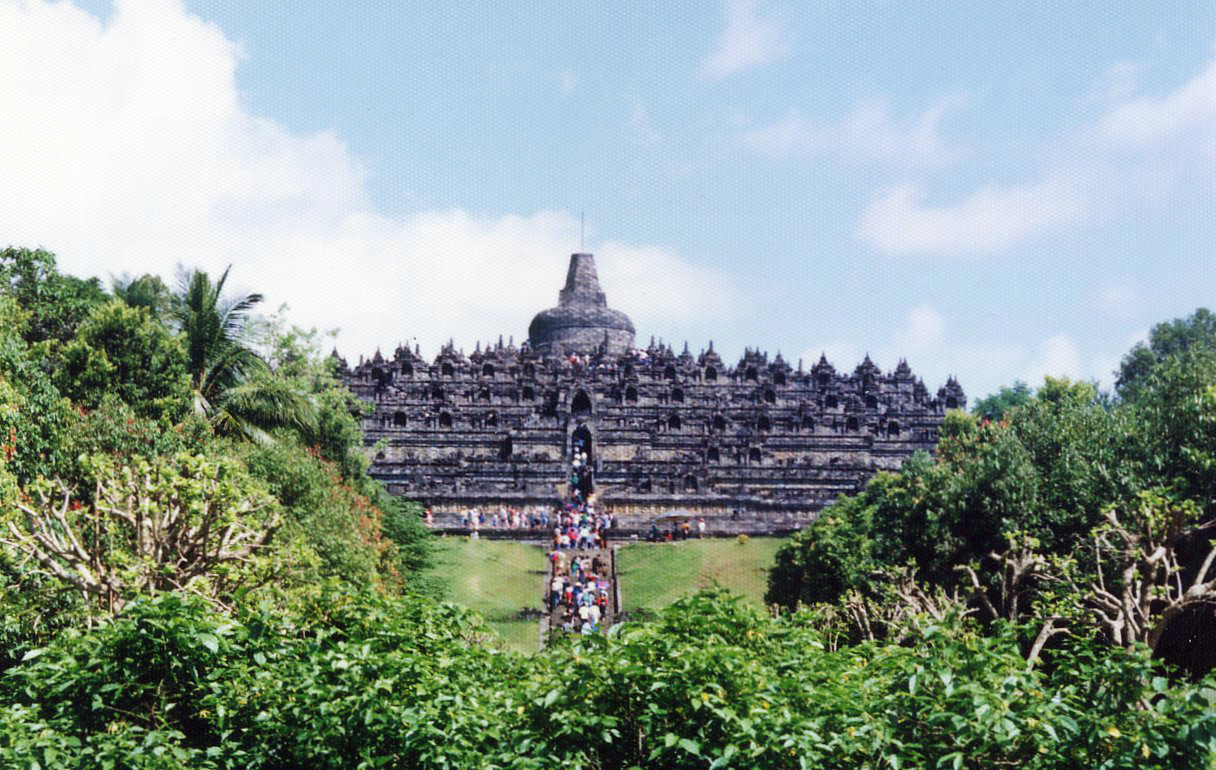 🇮🇩 IndonesiaSunda Wiwitanᮞᮥᮔ᮪ᮓ ᮝᮤᮝᮤᮒᮔ᮪
A folk religion of the Sundanese people in western Java, IndonesiaTradition · Protection · Speaking with spirits and the dead Living
🇮🇩 IndonesiaSunda Wiwitanᮞᮥᮔ᮪ᮓ ᮝᮤᮝᮤᮒᮔ᮪
A folk religion of the Sundanese people in western Java, IndonesiaTradition · Protection · Speaking with spirits and the dead Living
 🇺🇸 United StatesGhost shirt
A sacred garment of the Ghost Dance believed to protect the wearer from bulletsCharm · Protection Historical
🇺🇸 United StatesGhost shirt
A sacred garment of the Ghost Dance believed to protect the wearer from bulletsCharm · Protection Historical
 🇨🇳 China and 3 moreFengshui woodland風水林
A protected grove in East Asia believed to shape the local environment and bring luck to nearby communities.Tradition · Protection · Luck and prosperity Living
🇨🇳 China and 3 moreFengshui woodland風水林
A protected grove in East Asia believed to shape the local environment and bring luck to nearby communities.Tradition · Protection · Luck and prosperity Living
 🇲🇬 MadagascarFady
Malagasy cultural taboos regulating daily life and ancestor relationsBelief · Protection · Speaking with spirits and the dead Living
🇲🇬 MadagascarFady
Malagasy cultural taboos regulating daily life and ancestor relationsBelief · Protection · Speaking with spirits and the dead Living
 🇿🇦 South Africa and 1 moreSacred caves of the Basotho
Cave networks in South Africa and Lesotho used by the Basotho for ancestral rituals and healingTradition · Healing · Protection Living
🇧🇿 BelizeTata DuendeNukuch Tat
A thumbless forest spirit of Belizean folklore that protects animals and warns children.Being · Protection · Cursing and harm Living
🇿🇦 South Africa and 1 moreSacred caves of the Basotho
Cave networks in South Africa and Lesotho used by the Basotho for ancestral rituals and healingTradition · Healing · Protection Living
🇧🇿 BelizeTata DuendeNukuch Tat
A thumbless forest spirit of Belizean folklore that protects animals and warns children.Being · Protection · Cursing and harm Living
 🇩🇴 Dominican Republic and 5 moreZemi
A Taíno deity or ancestral spirit housed in a carved object used for worship and protectionBeing · Protection · Healing Historical
🇩🇴 Dominican Republic and 5 moreZemi
A Taíno deity or ancestral spirit housed in a carved object used for worship and protectionBeing · Protection · Healing Historical
 🇮🇳 India and 5 moreLock of hair
A piece of human hair kept for symbolic, sentimental, or superstitious reasons.Substance · Protection · Luck and prosperity Living
🇮🇳 India and 5 moreLock of hair
A piece of human hair kept for symbolic, sentimental, or superstitious reasons.Substance · Protection · Luck and prosperity Living
 🇬🇦 Gabon and 2 moreMbulu Ngulu
Wood and metal figures guarding ancestor relics in GabonCharm · Protection · Speaking with spirits and the dead Historical
🇬🇦 Gabon and 2 moreMbulu Ngulu
Wood and metal figures guarding ancestor relics in GabonCharm · Protection · Speaking with spirits and the dead Historical
 🇲🇽 Mexico and 1 moreGod's eyeOjo de Dios
A woven yarn cross believed to grant spiritual sight and protectionCharm · Protection · Speaking with spirits and the dead Living
🇲🇽 Mexico and 1 moreGod's eyeOjo de Dios
A woven yarn cross believed to grant spiritual sight and protectionCharm · Protection · Speaking with spirits and the dead Living
Photo credits on this page
The small pictures above come from Wikimedia Commons under free licences. Some are cropped to fit.
- Serer religion: Unknown author, Public domain, source
- Sanamahism: Kayia N, CC BY-SA 4.0, source
- Sunda Wiwitan: Greenland4, Public domain, source
- Amulet: Anonymous ( Egypt ) Unknown author, Public domain, source
- Tai folk religion: ( เทวประภาส มากคล้าย ), Tevaprapas, Public domain, source
- Egungun: Ìṣẹ̀ṣeAssembly, CC BY-SA 4.0, source
- Alux: Gary Todd, CC0, source
- Brownie: Unknown author, CC BY-SA 2.5, source
- Foundation deposit: Unknown author, CC0, source
- Obatala: Isha, CC BY 3.0, source
- Elegua: Sailko, CC BY 3.0, source
- Pentagram: Tomruen, Attribution, source
- Taboo: Jonathan McIntosh, CC BY 2.0, source
- Maximón: Sapfan (Jan Pesula), Public domain, source
- Folk saint: Sergio Serrano, CC BY-SA 2.0, source
- Hopi mythology: Sailko, CC BY 3.0, source
- Dzi bead: Benjwong, Public domain, source
- Odinani: Northcote Whitridge Thomas, Public domain, source
- Wild rue: Yuriy75, CC BY-SA 3.0, source
- Dogon religion: Unknown author, CC BY 3.0, source
- Jangseung: Yoshiaki Sano, CC BY-SA 2.0, source
- Kava culture: Jaejay77, CC BY-SA 4.0, source
- Day of the Dead: RubeHM, CC BY-SA 4.0, source
- Boitatá: The ponta cabeça, CC BY-SA 4.0, source
- Taoist coin charm: Etnografiska Museet, CC BY 2.5, source
- Quyllurit'i: AgainErick, CC BY-SA 3.0, source
- Mapuche religion: Gary Todd, CC0, source
- Vietnamese folk religion: Unknown (traditional painting dated back to the 17th century), Public domain, source
- Mount Osore: Douglas P Perkins ( Douglaspperkins ( talk )), CC BY 3.0, source
- Benzhuism: G41rn8, CC BY-SA 4.0, source
- Pixiu: N509FZ, CC BY-SA 4.0, source
- Sacred caves of the Basotho: JMK, CC BY-SA 3.0, source
- Witch camp: Hasslaebetch, CC BY-SA 4.0, source
- Zemi: Unknown author, CC0, source
- Lock of hair: Unknown author, CC0, source
- God's eye: Douglas P. Perkins, CC BY-SA 3.0, source
- Ghost shirt: Wolfgang Sauber, CC BY-SA 3.0, source
- Household deity: Claus Ableiter, CC BY-SA 3.0, source
- Worship of heavenly bodies: Jean-Pierre Dalbéra, CC BY 2.0, source
- Fady: Robin Taylor, CC BY 2.0, source
- Mbulu Ngulu: Sailko, CC BY 3.0, source
- Fengshui woodland: 猫猫的日记本 (Cat's diary), CC BY-SA 3.0, source