Protection
Warding off the evil eye, spirits, illness and bad luck: amulets, wards and thresholds.
Protection is the most widespread aim of magic. People hang, wear, bury, burn and recite things to keep out the evil eye, harmful spirits, illness and bad luck. The blue nazar, the hamsa, the horseshoe, the red thread, the Japanese omamori and the Ethiopian protective scroll all serve it. This page covers what is guarded, who is thought to need guarding, and how different societies see the practice. It is a good place to start with the subject.
What is guarded
The most guarded are the vulnerable and the valued: newborns, brides, pregnant women, livestock, new houses and travellers. Doorways, windows and crossroads get special care, since they are where inside meets outside. Practices include hanging a lemon and chillies in India, a horseshoe in Britain and Ireland, an eye-bead in Turkey, a mezuzah on Jewish doorposts and a spirit house in Thailand. Beyond doors, people protect journeys, wells, boats and herds, and the guarded thing is usually whatever the family can least afford to lose.
Against what
The danger named varies. In the Middle East and Mediterranean it is the evil eye, a harm said to come from envy or praise. In sub-Saharan Africa it is often witchcraft or a rival's sorcery. In Europe it was witches, fairies and the devil, and in East Asia hungry ghosts and ill-fortune. Protective practice therefore tells a researcher what a community fears and who it suspects. Some marks are drawn in chalk, paint or henna and renewed each year, and others are made once and left to fade.
Faith and the objects
Religions deal with protective objects in different ways. Many Muslim scholars accept verses of the Quran recited for protection and disapprove of beads or knots believed to work by themselves. Catholic Christians use blessed medals, holy water and the sign of the cross. Sikhism rejects talismans, while Buddhist monks bless protective threads and tattoos in Thailand and Cambodia. Official teaching often differs from practice in the village, where one household may wear a charm quietly and say a prayer at the same time.
Scholars and the market
Psychologists suggest protective objects ease anxiety and give a sense of control. Sceptics note that no test has shown them to prevent harm. Commerce is large: charms are mass-produced, and some sellers charge heavily for items promised to ward off disaster. Anyone in real danger or illness should turn to practical help first. Believers usually say the protection is a matter of trust and care, and many say the object matters less than the intention and the community that stands behind it.
Protection on EveryJaadu
The entries written up so far, best known first.
 🇺🇸 United StatesHex sign
Pennsylvania Dutch barn symbols that range from folk art to talismansCharm · Protection · Wonder and entertainment Living
🇬🇧 United KingdomWitch bottle (sample)
A stoppered bottle set out against curses.Charm · Protection · Cursing and harm Historical
🇬🇧 United KingdomEvil eye bead (sample)Nazar boncuğu
A blue glass bead hung to turn aside envy.Charm · Protection Living
🇯🇵 JapanOmamori (sample)お守り
A small shrine charm in a brocade pouch.Charm · Protection · Luck and prosperity Living
🇹🇷 TurkeyHamsa (sample)Khamsa
An open hand with an eye, hung on doors.Charm · Protection · Luck and prosperity Living
🇺🇸 United StatesHex sign
Pennsylvania Dutch barn symbols that range from folk art to talismansCharm · Protection · Wonder and entertainment Living
🇬🇧 United KingdomWitch bottle (sample)
A stoppered bottle set out against curses.Charm · Protection · Cursing and harm Historical
🇬🇧 United KingdomEvil eye bead (sample)Nazar boncuğu
A blue glass bead hung to turn aside envy.Charm · Protection Living
🇯🇵 JapanOmamori (sample)お守り
A small shrine charm in a brocade pouch.Charm · Protection · Luck and prosperity Living
🇹🇷 TurkeyHamsa (sample)Khamsa
An open hand with an eye, hung on doors.Charm · Protection · Luck and prosperity Living
 🇮🇹 Italy and 2 moreBulla
A round Roman amulet given to freeborn boys as a mark of status and protectionCharm · Protection · Luck and prosperity Historical
🇮🇹 Italy and 2 moreBulla
A round Roman amulet given to freeborn boys as a mark of status and protectionCharm · Protection · Luck and prosperity Historical
 🇯🇵 JapanSaruboboさるぼぼ
A faceless red doll from Japan, given as a charm for family and fortuneCharm · Luck and prosperity · Protection Living
🇯🇵 JapanSaruboboさるぼぼ
A faceless red doll from Japan, given as a charm for family and fortuneCharm · Luck and prosperity · Protection Living
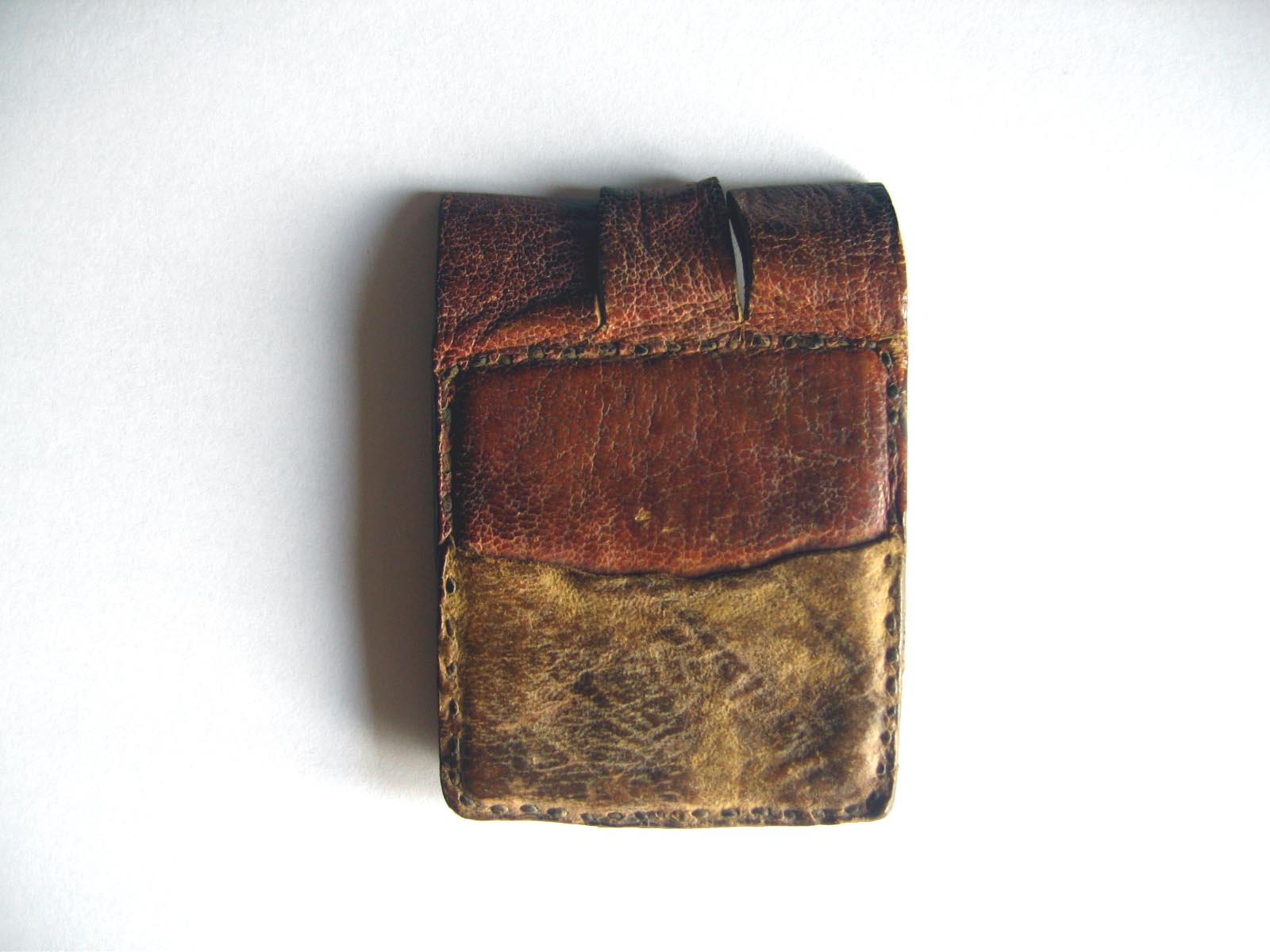 🇲🇱 Mali and 3 moreGris-gris
A small pouch or charm from West Africa used for protection and luck.Charm · Protection · Luck and prosperity Living
🇲🇱 Mali and 3 moreGris-gris
A small pouch or charm from West Africa used for protection and luck.Charm · Protection · Luck and prosperity Living
 🇯🇵 Japan and 1 moreGood Luck Flag寄せ書き日の丸 (yosegaki hinomaru)
A Japanese national flag signed by loved ones to wish a soldier safety and victory.Charm · Protection · Luck and prosperity Living
🇯🇵 Japan and 1 moreGood Luck Flag寄せ書き日の丸 (yosegaki hinomaru)
A Japanese national flag signed by loved ones to wish a soldier safety and victory.Charm · Protection · Luck and prosperity Living
 🇹🇷 Turkey and 1 moreTalismanic shirttılsımlı gömlek
A worn textile inscribed with sacred verses and symbols for protection in the Muslim worldCharm · Protection Historical
🇹🇷 Turkey and 1 moreTalismanic shirttılsımlı gömlek
A worn textile inscribed with sacred verses and symbols for protection in the Muslim worldCharm · Protection Historical
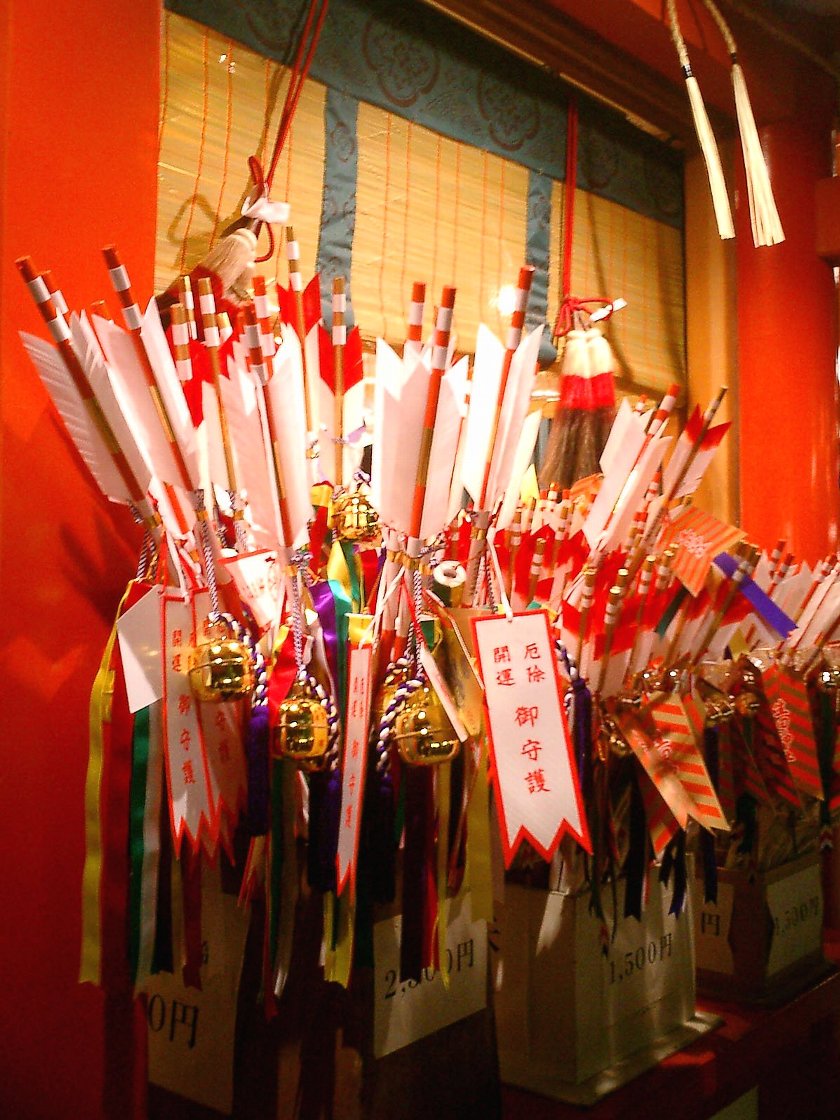 🇯🇵 JapanHamaya破魔矢
A blunt arrow given at shrines to ward off evil and secure good luck for the new yearCharm · Protection · Luck and prosperity Living
🇯🇵 JapanHamaya破魔矢
A blunt arrow given at shrines to ward off evil and secure good luck for the new yearCharm · Protection · Luck and prosperity Living
 🇹🇭 Thailand and 1 morePalad khikปลัดขิก
A Thai phallic amulet believed to bring luck and protectionCharm · Protection · Luck and prosperity Living
🇹🇭 Thailand and 1 morePalad khikปลัดขิก
A Thai phallic amulet believed to bring luck and protectionCharm · Protection · Luck and prosperity Living
 🇪🇬 Egypt and 1 moreHypocephalus
An ancient Egyptian disk placed under the head of the dead for protection and rebirthCharm · Protection · Speaking with spirits and the dead Historical
🇪🇬 Egypt and 1 moreHypocephalus
An ancient Egyptian disk placed under the head of the dead for protection and rebirthCharm · Protection · Speaking with spirits and the dead Historical
 🇩🇪 Germany and 1 moreHercules' ClubHerkuleskeule
A club-shaped amulet worn in the Roman Empire and by Germanic peoples as a protective charm.Charm · Protection Historical
🇩🇪 Germany and 1 moreHercules' ClubHerkuleskeule
A club-shaped amulet worn in the Roman Empire and by Germanic peoples as a protective charm.Charm · Protection Historical
 🇨🇳 China and 2 moreCoin-sword辟邪劍 (bì xié jiàn)
A Chinese numismatic talisman made of cash coins strung on a rod to ward off evil spiritsCharm · Protection Living
🇨🇳 China and 2 moreCoin-sword辟邪劍 (bì xié jiàn)
A Chinese numismatic talisman made of cash coins strung on a rod to ward off evil spiritsCharm · Protection Living
 🇹🇭 Thailand and 1 morePra Jiadประเจียด
A Muay Thai armband worn for luck and confidenceCharm · Luck and prosperity · Protection Living
🇹🇭 Thailand and 1 morePra Jiadประเจียด
A Muay Thai armband worn for luck and confidenceCharm · Luck and prosperity · Protection Living
 🇪🇬 Egypt and 5 moreAmulet
A portable object worn or carried to ward off harm and invite protection.Charm · Protection · Healing Living
🇮🇩 IndonesiaIndonesian numismatic charmUang Gobog
Coin-like amulets from Indonesia used for protection and ritual offerings.Charm · Protection · Luck and prosperity Living
🇪🇬 Egypt and 5 moreAmulet
A portable object worn or carried to ward off harm and invite protection.Charm · Protection · Healing Living
🇮🇩 IndonesiaIndonesian numismatic charmUang Gobog
Coin-like amulets from Indonesia used for protection and ritual offerings.Charm · Protection · Luck and prosperity Living
 🇻🇳 Vietnam and 2 moreVietnamese numismatic charmsBùa Việt Nam
Coin-shaped charms used for protection, luck, and ritual in Vietnamese cultureCharm · Protection · Luck and prosperity Historical
🇯🇵 Japan and 2 moreJapanese numismatic charm絵銭
Coin-shaped charms from Japan used for protection, luck, and blessings.Charm · Protection · Luck and prosperity Living
🇨🇳 China and 1 moreZhengde Tongbao正德通寶
A fantasy cash coin used as a Chinese and Vietnamese amulet for luck and protection.Charm · Luck and prosperity · Protection Living
🇻🇳 Vietnam and 2 moreVietnamese numismatic charmsBùa Việt Nam
Coin-shaped charms used for protection, luck, and ritual in Vietnamese cultureCharm · Protection · Luck and prosperity Historical
🇯🇵 Japan and 2 moreJapanese numismatic charm絵銭
Coin-shaped charms from Japan used for protection, luck, and blessings.Charm · Protection · Luck and prosperity Living
🇨🇳 China and 1 moreZhengde Tongbao正德通寶
A fantasy cash coin used as a Chinese and Vietnamese amulet for luck and protection.Charm · Luck and prosperity · Protection Living
 🇰🇷 South Korea and 3 moreKorean numismatic charm열쇠패
Coin-shaped objects used as protective and decorative charms in Korean cultureCharm · Protection · Luck and prosperity Historical
🇰🇷 South Korea and 3 moreKorean numismatic charm열쇠패
Coin-shaped objects used as protective and decorative charms in Korean cultureCharm · Protection · Luck and prosperity Historical
 🇨🇳 China and 1 moreTaoist coin charm道教品壓生錢
Chinese and Vietnamese numismatic charms used for protection and feng shuiCharm · Protection · Cursing and harm Historical
🇨🇳 China and 1 moreTaoist coin charm道教品壓生錢
Chinese and Vietnamese numismatic charms used for protection and feng shuiCharm · Protection · Cursing and harm Historical
 🇨🇳 China and 2 moreChinese burial money瘞錢 (yì qián)
Imitations of currency placed in Chinese graves to serve the deceased in the afterlife.Charm · Protection · Luck and prosperity Historical
🇨🇳 China and 2 moreChinese burial money瘞錢 (yì qián)
Imitations of currency placed in Chinese graves to serve the deceased in the afterlife.Charm · Protection · Luck and prosperity Historical
 🇬🇧 United Kingdom and 1 moreBirthing girdle
A medieval charm worn during pregnancy to ensure a safe deliveryCharm · Protection Historical
🇬🇧 United Kingdom and 1 moreBirthing girdle
A medieval charm worn during pregnancy to ensure a safe deliveryCharm · Protection Historical
 🇨🇳 China and 2 moreBuddhist coin charm佛教品壓勝錢
Amulets shaped like coins that bear Buddhist symbols and prayers for protection.Charm · Protection · Luck and prosperity Historical
🇨🇳 China and 2 moreBuddhist coin charm佛教品壓勝錢
Amulets shaped like coins that bear Buddhist symbols and prayers for protection.Charm · Protection · Luck and prosperity Historical
 🇨🇳 China and 1 moreLock charms家锁 / 锁片 (jiā suǒ / suǒ piàn)
A Chinese metal pendant shaped like a lock to protect children from harm and death.Charm · Protection · Luck and prosperity Historical
🇪🇸 SpainDetente bala
A cloth charm worn by Spanish soldiers to stop bullets in the name of JesusCharm · Protection Living
🇨🇳 China and 1 moreLock charms家锁 / 锁片 (jiā suǒ / suǒ piàn)
A Chinese metal pendant shaped like a lock to protect children from harm and death.Charm · Protection · Luck and prosperity Historical
🇪🇸 SpainDetente bala
A cloth charm worn by Spanish soldiers to stop bullets in the name of JesusCharm · Protection Living
 🇨🇳 China and 1 moreLei Ting curse charm符咒钱
A numismatic charm invoking the thunder god to banish evil spirits.Charm · Protection · Cursing and harm Historical
🇮🇱 IsraelSegulaסגולה
A Jewish charm or ritual believed to bring protection, healing, or blessings.Charm · Protection · Healing Living
🇨🇳 China and 1 moreLei Ting curse charm符咒钱
A numismatic charm invoking the thunder god to banish evil spirits.Charm · Protection · Cursing and harm Historical
🇮🇱 IsraelSegulaסגולה
A Jewish charm or ritual believed to bring protection, healing, or blessings.Charm · Protection · Healing Living
 🇨🇳 China and 3 moreMarriage coin charm夫婦和合花錢
Coin-shaped amulets from East Asia that celebrate marriage, fertility, and conjugal harmonyCharm · Protection · Luck and prosperity Historical
🇨🇳 China and 3 moreMarriage coin charm夫婦和合花錢
Coin-shaped amulets from East Asia that celebrate marriage, fertility, and conjugal harmonyCharm · Protection · Luck and prosperity Historical
 🇨🇳 China and 1 moreConfucian coin charms
Amulets bearing Confucian moral teachings and historical storiesCharm · Protection · Luck and prosperity Historical
🇨🇳 China and 1 moreConfucian coin charms
Amulets bearing Confucian moral teachings and historical storiesCharm · Protection · Luck and prosperity Historical
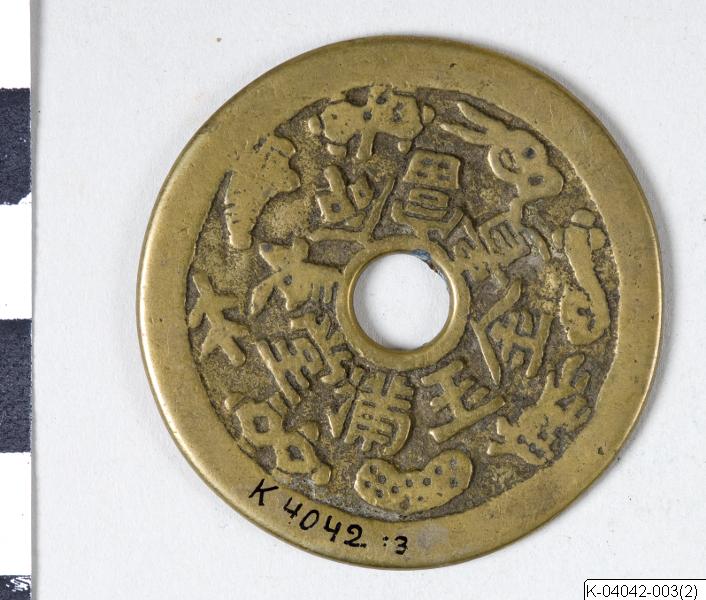 🇨🇳 ChinaEight Treasures八寶 (Bābǎo)
A set of eight symbols in Chinese art and amulets representing good fortune.Charm · Luck and prosperity · Protection Living
🇯🇵 JapanHōko這子
A Japanese soft doll used as a protective talisman for mothers and childrenCharm · Protection Historical
🇨🇳 ChinaEight Treasures八寶 (Bābǎo)
A set of eight symbols in Chinese art and amulets representing good fortune.Charm · Luck and prosperity · Protection Living
🇯🇵 JapanHōko這子
A Japanese soft doll used as a protective talisman for mothers and childrenCharm · Protection Historical
 🇬🇧 United KingdomFairy FlagA' Bhratach Shìth
A tattered silk heirloom of Clan MacLeod, said to hold fairy magic and ancient power.Charm · Protection · Luck and prosperity Historical
🇬🇧 United KingdomFairy FlagA' Bhratach Shìth
A tattered silk heirloom of Clan MacLeod, said to hold fairy magic and ancient power.Charm · Protection · Luck and prosperity Historical
 🇷🇺 Russia and 2 moreBesomвеник
A twig broom used for sweeping, folk magic, and fire responseCharm · Protection · Wonder and entertainment Living
🇷🇺 Russia and 2 moreBesomвеник
A twig broom used for sweeping, folk magic, and fire responseCharm · Protection · Wonder and entertainment Living
 🇪🇸 SpainIndalo
A Bronze Age pictograph used as a protective house charm and lucky symbol in Almería, SpainCharm · Protection · Luck and prosperity Living
🇪🇸 SpainIndalo
A Bronze Age pictograph used as a protective house charm and lucky symbol in Almería, SpainCharm · Protection · Luck and prosperity Living
 🇹🇭 ThailandPla taphianปลาตะเพียนสาน
A woven palm leaf fish mobile hung as a blessing for health and plentyCharm · Protection · Luck and prosperity Living
🇹🇭 ThailandPla taphianปลาตะเพียนสาน
A woven palm leaf fish mobile hung as a blessing for health and plentyCharm · Protection · Luck and prosperity Living
 🇯🇵 JapanAkabeko赤べこ
A bobbing papier-mâché toy from Japan believed to ward off illnessCharm · Protection · Healing Living
🇷🇴 Romania and 5 moreMărțișor
A red and white string charm worn in early spring to welcome the seasonTradition · Protection · Luck and prosperity Living
🇯🇵 JapanAkabeko赤べこ
A bobbing papier-mâché toy from Japan believed to ward off illnessCharm · Protection · Healing Living
🇷🇴 Romania and 5 moreMărțișor
A red and white string charm worn in early spring to welcome the seasonTradition · Protection · Luck and prosperity Living
 🇮🇳 India and 5 moreNavaratnaनवरत्न
A nine-gem talisman set in gold or silver, linked to Hindu astrology and planetary worshipCharm · Protection · Healing Living
🇮🇳 India and 5 moreNavaratnaनवरत्न
A nine-gem talisman set in gold or silver, linked to Hindu astrology and planetary worshipCharm · Protection · Healing Living
 🇮🇱 Israel and 4 moreChaiחי
A Hebrew word and symbol meaning 'alive', used as an amulet and in Jewish culture.Charm · Protection · Luck and prosperity Living
🇮🇱 Israel and 4 moreChaiחי
A Hebrew word and symbol meaning 'alive', used as an amulet and in Jewish culture.Charm · Protection · Luck and prosperity Living
 🇲🇽 Mexico and 1 moreGod's eyeOjo de Dios
A woven yarn cross believed to grant spiritual sight and protectionCharm · Protection · Speaking with spirits and the dead Living
🇲🇽 Mexico and 1 moreGod's eyeOjo de Dios
A woven yarn cross believed to grant spiritual sight and protectionCharm · Protection · Speaking with spirits and the dead Living
 🇪🇬 EgyptMenatmnj.t
A beaded necklace and rattle linked to Hathor for protection and luck in ancient EgyptCharm · Protection · Luck and prosperity Historical
🇪🇬 EgyptMenatmnj.t
A beaded necklace and rattle linked to Hathor for protection and luck in ancient EgyptCharm · Protection · Luck and prosperity Historical
 🇳🇿 New Zealand and 1 moreManaia
A composite guardian spirit in Māori art and beliefBeing · Protection · Speaking with spirits and the dead Living
🇳🇿 New Zealand and 1 moreManaia
A composite guardian spirit in Māori art and beliefBeing · Protection · Speaking with spirits and the dead Living
 🇺🇸 United StatesGhost shirt
A sacred garment of the Ghost Dance believed to protect the wearer from bulletsCharm · Protection Historical
🇺🇸 United StatesGhost shirt
A sacred garment of the Ghost Dance believed to protect the wearer from bulletsCharm · Protection Historical
 🇸🇪 Sweden and 1 moreTroll crosstrollkors
A carved or bent iron sigil used in Sweden and Norway to ward off harmful magic and creatures.Charm · Protection Revived
🇸🇪 Sweden and 1 moreTroll crosstrollkors
A carved or bent iron sigil used in Sweden and Norway to ward off harmful magic and creatures.Charm · Protection Revived
 🇯🇵 JapanOmamori御守/お守り
Japanese amulets from shrines and temples for luck and protectionCharm · Protection · Luck and prosperity Living
🇯🇵 JapanOmamori御守/お守り
Japanese amulets from shrines and temples for luck and protectionCharm · Protection · Luck and prosperity Living
Photo credits on this page
The small pictures above come from Wikimedia Commons under free licences. Some are cropped to fit.
- Sarubobo: Unknown author, CC BY-SA 3.0, source
- Good Luck Flag: takato marui, CC BY-SA 2.0, source
- Birthing girdle: Sarah Fiddyment , Natalie J. Goodison , Elma Brenner , Stefania Signor, CC BY 4.0, source
- Amulet: Anonymous ( Egypt ) Unknown author, Public domain, source
- Bulla: Anonymous ( Category:Etruscans ) Unknown author, Public domain, source
- Chinese burial money: Gary Todd, CC0, source
- Hamaya: Tomomarusan, CC BY 2.5, source
- Hypocephalus: rob koopman, CC BY-SA 2.0, source
- Talismanic shirt: Ibrahim Husain Meraj, CC BY-SA 4.0, source
- Palad khik: deror_avi, CC BY-SA 3.0, source
- Lei Ting curse charm: Donald_Trung, CC BY-SA 4.0, source
- Hercules' Club: Wolfgang Sauber, CC BY-SA 4.0, source
- Pra Jiad: Samy Sana, CC BY-SA 3.0, source
- Omamori: Leongboy1, Public domain, source
- Taoist coin charm: Etnografiska Museet, CC BY 2.5, source
- Hex sign: Smallbones, CC0, source
- Buddhist coin charm: Scott Semans, CC BY 3.0, source
- Confucian coin charms: Jean-Michel Moullec, CC BY 2.0, source
- Marriage coin charm: Scott Semans, CC BY 3.0, source
- Vietnamese numismatic charms: Jean-Michel Moullec, CC BY 2.0, source
- Manaia: Sarang, Public domain, source
- Menat: Anagoria, CC BY 3.0, source
- Coin-sword: Etnografiska museet, CC BY 2.5, source
- Navaratna: Pradeep717, CC BY-SA 4.0, source
- Chai: BASWIM, CC BY 3.0, source
- God's eye: Douglas P. Perkins, CC BY-SA 3.0, source
- Korean numismatic charm: Unknown author(s)., Public domain, source
- Gris-gris: Teogomez, CC BY-SA 3.0, source
- Ghost shirt: Wolfgang Sauber, CC BY-SA 3.0, source
- Troll cross: Unknown author, Public domain, source
- Lock charms: Scott Semans World Coins (CoinCoin.com)., CC BY 3.0, source
- Akabeko: Wdqh, CC BY-SA 4.0, source
- Eight Treasures: Etnografiska Museet, CC BY 2.5, source
- Fairy Flag: Otter, CC BY-SA 3.0, source
- Besom: https://en.wikipedia.org/wiki/David_Cox_(artist), Public domain, source
- Indalo: Ismael Olea, Public domain, source
- Pla taphian: Mr.Peerapong Prasutr, CC BY-SA 4.0, source