Cursing and harm
Curses, hexes and sorcery as people describe and fear them, with the counter-magic against them.
Cursing and harm are the part of magic that societies fear most. This page describes curses and sorcery as beliefs, and the social role of fear and accusation, and does not give instructions. The evil eye, the curse tablets of the Greek and Roman world, Hebrew and Arabic writings on harmful magic, sorcery in Melanesia and Africa, and the European witch are all part of this subject. Most of the harm recorded is that done to people accused.
What is believed
Many cultures hold that envy, anger or hostile ritual can bring illness, loss or death to a victim. The beliefs differ: in the Mediterranean, the evil eye needs no intent. In Azande society, studied by Evans-Pritchard, witchcraft was an inherited substance that explained why misfortune struck one person and not another. Greek and Roman lead curse tablets, often addressed to gods of the underworld, show the belief was written down in antiquity.
Accusation as social force
Where harm is feared, accusation follows. Anthropologists have shown that charges of witchcraft often follow tension inside a family or village, such as inheritance, jealousy or a sudden death. Accusers are usually in conflict with the accused, who is more likely to be old, poor, widowed or marginal. The belief can enforce norms and also destroy people. People also fear being accused, since an accusation can arrive without warning and can follow a family for generations.
Persecution and its present
European and colonial American witch trials, from the fifteenth to the eighteenth century, put tens of thousands to death, including the Salem trials of 1692. The practice has not ended. Mobs and families still attack accused people in parts of Africa, India, Papua New Guinea and elsewhere, and Saudi Arabia has executed people for sorcery. Albino people have been killed for body parts in East Africa. Several states are drafting or enforcing laws against accusation itself.
Counter-magic and scholarship
Where harm is feared, so is protection: amulets, cleansing, and a specialist who can say who sent it. Scholars see curses as a language of grievance, and psychologists have documented the nocebo effect, in which belief in harm can bring on real distress. A person who is afraid should seek medical and social help, and talk to someone they trust. People who believe they have been cursed should be helped to find practical support, including from health services, and not left alone with fear.
Cursing and harm on EveryJaadu
The entries written up so far, best known first.
 🇿🇦 South AfricaGrootslang
A legendary serpent from South Africa said to guard diamonds in a deep cave.Being · Cursing and harm · Power and authority Legendary
🇿🇦 South AfricaGrootslang
A legendary serpent from South Africa said to guard diamonds in a deep cave.Being · Cursing and harm · Power and authority Legendary
 🇵🇪 Peru and 1 moreChullachaqui
A one-footed forest spirit of the Amazon that lures or challenges humansBeing · Cursing and harm · Power and authority Legendary
🇵🇭 PhilippinesEkek
A winged creature from Philippine myth that hunts pregnant women at nightBeing · Cursing and harm Legendary
🇵🇪 Peru and 1 moreChullachaqui
A one-footed forest spirit of the Amazon that lures or challenges humansBeing · Cursing and harm · Power and authority Legendary
🇵🇭 PhilippinesEkek
A winged creature from Philippine myth that hunts pregnant women at nightBeing · Cursing and harm Legendary
 🇿🇦 South AfricaLightning bird
A vampiric spirit of the Zulu people that serves witches and strikes with thunder.Being · Cursing and harm · Power and authority Legendary
🇹🇿 TanzaniaPopobawa
A shapeshifting spirit of Zanzibar blamed for night attacks and mass panicBeing · Cursing and harm Legendary
🇿🇦 South AfricaMamlambo
A South African river spirit linked to wealth and reported cryptid sightingsBeing · Luck and prosperity · Cursing and harm Legendary
🇿🇦 South AfricaLightning bird
A vampiric spirit of the Zulu people that serves witches and strikes with thunder.Being · Cursing and harm · Power and authority Legendary
🇹🇿 TanzaniaPopobawa
A shapeshifting spirit of Zanzibar blamed for night attacks and mass panicBeing · Cursing and harm Legendary
🇿🇦 South AfricaMamlambo
A South African river spirit linked to wealth and reported cryptid sightingsBeing · Luck and prosperity · Cursing and harm Legendary
 🇯🇵 Japan and 1 moreRokurokubiろくろ首
A Japanese spirit with a stretching neck or a flying headBeing · Cursing and harm · Speaking with spirits and the dead Legendary
🇯🇵 JapanIttan-momen一反木綿
A flying cloth yōkai from Japanese folklore that warns children to stay indoors at nightBeing · Cursing and harm Legendary
🇯🇵 Japan and 1 moreRokurokubiろくろ首
A Japanese spirit with a stretching neck or a flying headBeing · Cursing and harm · Speaking with spirits and the dead Legendary
🇯🇵 JapanIttan-momen一反木綿
A flying cloth yōkai from Japanese folklore that warns children to stay indoors at nightBeing · Cursing and harm Legendary
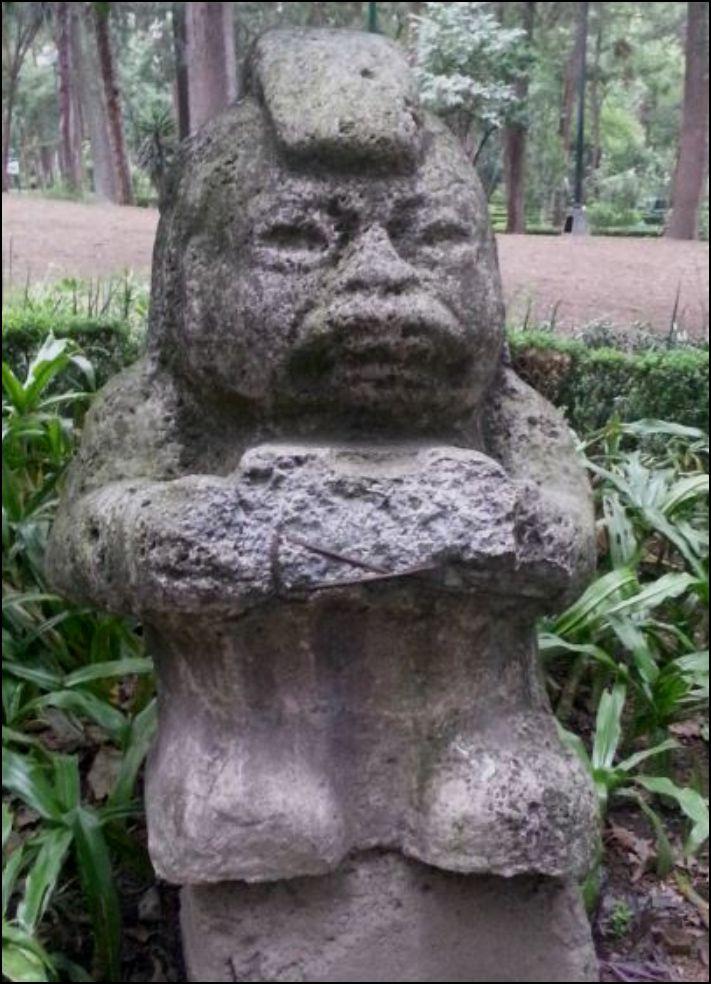 🇲🇽 MexicoChaneque
Mexican folklore sprites that guard nature and homesBeing · Protection · Cursing and harm Legendary
🇲🇽 MexicoChaneque
Mexican folklore sprites that guard nature and homesBeing · Protection · Cursing and harm Legendary
 🇬🇷 Greece and 3 moreHellhound
A mythological canine that guards the underworld or serves demonic forces across global folkloreBeing · Protection · Cursing and harm Legendary
🇬🇷 Greece and 3 moreHellhound
A mythological canine that guards the underworld or serves demonic forces across global folkloreBeing · Protection · Cursing and harm Legendary
 🇮🇪 Ireland and 5 moreFairy
A European spirit with magical powers and human form found in folklore and artBeing · Protection · Cursing and harm Legendary
🇮🇪 Ireland and 5 moreFairy
A European spirit with magical powers and human form found in folklore and artBeing · Protection · Cursing and harm Legendary
 🇮🇪 IrelandBadb
An Irish war goddess who appears as a crow to sow fear and predict death in battle.Being · Cursing and harm · Seeing and foretelling Legendary
🇮🇪 IrelandBadb
An Irish war goddess who appears as a crow to sow fear and predict death in battle.Being · Cursing and harm · Seeing and foretelling Legendary
 🇺🇸 United States and 5 moreNight hag
A supernatural being believed to sit on sleepers and cause paralysisBeing · Cursing and harm Legendary
🇩🇪 Germany and 1 moreNachzehrer
A German revenant believed to consume the living from beyond the graveBeing · Cursing and harm Legendary
🇺🇸 United States and 5 moreNight hag
A supernatural being believed to sit on sleepers and cause paralysisBeing · Cursing and harm Legendary
🇩🇪 Germany and 1 moreNachzehrer
A German revenant believed to consume the living from beyond the graveBeing · Cursing and harm Legendary
 🇮🇸 Iceland and 3 moreDraugr
A malevolent undead revenant from Nordic folklore, often guarding buried treasure.Being · Cursing and harm · Luck and prosperity Legendary
🇮🇸 Iceland and 3 moreDraugr
A malevolent undead revenant from Nordic folklore, often guarding buried treasure.Being · Cursing and harm · Luck and prosperity Legendary
 🇮🇪 IrelandPúca
A shape-shifting spirit of Celtic folklore that brings fortune or mischiefBeing · Luck and prosperity · Cursing and harm Legendary
🇮🇪 IrelandPúca
A shape-shifting spirit of Celtic folklore that brings fortune or mischiefBeing · Luck and prosperity · Cursing and harm Legendary
 🇷🇺 RussiaKikimoraКикимора
A female house spirit in Slavic folklore that reflects the state of a home.Being · Cursing and harm · Protection Legendary
🇷🇺 RussiaKikimoraКикимора
A female house spirit in Slavic folklore that reflects the state of a home.Being · Cursing and harm · Protection Legendary
 🇷🇺 Russia and 1 moreLikhoЛихо
A Slavic spirit of bad luck and misfortune, often depicted as a one-eyed creature.Being · Cursing and harm Legendary
🇷🇺 Russia and 1 moreLikhoЛихо
A Slavic spirit of bad luck and misfortune, often depicted as a one-eyed creature.Being · Cursing and harm Legendary
 🇷🇺 Russia and 3 moreLeshyлеший
A forest spirit from Slavic folklore who guards the woods and misleads travelers.Being · Protection · Cursing and harm Legendary
🇷🇺 Russia and 3 moreLeshyлеший
A forest spirit from Slavic folklore who guards the woods and misleads travelers.Being · Protection · Cursing and harm Legendary
 🇭🇷 Croatia and 5 moreVilavila (Serbian: вила), víla (Bulgarian: ви́ла)
Slavic nature spirits known for healing, storms, and deadly dancesBeing · Protection · Cursing and harm Legendary
🇭🇷 Croatia and 5 moreVilavila (Serbian: вила), víla (Bulgarian: ви́ла)
Slavic nature spirits known for healing, storms, and deadly dancesBeing · Protection · Cursing and harm Legendary
 🇨🇳 China and 2 moreFox spirit狐狸精
A shapeshifting creature from Chinese folklore that can take human form and live for centuries.Being · Cursing and harm · Love and attraction Legendary
🇨🇳 China and 2 moreFox spirit狐狸精
A shapeshifting creature from Chinese folklore that can take human form and live for centuries.Being · Cursing and harm · Love and attraction Legendary
 🇬🇧 United KingdomPuck
A mischievous domestic sprite of English folklore known for practical jokes and household choresBeing · Cursing and harm · Luck and prosperity Legendary
🇺🇦 Ukraine and 1 moreVedmakвядзьмак
A Slavic male warlock or witch with shamanic roots and shape-shifting powersBeing · Healing · Cursing and harm Legendary
🇮🇳 India and 1 morePichal periਪਿੱਛਲ ਪੈਰੀ
A backward-footed female spirit of northwestern South Asia and Central AsiaBeing · Cursing and harm Legendary
🇬🇧 United KingdomPuck
A mischievous domestic sprite of English folklore known for practical jokes and household choresBeing · Cursing and harm · Luck and prosperity Legendary
🇺🇦 Ukraine and 1 moreVedmakвядзьмак
A Slavic male warlock or witch with shamanic roots and shape-shifting powersBeing · Healing · Cursing and harm Legendary
🇮🇳 India and 1 morePichal periਪਿੱਛਲ ਪੈਰੀ
A backward-footed female spirit of northwestern South Asia and Central AsiaBeing · Cursing and harm Legendary
 🇲🇽 Mexico and 5 moreSihuanaba
A shapeshifting spirit that lures men with beauty before revealing a monstrous faceBeing · Cursing and harm Legendary
🇲🇽 Mexico and 5 moreSihuanaba
A shapeshifting spirit that lures men with beauty before revealing a monstrous faceBeing · Cursing and harm Legendary
 🇺🇸 United States and 2 moreRougarou
A lycanthrope legend from French-speaking communities in North AmericaBeing · Cursing and harm Legendary
🇳🇴 Norway and 1 moreTroll cat
A familiar spirit in Nordic folklore blamed for stealing milk and cream from farmsBeing · Cursing and harm Legendary
🇷🇴 Romania and 2 moreSolomonariȘolomonar
A Romanian weather wizard who rides a dragon and controls the storms.Being · Cursing and harm · Luck and prosperity Legendary
🇯🇵 JapanOsaki尾先
A mountain spirit in Japanese folklore that brings wealth or possession.Being · Luck and prosperity · Cursing and harm Legendary
🇨🇦 CanadaWechuge
A man-eating spirit from Athabaskan legend born of taboo and excessive powerBeing · Cursing and harm Legendary
🇵🇱 Poland and 1 moreDydko
A Polish folk creature evolved from a Slavic house demon into a night-time scarecrow.Being · Cursing and harm Legendary
🇦🇿 AzerbaijanBastyBasdı
A group of evil spirits and goblins from Turkic folklore in Anatolia.Being · Cursing and harm Legendary
🇺🇸 United States and 2 moreRougarou
A lycanthrope legend from French-speaking communities in North AmericaBeing · Cursing and harm Legendary
🇳🇴 Norway and 1 moreTroll cat
A familiar spirit in Nordic folklore blamed for stealing milk and cream from farmsBeing · Cursing and harm Legendary
🇷🇴 Romania and 2 moreSolomonariȘolomonar
A Romanian weather wizard who rides a dragon and controls the storms.Being · Cursing and harm · Luck and prosperity Legendary
🇯🇵 JapanOsaki尾先
A mountain spirit in Japanese folklore that brings wealth or possession.Being · Luck and prosperity · Cursing and harm Legendary
🇨🇦 CanadaWechuge
A man-eating spirit from Athabaskan legend born of taboo and excessive powerBeing · Cursing and harm Legendary
🇵🇱 Poland and 1 moreDydko
A Polish folk creature evolved from a Slavic house demon into a night-time scarecrow.Being · Cursing and harm Legendary
🇦🇿 AzerbaijanBastyBasdı
A group of evil spirits and goblins from Turkic folklore in Anatolia.Being · Cursing and harm Legendary
 🇨🇳 China and 4 moreDragon
A serpentine mythical creature found in global folklore and art, representing power, chaos, or imperial authority.Being · Power and authority · Cursing and harm Legendary
🇨🇳 China and 4 moreDragon
A serpentine mythical creature found in global folklore and art, representing power, chaos, or imperial authority.Being · Power and authority · Cursing and harm Legendary
 🇮🇹 Italy and 1 moreCupidCupīdō
A Roman deity of desire and erotic love, often depicted with a bow and arrow.Being · Love and attraction · Cursing and harm Legendary
🇮🇹 Italy and 1 moreCupidCupīdō
A Roman deity of desire and erotic love, often depicted with a bow and arrow.Being · Love and attraction · Cursing and harm Legendary
 🇬🇷 GreeceErymanthian Boarὁ Ἐρυμάνθιος κάπρος
A wild boar from Greek myth captured by Heracles as his fourth labourBeing · Cursing and harm Legendary
🇬🇷 GreeceErymanthian Boarὁ Ἐρυμάνθιος κάπρος
A wild boar from Greek myth captured by Heracles as his fourth labourBeing · Cursing and harm Legendary
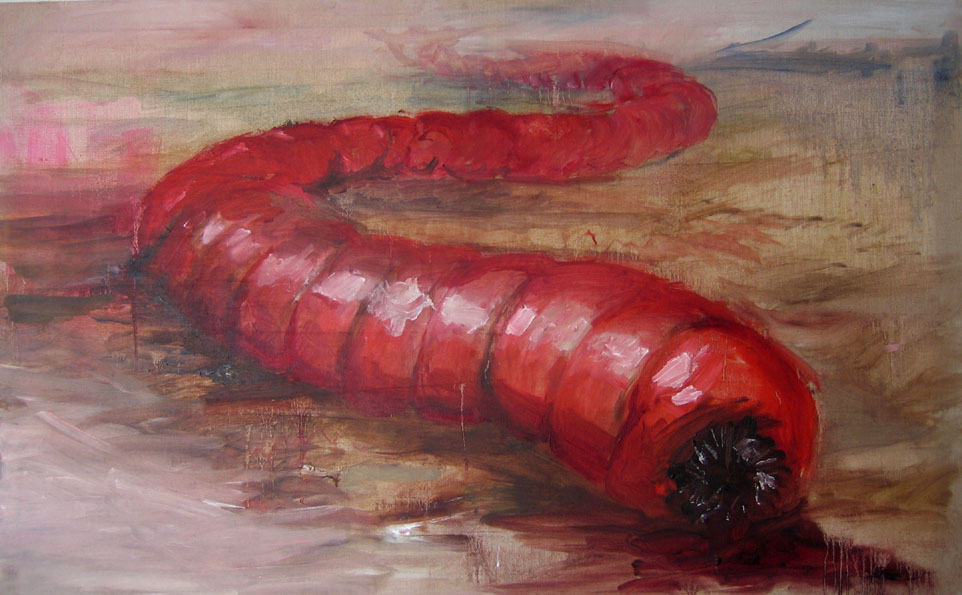 🇲🇳 MongoliaMongolian death wormолгой-хорхой (olgoi-khorkhoi)
A legendary desert creature said to kill with venom or electricityBeing · Cursing and harm Legendary
🇲🇳 MongoliaMongolian death wormолгой-хорхой (olgoi-khorkhoi)
A legendary desert creature said to kill with venom or electricityBeing · Cursing and harm Legendary
 🇮🇳 IndiaMahishasuraमहिषासुर
A bovine asura slain by the goddess Durga in Hindu myth and legendBeing · Cursing and harm Legendary
🇬🇷 GreeceEmpusaἜμπουσα
A shape-shifting phantom of Greek myth with a single brass leg, sent by Hecate to seduce and devour young men.Being · Cursing and harm · Speaking with spirits and the dead Legendary
🇦🇱 Albania and 4 moreDhampir
A half-vampire figure from Balkan folklore who hunts the undeadBeing · Cursing and harm Legendary
🇮🇳 IndiaMahishasuraमहिषासुर
A bovine asura slain by the goddess Durga in Hindu myth and legendBeing · Cursing and harm Legendary
🇬🇷 GreeceEmpusaἜμπουσα
A shape-shifting phantom of Greek myth with a single brass leg, sent by Hecate to seduce and devour young men.Being · Cursing and harm · Speaking with spirits and the dead Legendary
🇦🇱 Albania and 4 moreDhampir
A half-vampire figure from Balkan folklore who hunts the undeadBeing · Cursing and harm Legendary
 🇨🇭 Switzerland and 3 moreTatzelwurm
A cat-headed lizard of the Alps, said to guard mines and drink cow milk.Being · Cursing and harm · Luck and prosperity Legendary
🇨🇭 Switzerland and 3 moreTatzelwurm
A cat-headed lizard of the Alps, said to guard mines and drink cow milk.Being · Cursing and harm · Luck and prosperity Legendary
 🇲🇽 MexicoCamazotz
A bat spirit of the Maya underworld linked to night, death, and sacrificeBeing · Cursing and harm · Power and authority Legendary
🇲🇽 MexicoCamazotz
A bat spirit of the Maya underworld linked to night, death, and sacrificeBeing · Cursing and harm · Power and authority Legendary
 🇸🇪 Sweden and 5 moreLindwormlindorm
A serpentine dragon of Northern and Central European folklore, often depicted as limbless or winged.Being · Luck and prosperity · Cursing and harm Legendary
🇸🇪 Sweden and 5 moreLindwormlindorm
A serpentine dragon of Northern and Central European folklore, often depicted as limbless or winged.Being · Luck and prosperity · Cursing and harm Legendary
 🇪🇹 EthiopiaCatoblepas
A legendary beast from ancient texts with a heavy head and a lethal gaze or breath.Being · Cursing and harm Legendary
🇪🇹 EthiopiaCatoblepas
A legendary beast from ancient texts with a heavy head and a lethal gaze or breath.Being · Cursing and harm Legendary
 🇯🇵 JapanGashadokuroがしゃどくろ
A giant skeleton spirit born from the bones of those who died in war or famine.Being · Cursing and harm Legendary
🇯🇵 JapanGashadokuroがしゃどくろ
A giant skeleton spirit born from the bones of those who died in war or famine.Being · Cursing and harm Legendary
 🇫🇮 FinlandIku-Turso
A primordial giant and sea monster from Finnish mythologyBeing · Power and authority · Cursing and harm Legendary
🇯🇵 JapanRaijū雷獣
A Japanese lightning creature that sleeps in navels and falls from stormsBeing · Cursing and harm Legendary
🇫🇮 FinlandIku-Turso
A primordial giant and sea monster from Finnish mythologyBeing · Power and authority · Cursing and harm Legendary
🇯🇵 JapanRaijū雷獣
A Japanese lightning creature that sleeps in navels and falls from stormsBeing · Cursing and harm Legendary
 🇺🇸 United StatesGoatman
A goat-human hybrid blamed for dog deaths in Maryland woodsBeing · Cursing and harm Legendary
🇷🇴 Romania and 5 moreBalaur
A many-headed dragon from Romanian folklore that guards treasures and controls the weather.Being · Cursing and harm · Power and authority Legendary
🇺🇸 United StatesGoatman
A goat-human hybrid blamed for dog deaths in Maryland woodsBeing · Cursing and harm Legendary
🇷🇴 Romania and 5 moreBalaur
A many-headed dragon from Romanian folklore that guards treasures and controls the weather.Being · Cursing and harm · Power and authority Legendary
Photo credits on this page
The small pictures above come from Wikimedia Commons under free licences. Some are cropped to fit.
- Maya mythology: Unknown author, Public domain, source
- Grootslang: Jeff McArthur (Guategeek), CC BY-SA 3.0, source
- Chullachaqui: LLs, CC BY-SA 4.0, source
- Lightning bird: Photo by and (C)2007 Derek Ramsey ( Ram-Man ), CC BY-SA 2.5, source
- Chaneque: Unknown author, CC BY-SA 4.0, source
- Hellhound: Louis Le Breton, Public domain, source
- Badb: Commonists, CC BY-SA 4.0, source
- Night hag: Henry Fuseli, Public domain, source
- Draugr: Kim Diaz Holm, CC BY 4.0, source
- Púca: Wirt Sikes, Public domain, source
- Kikimora: Гиппиус Татьяна Николаевна (1877-1957), Public domain, source
- Likho: Mhapon, CC BY-SA 4.0, source
- Leshy: Γραφέας, CC BY-SA 4.0, source
- Vila: Scan by NYPL, Public domain, source
- Fox spirit: Chen Menglei, Public domain, source
- Fairy: Henry Fuseli, Public domain, source
- Rokurokubi: Unknown author, CC BY 4.0, source
- Sihuanaba: Orlando Callejas, CC BY-SA 4.0, source
- Cupid: Bertel Thorvaldsen, CC BY-SA 3.0, source
- Dragon: Katsushika Hokusai, Public domain, source
- Erymanthian Boar: Antimenes Painter, Public domain, source
- Mongolian death worm: The original uploader was Pieter0024 at English Wikipedia ., CC BY-SA 1.0, source
- Mahishasura: Prakashsubbarao at English Wikipedia, Public domain, source
- Tatzelwurm: Abrasax, CC BY-SA 3.0 de, source
- Lindworm: Unknown author, Public domain, source
- Catoblepas: Jan Jonston, Public domain, source
- Gashadokuro: Unknown author, Public domain, source
- Iku-Turso: Hugo Simberg, Public domain, source
- Goatman: Jack Boucher, Public domain, source
- Puck: Joseph Noel Paton, Public domain, source
- Rougarou: XxxJohnDoExxxx, CC BY-SA 4.0, source