
Mahishasura
In its own language: महिषासुर
from Sanskrit mahisha (buffalo) and asura (power-seeking being)
A bovine asura slain by the goddess Durga in Hindu myth and legend
Mahishasura is a buffalo-demon from Hindu texts who waged war against the devas. He was killed by the goddess Durga, an event celebrated during Navaratri festivals across India.
- Son of the asura Rambha
- Killed by goddess Durga
- Celebrated during Navaratri
- Referred to as Hudur Durga by Santals
- Symbol of ignorance in Hindu art
What it is
Mahishasura is a bovine asura in Hindu cosmology. Asuras are rivals to the devas rather than pure evil. Mahishasura pursued his goals through shape-shifting. He gained a boon that no man could kill him. The devas were defeated by him. Their combined energy created the goddess Durga. She killed him with a trident. This act earned her the name Mahishasuramardini. The story symbolizes the triumph of good over evil.
Where it comes from
The legend appears in the Devi Mahatmya text. It is part of the Markandeya Purana. Scholars note variations across different Puranas. Some texts say Lakshmi or other goddesses slew him. Indologists view it as a theological statement. It represents divine power and cosmic order. The narrative details shift between sources.
Tools and materials
Durga uses a trishula to slay the demon. Art often shows her serene while he is overwhelmed. The trident pierces his heart. This imagery appears in South Asian temples. Sculptures depict the battle at sites like Ellora Caves.
Mahishasura, drawn and placed
- Living
- Revived
- Fading
- Historical
- Legendary
- Performed
- Lineage
- Shaktism
What it is for
The story is reenacted during Navaratri. It celebrates the defeat of the demon. Devotees see it as protection for the world. The festival culminates in Vijayadashami. It reinforces the power of the goddess.
Who does it
Scholars analyze the varying texts. They study how the myth evolved. Different sects identify the slayer differently. The narrative is central to Shaktism. It is taught in temple traditions.
Peoples and places
Hindus celebrate the victory globally. The Asur tribe mourns his death. They view him as a benevolent ancestor. Kherwal Santals call him Hudur Durga. They consider Durga the villain. Their rituals differ from mainstream Hindu practices.
At a glance: who, where and when


What people believe
Mahishasura represents ignorance and chaos. His outer form hides demonic goals. The battle shows the manifestation of shakti. Divine power protects the gods. The myth explains cosmic balance. It is not just a historical event.
When it is done
Navaratri honors the battle. Nine nights of celebration occur. Vijayadashami marks the final defeat. Mysuru Dasara also commemorates the event. Temples host reenactments annually.
How scholars and sceptics see it
Researchers treat the Devi Mahatmya as standard. They note fluidity in later texts. Regional traditions preserve unique versions. The corpus adapts episodes differently. Scholars focus on divine power themes.
Cautions and what is closed
The Asur community feels unjustly treated. They mourn during Durga Puja. Mainstream Hindus do not share this grief. Tensions exist between narratives. The Asurs revere their own ancestor.
Compare and confuse
Raktabīja and Sumbha are similar demons. Rambha is his father. Mahishi is his sister. These figures appear in related myths. They share the asura lineage.
Days linked to Mahishasura
Questions people ask about Mahishasura
Who is Mahishasura?
He is a bovine asura in Hinduism. He is a rival to the devas. He used shape-shifting to pursue his goals. He was ultimately slain by the goddess Durga.
Where does the story come from?
It originates in the Devi Mahatmya text. This is part of the Markandeya Purana. Variations exist in other Puranas. The narrative is central to Shaktism.
Why is he important?
His defeat symbolizes good over evil. It demonstrates the power of the goddess. The event is celebrated in festivals. It reinforces cosmic order in Hindu belief.
How do different groups view him?
Hindus see him as a demon. The Asur tribe views him as an ancestor. They mourn his death during Durga Puja. Their perspective differs significantly.
Good reading and sources
- Mahishasura on WikipediaEncyclopedia
- More photos on Wikimedia CommonsPhotos and video
- Wikidata recordOpen data
The facts on this page come from the Wikipedia article "Mahishasura", written by its contributors and used under the CC BY-SA 4.0 licence, and from its Wikidata record (CC0). EveryJaadu rewrote the text in its own words, with AI assistance, and compares every page with the article to make sure no passage is copied. It may be reused under the same CC BY-SA 4.0 licence with a link back.
It may contain mistakes. Names and customs differ from one community to the next, and some knowledge is closed to outsiders and left out here. This page describes belief and practice. It does not say that any of it works, it is not a how-to, and it is not medical advice. If something is wrong, tell us. Last refreshed 2026-10-06.
More from India
All the entries from India 🇮🇳 India and 5 morePretaप्रेत
A suffering spirit of insatiable hunger found in Asian religious traditionsBeing · Speaking with spirits and the dead Living
🇮🇳 IndiaAlakshmiदेवी अलक्ष्मी
A Hindu goddess of misfortune and the shadow opposite to LakshmiBeing · Cursing and harm Living
🇮🇳 India and 5 morePretaप्रेत
A suffering spirit of insatiable hunger found in Asian religious traditionsBeing · Speaking with spirits and the dead Living
🇮🇳 IndiaAlakshmiदेवी अलक्ष्मी
A Hindu goddess of misfortune and the shadow opposite to LakshmiBeing · Cursing and harm Living
 🇮🇳 IndiaTaraतारा (Sanskrit), তারা (Bengali)
A fierce Hindu goddess of protection and wisdom, central to the Mahavidya tradition.Being · Protection · Power and authority Living
🇮🇳 IndiaTaraतारा (Sanskrit), তারা (Bengali)
A fierce Hindu goddess of protection and wisdom, central to the Mahavidya tradition.Being · Protection · Power and authority Living
 🇮🇳 India and 1 moreLakshmiलक्ष्मी
A Hindu goddess of wealth, prosperity, and beauty, worshipped as the consort of Vishnu.Being · Luck and prosperity · Power and authority Living
🇮🇳 India and 1 moreLakshmiलक्ष्मी
A Hindu goddess of wealth, prosperity, and beauty, worshipped as the consort of Vishnu.Being · Luck and prosperity · Power and authority Living
Related elsewhere
All being 🇷🇸 Serbia and 5 moreVampire
An undead creature from folklore that feeds on the blood or life force of the livingBeing · Cursing and harm · Luck and prosperity Legendary
🇷🇸 Serbia and 5 moreVampire
An undead creature from folklore that feeds on the blood or life force of the livingBeing · Cursing and harm · Luck and prosperity Legendary
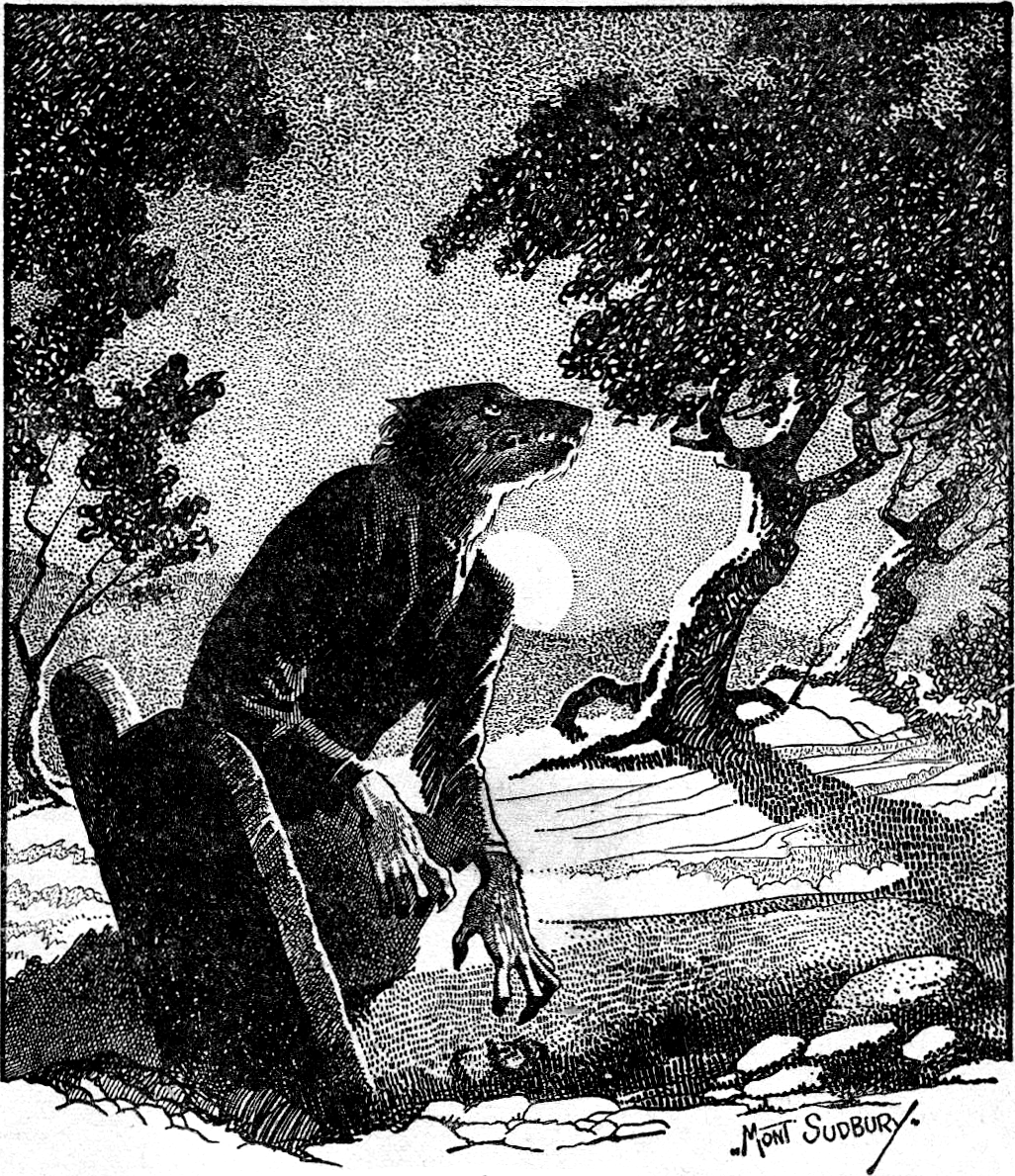 🇫🇷 France and 5 moreWerewolf
A mythical shapeshifter that turns into a wolf, central to European witch-hunts and Gothic horror.Being · Cursing and harm · Wonder and entertainment Legendary
🇫🇷 France and 5 moreWerewolf
A mythical shapeshifter that turns into a wolf, central to European witch-hunts and Gothic horror.Being · Cursing and harm · Wonder and entertainment Legendary
 🇪🇬 Egypt and 1 moreLilithלִילִית
A feminine figure from Mesopotamian and Jewish mythology, often depicted as a night demon or spirit.Being · Cursing and harm Legendary
🇪🇬 Egypt and 1 moreLilithלִילִית
A feminine figure from Mesopotamian and Jewish mythology, often depicted as a night demon or spirit.Being · Cursing and harm Legendary
 🇪🇬 EgyptCurse
A spoken wish for misfortune to befall a person or placeBelief · Cursing and harm · Luck and prosperity Historical
🇪🇬 EgyptCurse
A spoken wish for misfortune to befall a person or placeBelief · Cursing and harm · Luck and prosperity Historical