
The Goatman is an urban legend from Prince George's County, Maryland, describing a creature with a human face and goat body. It is said to attack dogs and cars, often linked to local roads and abandoned areas.
- Legend centers on Prince George's County, Maryland
- Described as a human-goat hybrid or hairy humanoid
- Blamed for dog deaths and car attacks
- First documented by student George Lizama in 1971
- Sometimes identified as mutated scientist Dr. Stephen Fletcher
What it is
The Goatman is a figure from American folklore, specifically an urban legend centered on Prince George's County, Maryland. Descriptions vary between a hairy humanoid and a human with the lower body of a goat, similar to Roman fauns. The creature is widely believed to inhabit wooded areas near abandoned trailer parks and specific roads like Fletchertown Road. It is credited with killing dogs and attacking vehicles or people who travel through these regions at night.
Where it comes from
Records indicate the legend gained traction in May 1971 when University of Maryland student George Lizama documented it for a folklore project. Reporter Karen Hosler later published findings in October 1971, linking the creature to Bowie and suggesting origins at the Beltsville Agricultural Research Center. Some tales are set in the late 1930s, following unexplained canine deaths attributed to the beast rather than passing trains.
How it is done
Stories describe the Goatman as a nocturnal predator that lurks in shadows. It is said to emerge from makeshift shelters in northeastern Prince George's County to hunt animals and humans. Variations claim it attacks couples at "lover's lanes" or rams cars near Beltsville. The creature is often depicted as aggressive toward any living thing it encounters in its territory.
Goatman, drawn and placed
- Living
- Revived
- Fading
- Historical
- Legendary
- Performed
- Lineage
- urban legend
What it is for
The legend serves as a cautionary tale for locals, particularly teenagers and drivers. It explains mysterious dog deaths and provides a narrative for strange occurrences in isolated areas. The story persists partly due to bored youths spreading rumors and pranking law enforcement with fake sighting reports.
Peoples and places
The myth is deeply rooted in Maryland culture, specifically within Prince George's County. Folklorist Barry Pearson notes that local residents popularized the story after blaming a dog's death on the creature. The legend remains active among students and locals who frequent roads like Tucker Road and Fletchertown Road, keeping the tale alive through repetition and graffiti.
At a glance: who, where and when
Peoples

What people believe
The Goatman represents a hybrid fear of the wild and the unnatural. Some versions claim it was once Dr. Stephen Fletcher, a scientist mutated by a failed experiment at the Beltsville Agricultural Research Center. Other accounts describe him as a hermit living in the woods. These narratives blend scientific failure with traditional monster tropes to explain unexplained events.
How scholars and sceptics see it
University of Maryland folklorist Barry Pearson analyzes the legend as a product of local boredom and social interaction. He suggests that teenagers perpetuate the story to create excitement around specific locations. Academic records, such as Lizama’s 1971 project, treat the Goatman as a cultural artifact reflecting community fears and storytelling habits rather than a biological reality.
Compare and confuse
The Goatman shares traits with the Satyr and Faun from Roman mythology. Similar legends include Kentucky's Pope Lick Monster and Texas's Lake Worth Monster. These creatures all feature goat-like hybrids and serve as regional boogeymen, though the Goatman is distinctively tied to modern suburban infrastructure like research centers and highways.
Today
The legend continues to circulate through local archives and oral tradition. Graffiti reading "Goatman was here" remains common in the area. Law enforcement still receives prank calls about sightings, indicating the story's enduring presence in local pop culture and youth folklore.
Questions people ask about Goatman
What is the Goatman?
The Goatman is an urban legend from Maryland describing a creature with a human face and goat body. It is said to live in wooded areas and attack dogs or cars.
Where does the Goatman live?
The creature is rumored to reside in Prince George's County, Maryland. Specific locations include areas near Fletchertown Road and abandoned trailer parks.
How did the legend start?
The story gained attention in 1971 when a university student documented it. Earlier tales from the 1930s blamed the creature for dog deaths, though trains may have caused them.
Is the Goatman a real animal?
No, it is a fictional character from folklore. Descriptions vary, but it is generally considered a myth created to explain unexplained events or frighten locals.
Good reading and sources
The facts on this page come from the Wikipedia article "Goatman (urban legend)", written by its contributors and used under the CC BY-SA 4.0 licence, and from its Wikidata record (CC0). EveryJaadu rewrote the text in its own words, with AI assistance, and compares every page with the article to make sure no passage is copied. It may be reused under the same CC BY-SA 4.0 licence with a link back.
It may contain mistakes. Names and customs differ from one community to the next, and some knowledge is closed to outsiders and left out here. This page describes belief and practice. It does not say that any of it works, it is not a how-to, and it is not medical advice. If something is wrong, tell us. Last refreshed 2026-10-06.
More from the United States
All the entries from the United States 🇺🇸 United States and 5 moreNight hag
A supernatural being believed to sit on sleepers and cause paralysisBeing · Cursing and harm Legendary
🇺🇸 United States and 5 moreNight hag
A supernatural being believed to sit on sleepers and cause paralysisBeing · Cursing and harm Legendary
 🇺🇸 United StatesJersey Devil
A legendary creature from South Jersey folklore said to inhabit the Pine Barrens.Being · Wonder and entertainment Legendary
🇺🇸 United StatesJersey Devil
A legendary creature from South Jersey folklore said to inhabit the Pine Barrens.Being · Wonder and entertainment Legendary
 🇺🇸 United States and 2 moreRougarou
A lycanthrope legend from French-speaking communities in North AmericaBeing · Cursing and harm Legendary
🇺🇸 United States and 2 moreRougarou
A lycanthrope legend from French-speaking communities in North AmericaBeing · Cursing and harm Legendary
Related elsewhere
All being 🇷🇸 Serbia and 5 moreVampire
An undead creature from folklore that feeds on the blood or life force of the livingBeing · Cursing and harm · Luck and prosperity Legendary
🇷🇸 Serbia and 5 moreVampire
An undead creature from folklore that feeds on the blood or life force of the livingBeing · Cursing and harm · Luck and prosperity Legendary
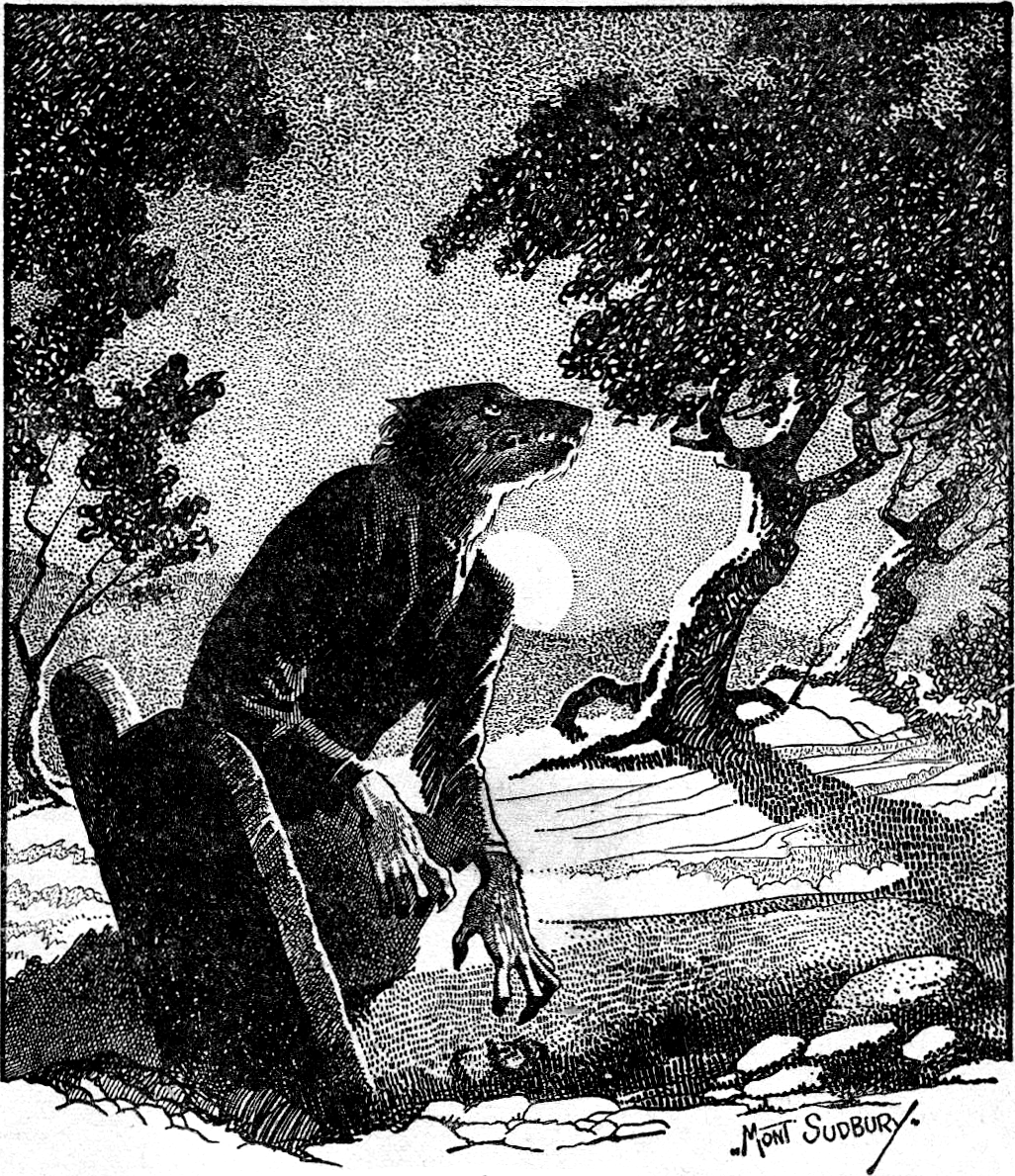 🇫🇷 France and 5 moreWerewolf
A mythical shapeshifter that turns into a wolf, central to European witch-hunts and Gothic horror.Being · Cursing and harm · Wonder and entertainment Legendary
🇫🇷 France and 5 moreWerewolf
A mythical shapeshifter that turns into a wolf, central to European witch-hunts and Gothic horror.Being · Cursing and harm · Wonder and entertainment Legendary
 🇪🇬 Egypt and 1 moreLilithלִילִית
A feminine figure from Mesopotamian and Jewish mythology, often depicted as a night demon or spirit.Being · Cursing and harm Legendary
🇪🇬 Egypt and 1 moreLilithלִילִית
A feminine figure from Mesopotamian and Jewish mythology, often depicted as a night demon or spirit.Being · Cursing and harm Legendary
 🇪🇬 EgyptCurse
A spoken wish for misfortune to befall a person or placeBelief · Cursing and harm · Luck and prosperity Historical
🇪🇬 EgyptCurse
A spoken wish for misfortune to befall a person or placeBelief · Cursing and harm · Luck and prosperity Historical