
Catoblepas
from Latin catōblepas, ultimately from Greek katablépō meaning to look downwards
A legendary beast from ancient texts with a heavy head and a lethal gaze or breath.
The catoblepas is a mythical creature described in classical literature as living in Aethiopia. It is said to have a heavy head that forces it to look down, and its stare or breath is believed to kill those who encounter it.
- First described by Pliny the Elder in Natural History
- Head is so heavy it must always point downward
- Gaze or breath is said to be lethal to humans
- Often linked to real wildebeest or gnu animals
- Appears in modern fantasy games and literature
What it is
The catoblepas is a legendary creature from ancient descriptions of Aethiopia. It is often depicted as resembling a cape buffalo or a hog with a heavy mane. The defining feature of the beast is its head, which is so large and heavy that it must always point toward the ground. This posture prevents it from looking up at people. Ancient writers claimed that its gaze or its breath could kill humans instantly. Some sources describe it as an African version of a Gorgon, linking it to other mythological monsters known for their deadly powers.
Where it comes from
The creature first appears in the works of Pliny the Elder and Claudius Aelianus. Pliny described it as a sluggish, mid-sized herbivore with a face turned permanently to the earth. He noted that its heavy head was fortunate because its gaze was lethal, similar to the basilisk. Later accounts by Pomponius Mela echoed these details but added that the animal was passive and did not physically attack others. Timotheus of Gaza later added that the creature emitted fire from its nostrils. Claudius Aelianus provided a fuller picture, describing narrow bloodshot eyes and a scaly back. He stated that while the gaze was not lethal, the breath was poisonous because the beast ate only toxic vegetation.
Catoblepas, drawn and placed
- Living
- Revived
- Fading
- Historical
- Legendary
- Performed
- Lineage
- Classical mythology
How scholars and sceptics see it
Modern scholars and dictionaries often suggest that the catoblepas is based on real-life encounters with wildebeest. The animal's habit of lowering its head to graze may have inspired the description of a creature that cannot lift its head. Some etymologists note that the word is sometimes used synonymously with gnu. The classification of the black wildebeest as Catoblepas operculatus by Brookes in 1828 likely references the animal's horns and downturned head. These connections suggest that the myth grew from observations of African wildlife filtered through classical imagination.
Compare and confuse
The catoblepas is frequently compared to the basilisk due to its lethal gaze. It is also linked to the Gorgon, serving as an African counterpart to that mythological figure. In some depictions, it shares features with hogs or buffaloes. The creature has been confused with or adapted into various forms in fantasy media, including iron-scaled cattle and cow-like monsters. Its name and attributes appear in role-playing games and card games, where it retains its core traits of lethality and heaviness.
Today
The catoblepas survives in literature and popular culture. It appears in the works of Leonardo da Vinci, Gustave Flaubert, and Sir Philip Sidney. Jorge Luis Borges included it in his Book of Imaginary Beings. Modern appearances include video games like Dungeons & Dragons, Magic: The Gathering, Castlevania, and Final Fantasy. In these contexts, it is portrayed as a monster with poisonous breath or gaze, often resembling a scaled bull or ox. The creature remains a staple of fantasy bestiaries and imaginative fiction.
Questions people ask about Catoblepas
What is a catoblepas?
It is a legendary creature from ancient texts, described as having a heavy head that forces it to look down. It is said to live in Aethiopia and possess a lethal gaze or poisonous breath.
Where does the word come from?
The name comes from the Latin catōblepas, which derives from the Greek katablépō, meaning to look downwards. This reflects the creature's constant downward posture.
Is the catoblepas based on a real animal?
Scholars believe it is based on encounters with wildebeest. The animal's grazing habits and appearance match the ancient descriptions of a heavy-headed beast.
How is it different from a basilisk?
Both are said to have lethal gazes. However, the catoblepas is described as a large herbivore with a heavy head, while the basilisk is typically a small serpent or lizard.
Good reading and sources
- Catoblepas on WikipediaEncyclopedia
- More photos on Wikimedia CommonsPhotos and video
- Wikidata recordOpen data
The facts on this page come from the Wikipedia article "Catoblepas", written by its contributors and used under the CC BY-SA 4.0 licence, and from its Wikidata record (CC0). EveryJaadu rewrote the text in its own words, with AI assistance, and compares every page with the article to make sure no passage is copied. It may be reused under the same CC BY-SA 4.0 licence with a link back.
It may contain mistakes. Names and customs differ from one community to the next, and some knowledge is closed to outsiders and left out here. This page describes belief and practice. It does not say that any of it works, it is not a how-to, and it is not medical advice. If something is wrong, tell us. Last refreshed 2026-10-06.
More from Ethiopia
All the entries from Ethiopia 🇨🇳 China and 4 moreDragon
A serpentine mythical creature found in global folklore and art, representing power, chaos, or imperial authority.Being · Power and authority · Cursing and harm Legendary
🇨🇳 China and 4 moreDragon
A serpentine mythical creature found in global folklore and art, representing power, chaos, or imperial authority.Being · Power and authority · Cursing and harm Legendary
 🇮🇱 Israel and 5 moreAstaroth
An arch-demon in Western occultism, derived from the ancient goddess Astarte.Being · Power and authority · Cursing and harm Historical
🇮🇱 Israel and 5 moreAstaroth
An arch-demon in Western occultism, derived from the ancient goddess Astarte.Being · Power and authority · Cursing and harm Historical
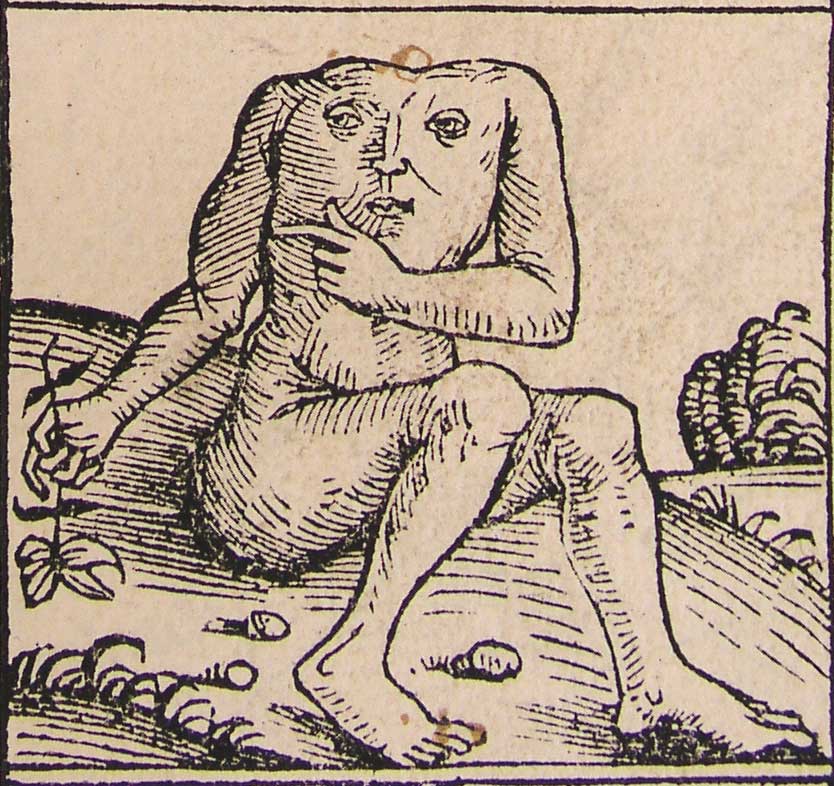 🇱🇾 Libya and 4 moreHeadless men
A legendary race of people described as lacking heads or having facial features on their chest.Being · Wonder and entertainment Legendary
🇱🇾 Libya and 4 moreHeadless men
A legendary race of people described as lacking heads or having facial features on their chest.Being · Wonder and entertainment Legendary
 🇮🇳 India and 1 moreCrocotta
A mythical dog-wolf of India and Ethiopia that mimics human voicesBeing · Cursing and harm Legendary
🇮🇳 India and 1 moreCrocotta
A mythical dog-wolf of India and Ethiopia that mimics human voicesBeing · Cursing and harm Legendary
Related elsewhere
All being 🇷🇸 Serbia and 5 moreVampire
An undead creature from folklore that feeds on the blood or life force of the livingBeing · Cursing and harm · Luck and prosperity Legendary
🇷🇸 Serbia and 5 moreVampire
An undead creature from folklore that feeds on the blood or life force of the livingBeing · Cursing and harm · Luck and prosperity Legendary
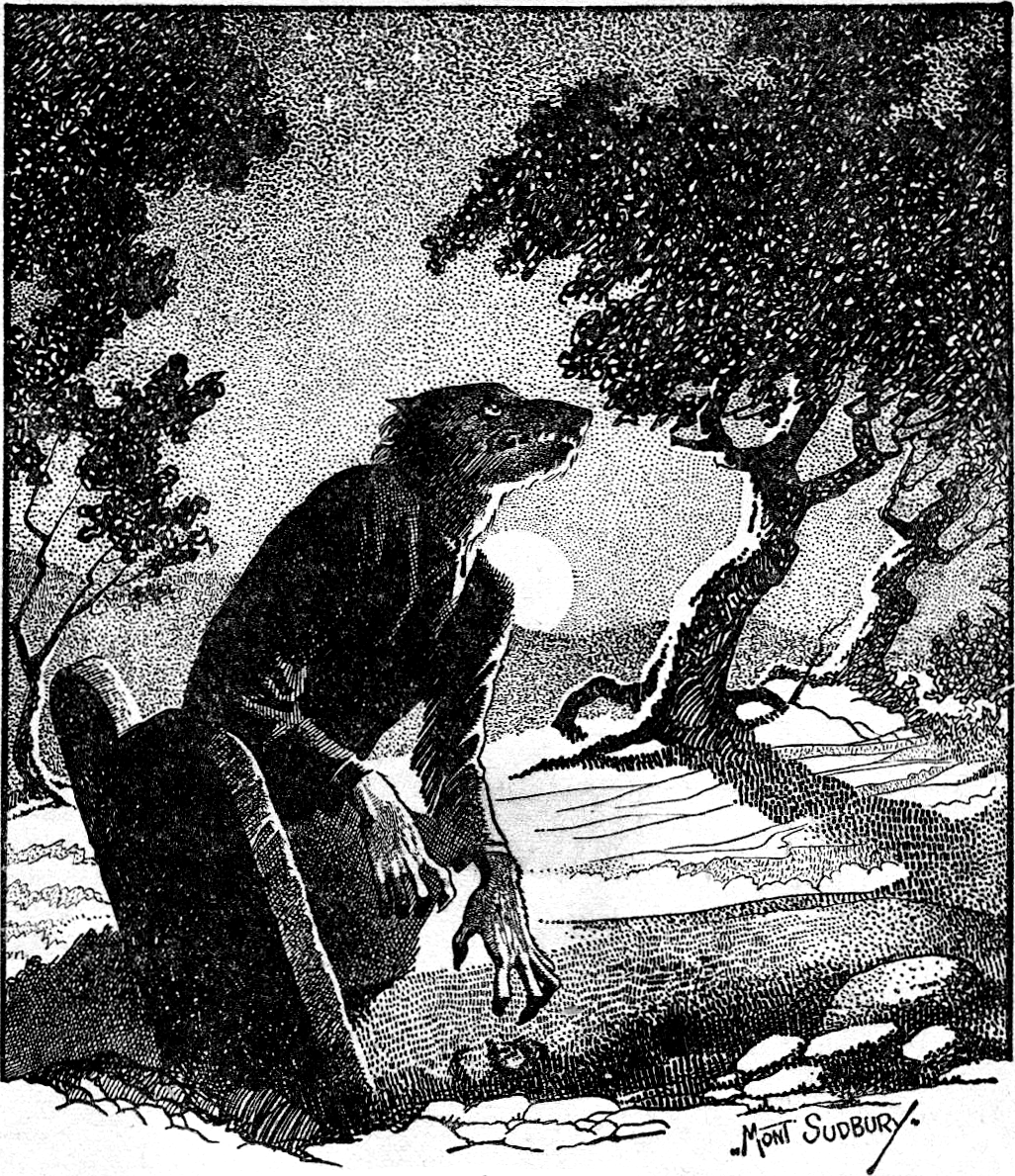 🇫🇷 France and 5 moreWerewolf
A mythical shapeshifter that turns into a wolf, central to European witch-hunts and Gothic horror.Being · Cursing and harm · Wonder and entertainment Legendary
🇫🇷 France and 5 moreWerewolf
A mythical shapeshifter that turns into a wolf, central to European witch-hunts and Gothic horror.Being · Cursing and harm · Wonder and entertainment Legendary
 🇬🇧 United KingdomBideford witch trial
The final English hangings for witchcraft in 1682.Belief · Cursing and harm Historical
🇬🇧 United KingdomBarghest
A mythical black dog from Northern England that foretells death and haunts the countryside.Being · Seeing and foretelling · Cursing and harm Legendary
🇬🇧 United KingdomBideford witch trial
The final English hangings for witchcraft in 1682.Belief · Cursing and harm Historical
🇬🇧 United KingdomBarghest
A mythical black dog from Northern England that foretells death and haunts the countryside.Being · Seeing and foretelling · Cursing and harm Legendary