Seeing and foretelling
Divination, omens and oracles: asking what is hidden or still to come.
Divination is the attempt to learn what is hidden or still to come. It is found in nearly every culture, from the Chinese I Ching and Ifa in West Africa to the tarot, astrology, palm reading, the Roman augurs and the Greek oracle at Delphi. People consult diviners about marriage, trade, health, journeys and loss. This page covers who reads, what is read, and how the practice is regarded. It is among the oldest and most widely repeated forms of ritual.
What is read
Diviners read many things. Some read natural signs, such as birds, the entrails of animals, cracks in a heated shell or bone, and the stars. Some read objects thrown or drawn at random, such as bones, cowries, cards, runes, tea leaves or lots. Others receive answers in trance, dreams or possession. In China, oracle bones used in the Shang period are among the earliest written records. Many diviners say the reading is shaped by the question asked.
Who reads
The role can be a profession, a family inheritance, or a sign of calling. Ifa babalawo are men, while the Greek Pythia was a woman. Astrologers served courts in India, Persia and Europe, and card readers in cities serve poorer clients. Class and gender shape trust: a palace astrologer and a roadside parrot-reader may use the same texts and be judged very differently. Readers of the same system may disagree, and the best known diviners are expected to admit that signs can be read more than one way.
Law and religion
Responses vary. The Hebrew Bible forbids certain divination, medieval Christian authorities condemned it, and Islamic scholars largely reject claims to know the unseen, while still permitting dream interpretation and astrology in some schools. Modern states regulate fortune-telling under fraud laws, and some Indian states have passed laws against exploitative practices. Divination also persists inside religion, as in Ifa and Buddhist temple lots. Other traditions, such as Buddhism and Sikhism, reject much divination as a distraction from the path, while their followers may still visit astrologers for family matters.
Why it endures
Psychologists explain its appeal through the Barnum effect and confirmation bias, and a good reader also reads the client. Anthropologists add that divination can give a community a way to settle disputes and accept a choice. Practitioners often say their work is guidance, not prediction. A reading is not a substitute for medical, legal or financial advice. A reading is a performance of listening, and what a client takes from it often depends on what they already feel and on what they decide to do afterwards.
Seeing and foretelling on EveryJaadu
The entries written up so far, best known first.
 🇯🇵 JapanHatsuyume初夢
The first dream of the new year and its traditional omensBelief · Seeing and foretelling · Luck and prosperity Living
 🇮🇷 Iran and 1 moreMundane astrology
A branch of astrology that reads the horoscopes of nations and governments instead of individuals.Tradition · Seeing and foretelling · Power and authority Historical
 🇨🇳 China and 4 moreFuji扶乩
Chinese planchette writing: gods and ancestors reply through a stylus on sandRite · Speaking with spirits and the dead · Seeing and foretelling Living
 🇨🇳 China and 1 moreChinese shamanism巫教 (Wūjiào)
Spirit-mediums of China who dance and trance to carry messages between people and godsTradition · Speaking with spirits and the dead · Seeing and foretelling Living
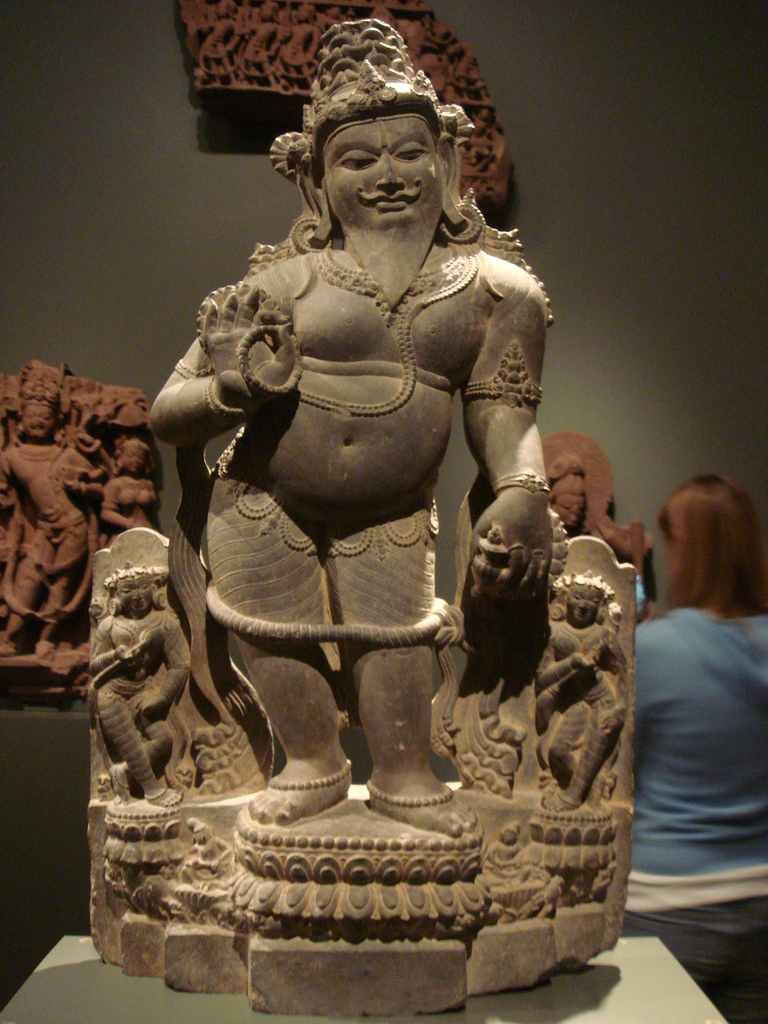 🇮🇳 IndiaNadi astrologynāḍi jyotiṣa
A Tamil astrological tradition using palm leaves to read past lives and future pathsTradition · Seeing and foretelling · Healing Living
 🇮🇹 ItalySanctuary of Fortuna Primigenia
A vast Roman sanctuary complex in Palestrina that housed an oracle and a temple to the goddess of fate.Tradition · Seeing and foretelling · Protection Historical
🇳🇴 NorwayCyprianus
A Scandinavian folk magic grimoire and the tradition of spells it containsText · Healing · Seeing and foretelling Historical
 🇮🇳 IndiaAstrometeorology
A historical belief that celestial positions forecast weather and climateBelief · Seeing and foretelling Historical
 🇷🇺 RussiaCarromancy
A divination method that reads the future from molten wax or candle flamesOracle · Seeing and foretelling Living
 🇮🇳 IndiaVedic astrologyJyotiṣa
A traditional Hindu system of astrology rooted in Vedic study and timekeepingTradition · Seeing and foretelling · Luck and prosperity Living
 🇨🇳 China and 1 moreJiaobei筊杯 (jiǎobēi)
Wooden crescent blocks thrown in pairs to ask temple deities yes or no questionsOracle · Seeing and foretelling · Speaking with spirits and the dead Living
 🇯🇵 JapanFutomani太占
A Shinto divination method using heated deer shoulder blades to read future patternsOracle · Seeing and foretelling Living
 🇮🇹 Italy and 2 moreTarocco Bolognese
A 62-card Italian tarot deck from Bologna used for games and cartomancyText · Wonder and entertainment · Seeing and foretelling Living
 🇨🇳 ChinaI Ching divination
A Chinese oracle using hexagrams derived from yarrow stalks or coinsOracle · Seeing and foretelling Historical
🇬🇷 GreeceIamidai
An ancient Greek family of seers at Olympia who interpreted burnt offeringsTradition · Seeing and foretelling Historical
 🇬🇷 GreeceGreek divination
Ancient methods of consulting deities for prophecy and omens in Greek cultureOracle · Seeing and foretelling · Power and authority Historical
🇮🇪 IrelandEarly Irish astrology
The study of celestial cycles in early Ireland, blending native observation with Christian and continental learning.Tradition · Seeing and foretelling · Luck and prosperity Historical
🇸🇪 SwedenÅrsgång
An archaic Swedish divination ritual performed on Christmas Eve to glimpse the coming year.Rite · Seeing and foretelling Historical
 🇪🇬 Egypt and 2 moreLecanomancy
Divination using a dish or bowl of water to read the futureOracle · Seeing and foretelling · Luck and prosperity Historical
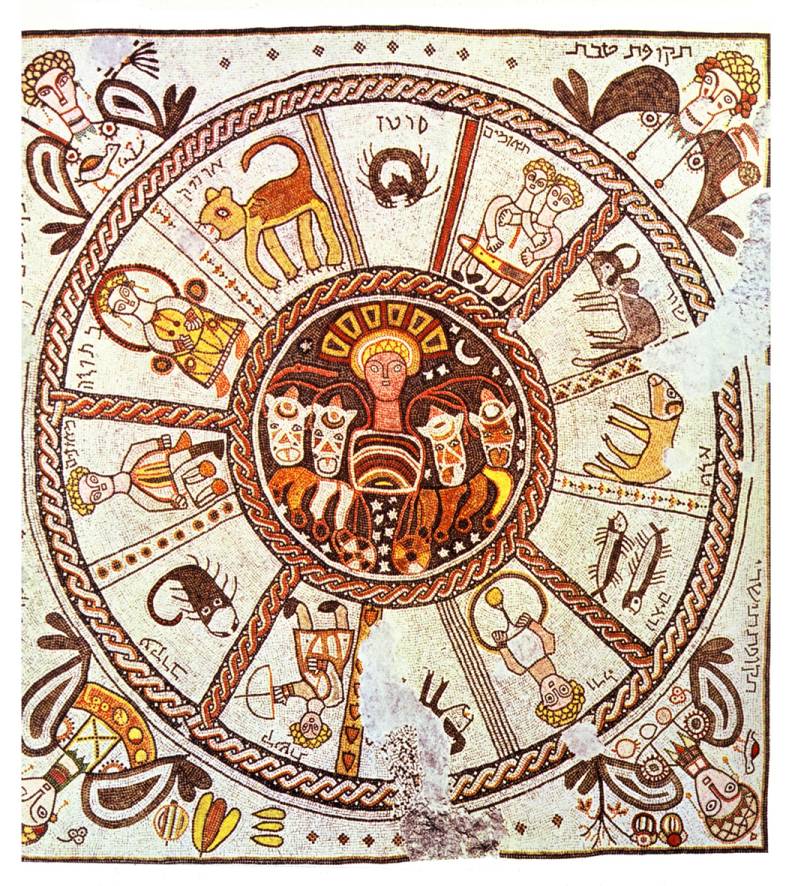 🇮🇱 IsraelJewish astrologyמַזָּלוֹת (mazzālôt)
A belief system within Judaism that celestial bodies influence earthly affairs and human destiny.Belief · Seeing and foretelling · Power and authority Historical
 🇬🇧 United Kingdom and 1 moreNeopagan witchcraft
Modern pagan traditions that practice magic and draw on historical witch beliefs.Tradition · Protection · Healing Living
 🇨🇳 ChinaPodomancy
A divination method that reads the lines and shapes of the soles to reveal character and fateOracle · Seeing and foretelling Historical
🇵🇰 PakistanShamanism in Pakistan
A shamanic tradition of the Hunza region where spirit guides select healers who enter trance states through music and riTradition · Seeing and foretelling · Speaking with spirits and the dead Living
🇬🇷 Greece and 2 moreCrithomancy
Divination by reading barley cakes and scattered cereal grains for omensOracle · Seeing and foretelling Historical
 🇮🇳 India and 3 moreAstrology
A divinatory practice that links celestial positions to human affairs and earthly eventsTradition · Seeing and foretelling · Luck and prosperity Historical
🇰🇿 Kazakhstan and 2 moreKumalakқұмалақ
A Central Asian shamanic divination using stones or dung sorted on a gridOracle · Seeing and foretelling · Speaking with spirits and the dead Historical
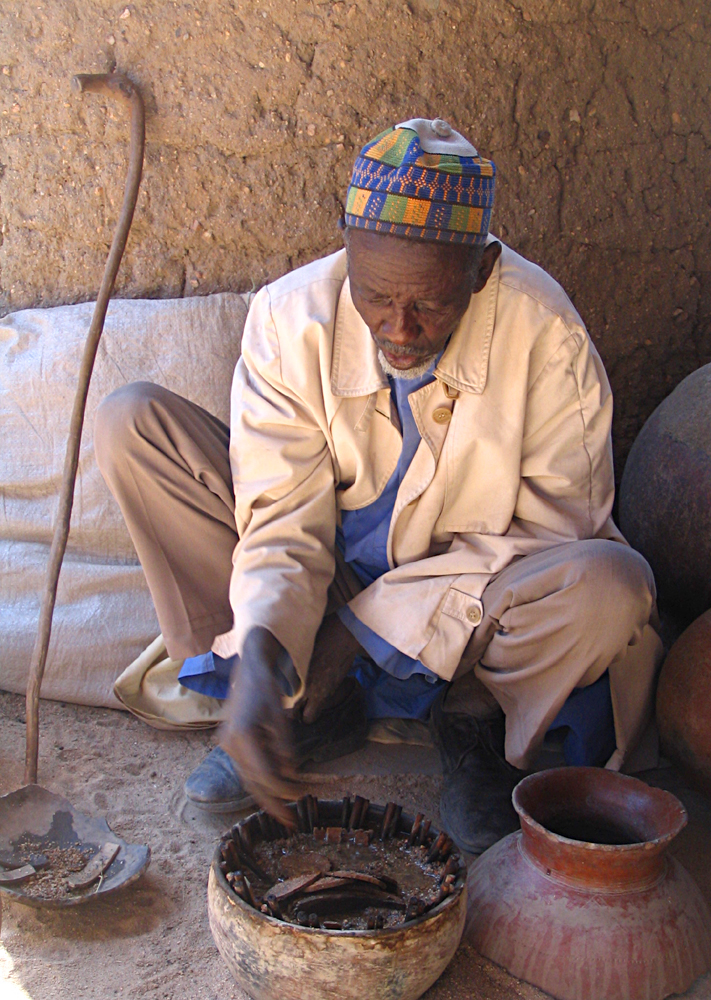 🇨🇲 Cameroon and 2 moreNggam
A divination practice in western Cameroon using spiders and crabs to answer questionsOracle · Seeing and foretelling Living
 🇬🇷 Greece and 1 moreOomancy
Divination by eggs, reading shapes and signs to foresee events or diagnose spiritual statesOracle · Seeing and foretelling · Healing Living
🇮🇳 IndiaVelichappaduവെളിച്ചപ്പാട്
A Hindu temple oracle in Kerala who channels deities through trance and danceBeing · Seeing and foretelling · Speaking with spirits and the dead Living
🇷🇺 Russia and 2 moreFavomancy
Divination by throwing beans and reading the patterns they form on the groundOracle · Seeing and foretelling · Luck and prosperity Historical
🇮🇷 IranʿIlm al-Ḥurūfعِلْم الْحُرُوف
A system of Arabic numerology that assigns numerical values to letters to reveal hidden meanings in the Quran.Belief · Seeing and foretelling Historical
🇯🇵 JapanUkehi誓
A Japanese divination ritual using oaths and sortition to seek the will of the kamiRite · Seeing and foretelling · Cursing and harm Historical
🇺🇸 United States and 1 moreFinancial astrology
A practice linking planetary positions to stock market trendsBelief · Seeing and foretelling · Luck and prosperity Fading
 🇬🇷 GreeceWitchcraft in ancient Greece and Rome
Ancient beliefs and practices of magic, curses, and love charms in the Mediterranean worldTradition · Cursing and harm · Love and attraction Historical
 🇮🇹 Italy and 2 moreHaruspicy
Reading animal entrails to discern divine will and omensRite · Seeing and foretelling · Speaking with spirits and the dead Historical
🇮🇳 IndiaNaeviology
A divination method that reads the future from moles and scarsOracle · Seeing and foretelling Historical
🇺🇸 United StatesOinomancy
A divination method that reads the future in wine patterns and sedimentOracle · Seeing and foretelling Living
 🇪🇬 Egypt and 5 moreAfrican divination
Methods used across the continent to understand present realities and predict future events.Oracle · Seeing and foretelling · Healing Living
 🇮🇷 Iran and 5 moreHippomancy
Divination through the movements, sounds, and tracks of horsesOracle · Seeing and foretelling · Luck and prosperity Historical
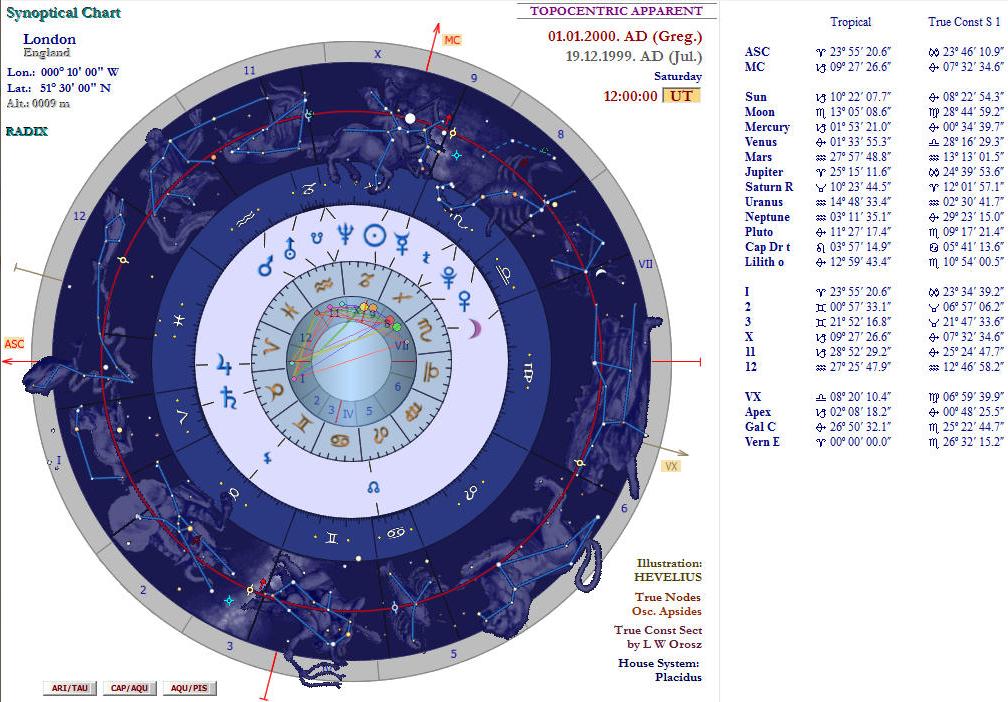 🇮🇳 IndiaSynoptical astrology
An astrological system that overlays tropical, sidereal and constellational zodiacsText · Seeing and foretelling · Speaking with spirits and the dead Historical
 🇺🇸 United StatesMothman
A humanoid cryptid from West Virginia folklore, linked to large birds and a bridge collapse.Being · Seeing and foretelling Living
 🇮🇱 Israel and 1 moreTeraphimתרפים
Ancient Hebrew household figures linked to ancestry, property rights and divinationBeing · Seeing and foretelling · Luck and prosperity Historical
 🇺🇸 United StatesAshtar
A channeled extraterrestrial figure central to mid-century American ufology and New Age spiritualityBeing · Speaking with spirits and the dead · Seeing and foretelling Living
 🇱🇹 Lithuania and 2 moreLaumaLaumė
A Baltic fairy-like spirit of the sky, weather, and newborn children.Being · Protection · Healing Historical
 🇷🇺 Russia and 12 moreOgnyena MariaОгнена Марија
A Slavic fire goddess linked to lightning, rain, and seasonal fire bansFigure · Protection · Healing Living
 🇫🇷 France and 3 moreLes LavandièresKannerez-Noz
Supernatural washerwomen who wash shrouds or bloodstained clothes for those about to die.Being · Seeing and foretelling Legendary
Photo credits on this page
The small pictures above come from Wikimedia Commons under free licences. Some are cropped to fit.
- Astrometeorology: Unknown author, CC BY 4.0, source
- Hatsuyume: Takeuchi Seihō, Public domain, source
- Futomani: Miura Hiroyuki, Public domain, source
- Ashtar: Evedawn99, Public domain, source
- Podomancy: Eyefive45, CC BY-SA 4.0, source
- Jewish views on astrology: Talmoryair, Public domain, source
- Greek divination: Berthold Werner, CC BY-SA 3.0, source
- European witchcraft: Unknown author, CC BY 4.0, source
- Jiaobei: Jnzl's Public Domain Photos, CC BY 2.0, source
- Haruspicy: Lokilech, CC BY-SA 3.0, source
- Witchcraft in ancient Greece and Rome: Wilhelm Tischbein, Public domain, source
- Astrology: Wilfredor, CC0, source
- Oomancy: Rollcloud, CC BY 3.0, source
- Nadi astrology: Wikipedia Loves Art participant " ARTiFACTS ", CC BY-SA 2.5, source
- Carromancy: Peter Becker, CC BY 2.0, source
- Divination: Amcaja, CC BY-SA 3.0, source
- Lauma: Raki_Man, CC BY 3.0, source
- Chinese shamanism: No machine-readable author provided. +上帝+ assumed (based on copyright, CC BY-SA 3.0, source
- Mothman: Tim Bertelink, CC BY-SA 4.0, source
- Ognyena Maria: Unknown author, Public domain, source
- Synoptical astrology: Constellarius, CC BY-SA 3.0, source
- African divination: Unknown author, CC BY 4.0, source
- Mundane astrology: Andreas Cellarius, Public domain, source
- Hippomancy: Wer?Du?!, CC BY-SA 3.0, source
- Lecanomancy: Author Robert Burns Translator Alexander Smith Illustrator C. A. Vande, Public domain, source
- Vedic astrology: Freedomji, CC BY-SA 4.0, source
- Sanctuary of Fortuna Primigenia: MM, CC BY-SA 3.0, source
- Teraphim: Athanasius Kircher, Public domain, source
- Les Lavandières: Jean-Édouard Dargent, Public domain, source
- I Ching divination: A.Davey, CC BY 2.0, source
- Fuji: Unknown author, CC BY 4.0, source
- Tarocco Bolognese: Countakeshi, CC BY-SA 4.0, source