The Iamidai were a noble lineage in Ancient Greece known for their role as diviners at the Olympic Games. They claimed descent from Iamus, a son of Apollo, and served as administrators and interpreters of sacrificial entrails at Olympia well into the third century CE.
- One of two clans administering the Olympic Games into the 3rd century CE
- Claimed descent from Iamus, a son of Apollo
- Interpreted entrails of burnt offerings at Olympia
- Tisamenos received Spartan citizenship for advising the city
- Pausanias noted a tomb for the Iamidai in Sparta
What it is
The Iamidai formed an extended family of seers within Ancient Greece, operating primarily at the sanctuary of Olympia. This lineage was one of two clans responsible for administering the Olympic Games, a role they maintained until the third century CE. Members of this house served as diviners, interpreting the future through the examination of animal entrails left after burnt sacrifices. Their status was elevated by their mythical connection to Apollo, positioning them as central figures in the religious life of the site.
Where it comes from
The family traced its ancestry to Iamus, described as a son of Apollo and regarded as the mythical founder of the line. This claim linked them directly to the god featured prominently in the west pediment of the temple at Olympia. The Iamidai stood alongside another clan, the Klytidai, who derived their lineage from Melampous through Amphiaraos. While the Klytidai had local roots, the Iamidai eventually gained significant political influence beyond their home region through their divinatory expertise.
How it is done
Practitioners of this tradition interpreted the entrails of burnt offerings to foresee events or guide decisions. This form of divination required reading specific signs within the sacrificed animals, a skill passed down through the family line. The process was integral to the administration of the Olympic Games, where their insights likely guided ritual proceedings and public affairs at the sanctuary.
Tools and materials
The primary tool for their practice was the analysis of internal organs from sacrificial animals. These entrails were obtained from burnt offerings conducted at Olympia. The physical evidence provided by these remains served as the medium through which the Iamidai communicated with the divine or predicted outcomes.
Iamidai, drawn and placed
- Living
- Revived
- Fading
- Historical
- Legendary
- Performed
- Lineage
- House of Iamus
What it is for
The family provided divinatory advice to both the Olympic community and external city-states. Their most notable service was advising Sparta, for which Tisamenos, a prominent member, left Elis. In recognition of his counsel, Tisamenos and his heirs received Spartan citizenship, a unique honor for outsiders. Their work aimed to secure divine favor and guidance for political and religious matters.
Who does it
Leadership within the Iamidai was hereditary, centered on individuals like Tisamenos who held authority as soothsayers. Pausanias recorded a tomb in Sparta dedicated to these seers from Elis, confirming their recognized status. The position carried significant weight, allowing members to transcend typical social boundaries, as demonstrated by the granting of foreign citizenship to the family line.
Peoples and places
The Iamidai were a Greek family active in the Peloponnese region. Their influence extended from Olympia to Sparta, where they were honored for their services. The Klytidai were their counterparts at Olympia, representing another established clan of diviners. Together, these families structured the religious administration of the games for centuries.
At a glance: who, where and when
What people believe
The lineage believed itself descended from Apollo, embedding their practice within the broader worship of the god. This divine parentage legitimized their role as intermediaries between humans and the gods. The presence of Apollo in the temple architecture reinforced the spiritual authority claimed by the Iamidai over the sanctuary's rituals.
When it is done
Their activities were tied to the cycle of the Olympic Games and associated sacrificial rites. Divination occurred during these major festivals, where burnt offerings were standard. The family’s administrative duties spanned many years, indicating a continuous presence rather than isolated events.
How scholars and sceptics see it
Historical records, such as those by Pausanias in the second century BCE, document the existence and influence of the Iamidai. These accounts highlight their unique political integration into Sparta and their long-standing role at Olympia. Scholars view them as a key example of how religious expertise could translate into civic power in the ancient world.
Compare and confuse
The Iamidai are often compared to the Klytidai, another diviner clan at Olympia with different ancestral claims. Both groups shared administrative duties but differed in their legendary origins. The Iamidai’s connection to Apollo contrasted with the Klytidai’s link to Melampous, yet both were essential to the sanctuary’s operation.
Law and persecution
The family’s acquisition of Spartan citizenship was an exceptional legal privilege. No other outsiders received such honors, marking the Iamidai as uniquely respected. This status protected their lineage and ensured their continued influence in Spartan affairs long after their primary work at Olympia.
Questions people ask about Iamidai
Who were the Iamidai?
They were an ancient Greek family of seers at Olympia, serving as administrators of the Olympic Games and diviners who interpreted sacrificial entrails.
Where did the Iamidai originate?
They originated in Elis, Greece, claiming descent from Iamus, a son of Apollo, and established their practice at the sanctuary of Olympia.
What was their role at Olympia?
They interpreted the entrails of burnt offerings to provide divine guidance and helped administer the Olympic Games alongside the Klytidai clan.
Why were the Iamidai famous in Sparta?
Tisamenos advised Sparta on military matters, earning himself and his heirs Spartan citizenship, a rare honor for foreigners in ancient Greece.
Good reading and sources
The facts on this page come from the Wikipedia article "Iamidai", written by its contributors and used under the CC BY-SA 4.0 licence, and from its Wikidata record (CC0). EveryJaadu rewrote the text in its own words, with AI assistance, and compares every page with the article to make sure no passage is copied. It may be reused under the same CC BY-SA 4.0 licence with a link back.
It may contain mistakes. Names and customs differ from one community to the next, and some knowledge is closed to outsiders and left out here. This page describes belief and practice. It does not say that any of it works, it is not a how-to, and it is not medical advice. If something is wrong, tell us. Last refreshed 2026-10-06.
More from Greece
All the entries from Greece 🇬🇷 Greece and 5 moreCrossroads (folklore)
A junction between worlds where spirits are met and deals are madeBelief · Speaking with spirits and the dead · Cursing and harm Living
🇬🇷 Greece and 5 moreCrossroads (folklore)
A junction between worlds where spirits are met and deals are madeBelief · Speaking with spirits and the dead · Cursing and harm Living
 🇬🇷 GreeceOrphismὈρφικά
A Greek mystery tradition based on the myth of Dionysus and the soul's journeyTradition Historical
🇬🇷 GreeceOrphismὈρφικά
A Greek mystery tradition based on the myth of Dionysus and the soul's journeyTradition Historical
 🇮🇪 Ireland and 5 moreCairn
A human-made stack of stones used as a marker, memorial, or religious symbol across many cultures.Tradition · Protection · Speaking with spirits and the dead Living
🇮🇪 Ireland and 5 moreCairn
A human-made stack of stones used as a marker, memorial, or religious symbol across many cultures.Tradition · Protection · Speaking with spirits and the dead Living
 🇮🇹 Italy and 3 moreSaturnalia
An ancient Roman winter festival of role reversal and feasting in honor of SaturnTradition · Luck and prosperity · Wonder and entertainment Historical
🇮🇹 Italy and 3 moreSaturnalia
An ancient Roman winter festival of role reversal and feasting in honor of SaturnTradition · Luck and prosperity · Wonder and entertainment Historical
Related elsewhere
All tradition 🇮🇳 India and 5 moreAstrology
A divinatory practice that reads human fate through the positions of celestial bodies.Belief · Seeing and foretelling · Luck and prosperity Living
🇮🇳 India and 5 moreAstrology
A divinatory practice that reads human fate through the positions of celestial bodies.Belief · Seeing and foretelling · Luck and prosperity Living
 🇮🇳 India and 2 morePalmistry
A divination method that interprets the lines and shapes of the hand to predict fate or reveal character.Oracle · Seeing and foretelling · Power and authority Living
🇮🇳 India and 2 morePalmistry
A divination method that interprets the lines and shapes of the hand to predict fate or reveal character.Oracle · Seeing and foretelling · Power and authority Living
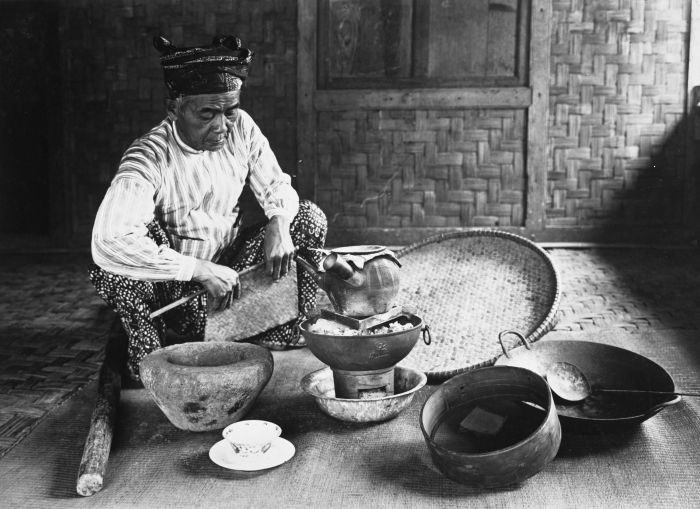 🇮🇩 Indonesia and 2 moreDukun
A traditional healer and spirit medium in Indonesian folk practiceTradition · Healing · Seeing and foretelling Living
🇮🇩 Indonesia and 2 moreDukun
A traditional healer and spirit medium in Indonesian folk practiceTradition · Healing · Seeing and foretelling Living
 🇳🇬 NigeriaOrunmilaỌ̀rúnmìlà
Yoruba deity of wisdom and the creator of the Ifá divination systemBeing · Seeing and foretelling · Speaking with spirits and the dead Living
🇳🇬 NigeriaOrunmilaỌ̀rúnmìlà
Yoruba deity of wisdom and the creator of the Ifá divination systemBeing · Seeing and foretelling · Speaking with spirits and the dead Living