
Futomani
In its own language: 太占
A Shinto divination method using heated deer shoulder blades to read future patterns
Futomani is a traditional Shinto system of divination from Japan. Practitioners heat the shoulder blade of a stag and interpret the resulting cracks to foresee events.
- Uses heated stag shoulder blades to read cracks
- Associated with Shinto kami Uraniwa-no-Kami
- Practiced annually at Mount Mitake shrine
- May date back to the Jōmon period
- Linked to aikido kotodama practice
What it is
Futomani is a Japanese Shinto practice used to predict future occurrences. It relies on reading the physical changes in animal bone. Specifically, practitioners look at how the shoulder blade of a stag breaks when heated. This method is considered an ancient form of oracle work within the Shinto tradition.
Where it comes from
The practice is believed to be very old, possibly starting during the Jōmon period. It predates the use of tortoiseshell divination, which was brought to Japan from China. Archaeological findings support the idea that this bone-reading technique has deep roots in the region.
How it is done
Heaters warm the shoulder blade of a stag until it cracks. The pattern of these fissures is then examined by a practitioner. They interpret these lines and shapes to understand what might happen in the future. This process is performed as a ritual act.
Tools and materials
The primary tool is the shoulder blade of a stag. Heat is applied to the bone to create the necessary cracks for reading. The kami Uraniwa-no-Kami, also called Futonorito-no-Mikoto, is the spirit associated with this specific type of divination.
Futomani, drawn and placed
- Living
- Revived
- Fading
- Historical
- Legendary
- Performed
- Lineage
- Shinto
- Timing
- annual event
What it is for
People use futomani to gain insight into upcoming events. It serves as a way to see what lies ahead through the medium of bone. In modern times, it is also linked to aikido, where it supports kotodama practices.
Who does it
Shinto priests or specialists conduct the readings. The practice is maintained at shrines, such as the one on Mount Mitake, where it occurs annually. It is also studied by martial artists who incorporate it into their spiritual training.
Peoples and places
This tradition belongs to the Shinto faith of Japan. It remains active in specific locations like Mount Mitake. While tortoiseshell methods came from outside, futomani is viewed as an indigenous Japanese development with long historical continuity.
At a glance: who, where and when
What people believe
Shinto beliefs underpin the practice. Diviners trust that the kami can reveal truths through the bone. Uraniwa-no-Kami is the divine figure invoked for this purpose. The cracks are seen as messages rather than random damage.
When it is done
The ritual is held as an annual event at the shrine on Mount Mitake. No other specific festivals or seasonal dates are mentioned for general practice beyond this yearly occurrence.
How scholars and sceptics see it
Archaeologists point to the Jōmon period as a possible start date. Historians note the contrast with later Chinese-influenced tortoiseshell methods. The practice is studied as part of Shinto history and its evolution.
Compare and confuse
It is often compared to other bone-divination systems like oracle bones. Unlike those, futomani uses deer scapulae specifically. It differs from tortoiseshell reading, which arrived later from China.
Today
Futomani survives today primarily at the shrine on Mount Mitake. It is performed there each year. Some aikido practitioners also reference it as part of their broader study of energy and language in martial arts.
Questions people ask about Futomani
What is futomani?
Futomani is a traditional Shinto divination method from Japan. It involves heating a stag's shoulder blade and interpreting the cracks to foresee future events.
Where does futomani come from?
It originates in Japan and is part of the Shinto tradition. Evidence suggests it may have started during the Jōmon period, before tortoiseshell divination arrived from China.
Who performs futomani?
Shinto practitioners perform the ritual. It is still conducted annually at the shrine on Mount Mitake. Some martial artists also study it for spiritual context.
Which spirit is connected to futomani?
The kami Uraniwa-no-Kami, meaning 'Divination Divinity', is the spirit associated with this practice. He is also known as Futonorito-no-Mikoto.
Good reading and sources
The facts on this page come from the Wikipedia article "Futomani", written by its contributors and used under the CC BY-SA 4.0 licence, and from its Wikidata record (CC0). EveryJaadu rewrote the text in its own words, with AI assistance, and compares every page with the article to make sure no passage is copied. It may be reused under the same CC BY-SA 4.0 licence with a link back.
It may contain mistakes. Names and customs differ from one community to the next, and some knowledge is closed to outsiders and left out here. This page describes belief and practice. It does not say that any of it works, it is not a how-to, and it is not medical advice. If something is wrong, tell us. Last refreshed 2026-10-10.
More from Japan
All the entries from Japan 🇨🇳 China and 2 moreOnomancy
Divination based on the letters, numbers, or written strokes of a person's nameOracle · Seeing and foretelling · Luck and prosperity Living
🇨🇳 China and 2 moreOnomancy
Divination based on the letters, numbers, or written strokes of a person's nameOracle · Seeing and foretelling · Luck and prosperity Living
 🇯🇵 JapanOmikujiおみくじ
Paper fortunes drawn at Japanese shrines and temples to reveal luck and life adviceOracle · Seeing and foretelling · Luck and prosperity Living
🇯🇵 JapanOmikujiおみくじ
Paper fortunes drawn at Japanese shrines and temples to reveal luck and life adviceOracle · Seeing and foretelling · Luck and prosperity Living
 🇨🇳 China and 5 moreKau chim求籤
A divination practice using numbered bamboo sticks to seek answers from deitiesOracle · Seeing and foretelling · Power and authority Living
🇯🇵 JapanDōbutsu uranai動物占い
A Japanese divination system that sorts people into animal types based on birthdate and personality axes.Oracle · Luck and prosperity Living
🇨🇳 China and 5 moreKau chim求籤
A divination practice using numbered bamboo sticks to seek answers from deitiesOracle · Seeing and foretelling · Power and authority Living
🇯🇵 JapanDōbutsu uranai動物占い
A Japanese divination system that sorts people into animal types based on birthdate and personality axes.Oracle · Luck and prosperity Living
Related elsewhere
All oracle 🇮🇳 India and 5 moreAstrology
A divinatory practice that reads human fate through the positions of celestial bodies.Belief · Seeing and foretelling · Luck and prosperity Living
🇮🇳 India and 5 moreAstrology
A divinatory practice that reads human fate through the positions of celestial bodies.Belief · Seeing and foretelling · Luck and prosperity Living
 🇮🇳 India and 2 morePalmistry
A divination method that interprets the lines and shapes of the hand to predict fate or reveal character.Oracle · Seeing and foretelling · Power and authority Living
🇮🇳 India and 2 morePalmistry
A divination method that interprets the lines and shapes of the hand to predict fate or reveal character.Oracle · Seeing and foretelling · Power and authority Living
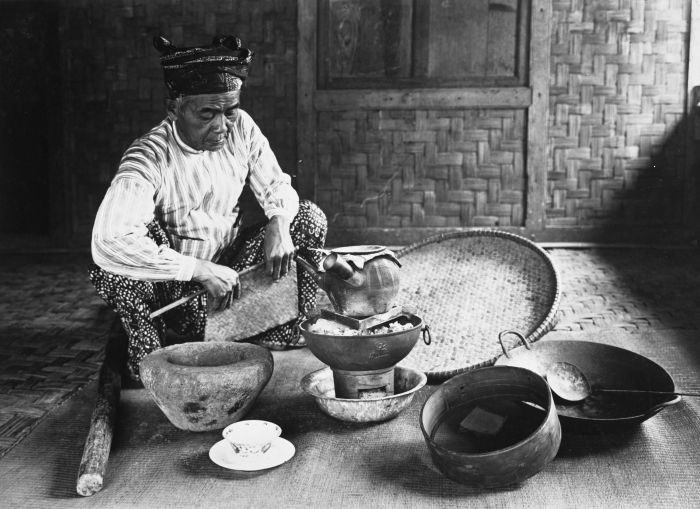 🇮🇩 Indonesia and 2 moreDukun
A traditional healer and spirit medium in Indonesian folk practiceTradition · Healing · Seeing and foretelling Living
🇮🇩 Indonesia and 2 moreDukun
A traditional healer and spirit medium in Indonesian folk practiceTradition · Healing · Seeing and foretelling Living
 🇮🇹 ItalyEtruscan religion
The polytheistic beliefs and divination practices of the ancient Etruscans of ItalyTradition · Seeing and foretelling · Speaking with spirits and the dead Historical
🇮🇹 ItalyEtruscan religion
The polytheistic beliefs and divination practices of the ancient Etruscans of ItalyTradition · Seeing and foretelling · Speaking with spirits and the dead Historical