Seeing and foretelling
Divination, omens and oracles: asking what is hidden or still to come.
Divination is the attempt to learn what is hidden or still to come. It is found in nearly every culture, from the Chinese I Ching and Ifa in West Africa to the tarot, astrology, palm reading, the Roman augurs and the Greek oracle at Delphi. People consult diviners about marriage, trade, health, journeys and loss. This page covers who reads, what is read, and how the practice is regarded. It is among the oldest and most widely repeated forms of ritual.
What is read
Diviners read many things. Some read natural signs, such as birds, the entrails of animals, cracks in a heated shell or bone, and the stars. Some read objects thrown or drawn at random, such as bones, cowries, cards, runes, tea leaves or lots. Others receive answers in trance, dreams or possession. In China, oracle bones used in the Shang period are among the earliest written records. Many diviners say the reading is shaped by the question asked.
Who reads
The role can be a profession, a family inheritance, or a sign of calling. Ifa babalawo are men, while the Greek Pythia was a woman. Astrologers served courts in India, Persia and Europe, and card readers in cities serve poorer clients. Class and gender shape trust: a palace astrologer and a roadside parrot-reader may use the same texts and be judged very differently. Readers of the same system may disagree, and the best known diviners are expected to admit that signs can be read more than one way.
Law and religion
Responses vary. The Hebrew Bible forbids certain divination, medieval Christian authorities condemned it, and Islamic scholars largely reject claims to know the unseen, while still permitting dream interpretation and astrology in some schools. Modern states regulate fortune-telling under fraud laws, and some Indian states have passed laws against exploitative practices. Divination also persists inside religion, as in Ifa and Buddhist temple lots. Other traditions, such as Buddhism and Sikhism, reject much divination as a distraction from the path, while their followers may still visit astrologers for family matters.
Why it endures
Psychologists explain its appeal through the Barnum effect and confirmation bias, and a good reader also reads the client. Anthropologists add that divination can give a community a way to settle disputes and accept a choice. Practitioners often say their work is guidance, not prediction. A reading is not a substitute for medical, legal or financial advice. A reading is a performance of listening, and what a client takes from it often depends on what they already feel and on what they decide to do afterwards.
Seeing and foretelling on EveryJaadu
The entries written up so far, best known first.
 🇮🇶 Iraq and 4 moreAstrology
A system of divination that links human affairs to the positions of celestial bodiesTradition · Seeing and foretelling · Luck and prosperity Living
 🇬🇷 GreeceDodonaΔωδώνη
The oldest Greek oracle, where wind in oak leaves revealed the will of Zeus and DioneOracle · Seeing and foretelling Historical
 🇪🇸 Spain and 5 moreAlfonso X of Castileel Sabio
A medieval king who sponsored astronomical tables and translated works on magic and astrology.Text · Power and authority · Seeing and foretelling Historical
 🇦🇫 Afghanistan and 2 moreAbu Ma'shar al-Balkhiابومَعْشَر جعفر بن محمد بن عمر بلخی
A Persian astrologer whose manuals shaped medieval European and Islamic celestial studiesText · Seeing and foretelling · Power and authority Historical
 🇬🇷 Greece and 5 moreNecromancy
A form of divination that seeks to speak with the dead for hidden knowledge.Tradition · Seeing and foretelling · Power and authority Historical
 🇮🇱 Israel and 3 moreGematriaגימטריה
A numeric writing system that assigns numerical values to words and phrases for interpretation.Text · Seeing and foretelling · Power and authority Living
 🇮🇪 Ireland and 4 moreWinter solstice
The shortest day and longest night of the year, marked by rites of solar returnTradition · Seeing and foretelling · Protection Living
 🇪🇬 Egypt and 5 moreHermetica
A collection of ancient texts attributed to Hermes Trismegistus covering magic, alchemy and philosophy.Text · Power and authority · Seeing and foretelling Historical
🇯🇵 JapanKamo no Yasunori賀茂 保憲
A Heian-era onmyōji and teacher of Abe no Seimei in Japanese esoteric artsFigure · Seeing and foretelling · Cursing and harm Historical
 🇬🇧 United Kingdom and 7 moreSaint Andrew's Day
A Christian feast day marked by national holidays in Scotland and Romania, and folk divination across Europe.Rite · Seeing and foretelling · Luck and prosperity Living
 🇬🇧 United KingdomWilliam Lilly
A seventeenth-century English astrologer and author who shaped Western tradition.Text · Seeing and foretelling · Power and authority Historical
 🇨🇳 China and 3 moreTang-ki童乩 (tóngjī); 乩童 (jītóng)
A Chinese folk-religion medium whose body a deity is held to take overTradition · Speaking with spirits and the dead · Seeing and foretelling Living
 🇨🇳 China and 2 moreOnomancy
Divination based on the letters, numbers, or written strokes of a person's nameOracle · Seeing and foretelling · Luck and prosperity Living
 🇩🇪 Germany and 3 moreRunesᚱᚢᚾᛟ
An ancient Germanic script used for writing and magical signs.Text · Seeing and foretelling · Power and authority Historical
🇸🇪 Sweden and 3 moreRunic magic
The use of ancient Germanic letters for spells, divination, and protectionTradition · Protection · Seeing and foretelling Living
 🇬🇹 Guatemala and 1 moreMaya calendar
A system of timekeeping used by ancient and modern Maya communities to track days, years, and historical cycles.Tradition · Seeing and foretelling · Luck and prosperity Living
 🇨🇳 China and 1 moreLuoshu Square洛書
An ancient Chinese magic square linked to river myths and Feng Shui geomancyText · Power and authority · Seeing and foretelling Historical
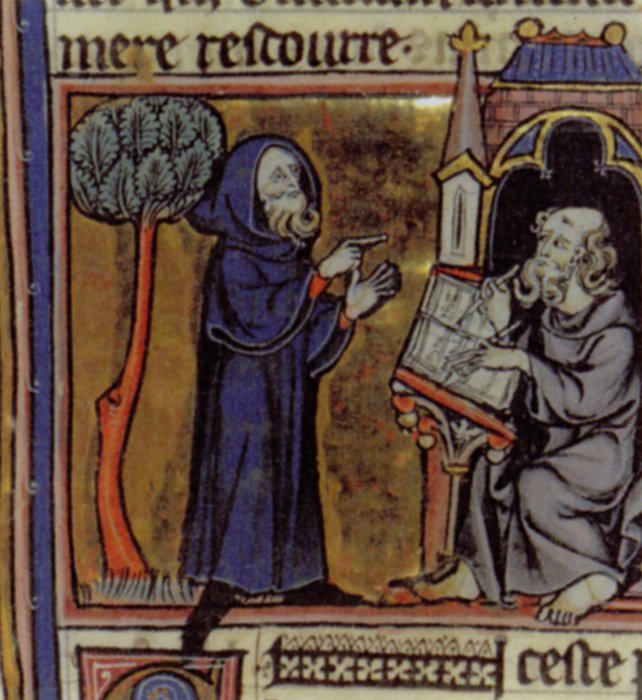 🇮🇹 Italy and 1 moreMedieval European magic
A broad category of ritual and natural practices in the Middle Ages, blending healing, divination, and religious belief.Tradition · Healing · Seeing and foretelling Historical
 🇮🇳 India and 1 moreNakshatraनक्षत्रम् (Nakṣatram)
A system of lunar mansions used in Hindu and Buddhist astrology to map the sky.Tradition · Seeing and foretelling · Luck and prosperity Living
 🇬🇹 Guatemala and 1 moreMaya mythology
The reconstructed tales of the Maya people about gods, heroes, and the creation of the world.Tradition · Seeing and foretelling · Power and authority Historical
 🇮🇹 Italy and 3 moreRenaissance magic
A 15th and 16th century revival of magical arts blending philosophy, astrology, and hidden knowledge.Tradition · Power and authority · Seeing and foretelling Historical
 🇬🇧 United Kingdom and 1 moreJohn Dee
An English scholar and advisor to Elizabeth I who pursued angelic communication through scrying.Tradition · Speaking with spirits and the dead · Seeing and foretelling Historical
 🇬🇷 GreeceCoscinomancy
A divination method using a sieve and shears to reveal guilt or answer questions.Oracle · Seeing and foretelling Historical
 🇺🇸 United StatesPunxsutawney Phil
A groundhog who serves as the central figure in an annual American weather prediction festival.Belief · Seeing and foretelling Living
 🇫🇷 France and 1 moreNostradamus
A French astrologer and physician known for his book of poetic propheciesText · Seeing and foretelling · Healing Historical
🇨🇳 China and 4 moreQimen Dunjia奇門遁甲
An ancient Chinese divination system mapping time and space for strategic decision-makingOracle · Seeing and foretelling · Power and authority Revived
🇬🇧 United Kingdom and 1 moreScottish folkloreBeul-aithris na h-Alba
The myths, creatures and beliefs of the Scottish people, recorded from ancient times to the present.Tradition · Seeing and foretelling · Protection Living
 🇪🇬 Egypt and 2 moreSibylline Oracles
A mixed collection of ancient prophecies attributed to pagan prophetesses but shaped by Jewish and Christian writers.Text · Seeing and foretelling Historical
 🇪🇬 Egypt and 1 moreDendera zodiac
A carved Egyptian sky map now held in a Paris museumText · Seeing and foretelling · Power and authority Historical
🇫🇷 FranceEtteilla
The first professional tarot occultist who created a system for card divination.Text · Seeing and foretelling · Power and authority Historical
 🇫🇮 Finland and 5 moreMolybdomancy
A divination method using molten metal poured into water to read omensRite · Seeing and foretelling · Cursing and harm Living
 🇪🇬 Egypt and 1 moreMyomancy
Divination by reading the omens of mice and ratsOracle · Seeing and foretelling · Cursing and harm Historical
 🇲🇽 Mexico and 5 moreObsidian
Volcanic glass used for sharp tools and mirrors in ancient trade and ritualSubstance · Seeing and foretelling · Cursing and harm Historical
🇮🇪 IrelandBodach
A Gaelic trickster figure used to frighten children and warn of deathFigure · Cursing and harm · Seeing and foretelling Historical
 🇩🇿 Algeria and 1 moreAhmad al-Buniأحمد البوني المالكي
A medieval Sufi scholar known for works on letter mysticism and talismansText · Power and authority · Seeing and foretelling Historical
 🇲🇬 Madagascar and 4 moreGeomancy
A cross-cultural system of divination using earth, sand, and landforms to read the future or align spaces.Oracle · Seeing and foretelling · Power and authority Living
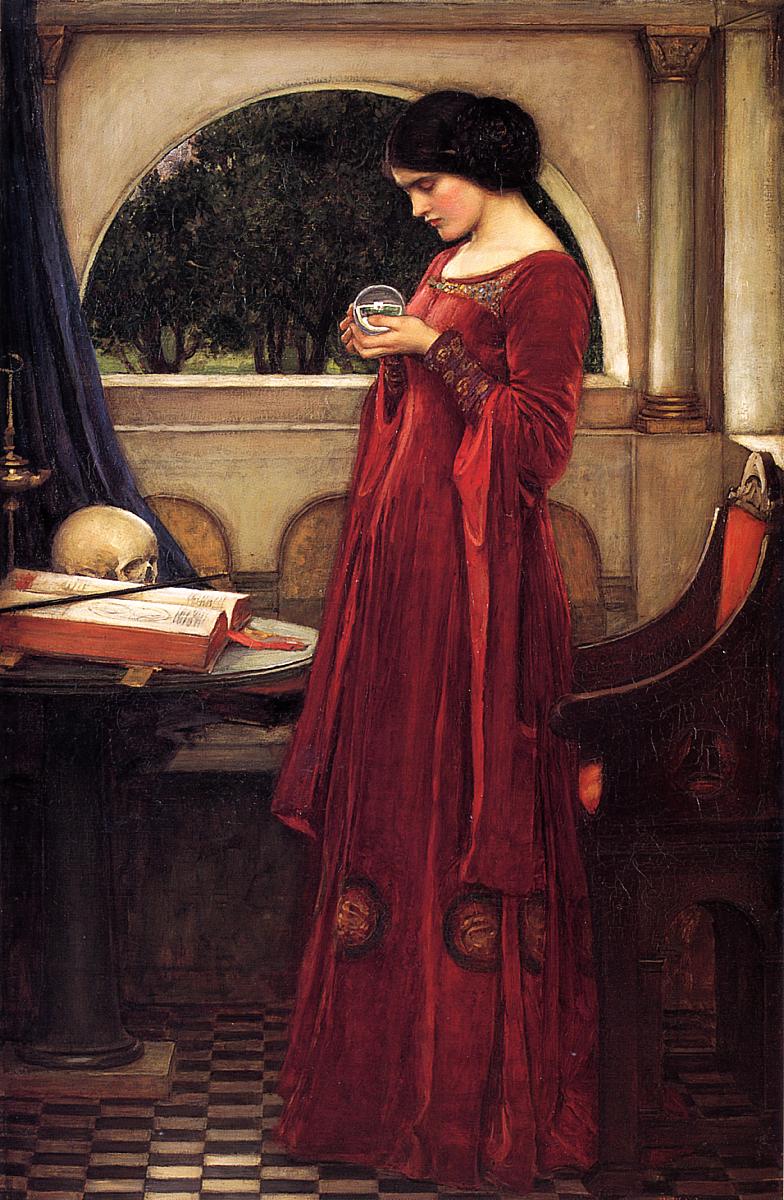 🇪🇬 EgyptScrying
A divination practice of gazing into a medium to receive visions or guidance.Oracle · Seeing and foretelling · Speaking with spirits and the dead Historical
 🇯🇵 JapanOnmyōdō陰陽道
A Japanese system of divination and ritual based on celestial patterns and elemental balanceTradition · Protection · Seeing and foretelling Revived
🇪🇬 Egypt and 2 moreNatural magic
A historical tradition exploring hidden forces in the physical worldTradition · Seeing and foretelling · Power and authority Historical
🇨🇳 China and 3 moreZi Wei Dou Shu紫微斗數
A Chinese natal astrology system mapping stars across twelve life palacesTradition · Seeing and foretelling Living
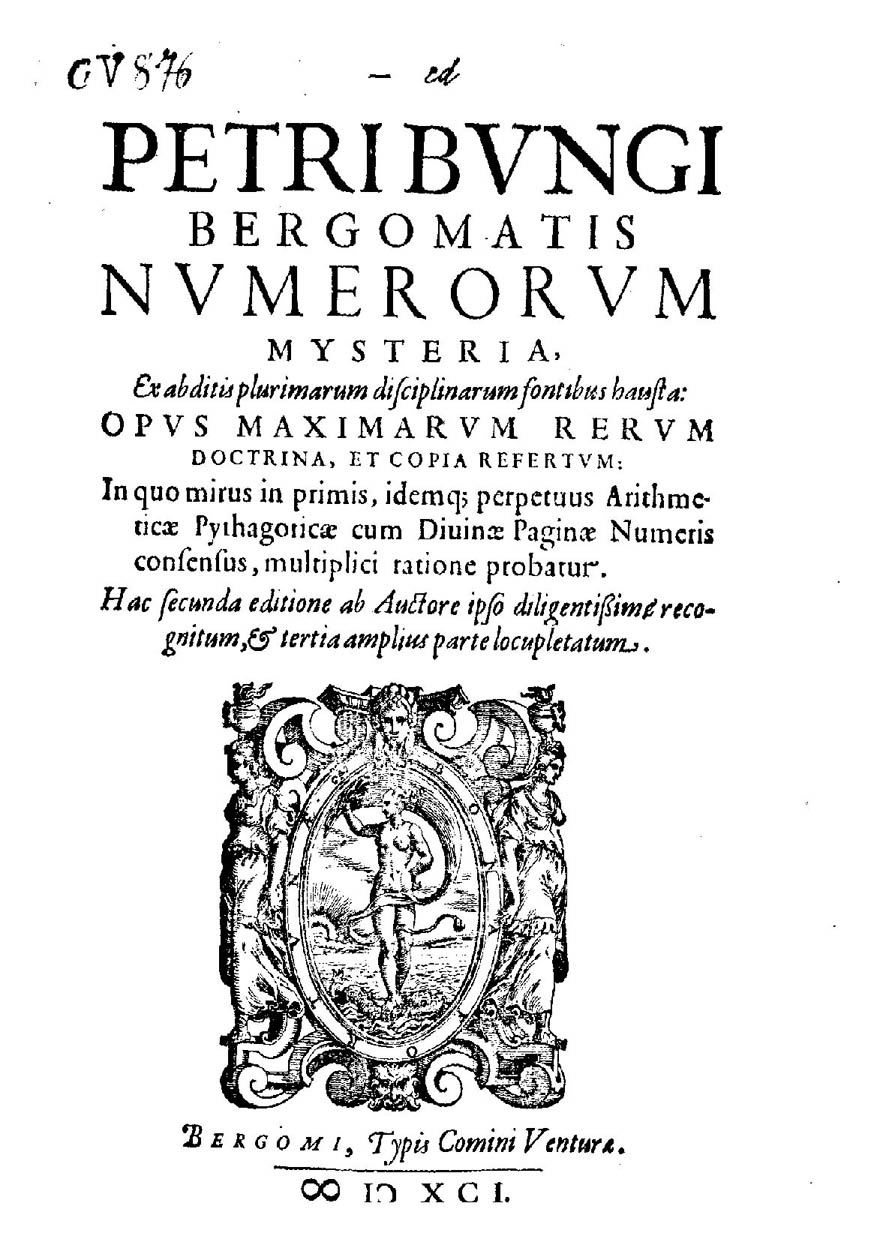 🇬🇷 Greece and 2 moreNumerology
The belief that numbers hold hidden meanings and influence human events.Belief · Seeing and foretelling · Luck and prosperity Historical
 🇪🇸 Spain and 2 morePicatrixغاية الحكيم
A medieval Arabic handbook of talismanic magic and astrologyText · Power and authority · Seeing and foretelling Historical
 🇮🇳 India and 2 moreSuryaसूर्य
The sun as a Hindu deity and the source of light and knowledgeBeing · Power and authority · Healing Historical
 🇮🇹 Italy and 4 moreTarottarocchi
A set of cards for games and divination, with roots in fifteenth-century ItalyText · Wonder and entertainment · Seeing and foretelling Living
 🇲🇲 Myanmar and 2 moreBurmese zodiacဇာတာ ရာသီခွင်
A traditional Burmese system of astronomy and astrology with lunar mansions and weekday signs.Tradition · Seeing and foretelling · Luck and prosperity Living
🇾🇪 YemenDhu'l-Khalasaذُو الْخَلَصَة
A pre-Islamic shrine in Yemen destroyed by early Muslim forces.Text · Cursing and harm · Seeing and foretelling Historical
🇮🇷 Iran and 4 moreAstrology in the medieval Islamic worldعلم النجوم (Ilm an-Nujūm)
The study of celestial influences on earthly affairs within the medieval Islamic traditionTradition · Seeing and foretelling · Power and authority Historical
 🇮🇷 Iran and 1 moreMundane astrology
A branch of astrology that reads the horoscopes of nations and governments instead of individuals.Tradition · Seeing and foretelling · Power and authority Historical
Photo credits on this page
The small pictures above come from Wikimedia Commons under free licences. Some are cropped to fit.
- Dodona: Marcus Cyron, CC BY-SA 3.0, source
- Alfonso X of Castile: Otto Posse (1847-1921), Public domain, source
- Xtabay: Unknown author, Public domain, source
- Abu Ma'shar al-Balkhi: User:Martin Kraft, CC BY-SA 3.0, source
- Necromancy: Unknown author, CC BY 4.0, source
- Gematria: Bethsheba Ashe, CC BY-SA 4.0, source
- Winter solstice: Image by Przemyslaw " Blueshade " Idzkiewicz, CC BY-SA 2.0, source
- Hermetica: Jean-Louis Durant (1654-1718), Public domain, source
- Saint Andrew's Day: Henryk Siemiradzki, Public domain, source
- William Lilly: Simon Harriyott, CC BY 2.0, source
- Abe no Seimei: Unknown author, Public domain, source
- Dendera zodiac: Shonagon, CC0, source
- Myomancy: Rasbak, CC BY-SA 3.0, source
- Obsidian: Krassotkin, CC0, source
- Astrology: Wilfredor, CC0, source
- Ahmad al-Buni: Khalili Collections, CC BY-SA 3.0 igo, source
- Geomancy: Jacopo188, CC BY-SA 3.0, source
- Scrying: John William Waterhouse, Public domain, source
- Natural magic: Unidentified painter, Public domain, source
- Onomancy: Unknown author, Public domain, source
- Maya calendar: MBisanz, CC BY-SA 3.0, source
- Luoshu Square: An unknown Tibetan artist, Public domain, source
- Tang-ki: Bunkichi Chang, CC BY 2.0, source
- Nakshatra: Kishorekumar 62, CC BY-SA 3.0, source
- Renaissance magic: Unknown author, Public domain, source
- Mundane astrology: Andreas Cellarius, Public domain, source
- Coscinomancy: Heinrich Cornelius Agrippa von Nettesheim, Public domain, source
- Punxsutawney Phil: Anthony Quintano, CC BY 2.0, source
- Medieval European magic: Unknown author, Public domain, source
- Nostradamus: After César de Notre-Dame, Public domain, source
- Runes: Bengt Olof ÅRADSSON, CC BY 1.0, source
- Burmese zodiac: Photo Dharma, CC BY 2.0, source
- Tarot: World Web Playing Card Museum, Public domain, source
- Surya: Ravi Varma Press, Public domain, source
- Picatrix: Unknown author, Public domain, source
- Numerology: Pietro Bongo, Public domain, source
- Molybdomancy: Micha L. Rieser, Attribution, source
- Sibylline Oracles: Domenichino, Public domain, source