Seeing and foretelling
Divination, omens and oracles: asking what is hidden or still to come.
Divination is the attempt to learn what is hidden or still to come. It is found in nearly every culture, from the Chinese I Ching and Ifa in West Africa to the tarot, astrology, palm reading, the Roman augurs and the Greek oracle at Delphi. People consult diviners about marriage, trade, health, journeys and loss. This page covers who reads, what is read, and how the practice is regarded. It is among the oldest and most widely repeated forms of ritual.
What is read
Diviners read many things. Some read natural signs, such as birds, the entrails of animals, cracks in a heated shell or bone, and the stars. Some read objects thrown or drawn at random, such as bones, cowries, cards, runes, tea leaves or lots. Others receive answers in trance, dreams or possession. In China, oracle bones used in the Shang period are among the earliest written records. Many diviners say the reading is shaped by the question asked.
Who reads
The role can be a profession, a family inheritance, or a sign of calling. Ifa babalawo are men, while the Greek Pythia was a woman. Astrologers served courts in India, Persia and Europe, and card readers in cities serve poorer clients. Class and gender shape trust: a palace astrologer and a roadside parrot-reader may use the same texts and be judged very differently. Readers of the same system may disagree, and the best known diviners are expected to admit that signs can be read more than one way.
Law and religion
Responses vary. The Hebrew Bible forbids certain divination, medieval Christian authorities condemned it, and Islamic scholars largely reject claims to know the unseen, while still permitting dream interpretation and astrology in some schools. Modern states regulate fortune-telling under fraud laws, and some Indian states have passed laws against exploitative practices. Divination also persists inside religion, as in Ifa and Buddhist temple lots. Other traditions, such as Buddhism and Sikhism, reject much divination as a distraction from the path, while their followers may still visit astrologers for family matters.
Why it endures
Psychologists explain its appeal through the Barnum effect and confirmation bias, and a good reader also reads the client. Anthropologists add that divination can give a community a way to settle disputes and accept a choice. Practitioners often say their work is guidance, not prediction. A reading is not a substitute for medical, legal or financial advice. A reading is a performance of listening, and what a client takes from it often depends on what they already feel and on what they decide to do afterwards.
Seeing and foretelling on EveryJaadu
The entries written up so far, best known first.
 🇸🇪 Sweden and 2 moreFreyja
Norse goddess of love, war, and seiðr magic who rides a chariot pulled by catsBeing · Love and attraction · Seeing and foretelling Legendary
🇮🇸 IcelandFylgja
A Nordic guardian spirit that shadows a person and their fateBeing · Seeing and foretelling · Luck and prosperity Legendary
 🇯🇵 JapanAbe no Seimei安倍 晴明
A historical court official turned legendary Japanese onmyōji and folk heroFigure · Protection · Seeing and foretelling Legendary
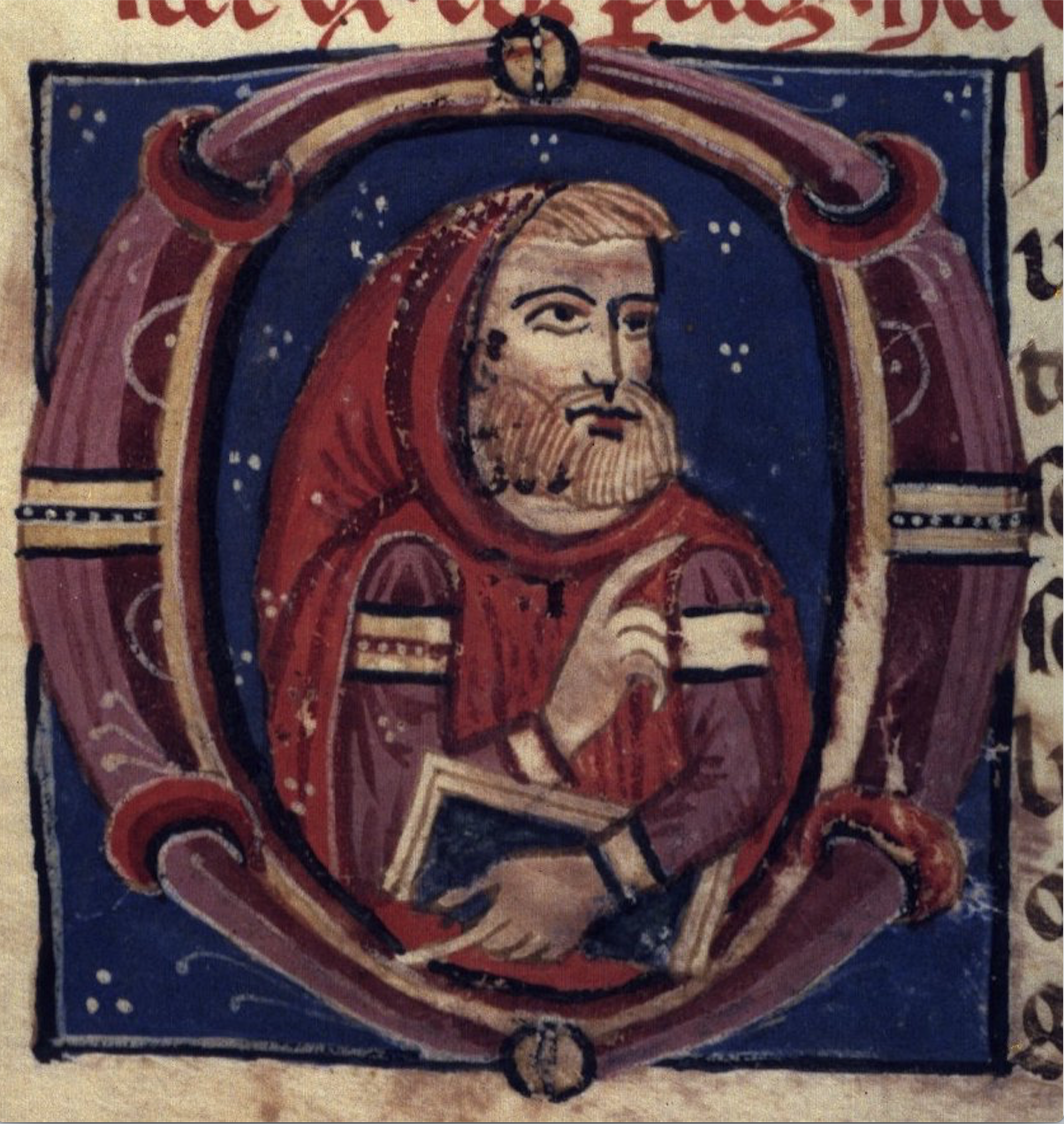 🇬🇧 United Kingdom and 2 moreMichael Scot
A medieval scholar and astrologer who became a legendary magician in folklore.Figure · Seeing and foretelling · Wonder and entertainment Legendary
 🇲🇽 Mexico and 5 moreLa Llorona
A vengeful ghost in Hispanic American folklore who mourns drowned children near water.Being · Cursing and harm · Seeing and foretelling Legendary
 🇮🇪 IrelandBadb
An Irish war goddess who appears as a crow to sow fear and predict death in battle.Being · Cursing and harm · Seeing and foretelling Legendary
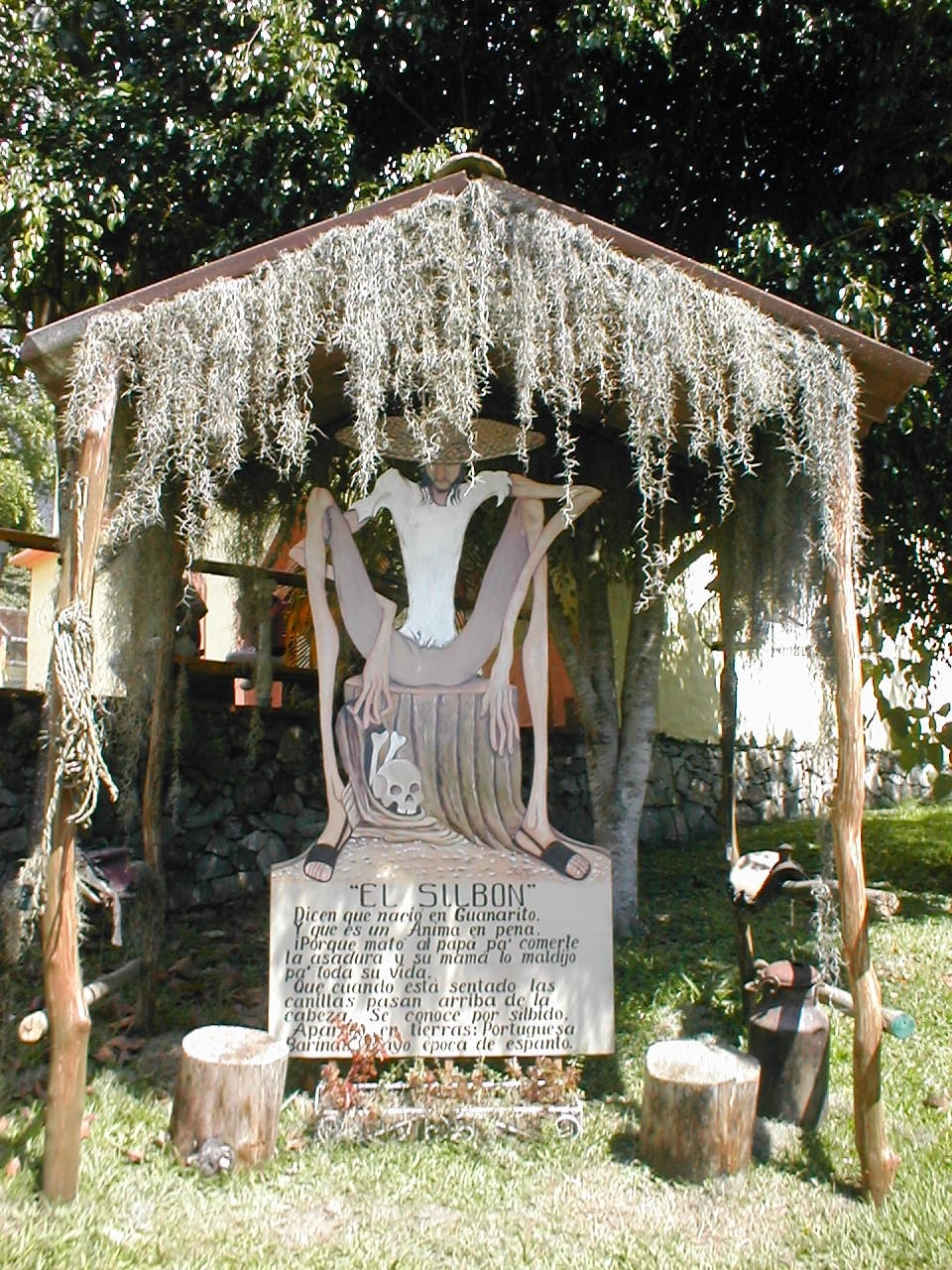 🇻🇪 Venezuela and 1 moreEl Silbón
A Venezuelan and Colombian legend of a cursed spirit who carries his father's bones.Figure · Cursing and harm · Seeing and foretelling Legendary
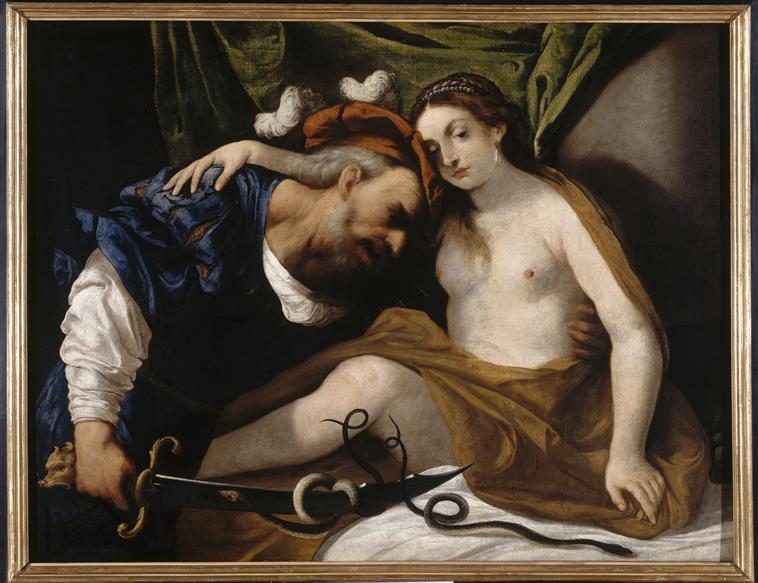 🇬🇷 GreeceTiresiasΤειρεσίας
A blind Greek seer who lived as both man and woman and spoke to the dead.Figure · Seeing and foretelling · Speaking with spirits and the dead Legendary
 🇨🇳 China and 1 moreYue Lao月下老人
The Chinese deity of marriage who binds destined couples with red cordsBeing · Love and attraction · Binding and oaths Legendary
 🇬🇧 United Kingdom and 1 moreMerlinMyrddin
A legendary prophet and magician from the King Arthur cycleFigure · Seeing and foretelling · Power and authority Legendary
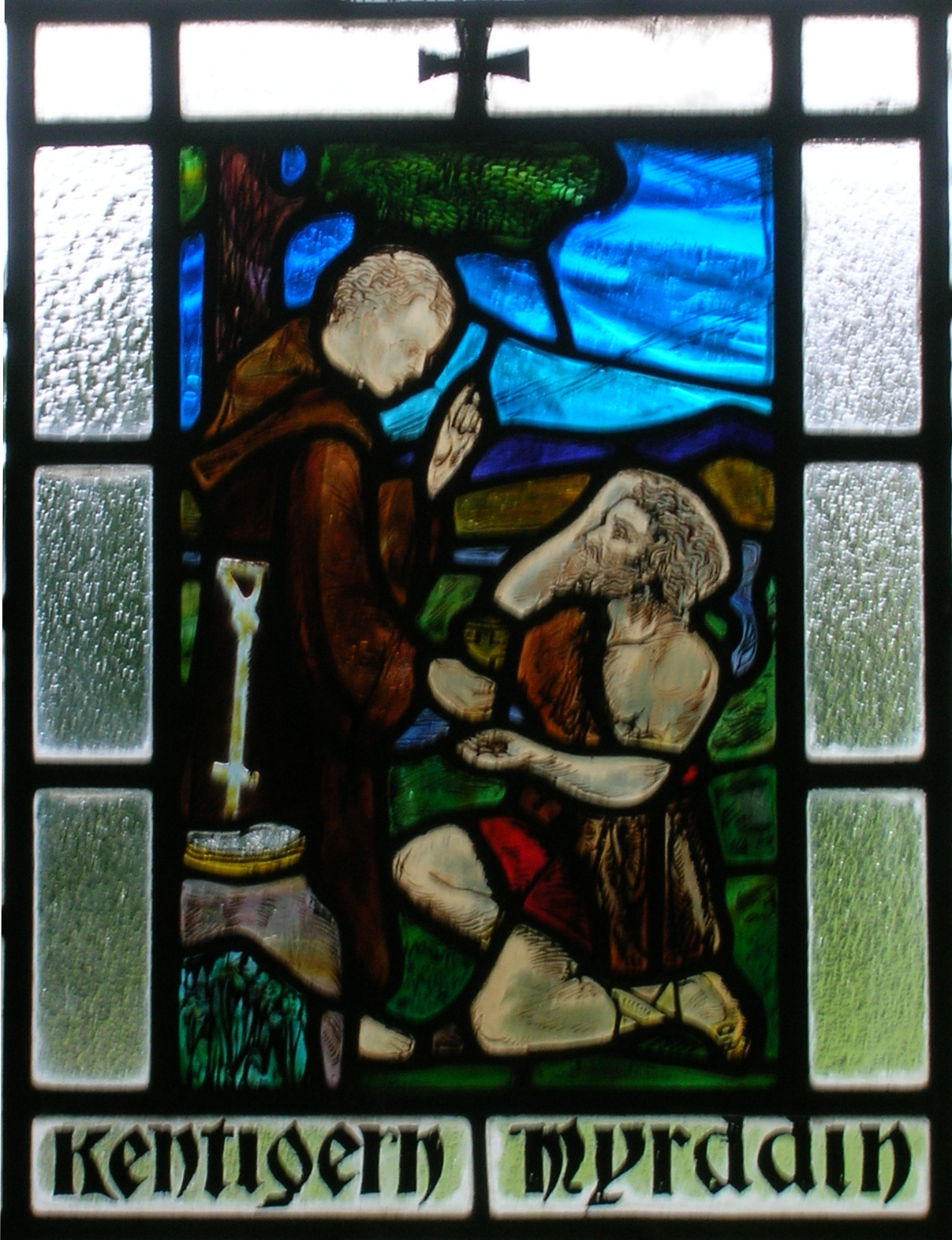 🇬🇧 United KingdomMyrddin Wyllt
A wild prophet of Welsh legend who inspired the wizard MerlinFigure · Seeing and foretelling Legendary
 🇬🇷 Greece and 5 moreSibylΣίβυλλα (Sibylla)
Ancient Greek prophetesses who spoke divine counsel at holy shrinesFigure · Seeing and foretelling · Power and authority Legendary
🇬🇧 United KingdomBarghest
A mythical black dog from Northern England that foretells death and haunts the countryside.Being · Seeing and foretelling · Cursing and harm Legendary
 🇧🇷 Brazil and 5 moreWhite Lady
A female ghost in white clothing linked to tragedy and omens across many culturesFigure · Cursing and harm · Seeing and foretelling Legendary
 🇨🇳 ChinaHe Xiangu何仙姑
A female immortal from Chinese Taoist legend known for divination and lotus magicFigure · Seeing and foretelling · Healing Legendary
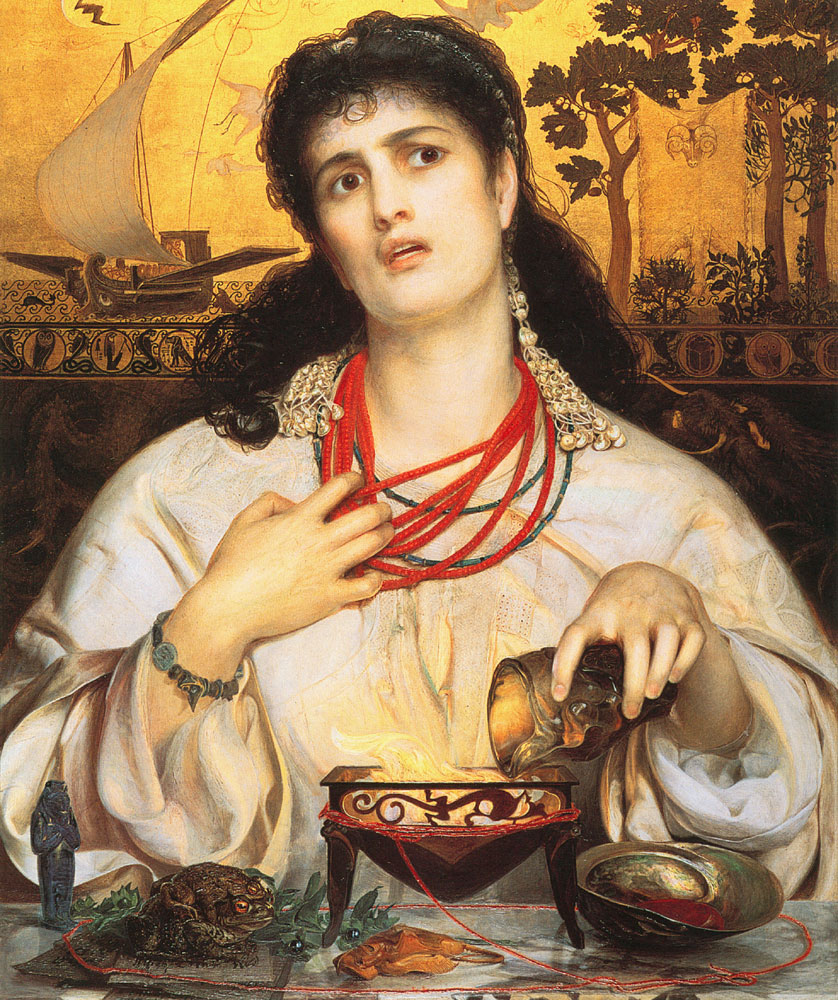 🇬🇷 GreeceMedeaΜήδεια
A sorceress and princess of Colchis who aids Jason and uses magic for revenge.Figure · Cursing and harm · Healing Legendary
🇬🇧 United KingdomBlack dog
A spectral hound from English folklore that signals death or guards the living.Being · Cursing and harm · Protection Legendary
 🇬🇷 GreeceCassandraΚασσάνδρα
A Trojan priestess cursed to speak truth that no one acceptsFigure · Seeing and foretelling Legendary
🇪🇬 EgyptDjedi
A fictional magician from the Westcar Papyrus who resurrects animals and foretells a king's lineage.Figure · Seeing and foretelling · Wonder and entertainment Legendary
 🇮🇹 ItalyCumaean Sibyl
The priestess of the Apollonian oracle at Cumae, famous in Roman legend for her prophetic books and underworld guidance.Figure · Seeing and foretelling · Speaking with spirits and the dead Legendary
🇭🇺 HungaryTáltos
A Hungarian mythic figure with supernatural powers who acts as a spiritual mediator.Being · Healing · Seeing and foretelling Legendary
 🇫🇷 France and 3 moreLes LavandièresKannerez-Noz
Supernatural washerwomen who wash shrouds or bloodstained clothes for those about to die.Being · Seeing and foretelling Legendary
🇯🇵 JapanOsakabehime刑部姫
A yōkai spirit said to inhabit Himeji Castle and reveal its fate.Being · Seeing and foretelling Legendary
🇨🇳 China and 1 moreFengxi封豨
A two-headed boar monster and ancient rain deity from Chinese mythBeing · Cursing and harm · Seeing and foretelling Legendary
🇨🇳 ChinaShangyang商羊
A mythical Chinese bird that predicts rain by dancing on one legBeing · Seeing and foretelling Legendary
 🇬🇷 GreecePhoebeΦοίβη (Phoíbē)
A Titaness of prophecy and the original keeper of the Delphic oracleFigure · Seeing and foretelling Legendary
🇮🇹 ItalyVegoiaVecu
An Etruscan prophet credited with sacred books and land boundariesFigure · Seeing and foretelling · Power and authority Legendary
🇮🇳 IndiaByangomaব্যাঙ্গমা
Human-faced birds of Bengali tales that tell fortunes and carry the deservingBeing · Seeing and foretelling · Protection Legendary
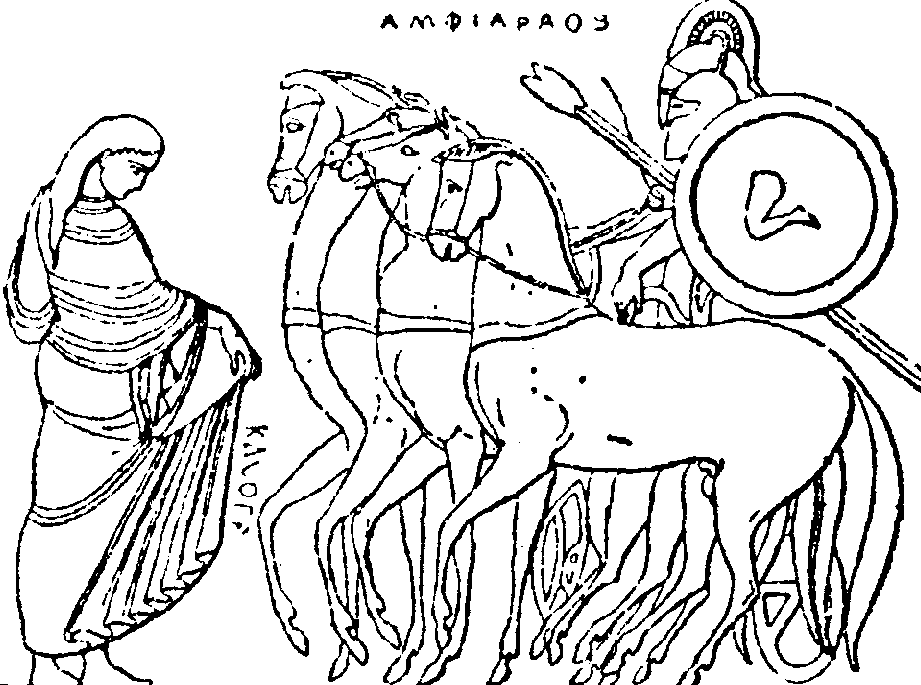 🇬🇷 Greece and 1 moreAmphiarausἈμφιάραος
A Greek seer and hero who became a healing oracle after being swallowed by the earth.Figure · Healing · Seeing and foretelling Legendary
🇯🇵 JapanFurutsubaki-no-rei古椿の霊
A spirit said to live in old camellia trees, appearing as a woman who lures or warnsBeing · Cursing and harm · Seeing and foretelling Legendary
🇨🇱 Chile and 1 moreChonchon
A human head that flies at night in Mapuche belief, its cry warning of a death to comeBeing · Cursing and harm · Seeing and foretelling Legendary
🇨🇳 ChinaNine-tailed turtle九尾龜
A legendary Chinese creature linked to divination and folkloreBeing · Seeing and foretelling · Luck and prosperity Legendary
 🇷🇺 RussiaAlkonostАлконост
A woman-faced bird of Russian folklore whose song makes listeners forget everythingBeing · Seeing and foretelling · Healing Legendary
 🇨🇳 ChinaNine-Eared Hound九耳犬
A legendary dog from Leizhou Peninsula mythology that predicts prey and discovers the Thunder GodBeing · Seeing and foretelling · Power and authority Legendary
🇮🇷 Iran and 1 moreCup of Jamshidجام جم (jām-e Jam)
A mythical Persian cup used for scrying and seeing the world's truths.Charm · Seeing and foretelling · Power and authority Legendary
🇬🇧 United KingdomBluecap
A blue flame spirit of English mines that guides miners and warns of dangerBeing · Seeing and foretelling · Luck and prosperity Legendary
🇲🇽 MexicoTlanchana
A water spirit of the Matlatzinca people, born from an Otomi goddess.Being · Seeing and foretelling Legendary
 🇯🇵 JapanAmabieアマビエ
A prophetic sea creature from Japan that wards off disease with its imageFigure · Protection · Seeing and foretelling Legendary
 🇬🇷 GreeceBranchusΒράγχος
A mortal lover of Apollo who became a prophet and founded an oracle cult in ancient Greece.Figure · Seeing and foretelling · Healing Legendary
 🇺🇦 UkraineMolfarмольфар
A Carpathian folk healer and magician blending pagan and Christian traditionsBeing · Healing · Seeing and foretelling Legendary
🇮🇪 IrelandAibellAoibheall
A Munster goddess turned fairy queen, said to foretell deathsFigure · Seeing and foretelling · Cursing and harm Legendary
 🇷🇺 RussiaGolden WomanЗолотая баба
A legendary idol of northeastern Europe and Siberia described in early European accounts.Figure · Cursing and harm · Seeing and foretelling Legendary
🇹🇷 Turkey and 3 moreYel iyesiҪил ийи (Chuvash), Тыал иччи (Yakut)
A Turkic wind spirit and its divine parents, known for healing and fierce power.Being · Healing · Seeing and foretelling Legendary
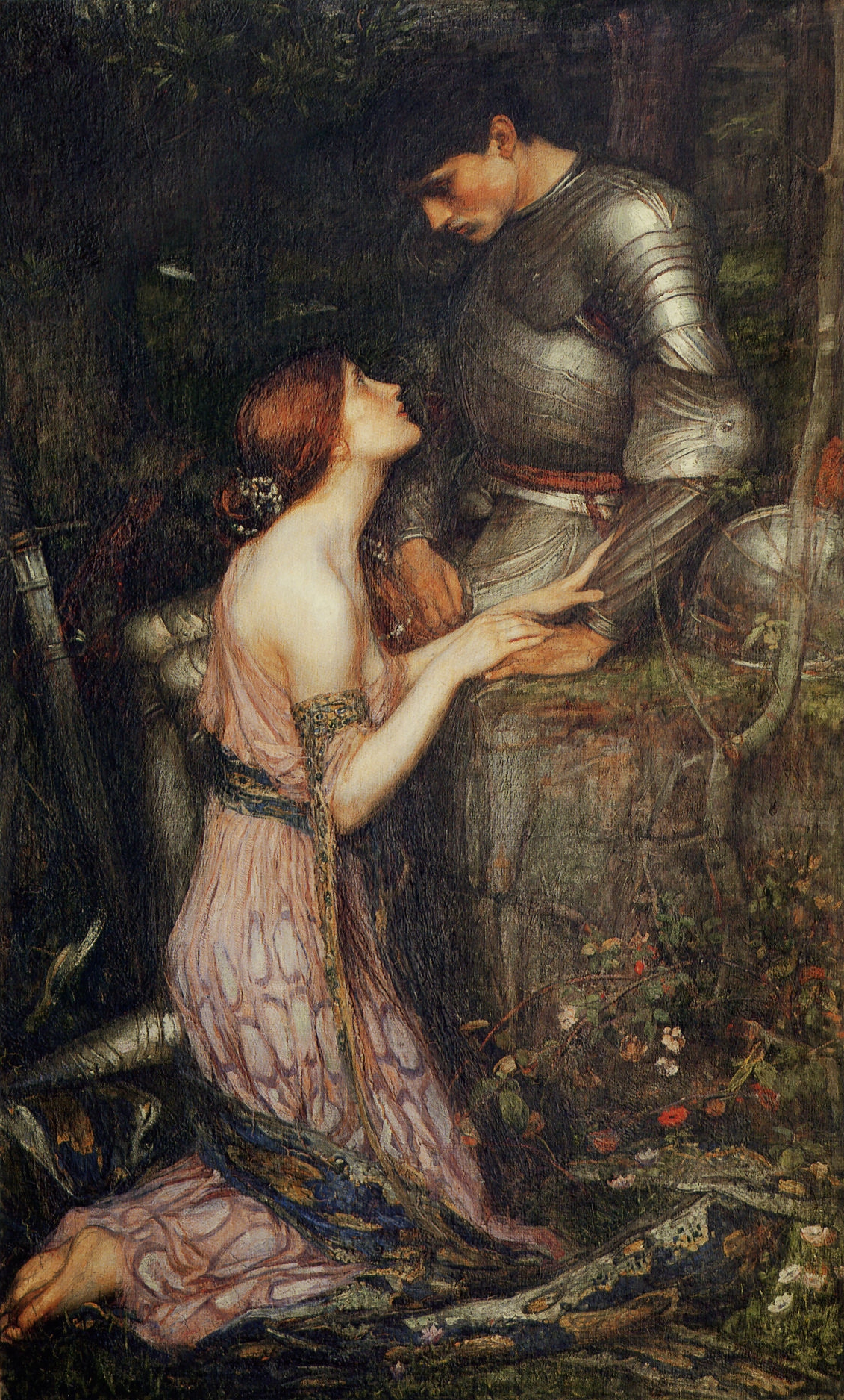 🇱🇾 Libya and 2 moreLamiaΛάμια
A child-snatching monster and night phantom from ancient Greek mythBeing · Cursing and harm · Seeing and foretelling Legendary
Photo credits on this page
The small pictures above come from Wikimedia Commons under free licences. Some are cropped to fit.
- Medea: Frederick Sandys, Public domain, source
- Cumaean Sibyl: Elihu Vedder, Public domain, source
- Freyja: John Bauer, Public domain, source
- Abe no Seimei: Unknown author, Public domain, source
- Michael Scot: Unknown author, Public domain, source
- Yue Lao: 仔仔好帥, CC BY-SA 4.0, source
- Myrddin Wyllt: Rosser1954 Roger Griffith, Public domain, source
- Lamia: John William Waterhouse, Public domain, source
- White Lady: engraved by Ames of Bristol (according to Fincham, Artists and engrave, Public domain, source
- He Xiangu: Zhang Lu, Public domain, source
- Cassandra: George Romney, Public domain, source
- Amphiaraus: Unknown author, Public domain, source
- Alkonost: Viktor Vasnetsov, Public domain, source
- Nine-Eared Hound: User:Vmenkov, CC BY-SA 3.0, source
- La Llorona: Melvin Callejas, Public domain, source
- Badb: Commonists, CC BY-SA 4.0, source
- El Silbón: María Auxiliadora Ramírez Prato, CC BY-SA 3.0, source
- Tiresias: Pietro della Vecchia, Public domain, source
- Merlin: Howard Pyle, Public domain, source
- Sibyl: Filippino Lippi (1457-1504), Public domain, source
- Amabie: Unknown author, Public domain, source
- Phoebe: Olivierw, Public domain, source
- Golden Woman: Sigismund von Herberstein, Public domain, source
- Branchus: Francesco Bini, CC BY-SA 4.0, source
- Molfar: Ніна Бурневіч, CC BY-SA 4.0, source
- Les Lavandières: Jean-Édouard Dargent, Public domain, source