
This practice generates six-line figures called hexagrams to serve as an oracle. It originates in China and was used during the Zhou dynasty. Practitioners study commentaries on these figures to derive meaning.
- Uses sixty-four hexagrams with six lines each
- Originated in China during the Zhou dynasty
- Evolved from turtle shell and bone cracking
- Yarrow stalks are traditional tools
- Coins offer a faster alternative method
What it is
The I Ching is a system of cleromancy that uses sixty-four hexagrams as its core structure. Each hexagram consists of six lines that are either solid or broken. These lines represent states of yin and yang. The text includes commentaries for each figure. Users consult this text to gain insight. The process involves generating specific line combinations. These combinations form the basis for interpretation. The resulting meanings are treated as an oracle. This method allows users to seek guidance through structured symbols.
Where it comes from
The practice emerged in China during the Zhou dynasty. It likely evolved from earlier forms of fortune telling. Plastromancy involved heating turtle shells to read cracks. Scapulimancy used ox shoulder bones for similar purposes. These methods predate the Zhou Yi by hundreds of years. The oldest Chinese writings were found on these shells. The I Ching system replaced these older physical methods. It established a more abstract framework for divination.
How it is done
Diviners build hexagrams line by line, starting from the bottom. They use either yarrow stalks or coins to determine each line. Yarrow stalks involve complex sorting and counting procedures. Coin methods are faster and simpler. Some lines are marked as old or moving. Old lines change into their opposite state. This creates a second hexagram. Users study the commentaries for both figures. The interpretation depends on the combination of static and changing lines.
Tools and materials
The traditional tool is fifty yarrow stalks. One stalk is set aside before the process begins. Forty-nine stalks are sorted into piles. Diviners may use wooden rods instead of real plants. Coins are another common tool. Three coins are tossed simultaneously. Each coin has a value based on heads or tails. Some diviners shake coins in a tortoise shell. The choice of tools affects the probability of outcomes.
I Ching divination, drawn and placed
- Living
- Revived
- Fading
- Historical
- Legendary
- Performed
- Lineage
- Zhou dynasty tradition
What it is for
People use this oracle to foresee events or understand situations. The hexagrams provide symbolic commentary. Users interpret these texts to find answers. The process is seen as a way to connect with deeper knowledge. Some practitioners view it as a ritual activity. Others use it for quick guidance. The oracle serves as a mirror for decision making. It helps clarify complex circumstances through structured symbolism.
At a glance: who, where and when


Questions people ask about I Ching divination
What is the I Ching?
It is a Chinese oracle system using sixty-four hexagrams. Each hexagram has six lines representing yin and yang states. Users generate these figures to receive guidance through textual commentary.
How are hexagrams created?
Diviners use yarrow stalks or coins to build lines sequentially. Yarrow stalks require complex sorting. Coins are tossed to determine values. Lines can be static or changing, creating a primary and secondary hexagram.
What tools are used?
Traditionalists use fifty yarrow stalks. Modern practitioners often use three coins. Some prefer wooden rods or modified coin techniques. Tools are chosen based on tradition or convenience.
Where did it come from?
It originated in China during the Zhou dynasty. It developed from earlier plastromancy and scapulimancy practices. These involved reading cracks in turtle shells and ox bones.
Good reading and sources
- Library of Congress CatalogLibrary of Congress, Article
- Sheila Heti Wrestles with a Big Decision in “Motherhood”The New Yorker, Article
The facts on this page come from the Wikipedia article "I Ching divination", written by its contributors and used under the CC BY-SA 4.0 licence, and from its Wikidata record (CC0). EveryJaadu rewrote the text in its own words, with AI assistance, and compares every page with the article to make sure no passage is copied. It may be reused under the same CC BY-SA 4.0 licence with a link back.
It may contain mistakes. Names and customs differ from one community to the next, and some knowledge is closed to outsiders and left out here. This page describes belief and practice. It does not say that any of it works, it is not a how-to, and it is not medical advice. If something is wrong, tell us. Last refreshed 2026-10-06.
More from China
All the entries from China 🇨🇳 China and 1 moreMoon blocks筊杯
Two crescent blocks thrown to a deity for a yes or noOracle · Seeing and foretelling Living
🇨🇳 China and 1 moreMoon blocks筊杯
Two crescent blocks thrown to a deity for a yes or noOracle · Seeing and foretelling Living
 🇨🇳 China and 5 moreKau chim求籤
A divination practice using numbered bamboo sticks to seek answers from deitiesOracle · Seeing and foretelling · Power and authority Living
🇨🇳 China and 4 moreQimen Dunjia奇門遁甲
An ancient Chinese divination system mapping time and space for strategic decision-makingOracle · Seeing and foretelling · Power and authority Revived
🇨🇳 China and 5 moreKau chim求籤
A divination practice using numbered bamboo sticks to seek answers from deitiesOracle · Seeing and foretelling · Power and authority Living
🇨🇳 China and 4 moreQimen Dunjia奇門遁甲
An ancient Chinese divination system mapping time and space for strategic decision-makingOracle · Seeing and foretelling · Power and authority Revived
Related elsewhere
All oracle 🇮🇳 India and 5 moreAstrology
A divinatory practice that reads human fate through the positions of celestial bodies.Belief · Seeing and foretelling · Luck and prosperity Living
🇮🇳 India and 5 moreAstrology
A divinatory practice that reads human fate through the positions of celestial bodies.Belief · Seeing and foretelling · Luck and prosperity Living
 🇮🇳 India and 2 morePalmistry
A divination method that interprets the lines and shapes of the hand to predict fate or reveal character.Oracle · Seeing and foretelling · Power and authority Living
🇮🇳 India and 2 morePalmistry
A divination method that interprets the lines and shapes of the hand to predict fate or reveal character.Oracle · Seeing and foretelling · Power and authority Living
 🇪🇸 Spain and 5 moreAlfonso X of Castileel Sabio
A medieval king who sponsored astronomical tables and translated works on magic and astrology.Text · Power and authority · Seeing and foretelling Historical
🇪🇸 Spain and 5 moreAlfonso X of Castileel Sabio
A medieval king who sponsored astronomical tables and translated works on magic and astrology.Text · Power and authority · Seeing and foretelling Historical
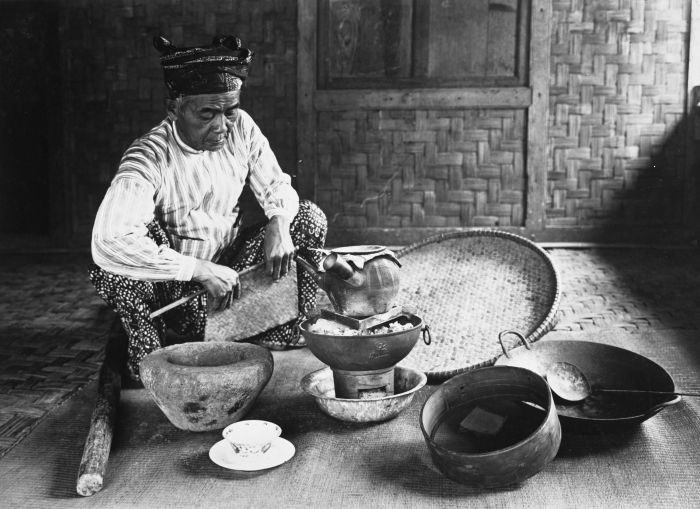 🇮🇩 Indonesia and 2 moreDukun
A traditional healer and spirit medium in Indonesian folk practiceTradition · Healing · Seeing and foretelling Living
🇮🇩 Indonesia and 2 moreDukun
A traditional healer and spirit medium in Indonesian folk practiceTradition · Healing · Seeing and foretelling Living