Crithomancy
from Greek krithē, meaning barley
Divination by reading barley cakes and scattered cereal grains for omens
Crithomancy is a method of seeking signs through the examination of barley-based offerings and loose cereal grains. Practitioners in ancient Greece, Egypt, Peru, and among North American tribes used these materials to interpret future events or divine guidance.
- Derived from the Greek word for barley
- Used by ancient Greek priests and North American tribes
- Involved examining barley cakes or scattered corn
- Practiced in Egypt, Peru, and the United States
- Related to alphitomancy but distinct in method
What it is
This practice involves interpreting signs found in food items made from cereals. It focuses on two main forms: analyzing baked barley cakes and observing loose grains. The goal is always to find patterns that reveal hidden truths or predict outcomes. It sits alongside other forms of cleromancy, which use random objects to cast lots.
Where it comes from
The word comes from the Greek term for barley. Ancient priests in Greece developed methods to read omens using these grains. Similar practices appeared independently in other regions. In the Americas, indigenous groups utilized local grain varieties for their own spiritual readings.
How it is done
For the cake form, practitioners examine the texture and flour spread on sacrificed offerings. For the grain form, kernels are scattered over animals or surfaces. The soothsayer looks at how the pieces land or their arrangement. Random shapes and positions are interpreted as messages.
Tools and materials
Barley is the primary material in the Greek tradition. Other cultures used various cereal grains, including corn. These substances serve as the medium for receiving answers. No special tools are needed beyond the grains themselves and a surface to scatter them upon.
Crithomancy, drawn and placed
- Living
- Revived
- Fading
- Historical
- Legendary
- Performed
- Lineage
- cereal grain divination
- Timing
- daily and during sacrifices
What it is for
People sought guidance on future events or divine will. Priests used it to advise communities. Medicine men consulted it for healing or protection. Daily rituals involved carrying powder to maintain a connection with spiritual forces.
Who does it
Greek priests performed the rites in temples. Native tribes in Arizona carried powders daily. Peruvian healers acted as intermediaries. These roles required specific knowledge of how to read the patterns correctly.
Peoples and places
Greeks focused on barley and sacrificial contexts. Egyptians and Peruvians adapted the method using local crops like corn. North American tribes in Arizona integrated it into daily life. Each culture modified the technique to fit their available resources.
At a glance: who, where and when
What people believe
The underlying idea is that randomness holds meaning. Gods or spirits influence how grains fall or how cakes break. Patterns are not accidents but deliberate signals. This view connects the physical world of food to the spiritual realm of fate.
When it is done
In Arizona, tribes used the powder every morning. Greek rituals were tied to animal sacrifices. There were no fixed annual festivals mentioned, but rather situational or daily applications depending on the need for guidance.
How scholars and sceptics see it
Researchers classify this under historical divination techniques. It is often compared to alphitomancy, which uses flour. Anthropologists study how different cultures adopted similar methods using locally available grains like barley or corn.
Cautions and what is closed
However, as a historical practice, it is no longer actively performed by these groups. Modern interpretations should respect the cultural context of the original practitioners.
Compare and confuse
It is closely related to alphitomancy, which specifically uses flour. Both rely on cereal products. The key difference is the form: cakes versus loose grains. Some scholars group them together as variations of the same basic principle.
Law and persecution
No legal issues are recorded. As an ancient practice, it has no current legal status. It is studied as part of history and anthropology rather than regulated as a modern activity.
Questions people ask about Crithomancy
What is crithomancy?
It is a form of divination that uses barley cakes or cereal grains to find omens. Practitioners look for patterns in the food to understand future events or divine will.
Where did it originate?
The term comes from ancient Greece, where priests used barley. Similar practices were also found in Egypt, Peru, and among Native American tribes in the Americas.
How is it performed?
Grains are scattered on animals or surfaces, or barley cakes are examined. The reader interprets the shapes and arrangements of the pieces as messages from the spirit world.
Is it the same as alphitomancy?
They are related but distinct. Alphitomancy uses flour, while crithomancy typically involves whole grains or baked barley cakes. Both seek omens through cereal products.
Good reading and sources
The facts on this page come from the Wikipedia article "Crithomancy", written by its contributors and used under the CC BY-SA 4.0 licence, and from its Wikidata record (CC0). EveryJaadu rewrote the text in its own words, with AI assistance, and compares every page with the article to make sure no passage is copied. It may be reused under the same CC BY-SA 4.0 licence with a link back.
It may contain mistakes. Names and customs differ from one community to the next, and some knowledge is closed to outsiders and left out here. This page describes belief and practice. It does not say that any of it works, it is not a how-to, and it is not medical advice. If something is wrong, tell us. Last refreshed 2026-10-14.
More from Greece
All the entries from Greece 🇮🇳 India and 3 morePalmistry
A divination practice that reads the lines and shapes of the hand to predict fate or characterOracle · Seeing and foretelling · Luck and prosperity Living
🇮🇳 India and 3 morePalmistry
A divination practice that reads the lines and shapes of the hand to predict fate or characterOracle · Seeing and foretelling · Luck and prosperity Living
 🇬🇷 Greece and 5 moreSpodomancy
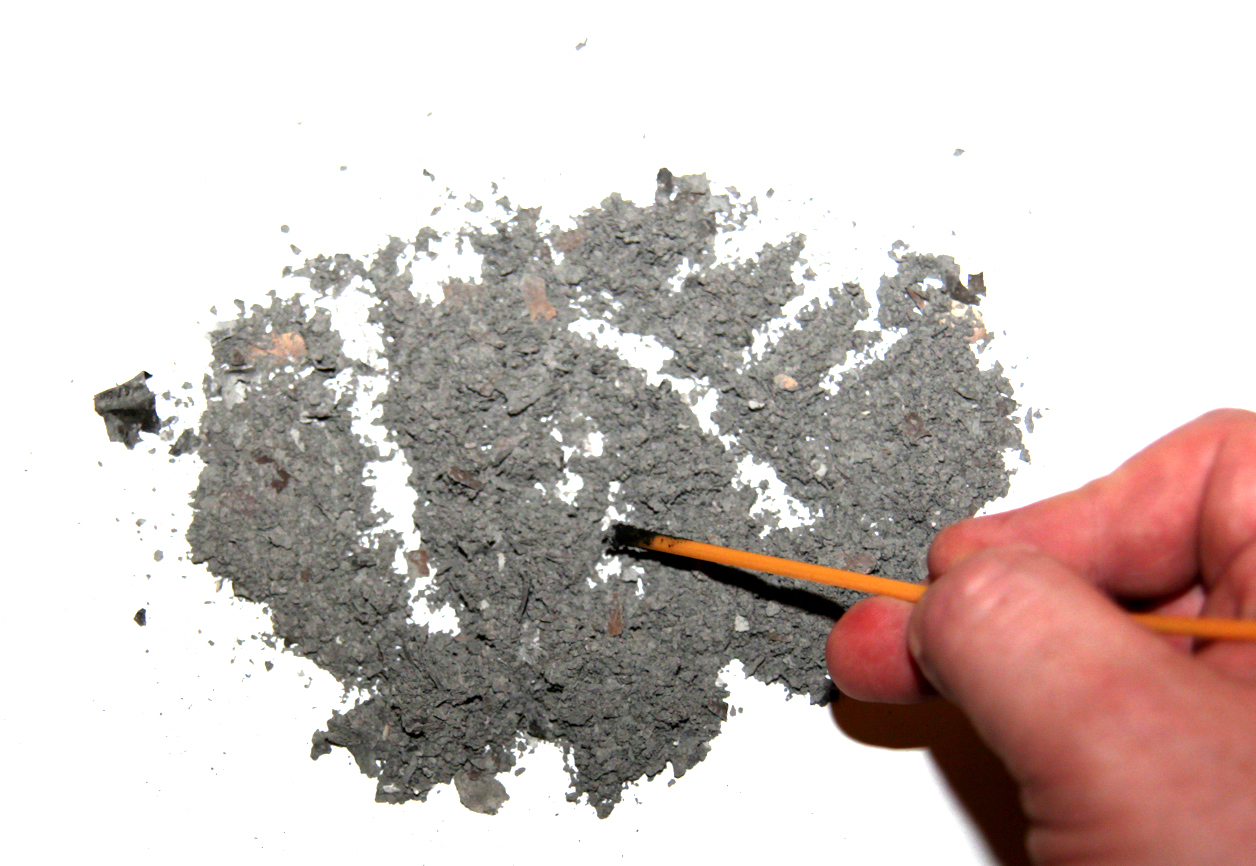
Divination by reading omens in ashes, soot, and cindersOracle · Seeing and foretelling · Healing Living
🇬🇷 Greece and 5 moreSpodomancy
Divination by reading omens in ashes, soot, and cindersOracle · Seeing and foretelling · Healing Living
 🇬🇷 GreeceCoscinomancy
A divination method using a sieve and shears to reveal guilt or answer questions.Oracle · Seeing and foretelling Historical
🇬🇷 GreeceCoscinomancy
A divination method using a sieve and shears to reveal guilt or answer questions.Oracle · Seeing and foretelling Historical
 🇬🇷 Greece and 2 moreAstragalomancy
Divination by casting marked bones, carved rods, or numbered diceOracle · Seeing and foretelling · Speaking with spirits and the dead Living
🇬🇷 Greece and 2 moreAstragalomancy
Divination by casting marked bones, carved rods, or numbered diceOracle · Seeing and foretelling · Speaking with spirits and the dead Living
Related elsewhere
All oracle 🇮🇶 Iraq and 4 moreAstrology
A system of divination that links human affairs to the positions of celestial bodiesTradition · Seeing and foretelling · Luck and prosperity Living
🇮🇶 Iraq and 4 moreAstrology
A system of divination that links human affairs to the positions of celestial bodiesTradition · Seeing and foretelling · Luck and prosperity Living
 🇮🇹 ItalyEtruscan religion
The polytheistic beliefs and divination practices of the ancient Etruscans of ItalyTradition · Seeing and foretelling · Speaking with spirits and the dead Historical
🇬🇧 United KingdomTaghairm
A Scottish Gaelic divination rite using sensory deprivation and animal skins to summon spirits.Rite · Seeing and foretelling Historical
🇮🇹 ItalyEtruscan religion
The polytheistic beliefs and divination practices of the ancient Etruscans of ItalyTradition · Seeing and foretelling · Speaking with spirits and the dead Historical
🇬🇧 United KingdomTaghairm
A Scottish Gaelic divination rite using sensory deprivation and animal skins to summon spirits.Rite · Seeing and foretelling Historical
 🇪🇸 Spain and 5 moreAlfonso X of Castileel Sabio
A medieval king who sponsored astronomical tables and translated works on magic and astrology.Text · Power and authority · Seeing and foretelling Historical
🇪🇸 Spain and 5 moreAlfonso X of Castileel Sabio
A medieval king who sponsored astronomical tables and translated works on magic and astrology.Text · Power and authority · Seeing and foretelling Historical