Speaking with spirits and the dead
Mediumship, ancestor rites, possession and the offerings made to the unseen.
Speaking with spirits and the dead is the aim of mediumship, ancestor rites, possession and necromancy. It runs from the spirit mediums of Korea and Brazil to Vodou possession, Chinese ancestor offerings, the Mexican Day of the Dead, Victorian spiritualism and the Witch of Endor of the Bible. It is a central practice in some living religions and a frequent target of fraud in others. This page covers who speaks to the dead and how they are judged.
Ways of contact
Methods differ. In possession, a spirit or deity is said to speak through the body of a medium, as in Vodou, Candomblé, Haitian and Brazilian rites, and in Korean gut. In trance or dream, a shaman travels to the spirit world. In offerings and festivals, families feed and talk to ancestors, as in the Hungry Ghost month in China and the ofrenda in Mexico. Spiritualism added the seance and the table-rapping of the 1840s.
Who may
In many societies, women lead: Korean mudang, Okinawan yuta, Brazilian mães de santo and the Western spiritualist mediums of the nineteenth century, who found in mediumship a public role denied elsewhere. Elsewhere, the role is for elders and ancestors' descendants. Some traditions require initiation, and some say contact with the dead is not for outsiders to attempt. Spirits and ancestors are not always friendly: mediums report angry, hungry or lost beings, and rites exist for settling them, such as offerings for neglected ancestors in China and Vietnam.
Authority and fear
Religions disagree. Christianity, Judaism and Islam each forbid certain contact with the dead while honouring prayer for them. Spiritist movements around Kardec in Brazil and France treat communication as a doctrine. Colonial authorities banned possession cults in many places, often labelling them devil worship, and some Pentecostal churches today condemn them in the same terms. The rites are widely found in Africa too, where ancestors are consulted at the family shrine and are held to watch over the living.
Fraud, grief and study
Grieving people are vulnerable. Fraudulent mediums, from the Fox sisters, who confessed in 1888, to modern cold readers, have taken money by exploiting loss. Researchers point to cold reading and to the ideomotor effect behind the Ouija board. Many bereaved people also report real comfort from rites that keep a bond with the dead, and counsellors acknowledge that continuing bonds are common. Doctors and psychologists note that a grief reaction can include hearing or sensing the dead, which is common and not in itself a sign of illness.
Speaking with spirits and the dead on EveryJaadu
The entries written up so far, best known first.
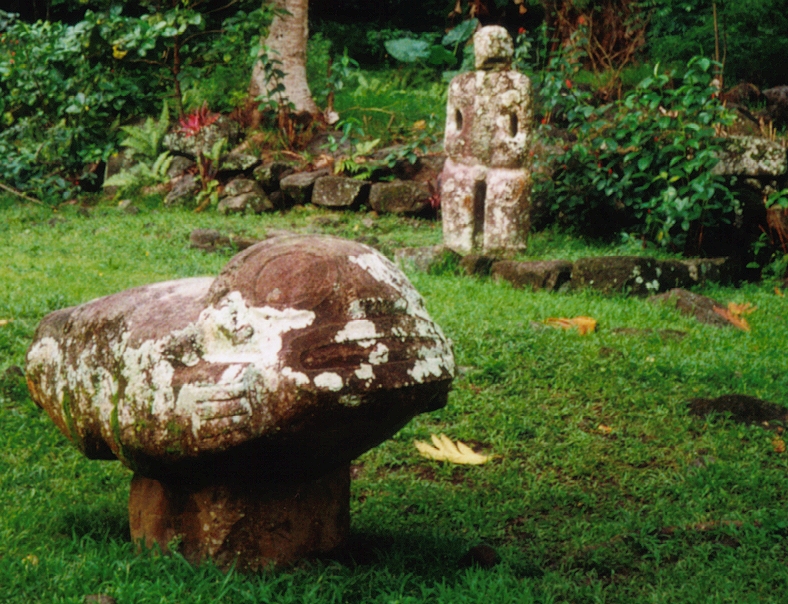 🇳🇿 New Zealand and 2 morePolynesian mythology
The oral traditions and legends of the Polynesian peoples across the PacificTradition · Speaking with spirits and the dead Living
🇮🇳 IndiaPashupata Shaivismपाशुपत
An early Hindu school of ascetic devotion and philosophy focused on liberation through ritual penance.Tradition · Speaking with spirits and the dead Historical
 🇨🇳 ChinaNeidan内丹
A Taoist practice using the body as a vessel to refine inner energies for longevity and spiritual survival.Tradition · Protection · Healing Historical
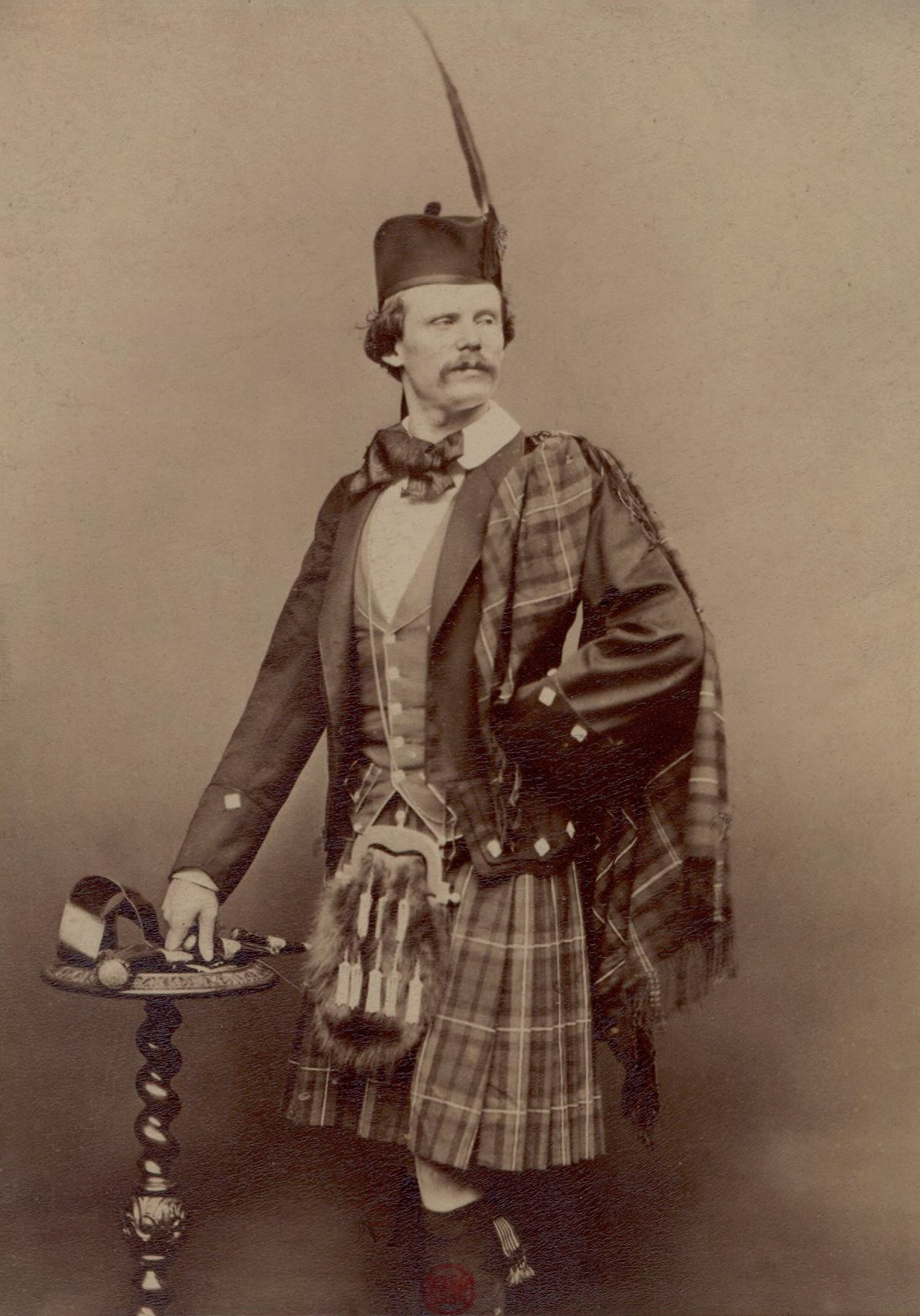 🇬🇧 United Kingdom and 2 moreDaniel Dunglas Home
A Scottish physical medium known for levitation and spirit communication during the Victorian era.Belief · Speaking with spirits and the dead · Wonder and entertainment Historical
 🇵🇰 Pakistan and 4 moreLal Shahbaz Qalandarلعل شهباز قلندر
A Sufi saint and poet revered in South Asia, especially among the Sindhi people.Figure · Speaking with spirits and the dead Historical
 🇨🇦 Canada and 1 moreTotemdoodem
A spirit or symbol linking a group to nature, from Ojibwe clan systems to Australian kinshipBelief · Speaking with spirits and the dead · Power and authority Living
 🇮🇳 India and 2 moreYantraयन्त्र
A geometric diagram from Indian traditions used for worship and meditationCharm · Protection · Speaking with spirits and the dead Living
 🇮🇳 India and 1 moreKundaliniकुण्डलिनी
A dormant energy in Hinduism believed to rise through the spine for spiritual liberationBelief · Change and initiation · Power and authority Living
 🇪🇬 EgyptAnubis𓇋𓈖𓊪𓃣
The jackal-headed god who guides souls and oversees mummification in ancient Egypt.Being · Protection · Speaking with spirits and the dead Historical
🇬🇷 GreeceAncient Greek folklore
The oral stories, music and rituals of the ancient GreeksTradition · Speaking with spirits and the dead · Power and authority Historical
 🇮🇳 India and 2 moreKalachakraདུས་ཀྱི་འཁོར་ལོ།
A Tibetan Buddhist tantric deity and system of yogic time cyclesTradition · Change and initiation · Speaking with spirits and the dead Living
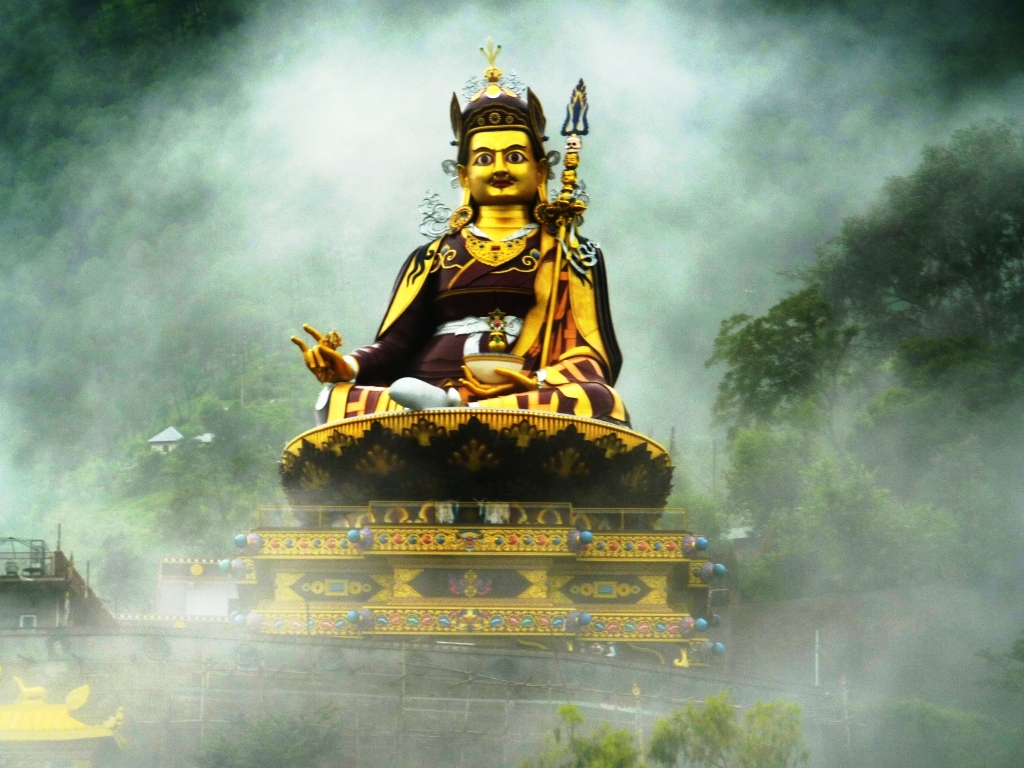 🇮🇳 India and 2 morePadmasambhavaཔདྨ་འབྱུང་གནས།
A tantric master credited with establishing Buddhism in Tibet and founding the Nyingma school.Figure · Protection · Power and authority Living
 🇪🇬 EgyptDemon
A supernatural entity believed to cause harm or possess humansBeing · Cursing and harm · Speaking with spirits and the dead Historical
 🇮🇳 India and 3 moreSpirit
An invisible force or soul found in many cultures, linked to gods, humans, and nature.Being · Speaking with spirits and the dead · Power and authority Living
 🇩🇪 Germany and 5 moreAnthroposophy
A spiritual movement founded by Rudolf Steiner to explore the intellectual side of the unseen worldTradition · Speaking with spirits and the dead · Change and initiation Living
 🇲🇽 Mexico and 5 morePersonifications of death
Figures from many cultures that embody the end of life and guide soulsFigure · Speaking with spirits and the dead Living
🇬🇧 United KingdomGrimoire (sample)
A handbook of rites and names.Text · Power and authority · Speaking with spirits and the dead Historical
 🇨🇳 China and 4 moreFuji扶乩
Chinese planchette writing: gods and ancestors reply through a stylus on sandRite · Speaking with spirits and the dead · Seeing and foretelling Living
 🇮🇹 ItalyArcheosofica
A school of esoteric Christianity founded in Rome that teaches ascetic disciplines and magical theory.Tradition · Power and authority · Speaking with spirits and the dead Living
 🇻🇳 Vietnam and 2 moreVietnamese numismatic charmsBùa Việt Nam
Coin-shaped charms used for protection, luck, and ritual in Vietnamese cultureCharm · Protection · Luck and prosperity Historical
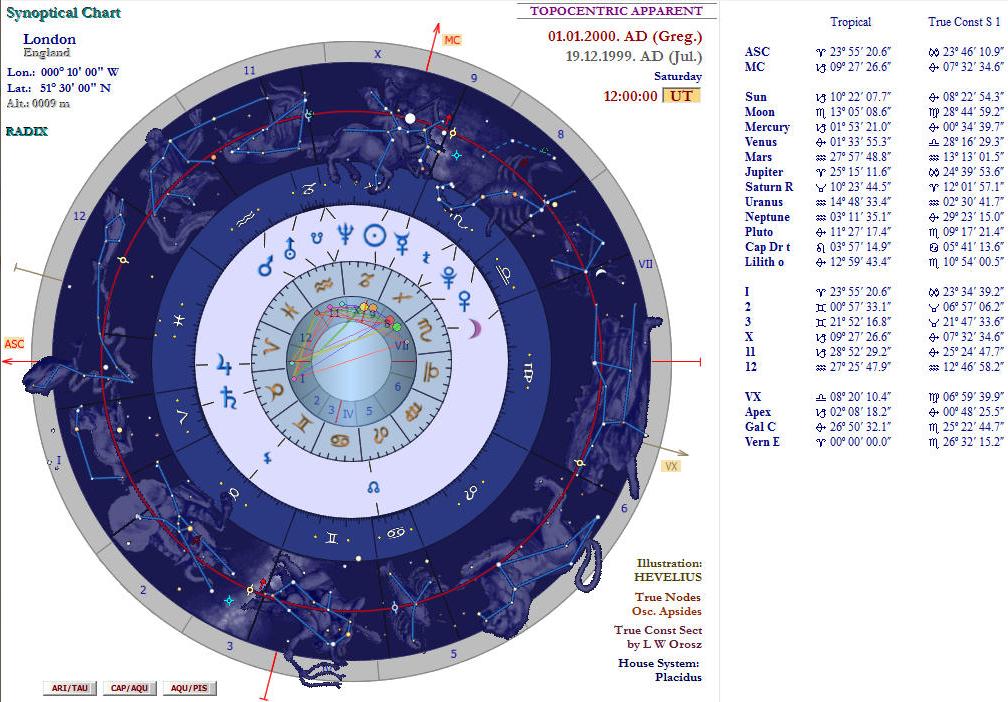 🇮🇳 IndiaSynoptical astrology
An astrological system that overlays tropical, sidereal and constellational zodiacsText · Seeing and foretelling · Speaking with spirits and the dead Historical
🇳🇴 Norway and 3 moreTheosophy in Scandinavia
A network of independent lodges studying esoteric philosophy across the Nordic countries.Tradition · Speaking with spirits and the dead · Change and initiation Living
 🇮🇱 Israel and 4 moreAngelמלאך
A supernatural messenger or intermediary spirit found in many religious traditions.Being · Speaking with spirits and the dead · Protection Living
🇮🇷 Iran and 2 moreYazata𐬫𐬀𐬰𐬀𐬙𐬀
A Zoroastrian term for divine beings worthy of worship and venerationBeing · Speaking with spirits and the dead · Power and authority Historical
🇺🇸 United StatesFive-Percent Nation
A New York movement teaching that Black people are the original gods and earth of civilizationTradition · Power and authority · Speaking with spirits and the dead Living
 🇯🇵 Japan and 4 moreHousehold deity
A spirit or minor god believed to guard a home and its family members.Being · Protection · Speaking with spirits and the dead Historical
 🇪🇬 EgyptAeonαἰών
Emanations of the divine source in Gnostic cosmologyBeing · Speaking with spirits and the dead Historical
 🇺🇸 United StatesAshtar
A channeled extraterrestrial figure central to mid-century American ufology and New Age spiritualityBeing · Speaking with spirits and the dead · Seeing and foretelling Living
🇫🇮 Finland and 2 moreHaltija
A supernatural guardian of a specific place or animal species in Finnish and Baltic Finnic mythologyBeing · Protection · Speaking with spirits and the dead Historical
🇪🇬 Egypt and 1 moreAiwass
A voice that dictated a foundational occult text to Aleister Crowley in 1904Being · Speaking with spirits and the dead Historical
🇮🇱 IsraelShekhinahשְׁכִינָה
The divine presence of God dwelling among people in Jewish and Islamic thoughtBelief · Speaking with spirits and the dead · Power and authority Living
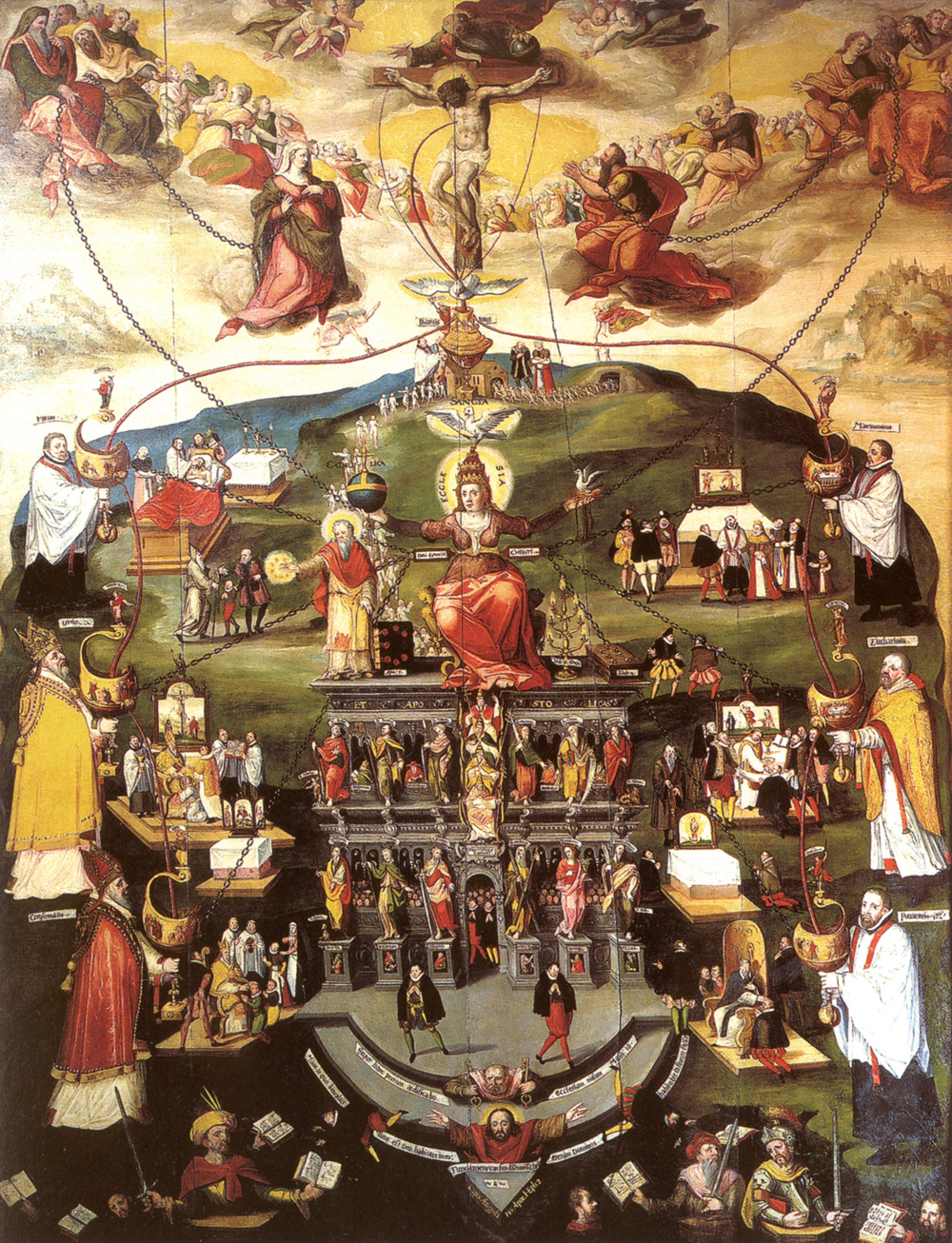 🇬🇷 GreeceSacred mysteriesμυστήριον
Secret ceremonies and divine doctrines held to exceed human reasonBelief · Speaking with spirits and the dead · Change and initiation Living
 🇮🇷 Iran and 5 moreKhidrالخضر
A Qur'anic guide and saint believed to hold hidden wisdom and aid those in need.Being · Seeing and foretelling · Power and authority Living
 🇬🇧 United Kingdom and 4 moreSpiritualism
A metaphysical belief that spirits communicate with the living through mediums.Belief · Speaking with spirits and the dead Living
 🇮🇱 IsraelSeder hishtalshelusסדר השתלשלות
A Kabbalistic cosmology mapping the descent of divine light through spiritual realms to the physical world.Belief · Power and authority · Wonder and entertainment Living
 🇯🇵 Japan and 4 moreKṣitigarbhaक्षितिगर्भ
A bodhisattva vowed to empty the hells and guard children, shown with a staff and jewel.Being · Protection · Speaking with spirits and the dead Living
 🇺🇸 United States and 2 moreElectronic voice phenomenon
Sounds on recordings interpreted as spirit voices by enthusiasts and dismissed as noise by scientistsBelief · Speaking with spirits and the dead Living
🇮🇷 IranPersian mysticism
A spiritual tradition in Iran blending ancient beliefs with Sufi practice and poetic thought.Tradition · Speaking with spirits and the dead · Change and initiation Living
🇳🇬 Nigeria and 1 moreIbo lwa
A nation of Vodou spirits carried from Igbo religion to Haiti, honoured as fightersBeing · Luck and prosperity · Cleansing and purification Living
 🇫🇷 France and 4 moreEctoplasm
A substance said to be excreted by mediums during séances, later exposed as common household materials.Substance · Speaking with spirits and the dead Historical
🇮🇳 IndiaA Treatise on White Magic
An esoteric textbook by Alice Bailey outlining fifteen rules for spiritual service and initiation.Text · Speaking with spirits and the dead · Change and initiation Historical
 🇬🇷 GreeceDaimonδαίμων
A Greek spirit or divine force that mediates between gods and humansBeing · Protection · Speaking with spirits and the dead Historical
🇾🇪 Yemen and 1 moreSimthud Durarسمط الدّرر
A poem praising the Prophet Muhammad, recited in ritual gatherings across the Indian Ocean.Text · Speaking with spirits and the dead Living
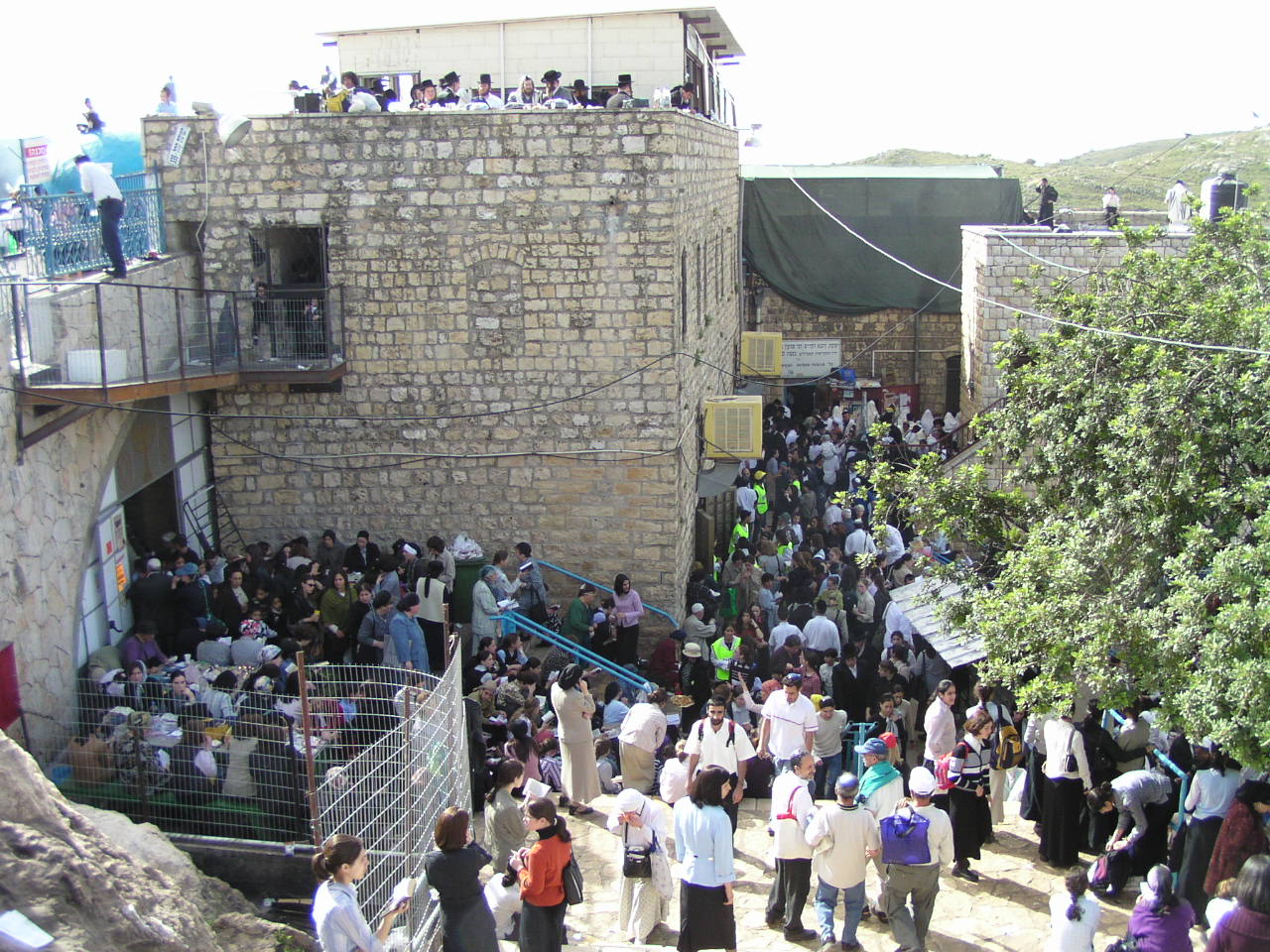 🇮🇱 Israel and 1 moreYom Hillulaיום הילולא
A joyous death anniversary for a saint in Jewish traditionRite · Speaking with spirits and the dead Living
 🇮🇳 India and 1 moreAstral body
A subtle vehicle of emotion and dream said to travel beyond the physical formBelief · Speaking with spirits and the dead · Change and initiation Historical
 🇩🇿 Algeria and 5 moreZawiyaزاوية
A Sufi building and institution for worship, education, and community life in the Islamic world.Tradition · Speaking with spirits and the dead · Healing Living
 🇪🇬 EgyptMagical alphabet
Letter systems used in occult rituals and talismanic magicText · Protection · Power and authority Living
🇮🇳 IndiaWater (classical element)
A classical substance linked to emotion and intuition in Greek, Indian, and Western esoteric traditions.Substance · Speaking with spirits and the dead · Power and authority Historical
Photo credits on this page
The small pictures above come from Wikimedia Commons under free licences. Some are cropped to fit.
- Sacred mysteries: Johannes Hopffe, Public domain, source
- Spiritualism: Internet Archive Book Images, No restrictions, source
- Kṣitigarbha: སངས་རྒྱས་བཅོམ་ལྡན་འདས།, Public domain, source
- Ashtar: Evedawn99, Public domain, source
- Electronic voice phenomenon: Omegatron, CC BY-SA 3.0, source
- Daimon: François-André Vincent, Public domain, source
- Vietnamese numismatic charms: Jean-Michel Moullec, CC BY 2.0, source
- Zawiya: Schneders, CC BY-SA 4.0, source
- Mediumship: Harvey Metcalfe, Public domain, source
- Demon: Martin Schongauer, Public domain, source
- Personifications of death: No machine-readable author provided. Kirtap assumed (based on copyrigh, CC BY 2.5, source
- Household deity: Claus Ableiter, CC BY-SA 3.0, source
- Anthroposophy: Wladyslaw, CC BY-SA 3.0, source
- Synoptical astrology: Constellarius, CC BY-SA 3.0, source
- Spirit: Jastrow, Public domain, source
- Angel: Unknown author, CC0, source
- Archeosofica: Unknown author, Public domain, source
- Magical alphabet: Francis Barrett, Public domain, source
- Polynesian mythology: Makemake at de.wikipedia, CC BY-SA 3.0, source
- Neidan: A16898, CC BY-SA 4.0, source
- Daniel Dunglas Home: Nadar, Public domain, source
- Aeon: Jacques Matter, Public domain, source
- Lal Shahbaz Qalandar: Fassifarooq, CC BY-SA 4.0, source
- Totem: Jami430, CC BY-SA 4.0, source
- Yantra: Photo by Daniel Conrad (Chromacon), artwork by Daniel Conrad under dir, Public domain, source
- Khidr: Unknown author, Public domain, source
- Seder hishtalshelus: Daderot, Public domain, source
- Yom Hillula: Jonathan Stein, Public domain, source
- Astral body: Rad el Baluvar, CC BY-SA 3.0, source
- Fuji: Unknown author, CC BY 4.0, source
- Kundalini: Pierjasi at Dutch Wikipedia, CC BY-SA 3.0, source
- Anubis: Hunefer, Public domain, source
- Kalachakra: Nabin K. Sapkota, CC BY-SA 4.0, source
- Padmasambhava: John Hill, CC BY-SA 3.0, source