Persian mysticism
A spiritual tradition in Iran blending ancient beliefs with Sufi practice and poetic thought.
Persian mysticism is a system of spiritual understanding from Iran that focuses on revelation and emotional insight. It draws from early Iranian religions but today aligns closely with Sufism within the country.
- Rooted in ancient Iranian religion and Zoroastrianism
- Synonymous with Sufism in contemporary Iran
- Significant impact on Iranian modern art
What it is
This spiritual path offers a way to understand life and reality through deep feeling and direct revelation. It relies on heart-centered reasoning rather than strict logic alone. The practice connects people to deeper truths about existence. It serves as a bridge between ancient cultural roots and modern spiritual expression.
Where it comes from
The tradition has roots in ancient Iranian religion and Zoroastrianism. Over time it evolved into what is now known as Sufism in Iran. Early thinkers shaped its core ideas. Later poets expanded these concepts through verse. The shift toward Sufism marks its current identity.
How it is done
Practitioners engage in reflective thought and emotional introspection. They study poetry to find spiritual meaning. Love and pleasure are seen as pathways to truth. Epic themes also offer guidance for power-based understanding. Scholars analyze these texts to uncover hidden layers.
Tools and materials
Poetry serves as the primary tool for exploration. Writers like Rumi and Hafiz provide key insights. Their verses act as maps for the soul. These creative forms help convey complex spiritual states.
Persian mysticism, drawn and placed
- Living
- Revived
- Fading
- Historical
- Legendary
- Performed
- Lineage
- Sufism in contemporary Iran
What it is for
The goal is to gain a clearer view of reality. Seekers aim to connect with divine love and joy. They seek transformation through inner work. The tradition helps individuals navigate life’s challenges. It offers comfort and direction through artistic expression.
Who does it
Scholars play a major role in interpreting these ideas. Thinkers like Zarrinkoub and Soroush analyze the texts. Poets serve as guides through their writing. Modern artists continue to draw inspiration from this heritage. The community includes both traditionalists and contemporary creators.
Peoples and places
The tradition is central to Iranian culture. It influences how people view spirituality and art. Different groups may emphasize different aspects. Some focus on love, others on power or pleasure. The shared language of poetry unites these variations.
At a glance: who, where and when
Who does it
Peoples
Belief worlds
What people believe
Reality is understood through emotional and revelatory lenses. The heart is seen as a source of knowledge. Love and joy are sacred forces. Ancient beliefs inform modern interpretations. The connection between past and present remains strong.
How scholars and sceptics see it
Academics critically examine the philosophical underpinnings. Studies highlight the influence of classical poets. Modern thinkers build upon these foundations to address contemporary issues.
Compare and confuse
However, its Persian poetic roots give it a unique flavor. It differs from purely theological approaches by emphasizing emotion. Other cultures have similar love-based spiritual paths.
Today
The tradition continues to influence Iranian modern art. Poets and musicians keep these ideas alive. New generations reinterpret classic texts.
Questions people ask about Persian mysticism
What is Persian mysticism?
It is a spiritual tradition from Iran focused on revelation and emotional insight. It blends ancient beliefs with Sufi practice and poetic thought.
Where does it come from?
It originates from ancient Iranian religion and Zoroastrianism. It evolved over time to align closely with Sufism in modern Iran.
Where does Persian mysticism come from?
As our sources describe it, Persian mysticism belongs to Iran. Communities differ in what they call it and how they keep it.
What kind of thing is Persian mysticism?
As our sources describe it, Persian mysticism belongs with the tradition entries in a guide to magic. What it is believed to do depends on who is speaking, and scholars read it differently from those who practise it.
Is Persian mysticism still practised?
Our sources place Persian mysticism among the entries that are living. Practised today by communities who hold it as their own.
Good reading and sources
The facts on this page come from the Wikipedia article "Persian mysticism", written by its contributors and used under the CC BY-SA 4.0 licence, and from its Wikidata record (CC0). EveryJaadu rewrote the text in its own words, with AI assistance, and compares every page with the article to make sure no passage is copied. It may be reused under the same CC BY-SA 4.0 licence with a link back.
It may contain mistakes. Names and customs differ from one community to the next, and some knowledge is closed to outsiders and left out here. This page describes belief and practice. It does not say that any of it works, it is not a how-to, and it is not medical advice. If something is wrong, tell us. Last refreshed 2026-10-08.
More from Iran
All the entries from Iran 🇮🇷 Iran and 7 moreNowruzنوروز
A spring equinox festival marking the new year across Persianate culturesTradition · Luck and prosperity · Cleansing and purification Living
🇮🇷 Iran and 7 moreNowruzنوروز
A spring equinox festival marking the new year across Persianate culturesTradition · Luck and prosperity · Cleansing and purification Living
 🇮🇷 Iran and 5 moreMagi
Priests of Zoroastrianism and the figures who inspired the word for magicTradition · Seeing and foretelling · Power and authority Living
🇮🇷 Iran and 5 moreMagi
Priests of Zoroastrianism and the figures who inspired the word for magicTradition · Seeing and foretelling · Power and authority Living
 🇮🇷 Iran and 4 moreChaharshanbe Suriچهارشنبهسوری
An Iranian fire festival marking the transition from winter to springTradition · Luck and prosperity · Speaking with spirits and the dead Living
🇮🇷 Iran and 4 moreChaharshanbe Suriچهارشنبهسوری
An Iranian fire festival marking the transition from winter to springTradition · Luck and prosperity · Speaking with spirits and the dead Living
 🇪🇬 Egypt and 5 moreSacred dance
Movement used in worship to honour deities, heal communities, or connect with the spirit world.Tradition · Protection · Healing Living
🇪🇬 Egypt and 5 moreSacred dance
Movement used in worship to honour deities, heal communities, or connect with the spirit world.Tradition · Protection · Healing Living
Related elsewhere
All tradition 🇮🇳 IndiaChakraचक्र
Meditation points in the subtle body used in Hindu and Buddhist yogaTradition · Speaking with spirits and the dead · Change and initiation Living
🇮🇳 IndiaChakraचक्र
Meditation points in the subtle body used in Hindu and Buddhist yogaTradition · Speaking with spirits and the dead · Change and initiation Living
 🇳🇬 NigeriaOrunmilaỌ̀rúnmìlà
Yoruba deity of wisdom and the creator of the Ifá divination systemBeing · Seeing and foretelling · Speaking with spirits and the dead Living
🇳🇬 NigeriaOrunmilaỌ̀rúnmìlà
Yoruba deity of wisdom and the creator of the Ifá divination systemBeing · Seeing and foretelling · Speaking with spirits and the dead Living
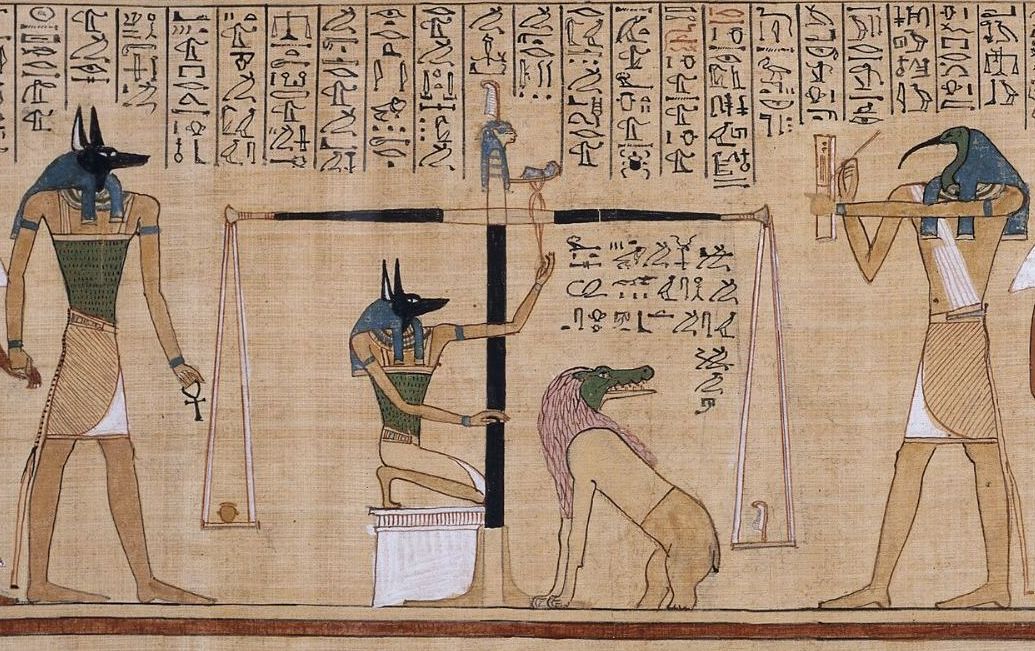 🇪🇬 EgyptAncient Egyptian afterlife beliefs
A system of rituals and texts guiding the soul through the underworld to eternal rebirthTradition · Protection · Speaking with spirits and the dead Historical
🇪🇬 EgyptAncient Egyptian afterlife beliefs
A system of rituals and texts guiding the soul through the underworld to eternal rebirthTradition · Protection · Speaking with spirits and the dead Historical
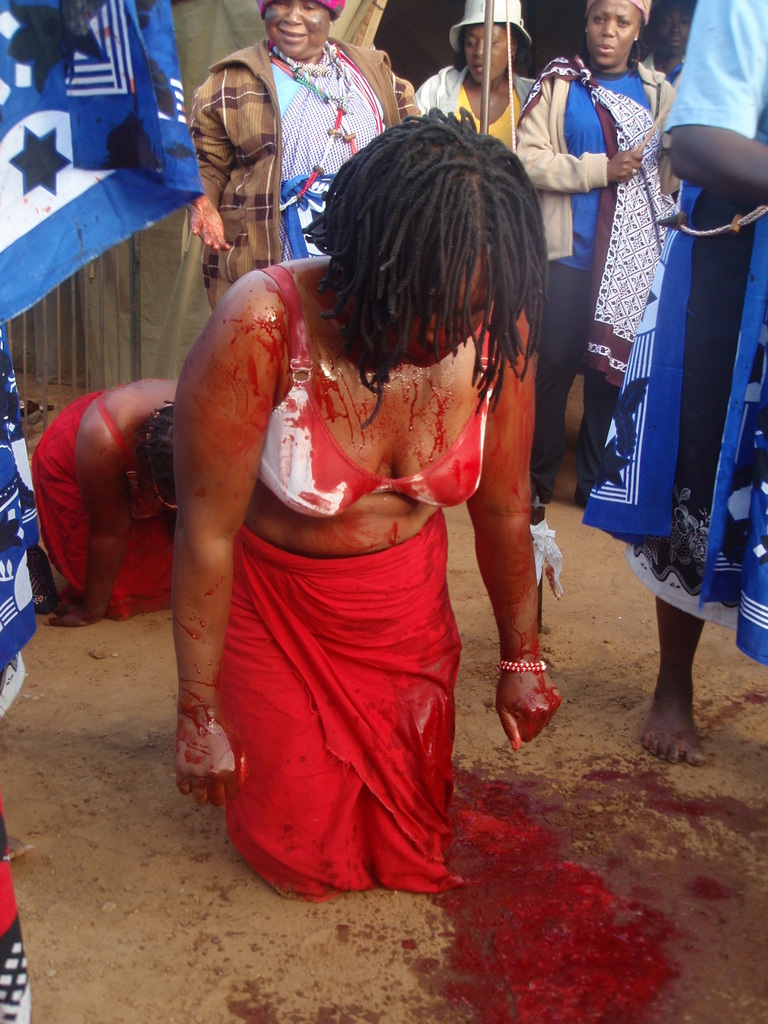 🇿🇦 South AfricaUkuthwasa
A spiritual calling and initiation process for traditional healers in Southern Africa.Rite · Healing · Speaking with spirits and the dead Living
🇿🇦 South AfricaUkuthwasa
A spiritual calling and initiation process for traditional healers in Southern Africa.Rite · Healing · Speaking with spirits and the dead Living