
Kalachakra
In its own language: དུས་ཀྱི་འཁོར་ལོ།
From Sanskrit for 'wheel of time' or 'time cycles'
A Tibetan Buddhist tantric deity and system of yogic time cycles
Kalachakra, meaning the wheel of time, is a Vajrayana Buddhist tantric lineage and deity originating in India and preserved in Tibet. Practitioners use initiations, subtle-body yoga, and cosmology to transform physical form and consciousness into enlightened Buddhahood.
- The name Kalachakra translates from Sanskrit as the wheel of time.
- Its system links cosmic movements directly with the subtle energies of the human body.
- Traditional accounts state Gautama Buddha revealed the root tantra in Dharanikota, India.
- Scholars date the core Sanskrit texts to between 1025 and 1040 CE.
What it is
Kalachakra translates as the wheel of time. It denotes an advanced esoteric system within Vajrayana Buddhism, classified under the highest class of tantra known as anuttara-yoga. The term refers simultaneously to a patron meditation deity, a collection of sacred treatises, and an extensive philosophical lineage. Central to the teaching is the idea of correspondence between external cosmic cycles and internal bodily functions. By aligning cosmology, anatomy, and mental discipline, the path seeks to convert ordinary human existence into an enlightened state. It integrates Mahayana philosophy regarding emptiness with elements adapted from various early Indian traditions.
Where it comes from
Buddhist tradition relates that Gautama Buddha delivered the foundational Kalachakra teachings at Dharanikota stupa in southern India, manifesting as the deity while simultaneously teaching sutras in Bihar. The teachings were reportedly entrusted to King Suchandra and preserved across generations in the legendary realm of Shambhala. Historical scholars date the appearance of the core Sanskrit manuscripts to the first half of the eleventh century, from 1025 to 1040 CE, after which Indian masters brought the lineage back into broader circulation.
How it is done
The five-part textual system organizes practice into sequential stages. Instruction begins with formal initiations that qualify the seeker for deep contemplative work. Meditators focus on the mandala and its visualized deities during the creation phase, followed by perfection stage yogas that work directly with subtle anatomy. Practitioners engage with the body's internal channels, vital winds, and refined drops. In this system, states of physical joy are not rejected; instead, intense meditative bliss is harnessed without spilling vital fluids, using the stillness of non-conceptual awareness to realize supreme peace and awaken the innate mind.
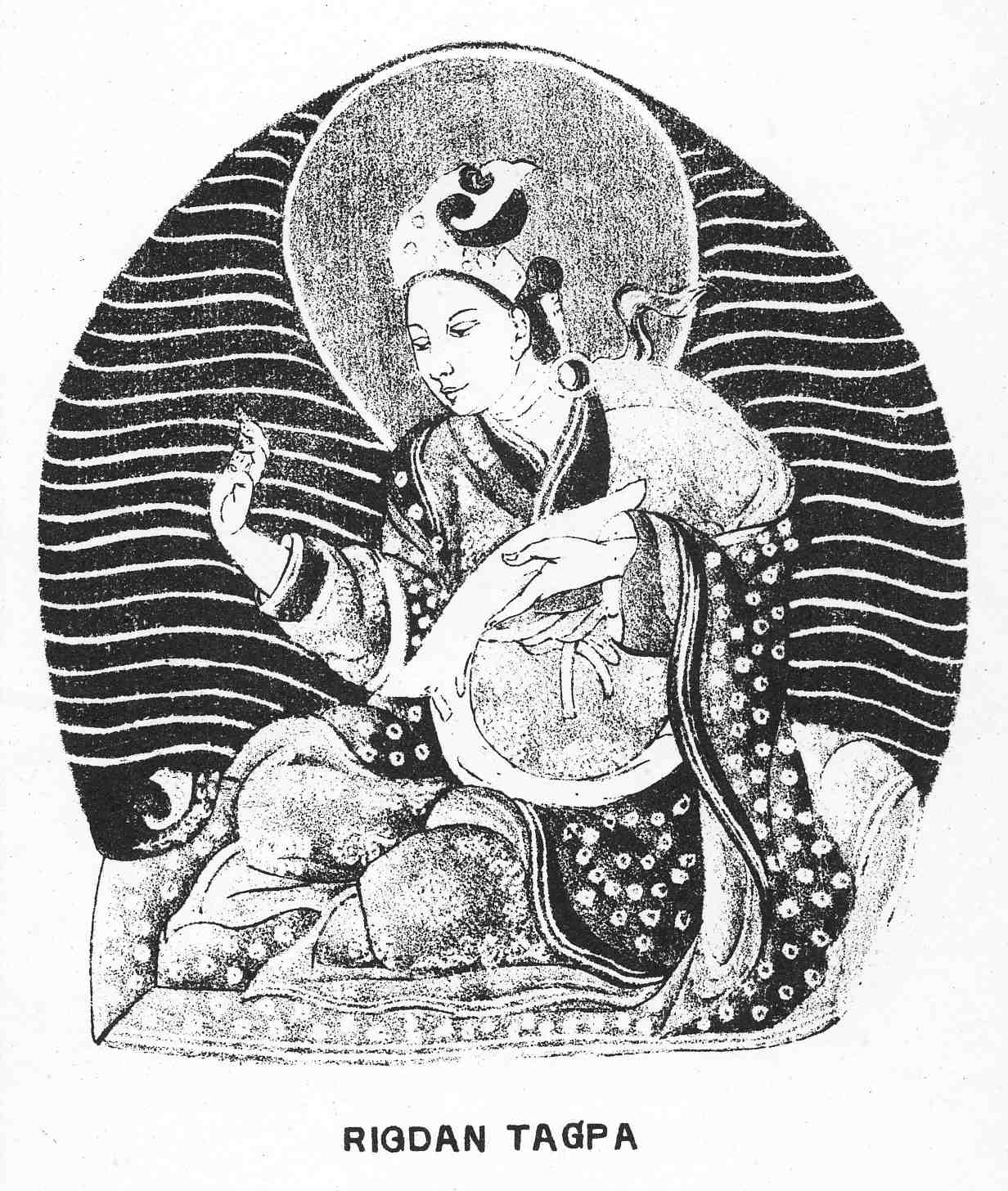
Kalachakra, drawn and placed
- Living
- Revived
- Fading
- Historical
- Legendary
- Performed
- Lineage
- Vajrayana Buddhist Anuttara-yoga Tantra
What it is for
The ultimate aim of the Kalachakra tradition is reaching full Buddhahood, conceived as the primordial Buddha. Practitioners seek to dissolve gross physical elements and subtle energies, reshaping the physical frame into a luminous, immaterial form endowed with the marks of awakening. Mentally, the practice targets the realization of animate emptiness, an unbroken state of unchanging bliss and inner peace. By understanding how the macrocosm of the universe corresponds to the microcosm of human physiology, practitioners endeavor to transcend conditioned existence and fulfill the highest spiritual potential.
Who does it
The lineage has been sustained through authorized transmission from teacher to pupil. Following its arrival in Tibet, masters categorized seventeen separate lines of descent, with two primary streams, the Ra and Dro lineages, remaining prominent. These traditions were maintained by influential Tibetan scholars such as Sakya Pandita, Buton Rinchen Drup, and Dolpopa Sherap Gyeltsen. Monastic adepts undertake extensive training in tantric ritual, visualization, and commentary before bestowing empowerments. In contemporary times, senior lamas confer Kalachakra initiations upon large gatherings of lay followers and monastics alike.
Peoples and places
While developed in ancient India, Kalachakra found its enduring home across Tibetan Buddhist culture. All major Tibetan orders incorporate its rituals, though it holds exceptional prominence within the Jonang and Gelug traditions. The Jonang school adopted Kalachakra as its core practice, using its principles to articulate their distinctive shentong doctrine. In earlier centuries, prominent teachers of the Sakya school also played a critical role in preserving and transcribing its fundamental texts. Today, the tradition is maintained by Tibetan monastic communities and practiced by Buddhist followers worldwide.
At a glance: who, where and when
Peoples
Belief worlds
Occasions


What people believe
Kalachakra philosophy is anchored in Madhyamaka non-dualism, which unites boundless compassion with the realization of emptiness. The tradition conceives emptiness not merely as the absence of inherent self-existence, but as an animate reality free from material particles. This dynamic emptiness acts as the direct cause of immutable bliss. The worldview posits three interconnected levels: the outer universe with its planetary movements and elemental shifts, the inner anatomy of human gestation and subtle energy channels, and the alternate spiritual path that harmonizes the two to attain supreme awakening.
How scholars and sceptics see it
Textual historians have closely examined the development and preservation of Kalachakra manuscripts. Academic researchers establish that the primary Sanskrit texts, including the Sovereign Abridged Tantra and the Vimalaprabha commentary, took their definitive written form during the early eleventh century. Modern scholarship began publishing critical editions in the mid-twentieth century, beginning with printed versions in 1966 that incorporated Sanskrit and Mongolian copies found in libraries across Britain, Nepal, and India. Scholars analyze how the literature blends Buddhist tenets with surrounding classical Indian cosmologies, such as Samkhya and Puranic frameworks.
Today
Kalachakra remains a vibrant living tradition within Tibetan Buddhism. The Jonang order continues to preserve its distinct lineage across several monasteries in Qinghai, Sichuan, and Kham. Large-scale public initiations have also brought the tantra to global prominence, most notably through ceremonies conducted worldwide by the fourteenth Dalai Lama, Tenzin Gyatso. Academic translations of canonical collections, such as the Derge Kangyur blockprints, continue to be studied internationally, ensuring that both the ritual practices and their theoretical commentaries remain active topics of study and religious life.
Questions people ask about Kalachakra
What is Kalachakra?
Kalachakra is an advanced Vajrayana Buddhist tantric system, deity, and text. Translating as 'wheel of time', it teaches that external cosmic cycles correspond to the inner human body, providing yogic methods to transform both into enlightened Buddhahood.
Where does the Kalachakra tradition come from?
According to tradition, Gautama Buddha first taught the Kalachakra in India, after which it was kept in the mythic kingdom of Shambhala. Academic scholars date the surviving Sanskrit manuscripts to early eleventh-century India.
What are the five main subjects in the Kalachakra text?
The text covers outer cosmology, the inner workings and subtle channels of the human body, ritual initiations, deity and yoga meditation practices, and the ultimate attainment of enlightened gnosis.
Who practices Kalachakra today?
It is practiced across Tibetan Buddhism, particularly within the Jonang and Gelug traditions. Senior teachers, including the fourteenth Dalai Lama, regularly grant its initiations to large public assemblies.
Good reading and sources
- Kalachakra on WikipediaEncyclopedia
- More photos on Wikimedia CommonsPhotos and video
- Wikidata recordOpen data
The facts on this page come from the Wikipedia article "Kalachakra", written by its contributors and used under the CC BY-SA 4.0 licence, and from its Wikidata record (CC0). EveryJaadu rewrote the text in its own words, with AI assistance, and compares every page with the article to make sure no passage is copied. It may be reused under the same CC BY-SA 4.0 licence with a link back.
It may contain mistakes. Names and customs differ from one community to the next, and some knowledge is closed to outsiders and left out here. This page describes belief and practice. It does not say that any of it works, it is not a how-to, and it is not medical advice. If something is wrong, tell us. Last refreshed 2026-10-06.
More from India
All the entries from India 🇮🇳 IndiaChakraचक्र
Meditation points in the subtle body used in Hindu and Buddhist yogaTradition · Speaking with spirits and the dead · Change and initiation Living
🇮🇳 IndiaChakraचक्र
Meditation points in the subtle body used in Hindu and Buddhist yogaTradition · Speaking with spirits and the dead · Change and initiation Living
 🇮🇳 India and 5 moreKolamகோலம்
A daily geometric floor drawing made with rice flour at the home entrance in South IndiaTradition · Protection · Luck and prosperity Living
🇮🇳 India and 5 moreKolamகோலம்
A daily geometric floor drawing made with rice flour at the home entrance in South IndiaTradition · Protection · Luck and prosperity Living
 🇮🇳 India and 2 moreHomaहोम
A fire ritual found across Asian religions where offerings are burned as a votive exchange with the divine.Rite · Protection · Speaking with spirits and the dead Living
🇮🇳 India and 2 moreHomaहोम
A fire ritual found across Asian religions where offerings are burned as a votive exchange with the divine.Rite · Protection · Speaking with spirits and the dead Living
 🇮🇳 India and 5 moreHoliहोली
A Hindu spring festival marked by coloured powders and bonfires to celebrate love and virtue.Tradition · Love and attraction · Cursing and harm Living
🇮🇳 India and 5 moreHoliहोली
A Hindu spring festival marked by coloured powders and bonfires to celebrate love and virtue.Tradition · Love and attraction · Cursing and harm Living
Related elsewhere
All tradition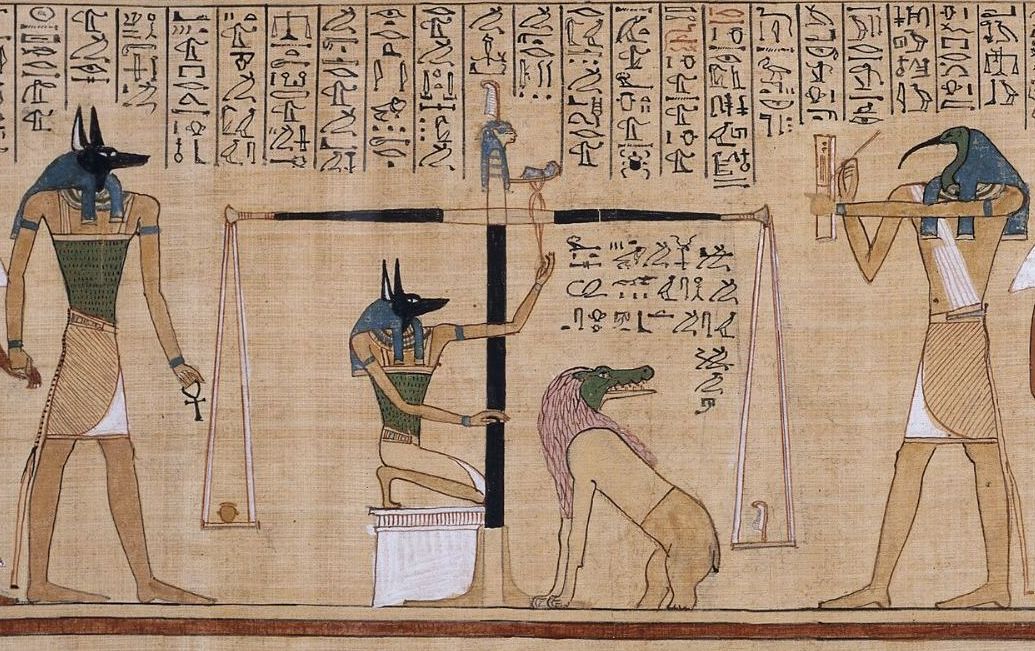 🇪🇬 EgyptAncient Egyptian afterlife beliefs
A system of rituals and texts guiding the soul through the underworld to eternal rebirthTradition · Protection · Speaking with spirits and the dead Historical
🇪🇬 EgyptAncient Egyptian afterlife beliefs
A system of rituals and texts guiding the soul through the underworld to eternal rebirthTradition · Protection · Speaking with spirits and the dead Historical
 🇳🇬 NigeriaOrunmilaỌ̀rúnmìlà
Yoruba deity of wisdom and the creator of the Ifá divination systemBeing · Seeing and foretelling · Speaking with spirits and the dead Living
🇳🇬 NigeriaOrunmilaỌ̀rúnmìlà
Yoruba deity of wisdom and the creator of the Ifá divination systemBeing · Seeing and foretelling · Speaking with spirits and the dead Living
 🇮🇱 Israel and 4 moreIsaac Luriaיִצְחָק בן שלמה אשכנזי לוּרְיָא
A sixteenth-century rabbi who founded modern Kabbalah through oral teachings in Safed.Text · Speaking with spirits and the dead · Change and initiation Living
🇮🇱 Israel and 4 moreIsaac Luriaיִצְחָק בן שלמה אשכנזי לוּרְיָא
A sixteenth-century rabbi who founded modern Kabbalah through oral teachings in Safed.Text · Speaking with spirits and the dead · Change and initiation Living
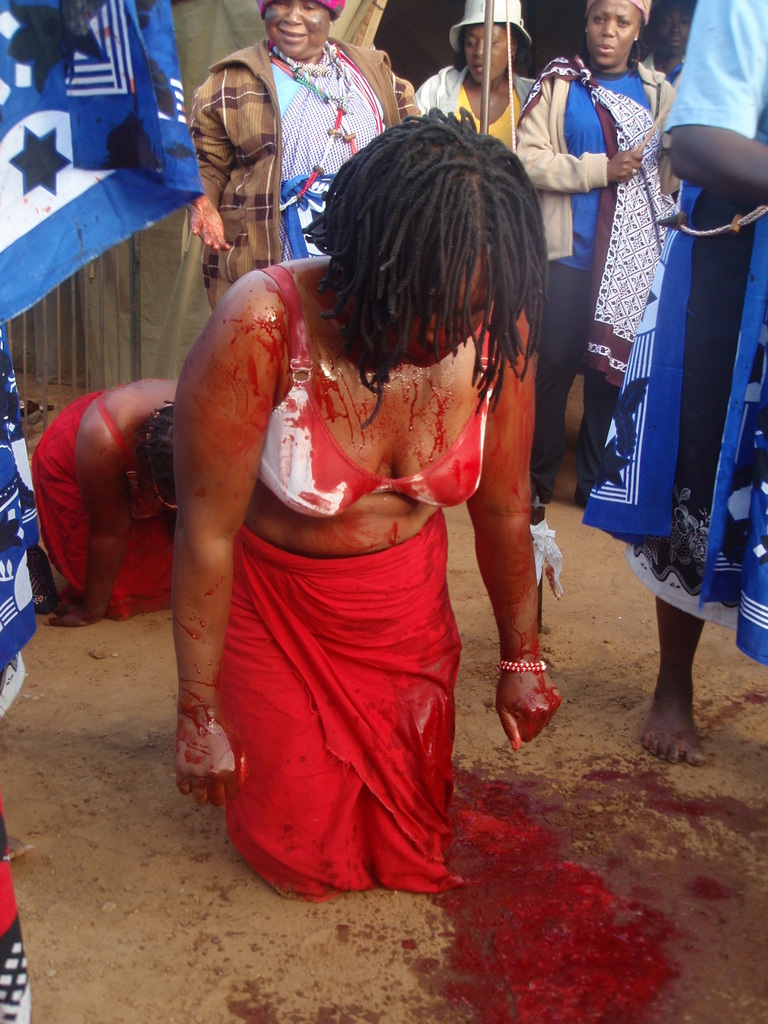 🇿🇦 South AfricaUkuthwasa
A spiritual calling and initiation process for traditional healers in Southern Africa.Rite · Healing · Speaking with spirits and the dead Living
🇿🇦 South AfricaUkuthwasa
A spiritual calling and initiation process for traditional healers in Southern Africa.Rite · Healing · Speaking with spirits and the dead Living