Traditions and systems
Whole bodies of practice: Vodou, shamanism, hoodoo, Wicca, onmyodo, Ifa and the rest.
A tradition is a whole body of magical practice with its own teachers, vocabulary and rules, as distinct from a single charm or rite. Ifa in West Africa, Vodou in Haiti, Tibetan Buddhist ritual, Wicca in Britain and America, and Siberian shamanism are all traditions in this sense. Some are living religions, some are modern inventions, and some survive only in fragments. This page looks at how they differ and what each label hides. Each is described here in its own terms wherever the community has chosen to share them.
Who holds them
A tradition has keepers. In Ifa, a babalawo trains for years and memorises the verses of Odu. In Haitian Vodou, a houngan or mambo is initiated within a house and a lineage. Wicca, by contrast, grew from the writings of Gerald Gardner in the 1950s and spreads by books and covens. Access varies: some traditions are open, some require initiation, and some are closed to outsiders by the community's own rule.
Names that mislead
Outsiders have often given traditions names their keepers did not choose. Colonial officials and missionaries called African and Indigenous religions fetishism, witchcraft or devil worship. The word voodoo, borrowed from the Haitian religion, became a stock horror image, while practitioners say Vodou. Many people also reject the word magic for what they see as plain religion, worship of ancestors or medicine of the land. Some are written down in long poems or scriptures, while others are carried only in memory, song and apprenticeship, which affects how outsiders can study them.
How states treat them
Treatment ranges from protection to prohibition. Haiti recognised Vodou as a religion in 2003. Britain repealed its Witchcraft Act only in 1951. Several African and Pacific states still prosecute witchcraft accusations, and Saudi Arabia has executed people for sorcery. Many traditions were absorbed rather than banned: Santeria wore the faces of Catholic saints, and Taoist ritual was licensed by Chinese emperors. Recognition on paper does not end prejudice: a faith can be legal under a constitution and still be mocked, taxed or policed at local level.
Scholars and sceptics
Anthropologists such as Evans-Pritchard, who studied the Azande in the 1930s, described magic as a coherent system of explanation, not stupidity. Historians stress that boundaries between religion, magic and science were drawn by particular people for particular reasons. Sceptics point out that tests of efficacy have found no effect beyond expectation. Many tradition-bearers answer that the question misses what the practice is for. Folklorists add that traditions are always changing, with no pure original to return to, and that revival is itself a form of change.
Tradition on EveryJaadu
The entries written up so far, best known first.
 🇮🇷 Iran and 3 moreIranian folkloreفولکلور ایرانی
The oral legends, heroes, and spirits of Greater IranTradition · Protection · Seeing and foretelling Living
 🇲🇽 Mexico and 3 moreCurandero
A folk healer in Latin America and the United States who blends indigenous and Catholic traditions.Tradition · Healing · Protection Living
 🇷🇴 Romania and 5 moreVampire folklore
Global legends of blood-drinking spirits and undead revenantsBelief · Cursing and harm · Protection Historical
 🇬🇧 United Kingdom and 5 moreDruidry
A modern nature religion inspired by ancient Celtic priests and Romantic idealsTradition · Protection · Speaking with spirits and the dead Living
 🇪🇬 Egypt and 1 moreAncient Egyptian religion
Polytheistic worship, divine kingship, and funerary rites along the NileTradition · Protection · Speaking with spirits and the dead Historical
 🇮🇪 Ireland and 4 moreWinter solstice
The shortest day and longest night of the year, marked by rites of solar returnTradition · Seeing and foretelling · Protection Living
 🇿🇦 South Africa and 4 moreWitch doctor
A traditional healer who identifies supernatural causes of illness and performs rituals to restore balance.Tradition · Healing · Protection Living
 🇬🇧 United Kingdom and 4 moreCorn dolly
A straw figure made from the last sheaf of a harvest to house the crop spiritTradition · Protection · Luck and prosperity Revived
 🇳🇿 New Zealand and 5 moreFace tattoo
Marks inked on the face for spiritual protection, identity, rank, and rite of passageTradition · Protection · Power and authority Living
🇺🇸 United StatesBraucherei
A Pennsylvania German folk healing tradition using prayers and gestures to cure illness and remove curses.Tradition · Healing · Protection Fading
 🇸🇪 Sweden and 5 moreMidsummerJāņi; Joninės; Jaanipäev; Enyovden; Litha; Juhannus
A summer solstice festival marked by bonfires, maypole dancing, and feasting across Europe.Tradition · Protection · Luck and prosperity Living
 🇨🇿 Czech RepublicCzech folklore
The folk traditions of the Czech people, from seasonal rites to music and craft.Tradition · Protection · Luck and prosperity Living
 🇧🇬 Bulgaria and 5 moreKukeriкукери
A costumed ritual in Bulgaria to chase away evil spirits and welcome springRite · Protection · Cursing and harm Living
 🇨🇺 Cuba and 5 moreBrujería
A syncretic blend of Indigenous, African and Catholic folk magic across Latin America and the CaribbeanTradition · Healing · Protection Living
 🇷🇺 Russia and 5 moreSlavic religion
The pre-Christian beliefs of the Slavic peoples before their conversion to Christianity.Tradition · Protection · Healing Revived
 🇬🇧 United KingdomWassail
A hot spiced drink and the twelfth-night customs of singing to trees or visiting homes for giftsTradition · Luck and prosperity · Protection Living
 🇮🇪 Ireland and 1 moreBeltaneBealtaine
A Gaelic festival marking the start of summer with protective bonfires and livestock ritualsTradition · Protection · Luck and prosperity Revived
 🇬🇧 United Kingdom and 1 moreWell dressing
A rural English custom of decorating water sources with natural designsTradition · Protection · Speaking with spirits and the dead Living
 🇷🇺 Russia and 4 moreFolk Orthodoxyнародное православие
A blend of Eastern Orthodox doctrine and pre-Christian pagan beliefs in Slavic communitiesTradition · Protection · Luck and prosperity Living
 🇰🇷 South Korea and 1 moreDaeboreum대보름
A Korean lunar holiday marking the first full moon with nut-cracking and field firesTradition · Protection · Luck and prosperity Living
 🇧🇷 Brazil and 5 moreSanto Daime
A Brazilian syncretic religion using ayahuasca for spiritual work and healingTradition · Healing · Speaking with spirits and the dead Living
 🇸🇳 Senegal and 5 morePentagramπεντάγραμμον
A five-pointed star figure used across history for protection, ritual, and cosmologyCharm · Protection · Binding and oaths Living
 🇺🇸 United StatesHex sign
Pennsylvania Dutch barn symbols that range from folk art to talismansCharm · Protection · Wonder and entertainment Living
 🇬🇧 United Kingdom and 4 moreCunning folk
European practitioners of folk medicine and helpful magic from the Middle Ages to the twentieth centuryTradition · Protection · Healing Historical
 🇮🇪 Ireland and 4 moreCairncarn
A human-made pile of stones used as a marker, memorial, or ritual object across many cultures.Tradition · Protection · Speaking with spirits and the dead Living
 🇿🇦 South AfricaSympathetic magic
A magical principle based on imitation or contact between objectsTradition · Protection · Healing Historical
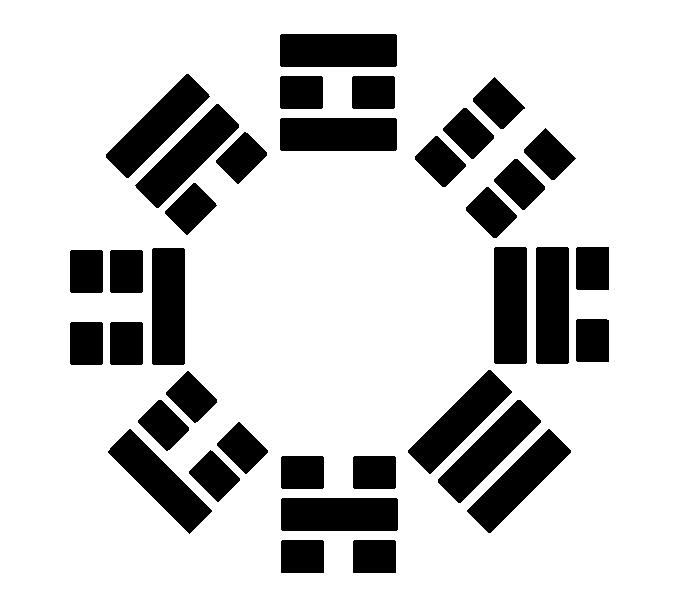 🇨🇳 China and 1 moreBagua八卦
A set of eight trigram symbols from China used in divination, philosophy, and feng shui.Tradition · Seeing and foretelling · Protection Living
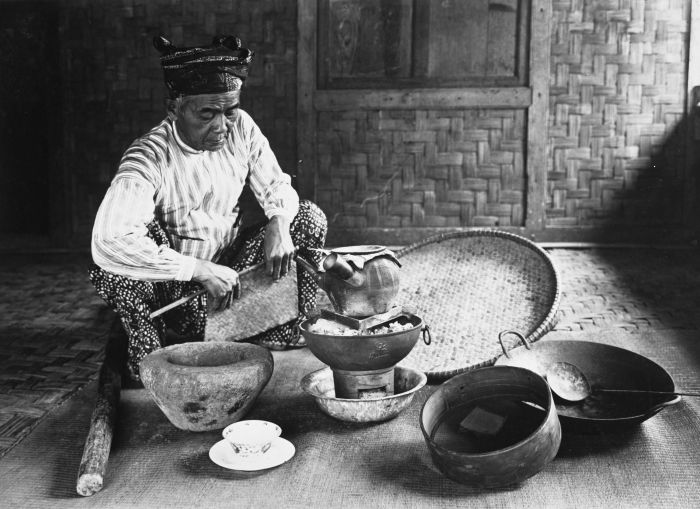 🇮🇩 Indonesia and 2 moreDukun
A traditional healer and spirit medium in Indonesian folk practiceTradition · Healing · Seeing and foretelling Living
 🇲🇽 Mexico and 5 moreSanta MuerteNuestra Señora de la Santa Muerte
A female skeletal folk saint in Mexico and the Americas, worshipped for protection, healing, and safe passage.Tradition · Protection · Healing Living
 🇫🇷 France and 5 moreYule log
A large wooden log burned in the hearth during winter festivals across Europe and North America.Tradition · Protection · Luck and prosperity Living
 🇨🇭 SwitzerlandMagic circle
A ritual boundary drawn or visualised to create sacred space and protectionTradition · Protection · Speaking with spirits and the dead Living
 🇨🇳 China and 1 moreAncestor veneration in China
Rites for dead kin who are thought to watch over the familyTradition · Protection · Speaking with spirits and the dead Living
🇲🇾 Malaysia and 1 moreBomohبوموه
A Malay traditional healer and spirit worker found in Malaysia and Indonesia.Tradition · Healing · Protection Living
 🇨🇱 Chile and 1 moreMachi
Mapuche spiritual authorities and healers who bridge herbal knowledge and spirit realmsTradition · Healing · Speaking with spirits and the dead Living
🇺🇸 United StatesFolk healer
An unlicensed practitioner using traditional remedies and herbal knowledge to treat illness.Tradition · Healing · Protection Historical
 🇲🇽 Mexico and 2 moreAlebrije
Brightly painted Mexican sculptures of fantastical creatures, made from paper or woodTradition · Protection · Wonder and entertainment Living
 🇹🇷 Turkey and 1 moreTurkish folkloreTürk halk kültürü
A rich body of oral tales, jokes, and rituals from Turkey and the Turkic worldTradition · Protection · Healing Living
 🇫🇷 France and 5 moreKardecist SpiritismSpiritisme
A French spiritualist doctrine based on communication with spirits and reincarnation.Tradition · Speaking with spirits and the dead · Protection Living
 🇮🇳 India and 5 moreSnake worship
Veneration of serpents as divine or ancestral beings across global culturesTradition · Protection · Healing Living
 🇮🇪 Ireland and 4 moreMay Day
A European spring festival marking the start of summer with flowers, poles and fire.Tradition · Protection · Luck and prosperity Living
🇬🇧 United Kingdom and 1 moreScottish folkloreBeul-aithris na h-Alba
The myths, creatures and beliefs of the Scottish people, recorded from ancient times to the present.Tradition · Seeing and foretelling · Protection Living
 🇲🇽 Mexico and 5 moreFolk Catholicism
Local religious customs that blend official Church teaching with indigenous or regional traditions.Tradition · Protection · Healing Living
 🇨🇳 China and 5 moreQingming Festival清明节
A spring day for sweeping graves, feeding the dead and honouring ancestorsTradition · Speaking with spirits and the dead · Protection Living
🇵🇪 PeruVegetalismo
A Peruvian Amazon healing tradition rooted in plant spirits and ayahuasca ceremoniesTradition · Healing · Protection Living
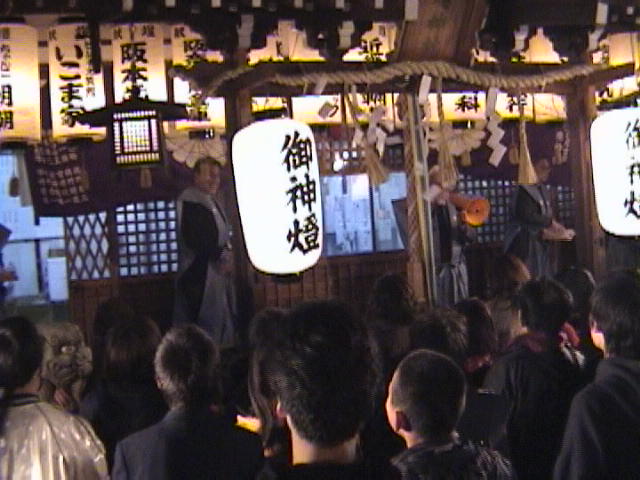 🇯🇵 Japan and 1 moreSetsubun節分
A Japanese seasonal rite to purge evil spirits and welcome spring with roasted soybeansRite · Protection · Luck and prosperity Living
 🇮🇳 IndiaBhuta KolaBhūta Kōla
A Tulu spirit dance in which a performer is believed to host a deityTradition · Speaking with spirits and the dead · Protection Living
 🇬🇹 GuatemalaMaximónRi Laj Mam
A Maya folk saint and trickster deity venerated in the Guatemalan HighlandsBeing · Protection · Healing Living
 🇨🇳 China and 1 moreDongyue Dadi東嶽大帝
The Chinese mountain god of Mount Tai who rules lifespans and underworld recordsBeing · Speaking with spirits and the dead · Power and authority Living
Photo credits on this page
The small pictures above come from Wikimedia Commons under free licences. Some are cropped to fit.
- Curandero: calliopejen, CC BY-SA 2.0, source
- Rada lwa: Calvin Hennick, for WBUR Boston, CC BY 3.0, source
- Vampire folklore: Dick Thomas Johnson, CC BY 2.0, source
- Druidry: TheJaySpearing, CC BY-SA 4.0, source
- Ancient Egyptian religion: Moh hakem, CC BY-SA 4.0, source
- Winter solstice: Image by Przemyslaw " Blueshade " Idzkiewicz, CC BY-SA 2.0, source
- Witch doctor: Lucjan Wędrychowski, Public domain, source
- Corn dolly: Renata ( talk ), Public domain, source
- Snake worship: Alexandermcnabb, CC BY-SA 4.0, source
- May Day: Bryan Ledgard, CC BY 2.0, source
- Qingming Festival: Jacklee ., CC BY-SA 3.0, source
- Setsubun: Unknown author, CC BY-SA 3.0, source
- European witchcraft: Unknown author, CC BY 4.0, source
- Iranian folklore: Hossein Mirkamali, CC BY 4.0, source
- Bhuta Kola: Unknown author, Public domain, source
- Maximón: Sapfan (Jan Pesula), Public domain, source
- Dongyue Dadi: H2v5o68z, CC0, source
- Face tattoo: Gottfried Lindauer, Public domain, source
- Midsummer: Kora27, CC BY-SA 4.0, source
- Czech folklore: Biser Todorov, CC BY-SA 4.0, source
- Kukeri: Nenko Lazarov, CC BY 2.5, source
- Slavic religion: Alphonse Mucha, Public domain, source
- Wassail: Joss Smithson, CC BY-SA 2.0, source
- Beltane: Stefan Schäfer, Lich, CC BY-SA 3.0, source
- Well dressing: User:WhaleyTim, CC BY-SA 3.0, source
- Folk Orthodoxy: Лобачев Владимир, CC BY-SA 4.0, source
- Daeboreum: hojusaram, CC BY-SA 2.0, source
- Santo Daime: Tonelada, CC BY-SA 3.0, source
- Pentagram: Tomruen, Attribution, source
- Hex sign: Smallbones, CC0, source
- Cunning folk: Midnightblueowl at English Wikipedia, CC BY-SA 3.0, source
- Cairn: Andrew Bossi, CC BY-SA 2.5, source
- Sympathetic magic: Marie-Lan Nguyen, CC BY 2.5, source
- Bagua: TarcísioTS at Portuguese Wikipedia, Public domain, source
- Dukun: Unknown author, CC BY-SA 3.0, source
- Witch: John William Waterhouse, Public domain, source
- Santa Muerte: Not home, Public domain, source
- Yule log: Pehr Arvid Säve (1811—1887), Public domain, source
- Ancestor veneration in China: Three huntings, CC BY-SA 4.0, source
- Machi: Unknown author, Public domain, source
- Alebrije: Luisalvaz, CC BY-SA 4.0, source
- Turkish folklore: Biser Todorov, CC BY-SA 4.0, source
- Kardecist Spiritism: Coprosme, CC BY-SA 4.0, source