Books and texts
Grimoires, magical papyri, Kabbalistic and Hermetic works and the manuals of cunning folk.
Magical texts are the books, scrolls and papyri that record spells, rites and lore: the Greek Magical Papyri, the Hebrew Sefer Yetzirah and the Zohar, the Picatrix, the Key of Solomon, the Grimorium Verum, the Hindu Atharvaveda, the Egyptian Book of the Dead, the Chinese Taoist ritual manuals and the grimoires of the European cunning folk. This page asks what these texts are, who wrote and read them, and why their authority is complicated.
What the texts are
Some are scripture, such as the Atharvaveda, which contains charms and healing hymns beside its worship. Some are handbooks, like the Greek Magical Papyri from Roman Egypt, which mix Greek, Egyptian and Jewish elements. Some are medieval compendia, such as the Arabic Picatrix. Many European grimoires were printed cheaply and passed hand to hand, and names such as Solomon were attached to give them credit. Some are tiny, such as a few lines on a papyrus strip folded into a case, and some run to hundreds of pages, but all were handled by a small number of people.
Readers and gatekeepers
Literacy mattered. A text of magic could only be used by someone who could read, copy and, often, read Latin, Hebrew or Arabic. That made the learned magician a figure of the elite and left village healers with oral knowledge. In Ethiopia, the debtera, a church-trained scribe, writes protective scrolls. In Java and Malaysia, Quranic and Sanskrit-derived texts are kept by family teachers. Where a text was in a sacred language, the ritual use sometimes outran the meaning, and people recited words they could not translate because the sound itself was held to matter.
Censorship and burning
Texts have been burned. The Church placed books of magic on its Index, Chinese dynasties restricted books of divination, and Qing and later authorities attacked books they saw as superstition. The Nazi regime closed occult lodges and seized their libraries. What we now know of some practices survives because inquisitors, in transcribing confiscated books, kept copies. Preservation depends on accident as well as intention: papyri survived in the dry sands of Egypt, while many paper books of village healers were lost when families moved or owners died.
Authenticity and the market
Many famous grimoires are not as old as they claim. The Sixth and Seventh Books of Moses is a nineteenth-century compilation. Scholars study such works to see how people imagined power, not to test it. Modern editions and online copies are popular, and some publishers present them as ready-to-use manuals, which the guide treats as a matter of belief and not of instruction. Collectors, museums and antiquarian dealers now trade in old manuscripts, and some forgeries sell as originals, which is another reason scholars check provenance.
Text on EveryJaadu
The entries written up so far, best known first.
 🇩🇪 GermanyBasil ValentineBasilius Valentinus
A pseudonymous alchemist whose chemical writings shaped early modern chemistry and hermetic tradition.Text · Power and authority Historical
 🇮🇪 Ireland and 1 moreOgham᚛ᚑᚌᚐᚋ᚜
An early medieval script of notched lines used to carve Irish names on stone monuments.Text Historical
 🇫🇷 FranceThree Books of Occult PhilosophyDe occulta philosophia libri III
A Renaissance treatise on elemental, celestial, and divine magic by Heinrich Cornelius AgrippaText · Healing · Protection Historical
 🇫🇷 FranceÉliphas Lévi
A French writer who shaped modern occult thought and ceremonial magic.Figure · Power and authority · Change and initiation Historical
 🇮🇹 Italy and 3 moreRenaissance magic
A 15th and 16th century revival of magical arts blending philosophy, astrology, and hidden knowledge.Tradition · Power and authority · Seeing and foretelling Historical
🇬🇧 United KingdomWiccan Rede
A moral guideline for Wiccans stating that actions should cause no harm.Text · Cursing and harm Living
 🇮🇹 ItalyMarsilio Ficino
A Renaissance priest and philosopher who revived Plato and blended astrology with Christian theology.Text · Speaking with spirits and the dead · Healing Historical
 🇬🇧 United KingdomWilliam Lilly
A seventeenth-century English astrologer and author who shaped Western tradition.Text · Seeing and foretelling · Power and authority Historical
 🇪🇸 Spain and 5 moreAlfonso X of Castileel Sabio
A medieval king who sponsored astronomical tables and translated works on magic and astrology.Text · Power and authority · Seeing and foretelling Historical
 🇸🇪 Sweden and 4 moreEmanuel Swedenborg
An 18th-century Swedish scientist who became a mystic and claimed to visit the afterlife.Text · Speaking with spirits and the dead · Change and initiation Living
 🇬🇧 United KingdomGeoffrey of MonmouthGruffudd ap Arthur
A medieval cleric whose writings shaped the King Arthur legend and British myth.Text · Power and authority Historical
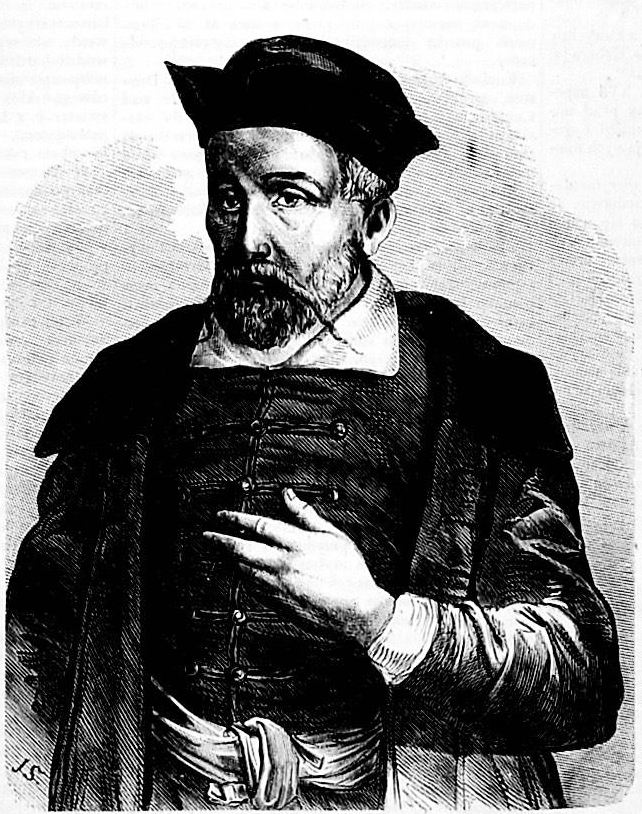 🇵🇱 Poland and 1 moreMichael SendivogiusMichał Sędziwój
A Polish alchemist who discovered oxygen and wrote on the 'food of life'Text · Power and authority · Change and initiation Historical
 🇩🇪 Germany and 3 moreRunesᚱᚢᚾᛟ
An ancient Germanic script used for writing and magical signs.Text · Seeing and foretelling · Power and authority Historical
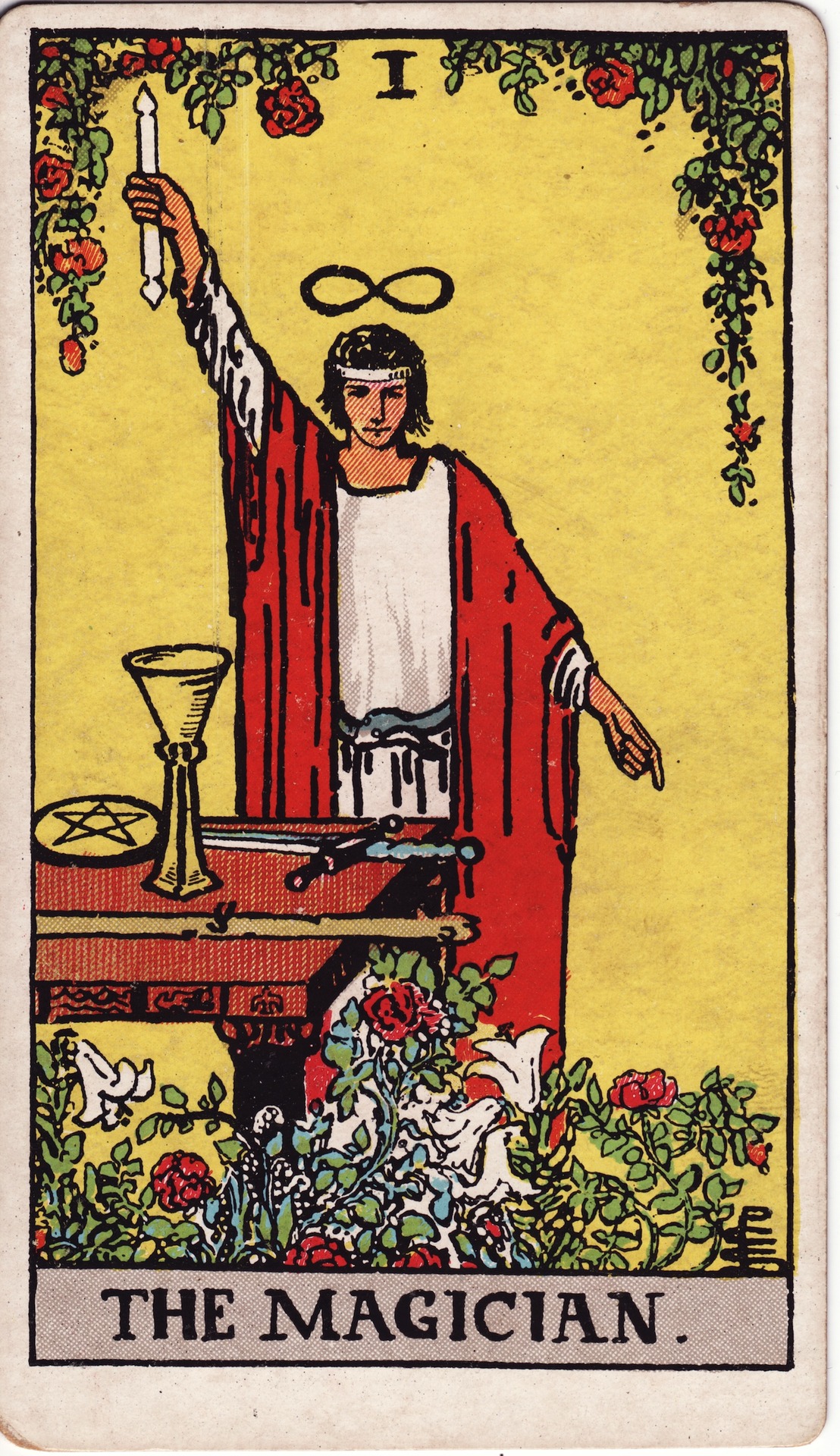 🇮🇹 ItalyThe MagicianLe Bateleur
A tarot trump symbolizing power and the link between spirit and matterText · Power and authority · Wonder and entertainment Living
 🇫🇷 France and 1 moreNostradamus
A French astrologer and physician known for his book of poetic propheciesText · Seeing and foretelling · Healing Historical
 🇫🇷 France and 5 moreKabbalahקַבָּלָה
An esoteric school of thought within Judaism focused on the hidden meanings of scripture and the divine.Tradition · Speaking with spirits and the dead · Change and initiation Living
🇬🇧 United Kingdom and 2 moreThe Holy Blood and the Holy Grail
A 1982 book proposing Jesus had a bloodline protected by a secret societyText · Cursing and harm Historical
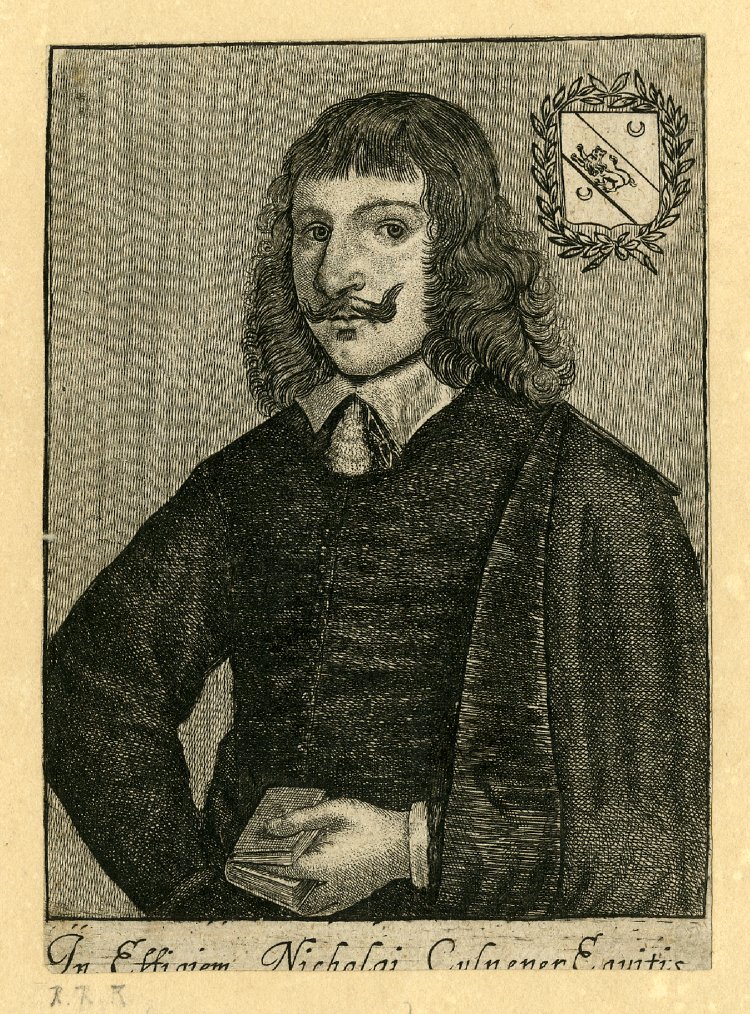 🇬🇧 United Kingdom and 1 moreNicholas Culpeper
An English herbalist and astrologer who translated medical texts into English for the poor.Text · Healing · Power and authority Historical
 🇬🇧 United Kingdom and 2 moreWitchcraft Acts
A series of British laws that shifted from punishing witchcraft to punishing those who claimed to practice it.Text · Cursing and harm Historical
 🇮🇹 Italy and 1 morePietro d'Abano
A medieval physician and astrologer accused of heresy and magic.Text · Healing · Wonder and entertainment Historical
 🇷🇸 Serbia and 3 moreSerbian folkloreСрпски фолклор
The folk traditions and epic poetry of the Serbs, blending pre-Christian customs with Orthodox faith.Tradition · Speaking with spirits and the dead · Power and authority Living
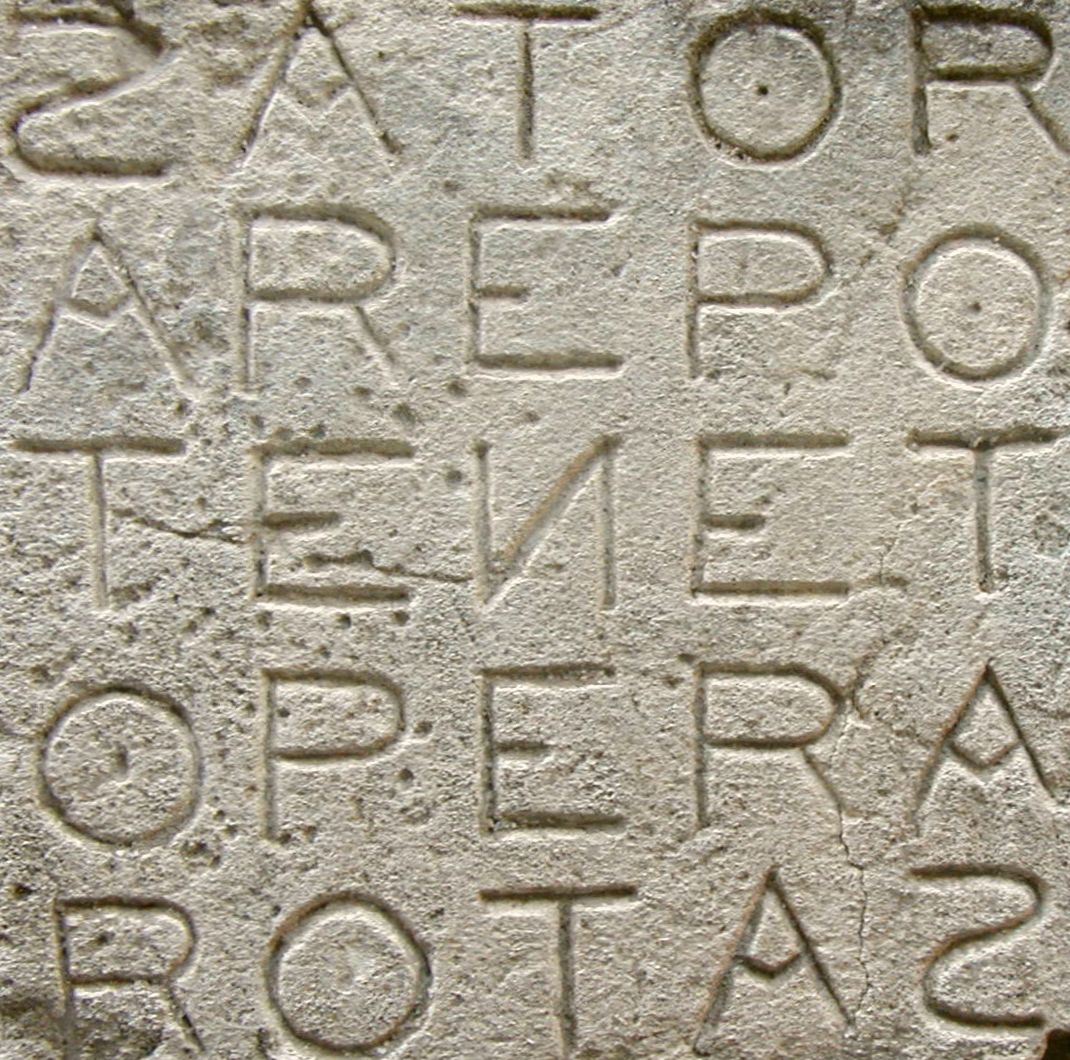 🇮🇹 Italy and 5 moreSator Square
A five-word Latin palindrome found in Roman ruins and medieval churchesCharm · Protection · Healing Historical
 🇮🇶 Iraq and 5 moreGrimoire
A textbook containing instructions for spells, rituals, and the creation of magical objects.Text · Protection · Healing Historical
 🇮🇹 Italy and 4 moreTarottarocchi
A set of cards for games and divination, with roots in fifteenth-century ItalyText · Wonder and entertainment · Seeing and foretelling Living
 🇬🇧 United Kingdom and 5 moreAleister Crowley
English occultist and founder of the religion of ThelemaText · Power and authority · Change and initiation Living
 🇬🇧 United Kingdom and 1 moreJohn Dee
An English scholar and advisor to Elizabeth I who pursued angelic communication through scrying.Tradition · Speaking with spirits and the dead · Seeing and foretelling Historical
 🇪🇸 SpainDirectorium Inquisitorum
A 14th-century Latin manual for inquisitors on heresy and magicText · Cursing and harm Historical
 🇮🇹 Italy and 1 moreThe Fool
A tarot card of unique status, depicting a wanderer or madman outside the numbered sequence.Text · Wonder and entertainment Historical
🇫🇷 FranceEtteilla
The first professional tarot occultist who created a system for card divination.Text · Seeing and foretelling · Power and authority Historical
🇩🇪 GermanyChymical Wedding of Christian RosenkreutzChymische Hochzeit Christiani Rosencreutz anno 1459
An allegorical romance describing an alchemical initiation and royal wedding in a miraculous castle.Text · Change and initiation · Wonder and entertainment Historical
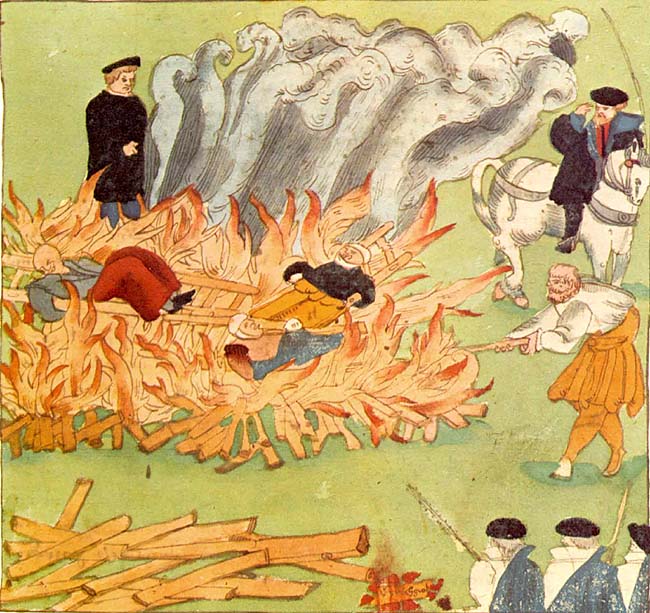 🇩🇪 GermanyMalleus Maleficarum
A 15th-century treatise on witchcraft that shaped European legal persecution.Text · Cursing and harm · Power and authority Historical
🇮🇸 IcelandGaldrabók
An Icelandic grimoire of spells and staves from around 1600Text · Protection · Cursing and harm Historical
🇬🇧 United KingdomGrimoire (sample)
A handbook of rites and names.Text · Power and authority · Speaking with spirits and the dead Historical
🇮🇹 ItalySola Busca tarot
The oldest complete 78-card tarot deck with unique illustrations and Roman numerals.Text · Wonder and entertainment Historical
 🇫🇷 FranceChamalières tabletPlomb de Chamalières
A Gaulish lead tablet from a French spa, read as either a curse or a healing prayer.Text · Cursing and harm · Healing Historical
🇮🇪 IrelandLorica
A Hiberno-Scottish monastic prayer for protection against evilText · Protection Historical
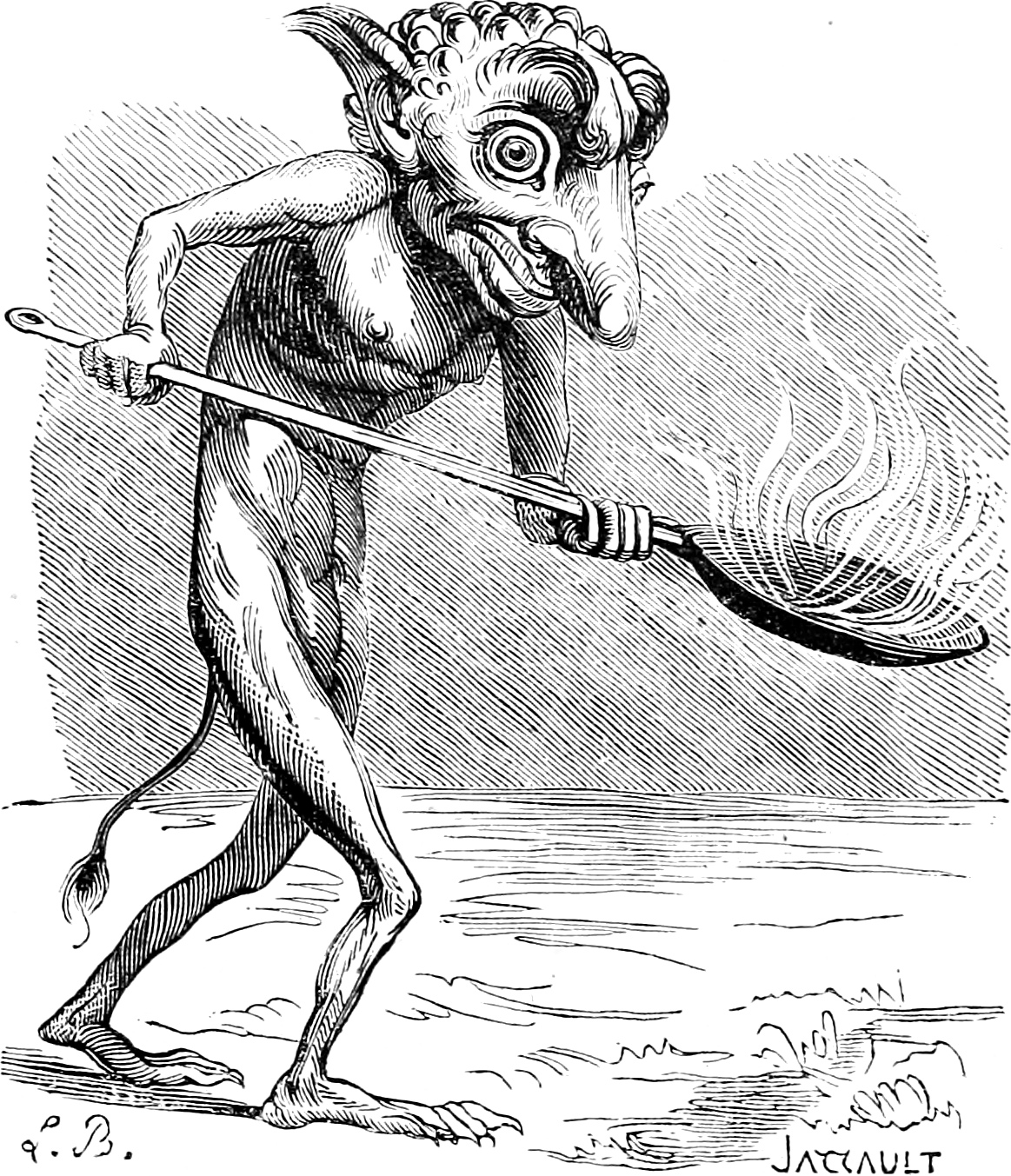 🇫🇷 FranceDictionnaire Infernal
A French demonology book cataloguing spirits and their hierarchies with engravings.Text · Power and authority Historical
🇬🇧 United Kingdom and 1 moreThirteen Treasures of the Island of BritainTri Thlws ar Ddeg Ynys Prydain
A collection of magical objects from late-medieval Welsh legendText · Wonder and entertainment Historical
 🇬🇧 United Kingdom and 2 moreBevis of HamptonПовесть о Бове-королевиче
A medieval chivalric romance about a hero's exile and return across Europe and the Near EastText · Wonder and entertainment Historical
 🇸🇪 SwedenStentoften Runestone
A seventh-century Swedish stone inscribed with a curse and harvest blessings in Proto-NorseText · Cursing and harm · Luck and prosperity Historical
 🇮🇸 Iceland and 1 moreUr (rune)
A runic character representing the aurochs or cold rain in Germanic alphabetsText · Wonder and entertainment Historical
🇮🇸 Iceland and 1 moreBerkanan
A runic letter representing the birch tree across Germanic writing systems.Text Historical
 🇩🇪 GermanyAlgiz
A runic letter representing a terminal sound and later symbols of life and deathText Historical
 🇮🇹 ItalyGli ExperimentiGli Experimenti de la Ex.ma S.r Caterina da Furlj Matre de lo inllux.mo S.r Giouanni de Medici
A 16th-century manuscript of alchemical, medicinal, and cosmetic recipes by Caterina SforzaText · Healing · Power and authority Historical
🇸🇪 SwedenUthark theory
A proposed rearrangement of runes into a cipher order, popular in esoteric circles.Text · Power and authority Historical
🇬🇧 United KingdomThe Book of Thoth
A guide to a tarot deck designed by an occultist and his collaboratorText · Power and authority · Seeing and foretelling Historical
🇬🇧 United KingdomThe White Goddess
Robert Graves's 1948 essay on one moon goddess behind many namesText Living
 🇬🇷 GreeceAkanthos curse tablet
A lead tablet from Macedonia carrying a man's spell to draw two people to himCharm · Binding and oaths · Love and attraction Historical
Photo credits on this page
The small pictures above come from Wikimedia Commons under free licences. Some are cropped to fit.
- Ogham: Runologe, CC BY-SA 4.0, source
- Three Books of Occult Philosophy: Heinrich Cornelius Agrippa, Public domain, source
- Éliphas Lévi: Eliphas Lévi [1810-1875], Public domain, source
- Renaissance magic: Unknown author, Public domain, source
- Witchcraft Act 1735: Richard van Bleeck, Public domain, source
- Akanthos curse tablet: CNG Coins, CC BY-SA 3.0, source
- Marsilio Ficino: Marsilio Ficino, Public domain, source
- William Lilly: Simon Harriyott, CC BY 2.0, source
- Alfonso X of Castile: Otto Posse (1847-1921), Public domain, source
- Emanuel Swedenborg: Carl Frederik von Breda, Public domain, source
- Geoffrey of Monmouth: Colin Cheesman, CC BY-SA 2.0, source
- Michael Sendivogius: Łuszczkiewicz, Public domain, source
- Basil Valentine: TomKidd, CC BY-SA 3.0, source
- Bevis of Hampton: Anonymous Unknown author, Public domain, source
- Runes: Bengt Olof ÅRADSSON, CC BY 1.0, source
- The Magician: Pamela Colman Smith, Public domain, source
- Nostradamus: After César de Notre-Dame, Public domain, source
- Kabbalah: Joseph ben Abraham Gikatilla, Paulus Riccius, Leonhard Beck, Public domain, source
- Nicholas Culpeper: Richard Gaywood, Public domain, source
- Numbers in Germanic paganism: Sendelbach ( talk ), CC BY-SA 3.0, source
- Ur (rune): RexCrudelissimus, CC BY-SA 4.0, source
- Algiz: Arolsen Archives, CC BY-SA 4.0, source
- Gli Experimenti: Mattman723, CC BY-SA 3.0, source
- Pietro d'Abano: Marco Chemello (Wikimedia Italia), CC BY-SA 4.0, source
- Serbian folklore: Uroš Predić, Public domain, source
- Natural magic: Unidentified painter, Public domain, source
- Sator Square: M Disdero, CC BY-SA 3.0, source
- Chamalières tablet: Unknown, CC BY-SA 4.0, source
- Dictionnaire Infernal: Louis Le Breton, Public domain, source
- Grimoire: Bengt A. Lundberg, CC BY 2.5, source
- Tarot: World Web Playing Card Museum, Public domain, source
- Aleister Crowley: Aleister Crowley, Public domain, source
- Directorium Inquisitorum: Nicolás Eymerich, Public domain, source
- The Fool: Johann Georg Rauch, Public domain, source
- Malleus Maleficarum: Johann Jakob Wick, Public domain, source