
Gli Experimenti
In its own language: Gli Experimenti de la Ex.ma S.r Caterina da Furlj Matre de lo inllux.mo S.r Giouanni de Medici
A 16th-century manuscript of alchemical, medicinal, and cosmetic recipes by Caterina Sforza
Gli Experimenti is a manuscript compiled by Italian noblewoman Caterina Sforza around 1500. It contains over four hundred recipes for cosmetics, medicines, and alchemical processes. The work reflects her role as an alchemist and her influence on later Medici scientific interests.
What it is
Gli Experimenti is a handwritten manuscript created by Caterina Sforza near the end of her life. The text records her findings from various experiments conducted in the early 1500s. It serves as a historical record of Renaissance practices that blended medicine, beauty care, and alchemy. The book contains 454 distinct recipes. These entries cover topics ranging from simple lotions to complex spiritual transformations. Scholars view the work as a bridge between practical home remedies and arcane laboratory procedures. It demonstrates how boundaries between different fields were fluid during this period.
Where it comes from
Sforza began compiling these notes after relocating to Forlì in 1484. She established medicinal gardens to grow ingredients for her formulas. An extensive garden with fruit trees was built along her fortress exterior. The manuscript dates to approximately 1500. After her death, it passed to her son Giovanni dalle Bande Nere. The document remained within the Medici family for generations before being lost. In the 19th century, historian Pier Desiderio Pasolini recovered parts of it. He published the majority of the text under the title Experimenti.
How it is done
The manuscript details procedures for creating various substances. Sforza used distillation in glass vessels to process herbs and plants. She applied alchemical principles to produce hair dyes and lotions. Her work included attempts to create an elixir for perpetual health. This substance was believed to cure incurable diseases and raise the dead. She also described a divine water for treating leprosy and improving memory. Financial motives drove some alchemical efforts. She altered metal weight and color to simulate gold production.
Tools and materials
Talc served as a primary ingredient across all categories. Sforza used it for cosmetics, medicine, and alchemical processes. She claimed talc could beautify women, cure poison, and turn gold to silver. Glass vessels were essential for distillation and chemical reactions. Medicinal gardens provided fresh herbs and plants. The manuscript highlights the use of specific minerals and botanical materials. These tools supported both practical healing and theoretical alchemical goals.
Gli Experimenti, drawn and placed
- Living
- Revived
- Fading
- Historical
- Legendary
- Performed
- Lineage
- Renaissance alchemy
What it is for
The recipes aimed to heal illnesses and improve physical appearance. Sforza treated conditions like sciatica, fevers, and coughs. Some formulas sought to confer eternal youth and health. Alchemical works focused on transforming base metals into precious ones. This helped alleviate financial burdens and boost political standing. The manuscript also explored spiritual transformation through substances like the elixir vitae. Practitioners viewed these items as powerful agents of change. They bridged the gap between everyday household needs and courtly ambitions.
Who does it
Caterina Sforza acted as both noblewoman and alchemist. She managed estates in Forlì and Imola while conducting research. Her work involved managing gardens and laboratories. Historical evidence shows she shared information with male alchemists. Meredith Ray notes that Sforza collapsed boundaries between home and court practices. Her letters reveal a network of shared knowledge. The manuscript was later studied by historians like Pasolini. Modern scholars analyze it for insights into Renaissance science and gender roles.
At a glance: who, where and when
Questions people ask about Gli Experimenti
Where does Gli Experimenti come from?
As our sources describe it, Gli Experimenti belongs to Italy. Communities differ in what they call it and how they keep it.
What kind of thing is Gli Experimenti?
As our sources describe it, Gli Experimenti belongs with the text entries in a guide to magic. What it is believed to do depends on who is speaking, and scholars read it differently from those who practise it.
Is Gli Experimenti still practised?
Our sources place Gli Experimenti among the entries that are historical. Documented in the past; no continuous living tradition today.
Which peoples keep Gli Experimenti?
As our sources describe it, Gli Experimenti is kept by Italian nobility. Others now know it too, often in changed forms.
Good reading and sources
The facts on this page come from the Wikipedia article "Gli Experimenti", written by its contributors and used under the CC BY-SA 4.0 licence, and from its Wikidata record (CC0). EveryJaadu rewrote the text in its own words, with AI assistance, and compares every page with the article to make sure no passage is copied. It may be reused under the same CC BY-SA 4.0 licence with a link back.
It may contain mistakes. Names and customs differ from one community to the next, and some knowledge is closed to outsiders and left out here. This page describes belief and practice. It does not say that any of it works, it is not a how-to, and it is not medical advice. If something is wrong, tell us. Last refreshed 2026-10-07.
More from Italy
All the entries from Italy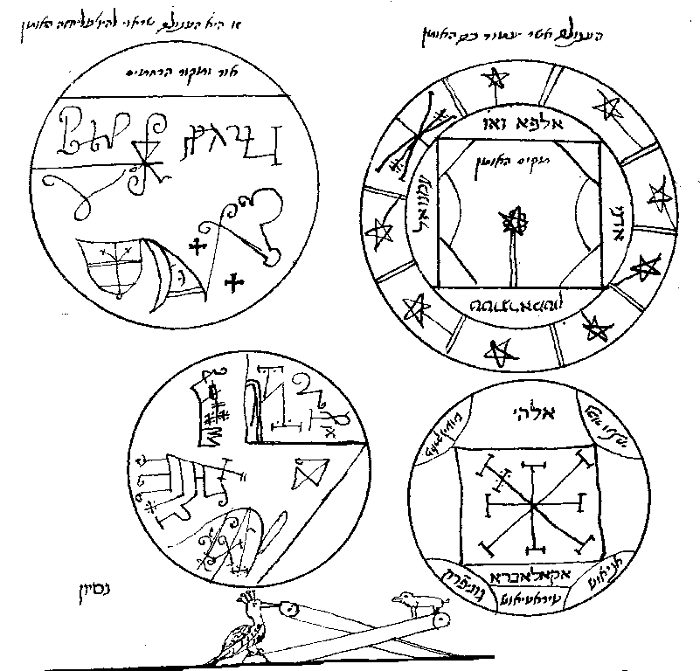 🇮🇹 Italy and 2 moreKey of SolomonClavicula Salomonis
A Renaissance grimoire attributed to King Solomon, detailing ritual preparations and invocations.Text · Cursing and harm · Love and attraction Historical
🇮🇹 Italy and 2 moreKey of SolomonClavicula Salomonis
A Renaissance grimoire attributed to King Solomon, detailing ritual preparations and invocations.Text · Cursing and harm · Love and attraction Historical
 🇮🇹 ItalyMarsilio Ficino
A Renaissance priest and philosopher who revived Plato and blended astrology with Christian theology.Text · Speaking with spirits and the dead · Healing Historical
🇮🇹 ItalyMarsilio Ficino
A Renaissance priest and philosopher who revived Plato and blended astrology with Christian theology.Text · Speaking with spirits and the dead · Healing Historical
 🇫🇷 France and 1 moreNostradamus
A French astrologer and physician known for a book of poetic propheciesText · Seeing and foretelling · Power and authority Historical
🇫🇷 France and 1 moreNostradamus
A French astrologer and physician known for a book of poetic propheciesText · Seeing and foretelling · Power and authority Historical
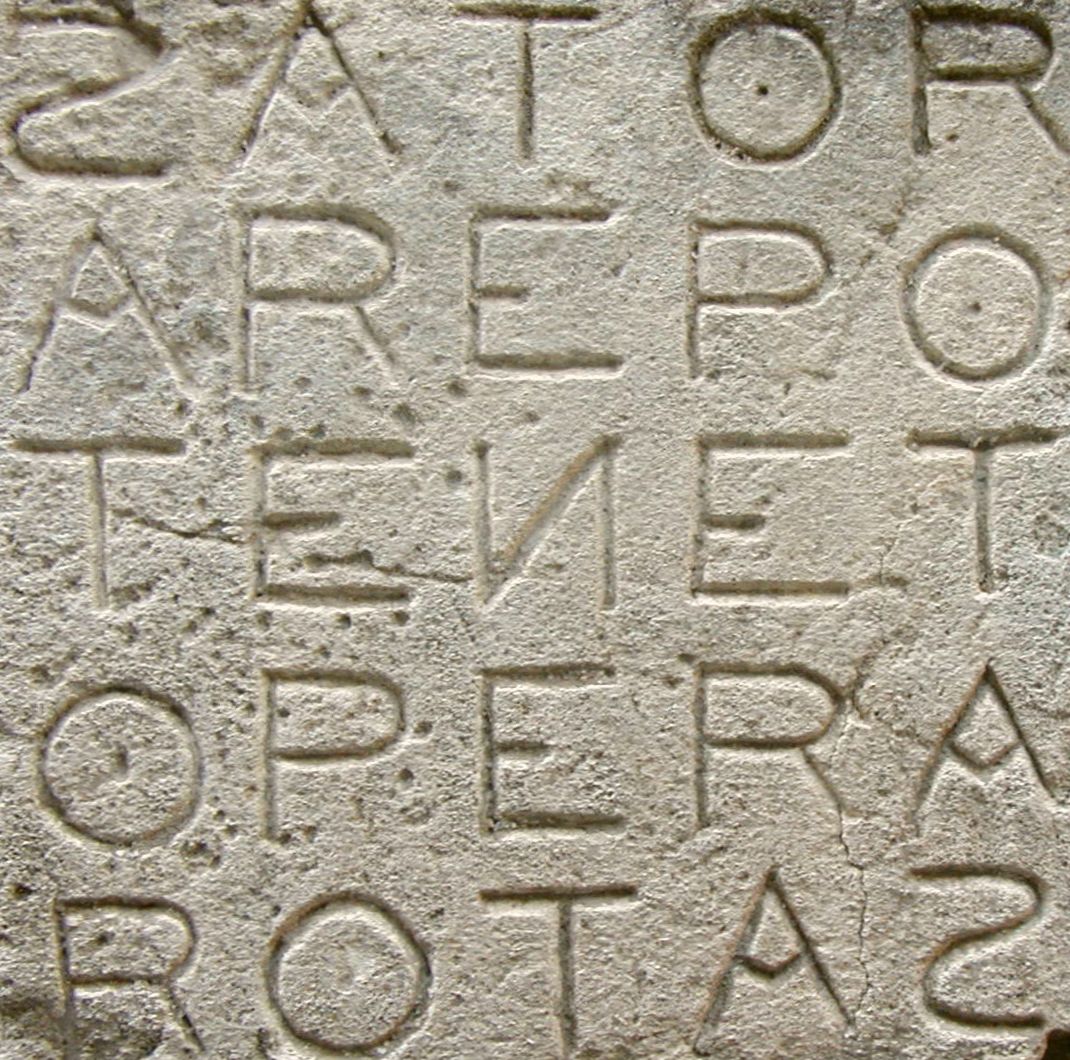 🇮🇹 Italy and 5 moreSator Square
A five-word Latin palindrome found in Roman ruins and medieval churchesCharm · Protection · Healing Historical
🇮🇹 Italy and 5 moreSator Square
A five-word Latin palindrome found in Roman ruins and medieval churchesCharm · Protection · Healing Historical
Related elsewhere
All text 🇮🇳 India and 1 moreMantraमन्त्रम्
A sacred sound or phrase repeated to focus the mind and invoke spiritual powerText · Speaking with spirits and the dead · Power and authority Living
🇮🇳 India and 1 moreMantraमन्त्रम्
A sacred sound or phrase repeated to focus the mind and invoke spiritual powerText · Speaking with spirits and the dead · Power and authority Living
 🇨🇳 China and 1 moreLuoshu Square洛書
An ancient Chinese three-by-three magic square linked to geomancy and numerologyTradition · Power and authority · Wonder and entertainment Historical
🇨🇳 China and 1 moreLuoshu Square洛書
An ancient Chinese three-by-three magic square linked to geomancy and numerologyTradition · Power and authority · Wonder and entertainment Historical
 🇨🇳 China and 2 moreEight Immortals八仙
Eight legendary Taoist figures of China, each with a power and a vesselFigure · Protection · Healing Living
🇨🇳 China and 2 moreEight Immortals八仙
Eight legendary Taoist figures of China, each with a power and a vesselFigure · Protection · Healing Living
 🇮🇳 India and 1 moreAshtamangalaअष्टमङ्गल
A set of eight sacred symbols used in Indian religions to mark auspicious occasions and teach spiritual truths.Tradition · Power and authority · Wonder and entertainment Living
🇮🇳 India and 1 moreAshtamangalaअष्टमङ्गल
A set of eight sacred symbols used in Indian religions to mark auspicious occasions and teach spiritual truths.Tradition · Power and authority · Wonder and entertainment Living