Magicians, witches and legendary figures
The wise woman, the sorcerer, the legendary mage: Merlin, Baba Yaga, Circe and their kin.
Magical figures are the people, real and legendary, who stand for magic: Merlin, Baba Yaga, Circe, Hermes Trismegistus, Dr John Dee, Madame Blavatsky, the sorcerer in a village story, the Bulgarian seer Baba Vanga, and the performers Houdini and Chung Ling Soo. Some lived, some are composite, and some are pure myth. This page looks at who becomes a magic figure, and why. They are described here as stories and as history, and kept apart.
Who becomes a figure
Figures often sit at the edge of society. In many stories the witch is an older woman living alone, the sorcerer a foreigner or a rival tribe, the wise man a hermit. Real figures include John Dee, adviser to Elizabeth I, and Agrippa, whose De occulta philosophia (1533) shaped European occultism. Others are legend: Merlin appears in Welsh and French tales, and Baba Yaga is a Slavic folk figure who both helps and threatens.
Gender and reputation
The witch figure has been mostly female in Europe, where trials in the sixteenth and seventeenth centuries killed tens of thousands of people, most of them women. In other places accusation falls on men, on the old, on the poor or on the outsider. The learned magician, by contrast, was often male, literate and protected by rank, a division that shows how class shaped who was punished. Not every figure carries a stigma: Chinese immortals, Indian rishis and Irish saints are honoured, and the line between holy person and magician depends on who is telling the story.
Colonial and modern use
Missionary and colonial writers often cast African and Indigenous healers as the witch-doctor, a term most communities reject. The word covers healers, diviners and rulers who had very different roles. Today, figures are re-used in fantasy and branding. The Merlin of modern fantasy films is a long way from the Welsh Myrddin, and the name of a real tradition may be turned into a costume. Their stories have also been tools of politics: rulers have claimed legendary magicians as ancestors, and enemies have painted rivals as sorcerers to justify their removal.
Scholars and the real person
Historians separate documented people from legend and warn that many reports of magicians were written by their enemies. Evidence for some famous names, including Hermes Trismegistus, who was long thought to be an Egyptian sage, turned out to be later Greek-language writings. Treating a figure as legend rather than biography is no insult to those who revere them. A figure who may be a real person with a name, a date and a grave belongs in a different category from a legend, even when popular memory blends them, and the entries here try to keep them separate.
Figure on EveryJaadu
The entries written up so far, best known first.
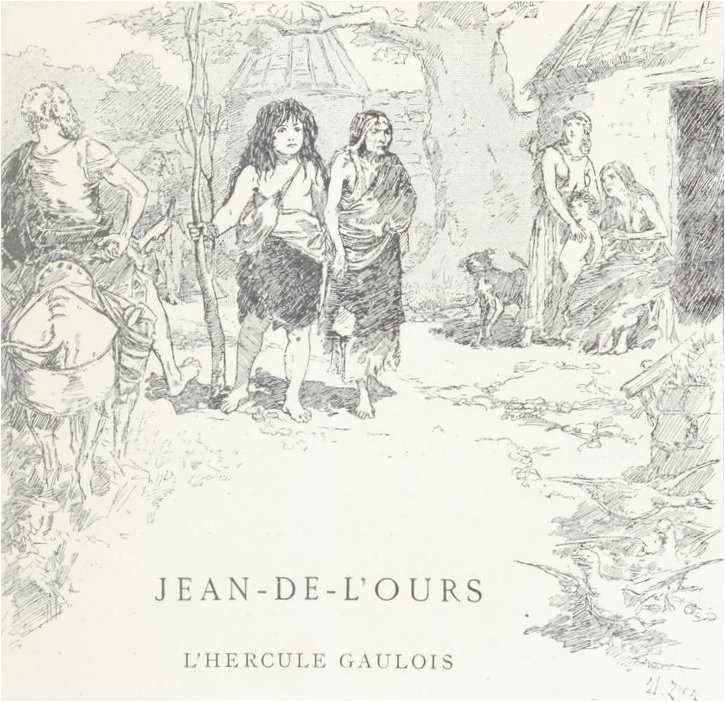 🇫🇷 France and 4 moreJean de l'Ours
A half-bear folk hero who rescues princesses from an underworld giant.Figure · Power and authority Legendary
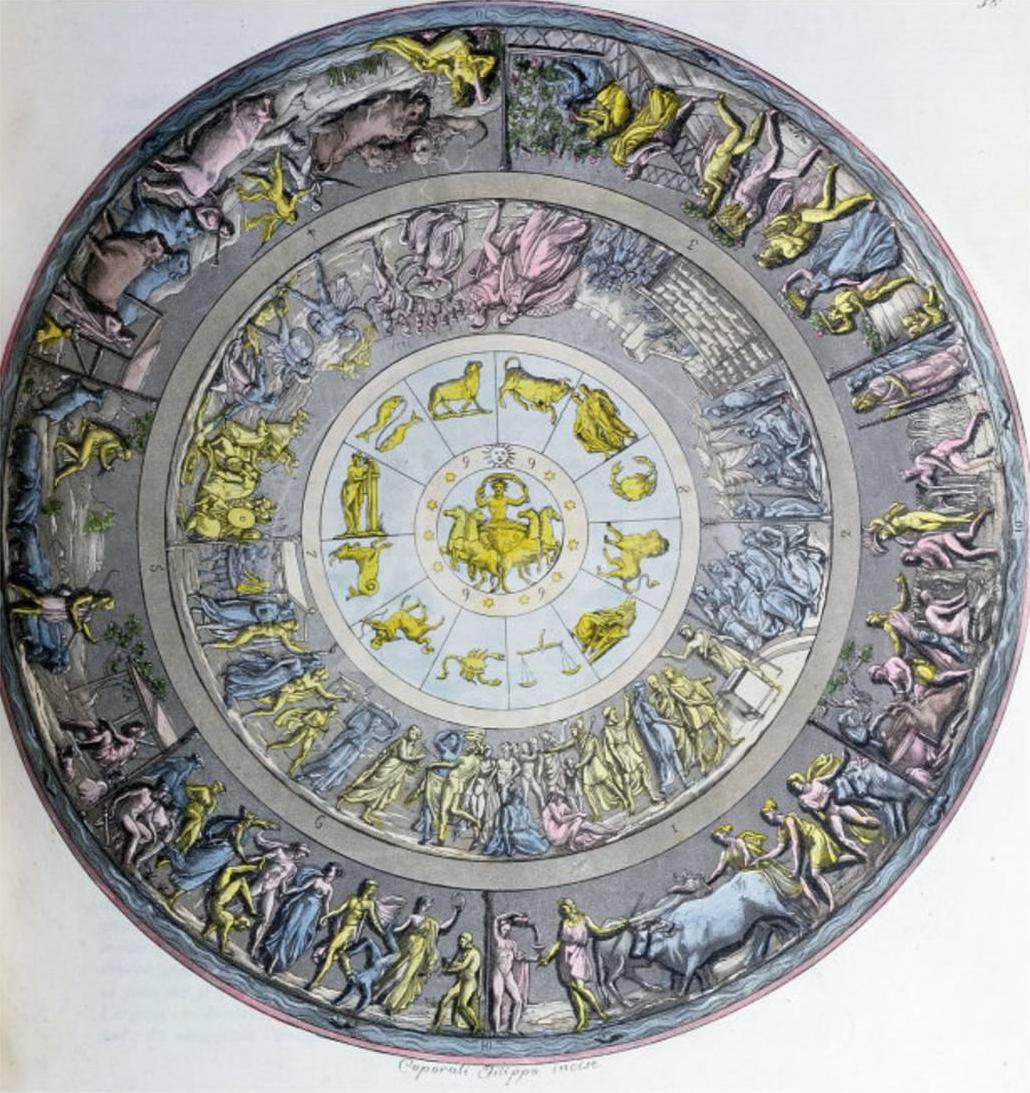 🇬🇷 GreeceShield of Achilles
A mythical shield forged by Hephaestus, decorated with a complete picture of the world and human life.Figure · Power and authority Legendary
 🇷🇺 RussiaTriple-headed eagle
A heraldic and mythological bird with three heads, appearing in Russian symbolism and European manuscripts.Being · Power and authority Historical
 🇨🇳 ChinaKui夔 (kuí)
A one-legged mountain spirit and ancient music master from Chinese mythologyBeing · Power and authority · Wonder and entertainment Legendary
 🇩🇪 Germany and 2 moreWitege
A Germanic legendary warrior who shifts from loyal companion to traitor in epic poems.Figure · Power and authority Legendary
🇲🇾 MalaysiaSang Sapurba
A legendary ancestor figure in Malay and Minangkabau royal genealogiesFigure · Power and authority Legendary
 🇺🇸 United StatesZelph
A figure identified by Joseph Smith as a buried warrior in IllinoisFigure · Power and authority Historical
 🇯🇵 Japan and 4 moreKṣitigarbhaक्षितिगर्भ
A bodhisattva vowed to empty the hells and guard children, shown with a staff and jewel.Being · Protection · Speaking with spirits and the dead Living
🇮🇪 IrelandCreidhneCredne
Smith god of Irish myth who armed the Tuatha Dé Danann and made a king's silver handFigure · Power and authority Legendary
 🇪🇬 Egypt and 1 moreOuroborosοὐροβόρος
An ancient image of a serpent eating its own tail, symbolizing cycles and wholenessFigure · Power and authority · Wonder and entertainment Historical
 🇮🇪 IrelandNuada AirgetlámNúadu
An Irish mythic king who lost a hand, then ruled again with a silver oneFigure · Power and authority · Healing Legendary
 🇮🇷 Iran and 5 moreKhidrالخضر
A Qur'anic guide and saint believed to hold hidden wisdom and aid those in need.Being · Seeing and foretelling · Power and authority Living
 🇨🇳 ChinaInterconnected-arm gibbon通臂猿
A mythical primate with linked arms that can extend one limb by pulling in the other.Figure · Power and authority Legendary
 🇵🇱 Poland and 4 moreMoranaМорена
A Slavic goddess of winter and death, whose effigy is drowned to welcome springFigure · Cursing and harm · Power and authority Living
 🇮🇳 India and 2 moreAgartha
A legendary underground kingdom said to rule the world from within the EarthFigure · Power and authority Legendary
 🇬🇷 GreeceDragon's teethὀδόντες (τοῦ) δράκοντος
Seeded teeth that grow into warriors in Greek mythFigure · Power and authority Legendary
🇮🇩 IndonesiaNini Pelet
A West Javanese sorceress legend linked to Mount Ciremai and the origin of the word for love charmsFigure · Love and attraction · Power and authority Legendary
🇮🇹 ItalyVegoiaVecu
An Etruscan prophet credited with sacred books and land boundariesFigure · Seeing and foretelling · Power and authority Legendary
 🇨🇱 Chile and 1 moreImbuncheifünche
A deformed child-monster of Chilote folklore that guards a warlock's cave and serves as an instrument of curse.Figure · Cursing and harm · Power and authority Legendary
🇮🇳 IndiaQutbقطب
A Sufi spiritual leader who acts as the unseen axis of a cosmic hierarchy.Figure · Power and authority Historical
 🇮🇳 IndiaPulimaranja Thondachan
A theyyam deity of North Malabar, born from a shapeshifter who became a leopard.Figure · Protection · Power and authority Living
🇮🇱 Israel and 1 moreRighteous Priest
A messianic priestly figure in Jewish eschatology, identified with Shem and Melchizedek.Figure · Power and authority Historical
 🇮🇪 IrelandLughLú
A master craftsman and warrior of Irish myth who defeats a tyrant eyeFigure · Power and authority · Luck and prosperity Legendary
 🇨🇳 ChinaDragon turtle龍龜 (Lóngguī)
A Chinese mythic creature with a dragon body and turtle shell, used as a Feng Shui charm.Figure · Luck and prosperity · Power and authority Living
 🇫🇮 FinlandAntero Vipunen
A buried giant in Finnish mythology who holds the magic words needed to build a boatFigure · Power and authority Legendary
🇮🇷 Iran and 1 moreBabr-e Bayanبَبْرِ بَیان
A legendary armor worn by the Iranian hero Rostam, said to be made from a dragon's skin.Figure · Protection · Power and authority Legendary
 🇲🇲 Myanmar and 1 moreAreindamaအရိန္ဒမာ
A legendary Burmese spear linked to royal power and divine favorFigure · Power and authority Legendary
 🇹🇭 Thailand and 2 moreSang Thongสังข์ทอง
A Southeast Asian folktale about a prince born in a shell who gains golden skin and magical powers.Figure · Luck and prosperity · Love and attraction Historical
🇻🇳 VietnamThe Hundred-knot Bamboo TreeCây tre trăm đốt
A Vietnamese fable about a laborer who uses magic to claim his reward.Figure · Power and authority Historical
 🇵🇱 Poland and 1 morePan Twardowski
A Polish sorcerer who bargained with the Devil and ended up on the MoonFigure · Power and authority Legendary
 🇳🇴 Norway and 1 moreBödvar BjarkiBöðvarr Bjarki
A Norse hero who fights as a bear and appears in legends of King Hrolf KrakiFigure · Power and authority Legendary
 🇨🇳 China and 1 moreMoney tree搖錢樹
A mythical tree of fortune and a Chinese New Year custom for wealthFigure · Luck and prosperity · Power and authority Living
🇺🇸 United States and 1 moreMammon in popular culture
The personification of wealth and greed across stories, games, and media.Figure · Power and authority · Cursing and harm Living
🇪🇸 SpainGuañameñe
A Guanche prophet and the highest priestly rank in pre-conquest TenerifeFigure · Seeing and foretelling · Power and authority Historical
🇮🇱 IsraelMessiah ben Josephמָשִׁיחַ בֶּן־יוֹסֵף
A Jewish eschatological figure who wages war and dies before the final age of peaceFigure · Cursing and harm · Power and authority Historical
 🇸🇪 SwedenKnights of Ålleberg
Swedish ghost story about sleeping warriors in a mountainFigure · Power and authority Legendary
 🇷🇺 Russia and 2 moreAlatyrАлатырь
A sacred mythological stone in Russian folklore, said to be the center of the world.Figure · Healing · Power and authority Legendary
 🇨🇳 China and 2 moreThree-legged crow三足烏
A mythological bird representing the sun in East Asian traditionsFigure · Power and authority · Luck and prosperity Legendary
 🇮🇪 IrelandCú Chulainn
A legendary Irish warrior hero and demigod of the Ulster CycleFigure · Power and authority Legendary
 🇮🇹 ItalyShe-wolf (Roman mythology)lupa
The mythical wolf that nursed Rome's founders and became the city's enduring symbolFigure · Power and authority Historical
Photo credits on this page
The small pictures above come from Wikimedia Commons under free licences. Some are cropped to fit.
- Interconnected-arm gibbon: Xuande Emperor, Public domain, source
- Zelph: HotWheels53, CC BY-SA 3.0, source
- Wolves in folklore, religion and mythology: Unknown author, CC0, source
- Three-legged crow: Jinsha Site Museum. Original author: ancient Shu people., Public domain, source
- Cú Chulainn: https://commons.wikimedia.org/wiki/User:Leimanbhradain, CC BY-SA 4.0, source
- Kṣitigarbha: སངས་རྒྱས་བཅོམ་ལྡན་འདས།, Public domain, source
- Agartha: Louis Jacolliot, Public domain, source
- Dragon's teeth: Workshop of Peter Paul Rubens, Public domain, source
- Shield of Achilles: Angelo Monticelli (1778-1837), Public domain, source
- Jean de l'Ours: Édouard François Zier (1856–1924), illustrator, Public domain, source
- Triple-headed eagle: Неизвестный автор. (фото обложки сборника: Александр Храмов), Public domain, source
- Dragon turtle: Jonathan O'Donnell, CC BY 2.0, source
- Antero Vipunen: Schulllz, CC0, source
- Areindama: EmeraldRange, CC0, source
- Bödvar Bjarki: Louis Moe, Public domain, source
- Kui: Dave Pape, Public domain, source
- Witege: Max Koch, (1859–1930), Public domain, source
- Ouroboros: Djehouty, CC BY-SA 4.0, source
- Morana: Marta Malina Moraczewska, CC BY-SA 4.0, source
- Imbunche: Lufke, CC BY-SA 3.0, source
- Lugh: Peter Clarke, CC BY-SA 3.0, source
- Pulimaranja Thondachan: Uajith, CC BY-SA 4.0, source
- Sang Thong: Narisara Nuwattiwong, Public domain, source
- Pan Twardowski: Pit1233, Public domain, source
- Money tree: Pratyeka, CC BY-SA 4.0, source
- Knights of Ålleberg: Photograph: Nasko, Public domain, source
- Khidr: Unknown author, Public domain, source
- Nuada Airgetlám: Andreas F. Borchert, CC BY-SA 4.0, source
- Alatyr: М. Порсина (M. Porsina), CC BY-SA 4.0, source