Bologna bottle
named for the city of Bologna where it was first discovered
A glass vessel that withstands hammer blows but shatters from an internal scratch
The Bologna bottle is a specially treated glass container known for its paradoxical strength. It can be used as a hammer yet crumbles if scratched inside. The object originated in Bologna, Italy, and is now primarily used in physics demonstrations and stage magic.
- Glass bottle strong enough to hammer nails
- Shatters instantly from an internal scratch
- Named after Bologna, Italy
- Used in magic tricks like the Devil's Flask
- Created by rapid external cooling
What it is
The Bologna bottle is a glass vessel defined by extreme structural contradictions. Its exterior is hardened enough to serve as a hammer, capable of driving nails into wood without damage. Conversely, the interior surface remains highly vulnerable. A minor scratch or impact on the inside causes the entire structure to disintegrate instantly. This duality makes it a popular prop for illustrating stress principles in physics and for creating surprising effects in illusion performances.
Where it comes from
The item traces back to Bologna, Italy, with records appearing in Royal Society publications during the 1740s. Early makers produced these vessels by leaving heated glass in open air rather than returning it to the furnace for slow cooling. This accidental or deliberate process created a unique state where the bottle could survive drops onto brick floors but would rupture immediately upon the introduction of a small flint piece inside.
How it is done
Manufacturers create this effect by heating glass and then rapidly cooling the exterior while allowing the interior to cool slowly. This technique generates compressive stress on the outside and tensile stress on the inside. The glass is not annealed, preserving this fragile balance. Reheating the bottle removes these properties. In performance, magicians often use the bottle to demonstrate sudden destruction, sometimes rattling a small object inside to trigger the collapse.
Tools and materials
The primary tool is the glass bottle itself, treated through specific thermal processes. Performers may use small objects like flints or coins to trigger the shattering effect. The bottle serves no practical storage purpose due to its susceptibility to internal damage, existing solely as a demonstration object or theatrical prop.
Bologna bottle, drawn and placed
- Living
- Revived
- Fading
- Historical
- Legendary
- Performed
What it is for
These bottles are used to amaze audiences through visual contradiction. They demonstrate how internal tension can override external durability. In magic acts, they provide a moment of surprise when a seemingly indestructible object vanishes into shards. They also serve educational purposes in physics to explain material stress and failure points.
Who does it
Stage magicians utilize the Bologna bottle for its dramatic potential. Physicists employ it to teach concepts of material science. The object requires careful handling by those who manufacture it, as any internal flaw ruins its utility. It is not a tool for ritual or healing, but purely for entertainment and scientific illustration.
Peoples and places
The tradition originates from Italian glassblowing practices in Bologna. While initially a local craft phenomenon, it gained wider recognition through scientific societies. Today, it appears in international magic circles and educational settings worldwide, detached from its specific regional roots.
At a glance: who, where and when
Who does it
What people believe
There are no spiritual beliefs attached to the Bologna bottle. It is understood strictly through the lens of material science and mechanical engineering. The shattering is a result of physical laws governing glass stress, not supernatural forces.
How scholars and sceptics see it
Scientists study the Bologna bottle to understand tempering and stress distribution in silicate materials. Historians note its mention in 18th-century scientific literature as an example of early experimental glasswork. It is often compared to the Prince Rupert's drop, another object demonstrating similar internal tension principles.
Cautions and what is closed
The bottle poses a risk of injury due to sudden fragmentation. Shards can fly outward when the internal stress is released. Handling requires caution to avoid accidental triggers. There are no reported cases of fraud related to the bottle itself, though it is sometimes misused in tricks to deceive audiences about material properties.
Compare and confuse
The Bologna bottle is frequently compared to the Prince Rupert's drop, which shares similar stress characteristics. Both objects exhibit high external resistance and internal fragility. Unlike charms or talismans, it has no cultural or religious significance, serving only as a physical curiosity.
Questions people ask about Bologna bottle
What is a Bologna bottle?
It is a glass bottle treated to have extreme external strength but internal fragility. It can withstand hammer blows but crumbles if scratched inside. Originating in Italy, it is used in magic and physics.
How is it made?
Makers heat the glass and cool the outside rapidly while letting the inside cool slowly. This creates compression on the exterior and tension inside. The glass is not annealed to maintain this state.
Why does it shatter so easily?
The manufacturing process leaves significant tensile stress inside the glass. Any break in the inner surface releases this energy, causing the entire bottle to disintegrate instantly.
Is it used in rituals?
No. The Bologna bottle has no spiritual or ritualistic function. It is a physical object used for entertainment in stage magic and for educational demonstrations in science.
Good reading and sources
The facts on this page come from the Wikipedia article "Bologna bottle", written by its contributors and used under the CC BY-SA 4.0 licence, and from its Wikidata record (CC0). EveryJaadu rewrote the text in its own words, with AI assistance, and compares every page with the article to make sure no passage is copied. It may be reused under the same CC BY-SA 4.0 licence with a link back.
It may contain mistakes. Names and customs differ from one community to the next, and some knowledge is closed to outsiders and left out here. This page describes belief and practice. It does not say that any of it works, it is not a how-to, and it is not medical advice. If something is wrong, tell us. Last refreshed 2026-10-07.
More from Italy
All the entries from Italy 🇮🇹 Italy and 5 morePrecious coral
A marine skeleton harvested for jewelry and worn as a protective charm in several culturesSubstance · Protection · Healing Living
🇮🇹 Italy and 5 morePrecious coral
A marine skeleton harvested for jewelry and worn as a protective charm in several culturesSubstance · Protection · Healing Living
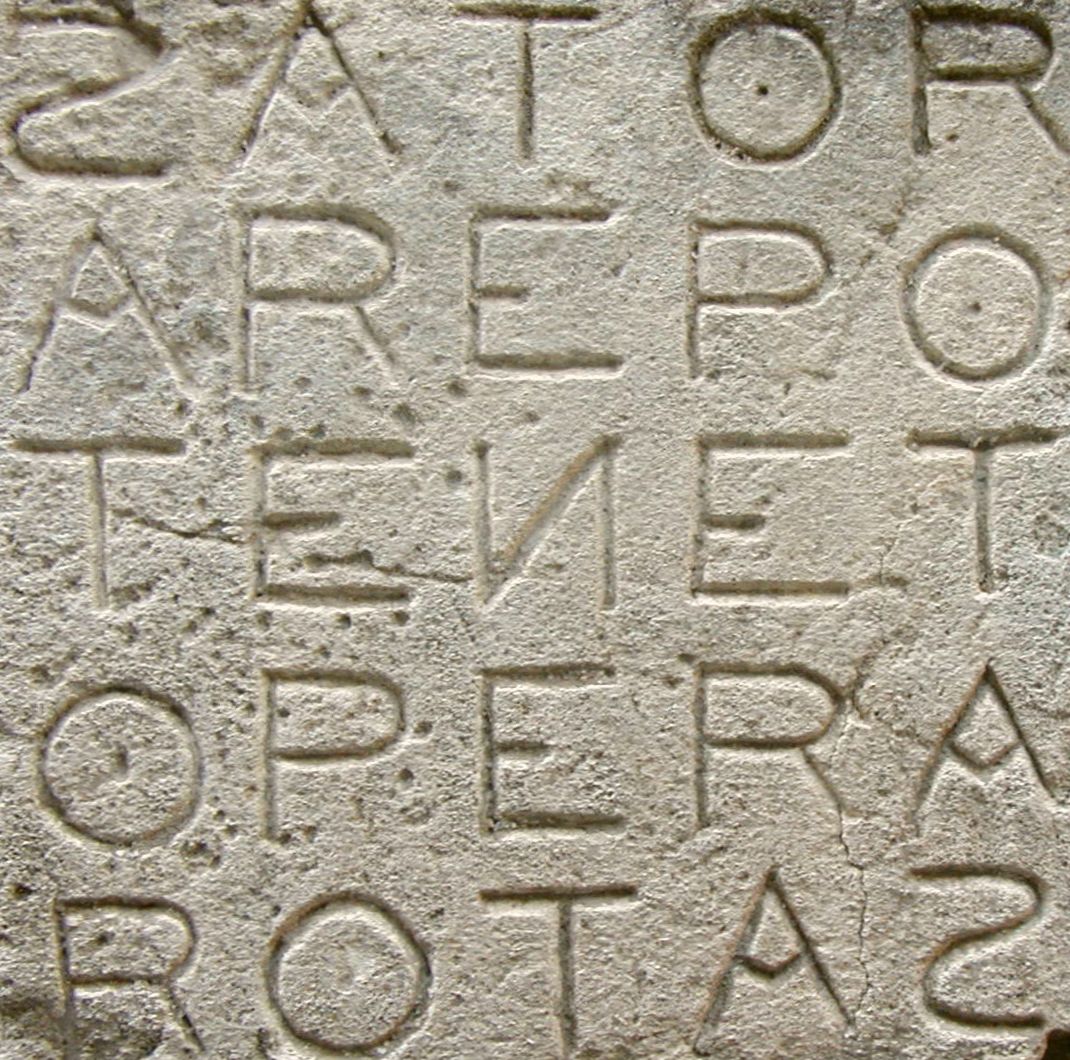 🇮🇹 Italy and 5 moreSator Square
A five-word Latin palindrome found in Roman ruins and medieval churchesCharm · Protection · Healing Historical
🇮🇹 Italy and 5 moreSator Square
A five-word Latin palindrome found in Roman ruins and medieval churchesCharm · Protection · Healing Historical
 🇮🇹 Italy and 5 moreRelic
An object or body part kept to honor a holy person and mark their connection to the divineCharm · Protection · Healing Living
🇮🇹 Italy and 5 moreRelic
An object or body part kept to honor a holy person and mark their connection to the divineCharm · Protection · Healing Living
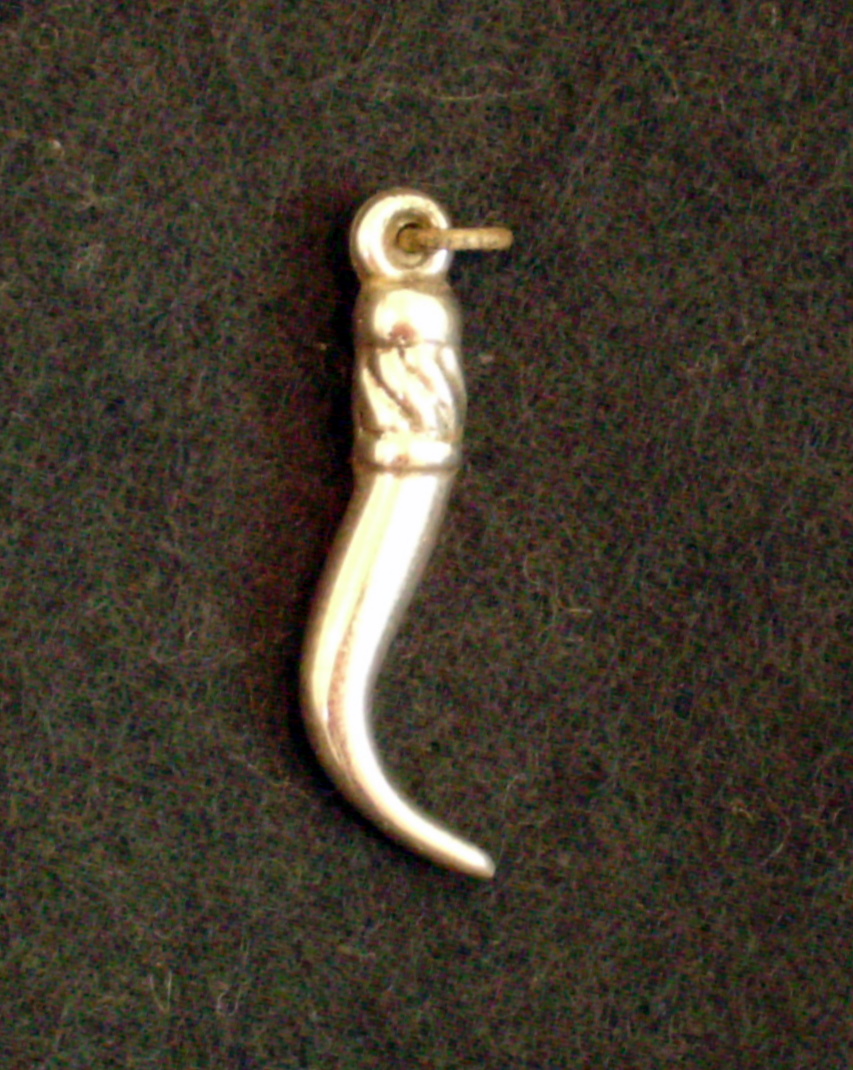 🇮🇹 ItalyCornicello
A twisted horn charm worn in Italy to ward off the evil eye and invite luck.Charm · Protection · Luck and prosperity Living
🇮🇹 ItalyCornicello
A twisted horn charm worn in Italy to ward off the evil eye and invite luck.Charm · Protection · Luck and prosperity Living
Related elsewhere
All charm 🇪🇬 Egypt and 1 moreSphinx
A mythical hybrid with a human head and lion body, serving as guardian or riddler in Egyptian and Greek traditions.Being · Protection · Wonder and entertainment Legendary
🇷🇺 Russia and 3 moreNart sagaНарты кадджытæ
A collection of epic tales from the North Caucasus about a legendary group of heroes.Text · Wonder and entertainment Historical
🇨🇱 ChileChilean mythology
The myths and legends of Chile, blending indigenous roots with colonial influences.Tradition · Wonder and entertainment Living
🇪🇬 Egypt and 1 moreSphinx
A mythical hybrid with a human head and lion body, serving as guardian or riddler in Egyptian and Greek traditions.Being · Protection · Wonder and entertainment Legendary
🇷🇺 Russia and 3 moreNart sagaНарты кадджытæ
A collection of epic tales from the North Caucasus about a legendary group of heroes.Text · Wonder and entertainment Historical
🇨🇱 ChileChilean mythology
The myths and legends of Chile, blending indigenous roots with colonial influences.Tradition · Wonder and entertainment Living
 🇨🇳 ChinaLan Caihe藍采和
An ambiguous Taoist immortal known for a flower basket and wandering songsBeing · Wonder and entertainment Legendary
🇨🇳 ChinaLan Caihe藍采和
An ambiguous Taoist immortal known for a flower basket and wandering songsBeing · Wonder and entertainment Legendary