
Ame-no-Nuboko
In its own language: 天沼矛
Japanese, glossed as 'heavenly jewel-spear'; the same characters are also read Tenkei, 'heavenly jewel'
The jewel-decorated spear of Japanese myth, used to stir the sea into land
Ame-no-Nuboko is the jewel-decorated spear of the Japanese creation myth, given by the heavenly gods to Izanagi and Izanami. Stirring the sea from the bridge between heaven and earth, the pair are said to have formed Onogoro, the first island. Shugendō and Ryōbu Shintō texts later describe it as a vajra.
- Stirred sea water dripping from the spear is said to have formed Onogoro, the first island.
- Its name means 'heavenly jewel-spear'; the same characters are also read Tenkei, 'heavenly jewel'.
- A Shugendō text calls it a vajra with power to smash evil, also named Amanomagaeshi-no-hoko.
- A Ryōbu Shintō book places the spear, as a vajra, stuck in Onogoro Island.
- It is often represented as a naginata, a Japanese polearm.
What it is
Ame-no-Nuboko is the spear of the Japanese creation story, a heavenly weapon set with magatama, the curved beads used in early Japanese ornament. In the myth it belongs to Izanagi and Izanami, the pair of gods credited with making the land. It is often drawn as a naginata, the long Japanese polearm with a curved blade. Beyond the creation account, Shinto and Shugendō writings treat the spear as a sacred treasure with a second life as a vajra, an implement said to break evil. Its name is also read Tenkei, and it appears under further names, among them Ame-no-Sakahoko.
Where it comes from
The oldest telling is in the Kojiki. The senior heavenly gods hand the jewel-decorated spear to Izanagi and Izanami so that they can carry out kuniumi, the making of land. The two stand on Ame-no-ukihashi, the bridge joining heaven and earth, and stir the sea beneath them. Brine dripping from the point is said to harden into Onogoro, the first island, where the pair then settle. Later religious books expand the story. A Shugendō work, Yamato Katsuragi Hozan-ki, calls the spear something generated when heaven and earth were made, an embodiment of Bonten. Tenchi Reiki Furoku, a Ryōbu Shintō book, identifies Ame-no-Sakahoko with a vajra left in Onogoro.
How it is done
The account is a myth rather than a rite. Izanagi and Izanami take up the spear on the floating bridge between the worlds, lower it into the water and churn. Nothing is shaped by hand: land emerges from what falls from the blade, drop by drop, and the gods then come down to live on it. Later texts describe the same object in another key, as a vajra wielded to break evil, and one tradition holds that the spear now lies in the ground. Japanese artists commonly give it the form of a naginata.
Tools and materials
The spear has a point and shaft decorated with magatama, curved beads of stone or another hard material. It is usually pictured as a naginata, a Japanese polearm with a long curved blade on a shaft. In the Shugendō reading it is a vajra, an implement with the power to smash evil, and it carries the further name Amanomagaeshi-no-hoko. The same texts link Ninigi, the sun goddess's grandson, with a mallet decorated with gems and with the title Heavenly Pestle Boy, Amagine-Takashi, also called Kidoku-ō.
Ame-no-Nuboko, drawn and placed
- Living
- Revived
- Fading
- Historical
- Legendary
- Performed
- Lineage
- Japanese Shinto myth
What it is for
The spear's purpose in the Kojiki is the founding of land: without it the sea stays empty. It is the instrument of kuniumi, the making of the islands, and so belongs to the beginning of the world rather than to any human need. Shugendō and Ryōbu Shintō writers add other uses. There it is a sacred treasure carried by the heavenly grandson at his descent, a vajra for breaking evil, and an object said to remain somewhere on earth. In one legend Amaterasu throws it down from heaven; in another Ōkuninushi hands it on to Ninigi.
Who does it
No human works this spear. Its bearers in the stories are gods: Izanagi and Izanami first, then in later accounts Ninigi, the grandson of the sun goddess, said to come down from heaven carrying it as a sacred treasure. The senior heavenly gods are the ones who give it out. The interpreters are another matter. The myth is expanded in a Shugendō text, Yamato Katsuragi Hozan-ki, in the Ryōbu Shintō book Tenchi Reiki Furoku, and in Senguin Himon, each reading the spear through its own imagery of vajra and treasure.
Peoples and places
The tradition is Japanese, recorded in the Kojiki and commented on in Shinto and Shugendō literature. Within that body of writing the spear is read in different ways. Yamato Katsuragi Hozan-ki, a Shugendō work, treats it as an embodiment of Bonten with a name of its own, Amanomagaeshi-no-hoko. Tenchi Reiki Furoku, from Ryōbu Shintō, attaches it to Onogoro as a vajra planted there. Senguin Himon, drawing on such books, has Ninigi bring it from heaven. Other legends say Amaterasu cast it down, or that Ōkuninushi passed it to Ninigi.
At a glance: who, where and when
Peoples
Belief worlds
What people believe
The story assumes a world of heavenly gods above and a formless sea below, with a bridge joining the two. Land is not eternal in this view: it is made, and the making is the work of deities who are given the means by older gods. The spear is that means. A later reading, shaped by Shugendō and Ryōbu Shintō, adds Bonten and the vajra, an implement whose power is turned against evil. The sun goddess's grandson Ninigi, a gem-decorated mallet and the title Heavenly Pestle Boy gather around the same cluster of ideas.
Compare and confuse
Ame-no-Nuboko is also called Ame-no-Sakahoko or Amenosakahoko, and simply Tenkei. The Ryōbu Shintō book Tenchi Reiki Furoku treats Amenosakahoko as the vajra stuck in Onogoro Island, which is how the two names came to be used for one thing. A related heavenly weapon, Ame-no-ohabari, is named alongside it in myth. A further name, Amanomagaeshi-no-hoko, appears in the Shugendō text.
Questions people ask about Ame-no-Nuboko
What is Ame-no-Nuboko?
It is the heavenly spear of Japanese myth, decorated with curved magatama beads and often shown as a naginata. The creator gods Izanagi and Izanami use it, and later Shinto and Shugendō texts call it a sacred treasure and a vajra.
Where does the story come from?
The main account is in the Kojiki, which describes the kuniumi, the making of land. The senior heavenly gods give the spear to Izanagi and Izanami, who stir the sea from the bridge joining heaven and earth.
Is it the same as Ame-no-Sakahoko?
In some texts, yes. Tenchi Reiki Furoku, a Ryōbu Shintō book, calls Amenosakahoko the vajra stuck in Onogoro Island. Other legends say Amaterasu threw it down from heaven, or that Ōkuninushi passed it to Ninigi.
How was the first island said to form?
Drops of salty water falling from the spear's point are said to have gathered into Onogoro. Izanagi and Izanami then left the heavenly bridge, came down and made their home there.
Good reading and sources
The facts on this page come from the Wikipedia article "Ame-no-Nuboko", written by its contributors and used under the CC BY-SA 4.0 licence, and from its Wikidata record (CC0). EveryJaadu rewrote the text in its own words, with AI assistance, and compares every page with the article to make sure no passage is copied. It may be reused under the same CC BY-SA 4.0 licence with a link back.
It may contain mistakes. Names and customs differ from one community to the next, and some knowledge is closed to outsiders and left out here. This page describes belief and practice. It does not say that any of it works, it is not a how-to, and it is not medical advice. If something is wrong, tell us. Last refreshed 2026-10-20.
More from Japan
All the entries from Japan 🇯🇵 JapanOfudaお札/御札 (ofuda)
Paper and wooden talismans from Japanese Shinto shrines and Buddhist templesCharm · Protection · Cleansing and purification Living
 🇨🇳 China and 1 moreFulu符籙
Taoist talismans with cryptic symbols used for healing and protectionCharm · Healing · Protection Living
 🇯🇵 JapanOmamori御守/お守り
Japanese amulets from shrines and temples for luck and protectionCharm · Protection · Luck and prosperity Living
 🇨🇳 China and 5 moreChinese guardian lions石獅 (shíshī)
Stone lion pairs placed at entrances to ward off harm and welcome fortuneCharm · Protection · Luck and prosperity Living
Related elsewhere
All charm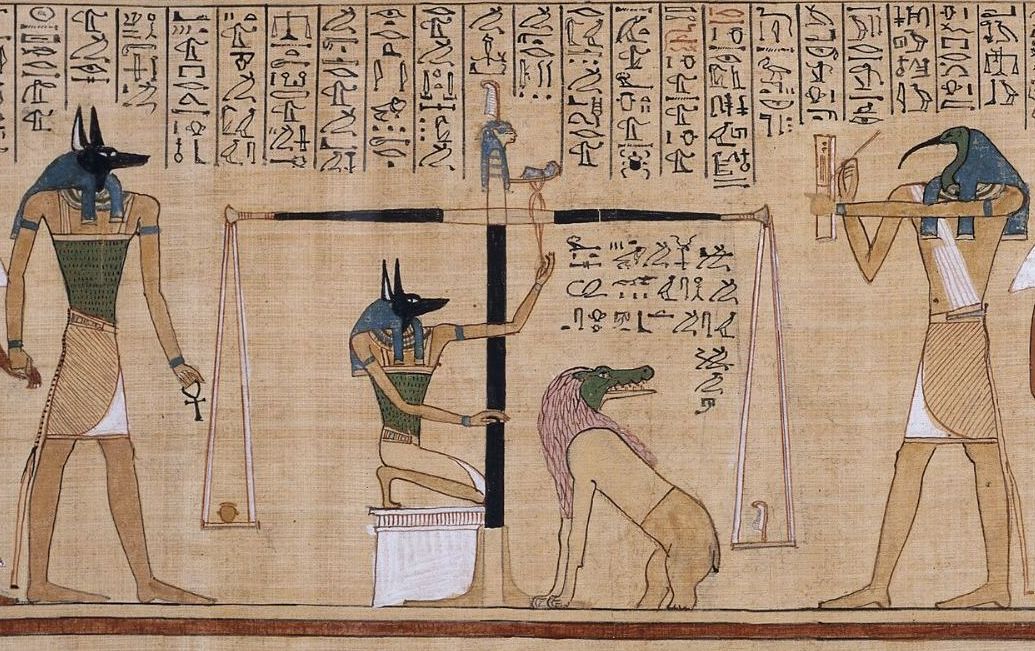 🇪🇬 EgyptAncient Egyptian afterlife beliefs
A system of rituals and texts guiding the soul through the underworld to eternal rebirthTradition · Protection · Speaking with spirits and the dead Historical
 🇮🇳 IndiaKaliकाली
A fierce Hindu goddess of time and destruction, worshipped as a protective mother.Being · Protection · Cursing and harm Living
 🇪🇬 Egypt and 2 moreIsisꜣst (Egyptian)
Egyptian goddess of magic, mourning and kingship, mother of HorusBeing · Protection · Healing Historical
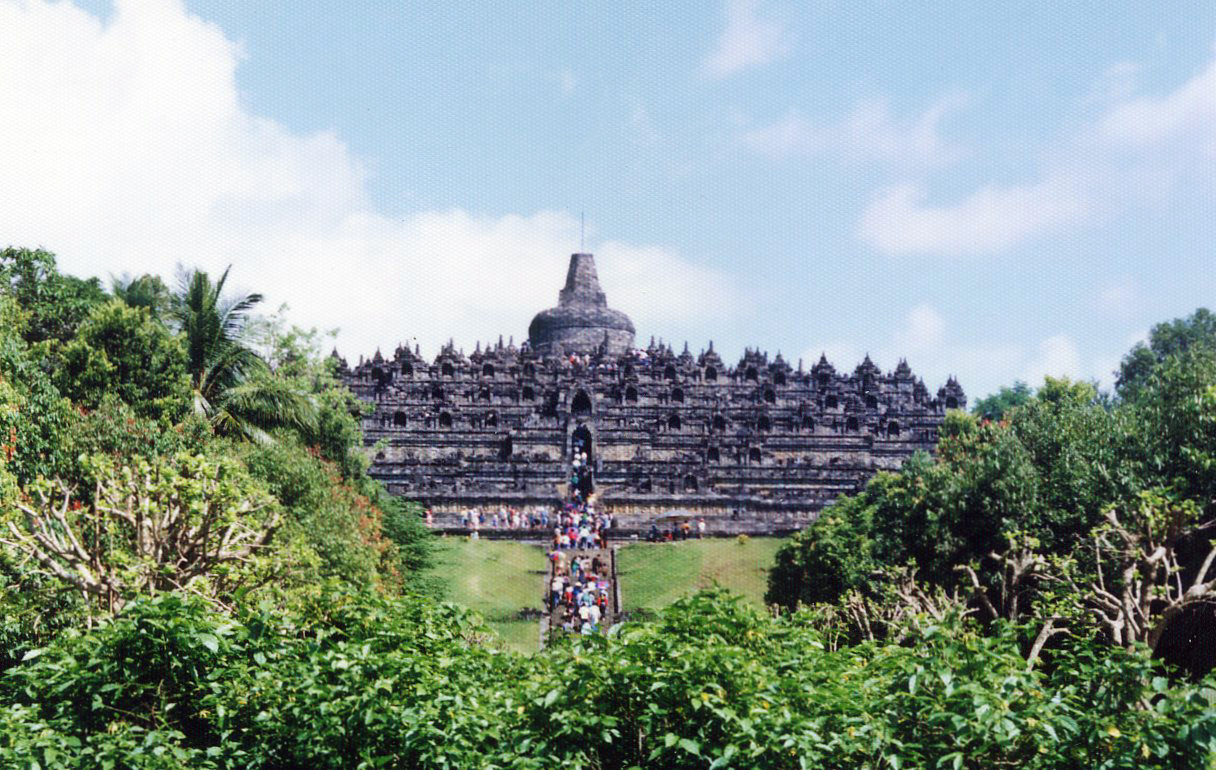 🇮🇩 Indonesia and 4 moreKejawènꦏꦗꦮꦺꦤ꧀ (Kajawèn)
A Javanese tradition blending animism, Hinduism, Buddhism and Islam into a path of inner harmony.Tradition · Protection · Speaking with spirits and the dead Living