Beliefs, omens and superstitions
Luck and unluck, the evil eye, knocking on wood and the small customs people keep without asking why.
Beliefs, omens and superstitions are the small customs people keep without asking why: knocking on wood, salt over the shoulder, avoiding the number thirteen, the evil eye, a black cat crossing the road, a first visitor of the new year. They are found on every continent and are rarely tied to a priest or book. This page looks at where they come from, what the word superstition hides, and why they persist.
What they look like
Beliefs differ by place. The number four is avoided in China, Japan and Korea because it sounds like the word for death, while thirteen is avoided in much of the West. In India, a sneeze before leaving home may delay a journey, and a lemon and chillies are hung over a shop. The evil eye is feared under many names: nazar, mal de ojo, ayin hara. First-footing at new year in Scotland is said to bring luck to a house.
Whose word is superstition
The word superstition has a history. Roman writers used it for religion they disliked, and Christian writers for forbidden practice. Today it often means someone else's belief. Many religions regard some of their own customs as faith and others as superstition, and where the line falls depends on the speaker. Using the word can mark a speaker as modern and a neighbour as backward. Tests of common superstitions show that people who hold them are not less educated or less rational than others, and many hold them lightly.
Why people keep them
Psychologists find that superstition rises with uncertainty and stakes, which is why athletes, sailors, students and gamblers are known for them. Anthropologist Bronislaw Malinowski observed in the 1920s that Trobriand fishermen used rites in dangerous deep-sea fishing and not in safe lagoon fishing. Most people who follow small customs say they do so partly in jest and partly just in case. Similar customs turn up in places that have never met each other, which suggests that people everywhere respond to risk in similar ways.
When belief causes harm
Most superstitions are harmless. Some are not: beliefs about witchcraft have led to killings in parts of Africa, India and Papua New Guinea, and beliefs about albinism have led to attacks in Tanzania and Malawi. Others cost people money, as when a fee is demanded to lift a bad omen. Education, law and trusted community leaders have all been part of reducing harm. Campaigns by health workers, teachers and community radio have been effective where they listen first and explain later.
Belief on EveryJaadu
The entries written up so far, best known first.
 🇮🇳 IndiaIndrajalaइन्द्रजाल
A Sanskrit term for illusion and conjuring, linking stage magic to Hindu philosophy.Belief · Wonder and entertainment · Cursing and harm Historical
🇫🇮 FinlandVäki
A supernatural power in Finnish mythology found in nature and objectsBelief · Cursing and harm · Healing Historical
 🇷🇺 Russia and 1 moreUnclean forceнечисть
A Slavic term for evil spirits and the undead that inhabit the natural worldBelief · Cursing and harm Historical
 🇩🇪 Germany and 3 moreDrude
A Germanic nightmare spirit and the pentagram charm used to keep it outBeing · Cursing and harm · Protection Historical
 🇧🇷 BrazilThe Hairy LegPerna cabeluda
A Brazilian urban legend of a detached leg that attacks people at nightFigure · Cursing and harm · Wonder and entertainment Historical
🇯🇵 JapanAkisutozenekoあきすとぜねこ
A Shōwa-era Japanese game that turns lovers' names into a predicted relationship outcomeBelief · Love and attraction Historical
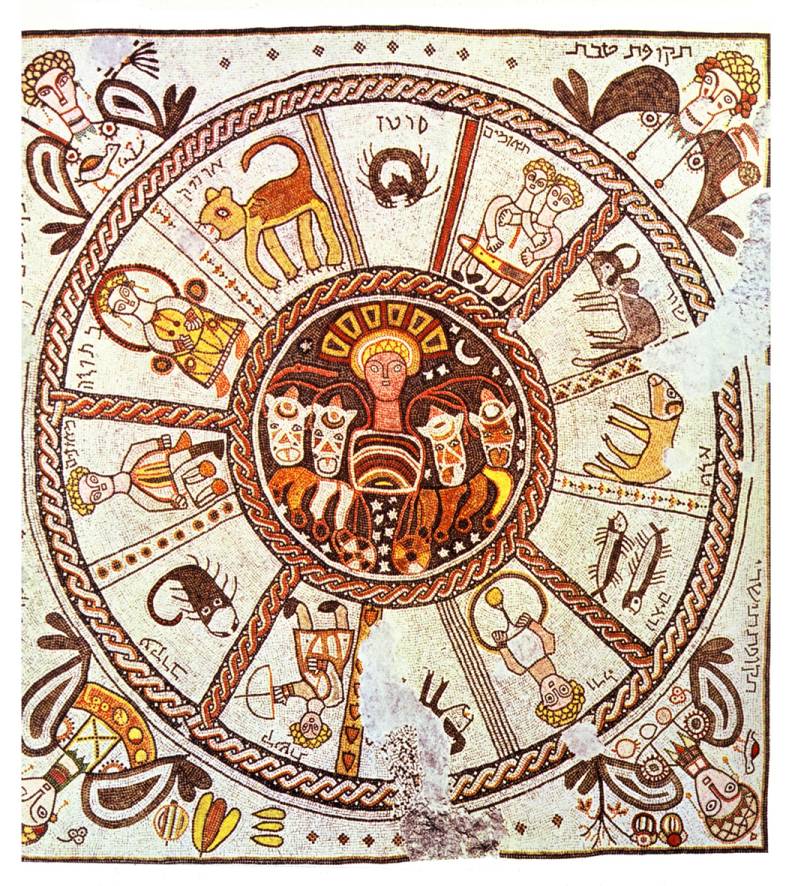 🇮🇱 IsraelJewish astrologyמַזָּלוֹת (mazzālôt)
A belief system within Judaism that celestial bodies influence earthly affairs and human destiny.Belief · Seeing and foretelling · Power and authority Historical
 🇮🇳 India and 3 moreAstrology
A divinatory practice that links celestial positions to human affairs and earthly eventsTradition · Seeing and foretelling · Luck and prosperity Historical
 🇺🇸 United States and 1 moreCurse of 1940
A superstition explaining a long championship drought for the New York RangersBelief · Luck and prosperity Historical
🇮🇷 IranʿIlm al-Ḥurūfعِلْم الْحُرُوف
A system of Arabic numerology that assigns numerical values to letters to reveal hidden meanings in the Quran.Belief · Seeing and foretelling Historical
 🇬🇷 GreeceWitchcraft in ancient Greece and Rome
Ancient beliefs and practices of magic, curses, and love charms in the Mediterranean worldTradition · Cursing and harm · Love and attraction Historical
🇮🇹 Italy and 1 moreKollyra curse tablet
An ancient Greek tablet cursing a thief to suffocation until stolen goods are returned.Text · Protection · Cursing and harm Historical
🇰🇷 South KoreaDongti동티
Divine punishment in Korean mythology, often manifesting as sudden illness or death.Belief · Cursing and harm Historical
🇯🇵 JapanTanukitsuki狸憑き (たぬきつき)
A Japanese folk belief where a tanuki spirit possesses a human, causing illness and strange behavior.Belief · Cursing and harm Historical
 🇪🇬 Egypt and 1 moreUraeusjꜥrt
An ancient Egyptian rearing cobra emblem of royal power and divine protectionCharm · Protection · Power and authority Historical
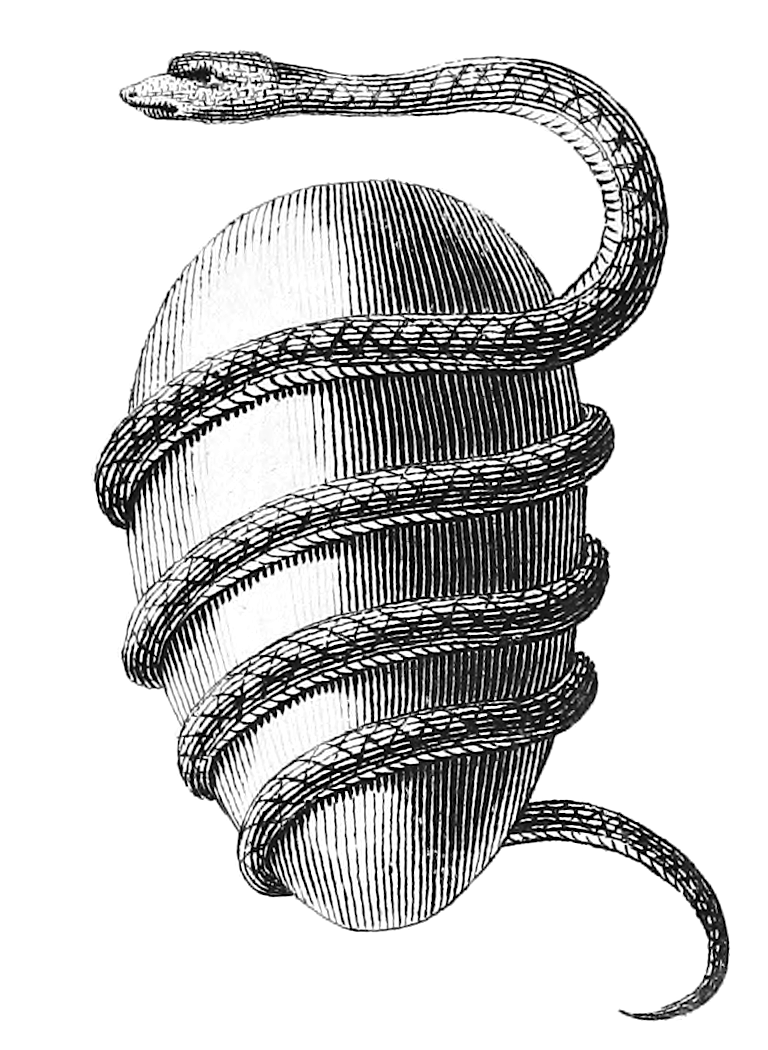 🇧🇫 Burkina Faso and 5 moreCosmic egg
A mythological motif where the universe or a creator emerges from a primordial egg.Belief · Wonder and entertainment Historical
🇫🇮 Finland and 1 moreHiisi
A Finnic spirit of sacred places that evolved into a demonic giant in folkloreBeing · Cursing and harm · Power and authority Historical
 🇷🇸 Serbia and 5 moreWolves in folklore, religion and mythology
A global survey of how cultures view the wolf as symbol, spirit or threatBelief · Power and authority · Cursing and harm Historical
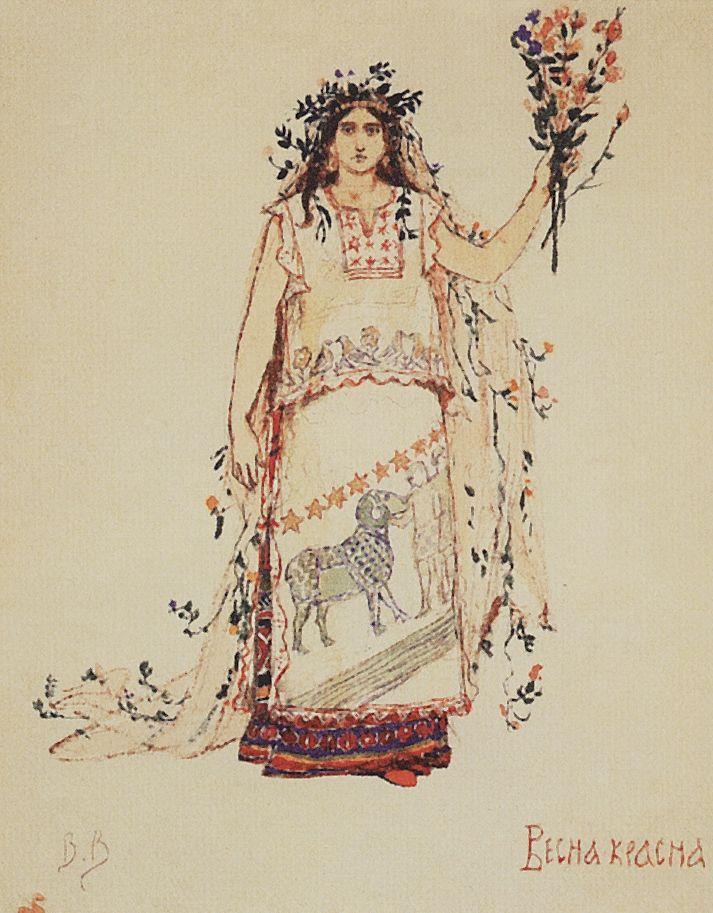 🇸🇮 Slovenia and 5 moreVesnaВесна
A Slavic personification of spring and youth, known in myth and languageFigure · Luck and prosperity Historical
 🇯🇵 Japan and 4 moreHousehold deity
A spirit or minor god believed to guard a home and its family members.Being · Protection · Speaking with spirits and the dead Historical
 🇷🇴 Romania and 2 moreStrixστρίξ
A classical bird of ill omen that evolved into a term for witches and vampires across Europe.Being · Cursing and harm · Luck and prosperity Historical
 🇬🇧 United KingdomEnfield poltergeist
A disputed 1970s case of alleged supernatural activity in a London homeBelief Historical
 🇯🇵 JapanAosaginohi青鷺火
A Japanese will-o'-the-wisp attributed to the glowing flight of herons at nightBelief · Wonder and entertainment Historical
 🇮🇪 Ireland and 4 moreFairy Queen
A female ruler of fairies found in folklore, literature, and witchcraft trials across Europe.Figure · Power and authority Historical
🇷🇺 Russia and 4 moreFiery serpentsогненный змей
A pan-Slavic spirit of fire and wind, seen as a demon or a household helperBeing · Cursing and harm · Luck and prosperity Historical
 🇬🇷 GreeceGelloΓελλώ
A Greek demon of infancy and a class of beings blamed for infant death.Being · Cursing and harm · Protection Historical
 🇺🇸 United States and 1 moreWhite House Ghost
A spirit said to walk the White House and former Illinois homes of the sixteenth president.Belief Historical
🇺🇸 United StatesGreenbrier Ghost
A West Virginia murder case where a mother claimed her daughter's spirit revealed the truth.Belief · Cursing and harm Historical
 🇮🇹 ItalyScrofa semilanuta
A legendary sow seen in a dream that became the ancient emblem of Milan.Figure · Wonder and entertainment · Seeing and foretelling Historical
 🇫🇷 France and 1 moreDusios
A Gaulish spirit type later classified as an incubus demon by early Christian writersBeing · Cursing and harm · Power and authority Historical
 🇯🇵 JapanSakabashira逆柱
A reversed wooden pillar in Japanese folk belief, said to cause misfortune or ward off disasterBelief · Protection · Cursing and harm Historical
🇫🇮 Finland and 1 moreKyöpelinvuori
A Finnish mountain where dead women are said to gather after deathBelief Historical
 🇱🇹 Lithuania and 2 moreEglė the Queen of SerpentsEglė žalčių karalienė
A Lithuanian folk tale about a woman who marries a serpent king and turns her family into trees.Figure · Wonder and entertainment Historical
 🇮🇸 Iceland and 3 moreDeal with the Devil
A cultural trope of trading one's soul for worldly favours in exchange for demonic aidBelief · Power and authority · Cursing and harm Historical
🇺🇸 United States and 1 moreRemote viewing
A claimed psychic ability to perceive distant targets without using the sensesBelief · Seeing and foretelling Historical
 🇫🇷 France and 1 moreGold of Tolosa
A legendary treasure hoard seized by Rome and lost to historyBelief · Luck and prosperity Historical
 🇸🇪 Sweden and 4 moreSun cross
A cross inside a circle found in prehistoric art and modern political symbolsBelief · Power and authority Historical
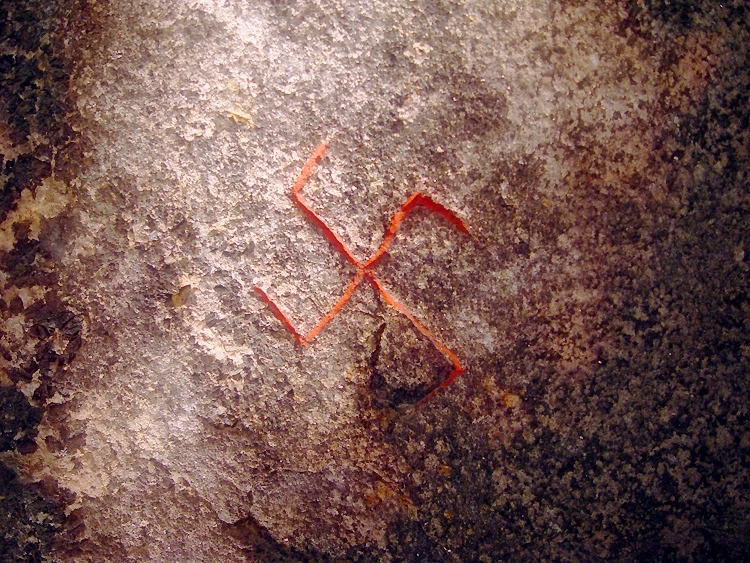 🇸🇪 Sweden and 4 moreSwastika (Germanic Iron Age)
A four-armed symbol found on Germanic artefacts from the Migration to Viking periods.Belief · Power and authority Historical
🇵🇭 Philippines and 3 moreMy Way killings
Fatal disputes in the Philippines sparked by singing Frank Sinatra's song at karaoke barsBelief · Cursing and harm Historical
🇫🇷 FranceMagonia
A cloud realm of aerial sailors blamed for hail and stolen grain in medieval EuropeBelief · Cursing and harm · Luck and prosperity Historical
🇬🇧 United KingdomCross-correspondences
Scripts from separate mediums, read together as messages from the deadBelief · Speaking with spirits and the dead Historical
 🇬🇧 United KingdomWitchcraft in early modern Walesdewiniaeth
A historical look at the rare witch trials and executions in Wales from the 1500s to the 1700sBelief · Cursing and harm · Protection Historical
🇬🇧 United KingdomCain bairns
A Scottish folk belief that witches took children as a tax to the DevilBelief Historical
 🇸🇪 SwedenNumbers in Germanic paganism
The sacred role of three and nine in ancient Germanic ritual and mythBelief · Power and authority Historical
 🇬🇷 GreeceMusica universalis
The idea that the planets move in musical proportions, silent to the earBelief Historical
🇷🇸 Serbia and 3 moreBožićБожић
A Slavic figure linked to the new year and spring, whose name now marks ChristmasFigure · Luck and prosperity · Wonder and entertainment Historical
 🇵🇱 PolandFrankenstein town gravediggers scandal
A 1606 witchcraft trial in Silesia that may have inspired Mary Shelley's novelBelief · Cursing and harm Historical
 🇫🇷 FranceLou DrapéLo drapet
A legendary white horse from southern France that abducts wandering children.Figure · Cursing and harm · Protection Historical
Photo credits on this page
The small pictures above come from Wikimedia Commons under free licences. Some are cropped to fit.
- Enfield poltergeist: Mx. Granger, CC0, source
- Strix: Prosthetic Head, CC BY-SA 4.0, source
- Wolves in folklore, religion and mythology: Unknown author, CC0, source
- Unclean force: Unknown author, Public domain, source
- Dusios: Eric Hunt, CC BY-SA 2.5, source
- White House Ghost: Alexander Gardner, Public domain, source
- Sakabashira: Unknown author, Public domain, source
- Curse of 1940: Trophy: Unknown Photo: Alexey Chernyadyev Derivative work: J . delanoy, CC BY 3.0, source
- Frankenstein town gravediggers scandal: Jacek Halicki, CC BY-SA 3.0 pl, source
- Fairy Queen: Henry Fuseli, Public domain, source
- Gello: Filippino Lippi, Public domain, source
- Eglė the Queen of Serpents: Huw, CC BY 2.0, source
- Deal with the Devil: Christoph, Public domain, source
- Gold of Tolosa: AchilleT, Public domain, source
- Sun cross: National Museum of Denmark, CC BY-SA 3.0, source
- Swastika (Germanic Iron Age): No machine-readable author provided. Bloodofox~commonswiki assumed (ba, Public domain, source
- Witchcraft in early modern Wales: Joan Blaeu / Joan Blaeu, Public domain, source
- Numbers in Germanic paganism: Sendelbach ( talk ), CC BY-SA 3.0, source
- Musica universalis: Ebenezer Sibly [1], Public domain, source
- Lou Drapé: Morburre, CC BY-SA 3.0, source
- Witchcraft in ancient Greece and Rome: Wilhelm Tischbein, Public domain, source
- Jewish astrology: Talmoryair, Public domain, source
- Astrology: Wilfredor, CC0, source
- Indrajala: Abishekrl15156, CC BY-SA 4.0, source
- Aosaginohi: Koikawa Harumachi ja:恋川春町 (1744-1789), Public domain, source
- The Hairy Leg: Diógenes Montenegro, Public domain, source
- Uraeus: Bjørn Christian Tørrissen, CC BY-SA 3.0, source
- Scrofa semilanuta: M.casanova, CC BY-SA 4.0, source
- Drude: Ramessos, Public domain, source
- Household deity: Claus Ableiter, CC BY-SA 3.0, source
- Cosmic egg: James Basire, 1730–1802 (engraver), Public domain, source
- Vesna: Viktor Vasnetsov, Public domain, source