Beliefs, omens and superstitions
Luck and unluck, the evil eye, knocking on wood and the small customs people keep without asking why.
Beliefs, omens and superstitions are the small customs people keep without asking why: knocking on wood, salt over the shoulder, avoiding the number thirteen, the evil eye, a black cat crossing the road, a first visitor of the new year. They are found on every continent and are rarely tied to a priest or book. This page looks at where they come from, what the word superstition hides, and why they persist.
What they look like
Beliefs differ by place. The number four is avoided in China, Japan and Korea because it sounds like the word for death, while thirteen is avoided in much of the West. In India, a sneeze before leaving home may delay a journey, and a lemon and chillies are hung over a shop. The evil eye is feared under many names: nazar, mal de ojo, ayin hara. First-footing at new year in Scotland is said to bring luck to a house.
Whose word is superstition
The word superstition has a history. Roman writers used it for religion they disliked, and Christian writers for forbidden practice. Today it often means someone else's belief. Many religions regard some of their own customs as faith and others as superstition, and where the line falls depends on the speaker. Using the word can mark a speaker as modern and a neighbour as backward. Tests of common superstitions show that people who hold them are not less educated or less rational than others, and many hold them lightly.
Why people keep them
Psychologists find that superstition rises with uncertainty and stakes, which is why athletes, sailors, students and gamblers are known for them. Anthropologist Bronislaw Malinowski observed in the 1920s that Trobriand fishermen used rites in dangerous deep-sea fishing and not in safe lagoon fishing. Most people who follow small customs say they do so partly in jest and partly just in case. Similar customs turn up in places that have never met each other, which suggests that people everywhere respond to risk in similar ways.
When belief causes harm
Most superstitions are harmless. Some are not: beliefs about witchcraft have led to killings in parts of Africa, India and Papua New Guinea, and beliefs about albinism have led to attacks in Tanzania and Malawi. Others cost people money, as when a fee is demanded to lift a bad omen. Education, law and trusted community leaders have all been part of reducing harm. Campaigns by health workers, teachers and community radio have been effective where they listen first and explain later.
Belief on EveryJaadu
The entries written up so far, best known first.
 🇸🇾 Syria and 5 moreBaetyl
A sacred stone, often a meteorite, believed to house a deity in ancient Near Eastern and Mediterranean traditionsBelief · Speaking with spirits and the dead · Power and authority Historical
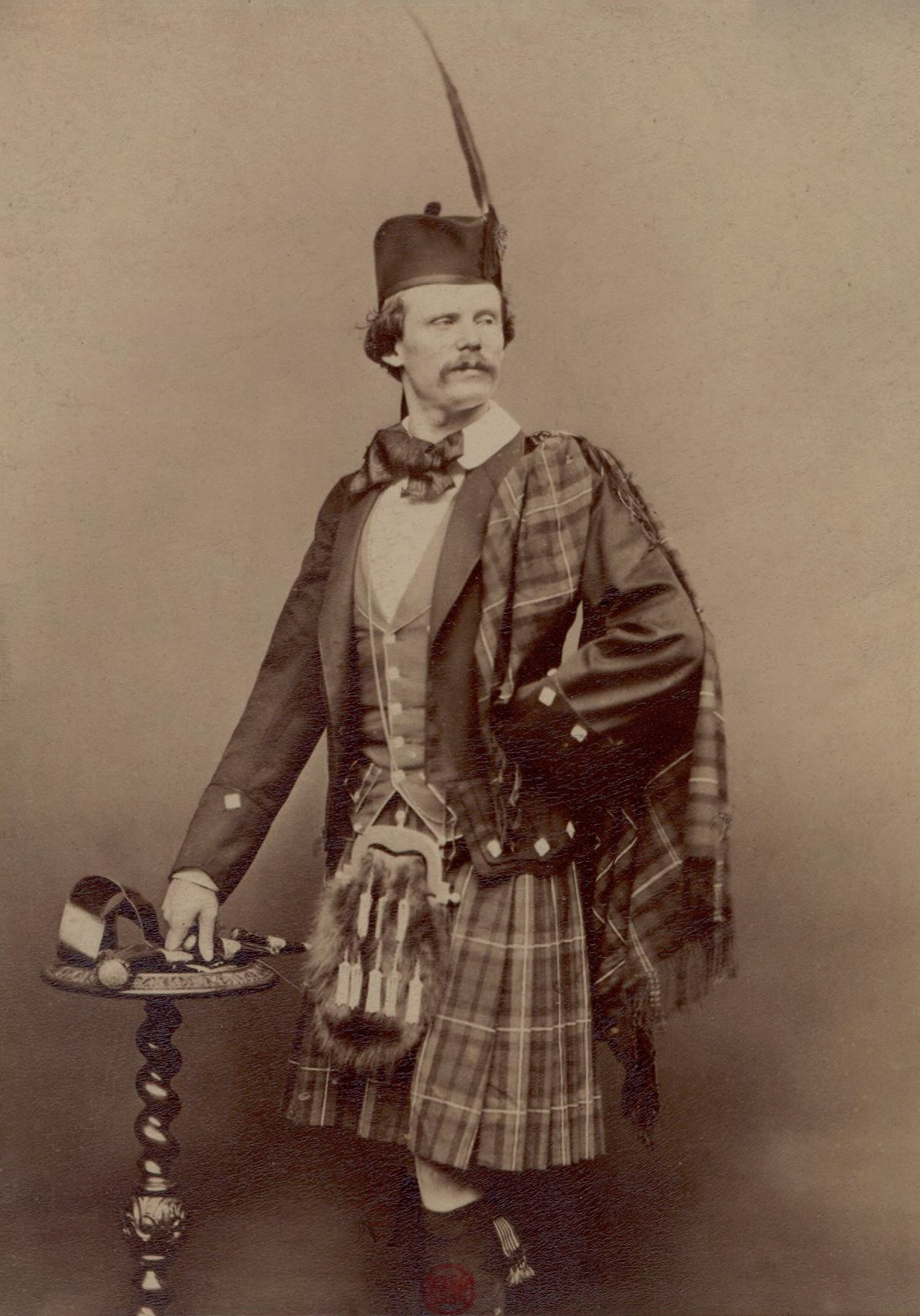 🇬🇧 United Kingdom and 2 moreDaniel Dunglas Home
A Scottish physical medium known for levitation and spirit communication during the Victorian era.Belief · Speaking with spirits and the dead · Wonder and entertainment Historical
 🇬🇷 GreeceOmphalosὀμφαλός
A sacred stone marking the center of the world in Greek myth and oracle practiceCharm · Speaking with spirits and the dead · Power and authority Historical
 🇬🇷 GreeceEleusinian MysteriesἘλευσίνια Μυστήρια
Ancient Greek secret initiation rites honouring Demeter and Persephone at EleusisTradition · Change and initiation · Speaking with spirits and the dead Historical
 🇬🇧 United Kingdom and 5 moreConcealed shoes
Shoes hidden in building structures as folk charms for protection and fertilityCharm · Protection · Speaking with spirits and the dead Historical
 🇪🇪 Estonia and 1 moreEstonian mythologyeesti mütoloogia
The pre-Christian beliefs and legends of the Estonian peopleTradition · Protection · Speaking with spirits and the dead Historical
 🇪🇸 SpainSorginak
Mythical beings and historical figures associated with Basque witchcraft and the goddess Mari.Figure · Speaking with spirits and the dead · Cursing and harm Historical
 🇪🇬 Egypt and 1 moreAncient Egyptian religion
Polytheistic worship, divine kingship, and funerary rites along the NileTradition · Protection · Speaking with spirits and the dead Historical
🇯🇵 JapanKitsunetsuki狐憑き
A Japanese folk belief in which a fox spirit enters and controls a human host.Belief · Cursing and harm · Speaking with spirits and the dead Historical
 🇪🇪 Estonia and 5 moreSoul dualism
A belief that a person possesses two or more distinct kinds of souls.Belief · Healing · Speaking with spirits and the dead Historical
 🇯🇵 Japan and 4 moreHousehold deity
A spirit or minor god believed to guard a home and its family members.Being · Protection · Speaking with spirits and the dead Historical
 🇮🇳 India and 1 moreAstral body
A subtle vehicle of emotion and dream said to travel beyond the physical formBelief · Speaking with spirits and the dead · Change and initiation Historical
 🇩🇿 AlgeriaTassili Mushroom Figure
Neolithic cave art in Algeria interpreted by some as depicting psychedelic mushroom use.Belief · Speaking with spirits and the dead · Wonder and entertainment Historical
🇮🇹 ItalyDoñas de fuera
Sicilian fairies said to carry chosen women by night to a field at BeneventoBeing · Speaking with spirits and the dead · Luck and prosperity Historical
🇬🇧 United KingdomCross-correspondences
Scripts from separate mediums, read together as messages from the deadBelief · Speaking with spirits and the dead Historical
 🇺🇸 United States21 grams experiment
A 1907 attempt to weigh the soul at death, and the 21 grams idea it left behindBelief · Speaking with spirits and the dead Historical
 🇫🇷 France and 4 moreEctoplasm
A substance said to be excreted by mediums during séances, later exposed as common household materials.Substance · Speaking with spirits and the dead Historical
 🇬🇷 GreeceDaimonδαίμων
A Greek spirit or divine force that mediates between gods and humansBeing · Protection · Speaking with spirits and the dead Historical
 🇯🇵 JapanGoryō御霊
A Japanese belief in appeasing vengeful spirits through Shinto shrinesBelief · Protection · Speaking with spirits and the dead Historical
🇮🇳 IndiaKeśin
A Vedic hymn describing long-haired ascetics who travel on the wind and share a cup with Rudra.Tradition · Power and authority · Wonder and entertainment Historical
🇨🇭 SwitzerlandSegen
A German term for blessing, charm, or spell rooted in Christian and folk traditions.Belief · Protection · Speaking with spirits and the dead Historical
🇮🇱 Israel and 2 moreBiblical numerology
A system of interpreting numbers in sacred texts as carrying symbolic meaning beyond their mathematical valueBelief · Speaking with spirits and the dead Historical
 🇬🇷 GreeceNympholepsy
An ancient Greek belief in being possessed by nymphs, later redefined as a wild passion.Belief · Speaking with spirits and the dead Historical
 🇮🇷 Iran and 5 moreAxis mundi
A concept describing a central point connecting the earthly and heavenly realms.Belief · Speaking with spirits and the dead · Power and authority Historical
🇷🇴 RomaniaTanacu exorcism
A 2005 Romanian Orthodox ritual that ended in a nun's death and a murder convictionRite · Speaking with spirits and the dead · Cursing and harm Historical
 🇫🇷 FranceLoudun possessionsaffaire des possédées de Loudun
A 17th-century witchcraft trial in France involving alleged demonic possession by Ursuline nuns.Belief · Cursing and harm · Speaking with spirits and the dead Historical
 🇮🇳 IndiaAbhijñāअभिज्ञा
A set of special insights and powers in Buddhist meditation.Belief · Speaking with spirits and the dead · Change and initiation Historical
Photo credits on this page
The small pictures above come from Wikimedia Commons under free licences. Some are cropped to fit.
- Nympholepsy: Jebulon, CC0, source
- Ancient Egyptian religion: Moh hakem, CC BY-SA 4.0, source
- Daimon: François-André Vincent, Public domain, source
- Omphalos: Unknown author, Public domain, source
- Eleusinian Mysteries: No machine-readable author provided. Marsyas assumed (based on copyrig, Public domain, source
- Mediumship: Harvey Metcalfe, Public domain, source
- Estonian mythology: Jeannette Berkowitz (illustrator), Public domain, source
- Goryō: Tsukioka Yoshitoshi (1839–1892), Public domain, source
- Soul dualism: 尹真人, Public domain, source
- Household deity: Claus Ableiter, CC BY-SA 3.0, source
- Sorginak: Errazking, CC BY-SA 4.0, source
- Axis mundi: Unknown author, Public domain, source
- Concealed shoes: Edmund Patrick, CC BY-SA 3.0, source
- Daniel Dunglas Home: Nadar, Public domain, source
- Loudun possessions: Unknown author, Public domain, source
- Abhijñā: Gryffindor, Public domain, source
- Astral body: Rad el Baluvar, CC BY-SA 3.0, source
- Tassili Mushroom Figure: I redrawn the rock art written by ancient people., Public domain, source
- 21 grams experiment: Anonymous Unknown author, Public domain, source
- Baetyl: Jusepe de Ribera, Public domain, source