Beliefs, omens and superstitions
Luck and unluck, the evil eye, knocking on wood and the small customs people keep without asking why.
Beliefs, omens and superstitions are the small customs people keep without asking why: knocking on wood, salt over the shoulder, avoiding the number thirteen, the evil eye, a black cat crossing the road, a first visitor of the new year. They are found on every continent and are rarely tied to a priest or book. This page looks at where they come from, what the word superstition hides, and why they persist.
What they look like
Beliefs differ by place. The number four is avoided in China, Japan and Korea because it sounds like the word for death, while thirteen is avoided in much of the West. In India, a sneeze before leaving home may delay a journey, and a lemon and chillies are hung over a shop. The evil eye is feared under many names: nazar, mal de ojo, ayin hara. First-footing at new year in Scotland is said to bring luck to a house.
Whose word is superstition
The word superstition has a history. Roman writers used it for religion they disliked, and Christian writers for forbidden practice. Today it often means someone else's belief. Many religions regard some of their own customs as faith and others as superstition, and where the line falls depends on the speaker. Using the word can mark a speaker as modern and a neighbour as backward. Tests of common superstitions show that people who hold them are not less educated or less rational than others, and many hold them lightly.
Why people keep them
Psychologists find that superstition rises with uncertainty and stakes, which is why athletes, sailors, students and gamblers are known for them. Anthropologist Bronislaw Malinowski observed in the 1920s that Trobriand fishermen used rites in dangerous deep-sea fishing and not in safe lagoon fishing. Most people who follow small customs say they do so partly in jest and partly just in case. Similar customs turn up in places that have never met each other, which suggests that people everywhere respond to risk in similar ways.
When belief causes harm
Most superstitions are harmless. Some are not: beliefs about witchcraft have led to killings in parts of Africa, India and Papua New Guinea, and beliefs about albinism have led to attacks in Tanzania and Malawi. Others cost people money, as when a fee is demanded to lift a bad omen. Education, law and trusted community leaders have all been part of reducing harm. Campaigns by health workers, teachers and community radio have been effective where they listen first and explain later.
Belief on EveryJaadu
The entries written up so far, best known first.
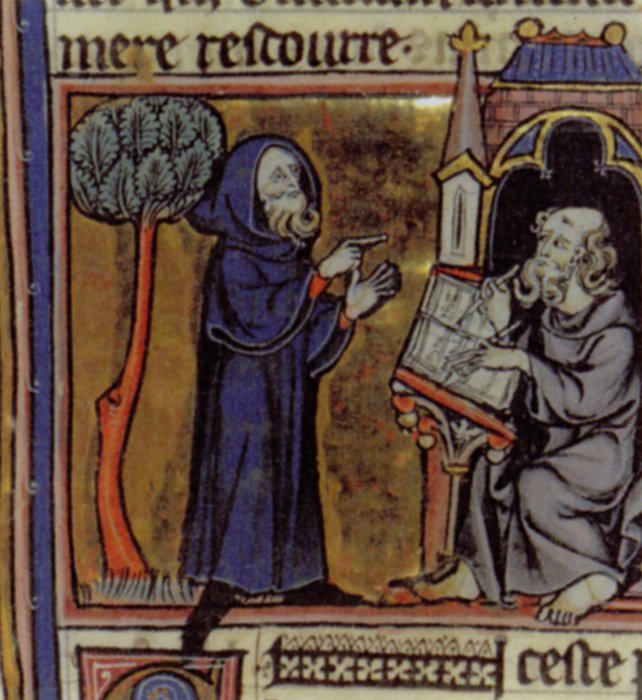 🇮🇹 Italy and 1 moreMedieval European magic
A broad category of ritual and natural practices in the Middle Ages, blending healing, divination, and religious belief.Tradition · Healing · Seeing and foretelling Historical
 🇬🇧 United Kingdom and 5 moreConcealed shoes
Shoes hidden in building structures as folk charms for protection and fertilityCharm · Protection · Speaking with spirits and the dead Historical
 🇪🇬 Egypt and 1 moreAncient Egyptian religion
Polytheistic worship, divine kingship, and funerary rites along the NileTradition · Protection · Speaking with spirits and the dead Historical
🇧🇷 BrazilMacumba
A term for Afro-Brazilian spiritual practices, often carrying negative connotations of sorceryBelief · Healing · Luck and prosperity Historical
 🇪🇬 EgyptDjedḏd
An ancient Egyptian pillar symbol representing stability and resurrectionCharm · Protection · Power and authority Historical
 🇯🇵 Japan and 1 moreHyakumonogatari Kaidankai百物語怪談会
An Edo period Japanese parlour game of telling ghost stories while extinguishing candlesTradition · Cursing and harm · Wonder and entertainment Historical
 🇷🇺 Russia and 1 moreCaul
A birth membrane kept as a talisman for luck and protection from drowningCharm · Protection · Luck and prosperity Historical
 🇯🇵 JapanCurse of the Colonelカーネルサンダースの呪い
A Japanese sports superstition blaming a baseball team's losses on an offended fast-food mascot.Belief · Luck and prosperity Historical
 🇺🇸 United StatesCurse of the Bambino
A sports superstition linking a long championship drought to a player saleBelief · Luck and prosperity Historical
🇭🇺 HungaryCurse of TuranTuráni átok
A Hungarian belief that a historic spell causes national misfortune and personal despairBelief · Cursing and harm Historical
 🇩🇪 Germany and 3 moreDrude
A Germanic nightmare spirit and the pentagram charm used to keep it outBeing · Cursing and harm · Protection Historical
 🇧🇷 BrazilThe Hairy LegPerna cabeluda
A Brazilian urban legend of a detached leg that attacks people at nightFigure · Cursing and harm · Wonder and entertainment Historical
🇯🇵 JapanAkisutozenekoあきすとぜねこ
A Shōwa-era Japanese game that turns lovers' names into a predicted relationship outcomeBelief · Love and attraction Historical
🇮🇹 Italy and 1 moreKollyra curse tablet
An ancient Greek tablet cursing a thief to suffocation until stolen goods are returned.Text · Protection · Cursing and harm Historical
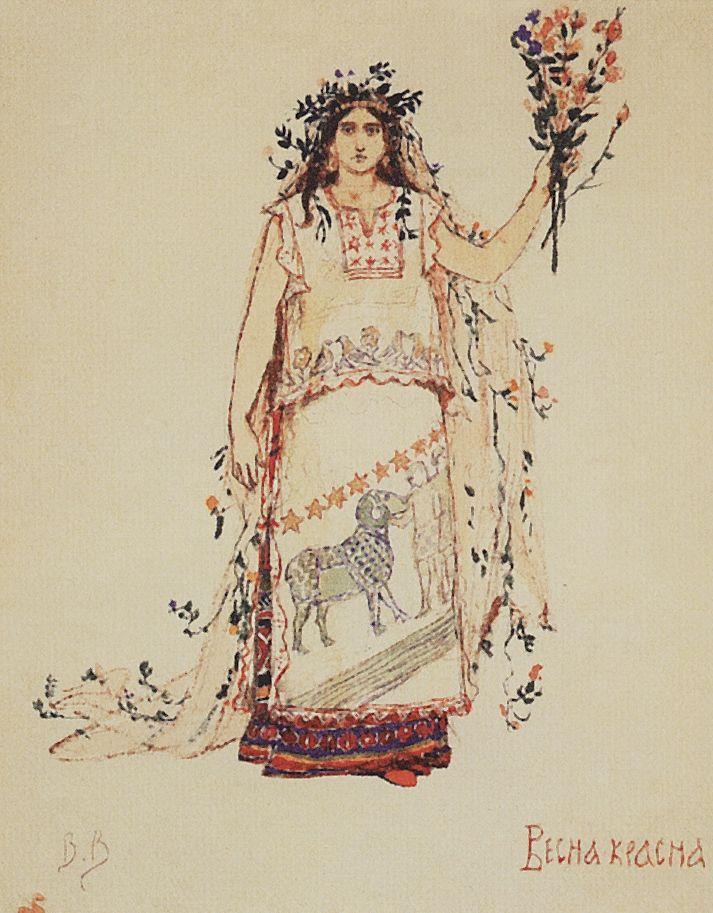 🇸🇮 Slovenia and 5 moreVesnaВесна
A Slavic personification of spring and youth, known in myth and languageFigure · Luck and prosperity Historical
 🇯🇵 Japan and 4 moreHousehold deity
A spirit or minor god believed to guard a home and its family members.Being · Protection · Speaking with spirits and the dead Historical
🇷🇺 Russia and 4 moreFiery serpentsогненный змей
A pan-Slavic spirit of fire and wind, seen as a demon or a household helperBeing · Cursing and harm · Luck and prosperity Historical
 🇬🇷 GreeceGelloΓελλώ
A Greek demon of infancy and a class of beings blamed for infant death.Being · Cursing and harm · Protection Historical
 🇯🇵 JapanSakabashira逆柱
A reversed wooden pillar in Japanese folk belief, said to cause misfortune or ward off disasterBelief · Protection · Cursing and harm Historical
 🇫🇷 FranceLou DrapéLo drapet
A legendary white horse from southern France that abducts wandering children.Figure · Cursing and harm · Protection Historical
🇬🇧 United KingdomFairy ridingmarcachd shìth
A Scottish Gaelic term for livestock paralysis, blamed on fairies riding the beastsBelief · Cursing and harm Historical
 🇮🇹 ItalyTredesin de Mars
A Milanese spring celebration marked by a flower fair and a legendary stoneTradition · Luck and prosperity · Wonder and entertainment Historical
 🇯🇵 Japan and 1 moreChain letterFukou no Tegami
A message that demands copying and forwarding to avoid bad luck or gain fortuneBelief · Luck and prosperity · Cursing and harm Historical
 🇳🇿 New Zealand and 4 moreFeather cloak
A garment of feathers worn by royalty and gods across cultures to signal rank or enable flightCharm · Power and authority · Wonder and entertainment Historical
🇫🇷 FranceTempestarii
Medieval figures accused of controlling storms and the beliefs surrounding them.Belief · Cursing and harm · Protection Historical
🇮🇹 ItalyDoñas de fuera
Sicilian fairies said to carry chosen women by night to a field at BeneventoBeing · Speaking with spirits and the dead · Luck and prosperity Historical
🇯🇵 JapanShiranui不知火
Atmospheric ghost lights of the Yatsushiro and Ariake Seas in JapanBelief · Wonder and entertainment · Luck and prosperity Historical
 🇬🇧 United KingdomChained Oak
A Staffordshire oak bound in chains by a local legend of a curse and an earl.Belief · Cursing and harm Historical
 🇺🇸 United StatesNew England vampire panic
A folk response to tuberculosis involving the exhumation and burning of organsBelief · Protection · Healing Historical
🇷🇺 Russia and 1 moreThree on a match
A wartime taboo against three people lighting cigarettes from one flameBelief · Cursing and harm Historical
 🇮🇹 ItalyFascinusfascinum
A Roman phallus image and charm, kept to turn away envyBeing · Protection · Luck and prosperity Historical
 🇬🇧 United KingdomTeinddeachamh
A Scottish tithe for clergy and a fairy tribute to the devilTradition · Power and authority Historical
🇺🇸 United StatesJewett City vampires
A 19th-century New England family's belief in undead plague and their violent response to it.Belief · Protection Historical
 🇮🇪 Ireland and 3 moreFairy path
An invisible route used by fairies, often straight and connecting sacred sitesBelief · Cursing and harm · Protection Historical
 🇯🇵 JapanGoryō御霊
A Japanese belief in appeasing vengeful spirits through Shinto shrinesBelief · Protection · Speaking with spirits and the dead Historical
🇮🇶 IraqHufaidhحفيظ
A legendary island said to dwell in the southern Iraqi marshesBelief · Wonder and entertainment Historical
 🇵🇹 Portugal and 5 moreWilgefortisVilgeforte
A bearded female martyr folk saint known for relieving women from unwanted marriages and tribulationsFigure · Protection · Cursing and harm Historical
🇯🇵 JapanNarigama鳴釜
A Japanese yōkai and Shinto divination ritual based on the sound of a heated pot.Figure · Seeing and foretelling · Luck and prosperity Historical
🇨🇭 SwitzerlandSegen
A German term for blessing, charm, or spell rooted in Christian and folk traditions.Belief · Protection · Speaking with spirits and the dead Historical
 🇪🇬 Egypt and 5 moreWorship of heavenly bodies
Veneration of stars, planets, and the sky as divine forces or deitiesTradition · Protection · Power and authority Historical
 🇯🇵 Japan and 5 moreSmallpox demon疱瘡神 (Hōsōgami)
A spirit blamed for smallpox in medieval Japan and the rituals used to appease itBeing · Protection · Cursing and harm Historical
🇺🇸 United StatesCurse of Rocky Colavito
A baseball superstition linking a 1960 player trade to decades of team failureBelief · Luck and prosperity Historical
🇳🇴 NorwayTycho Brahe daysTycho Brahes-dage
Scandinavian folklore dates believed to be unlucky for magic and businessBelief · Luck and prosperity Historical
🇬🇳 Guinea and 2 moreTaboo on rulers
Restrictions placed on kings and priests to manage fear and hostilityBelief · Protection Historical
 🇬🇷 GreeceNympholepsy
An ancient Greek belief in being possessed by nymphs, later redefined as a wild passion.Belief · Speaking with spirits and the dead Historical
🇺🇸 United StatesStamping
A childhood gesture believed to capture luck from specific animals or objectsBelief · Luck and prosperity Historical
 🇵🇭 PhilippinesLimokon
An omen bird of Philippine mythology that guides travelers and warriors through its calls.Belief · Seeing and foretelling Historical
Photo credits on this page
The small pictures above come from Wikimedia Commons under free licences. Some are cropped to fit.
- Nympholepsy: Jebulon, CC0, source
- Chained Oak: Gary Rogers, CC BY-SA 2.0, source
- New England vampire panic: no credited author, Public domain, source
- Hyakumonogatari Kaidankai: Katsushika Hokusai, Public domain, source
- Philippine mythology: The original uploader was Rodsan18 at English Wikipedia . ( Original t, CC BY 2.5, source
- Caul: JC Brand, CC BY-SA 4.0, source
- Fascinus: Vassil, Public domain, source
- Teind: Palickap, CC BY-SA 4.0, source
- Sakabashira: Unknown author, Public domain, source
- The Hairy Leg: Diógenes Montenegro, Public domain, source
- Fairy path: Aviddoghug at English Wikipedia ( Original text: David Gough ), Public domain, source
- Goryō: Tsukioka Yoshitoshi (1839–1892), Public domain, source
- Wilgefortis: Hieronymus Bosch, Public domain, source
- Worship of heavenly bodies: Jean-Pierre Dalbéra, CC BY 2.0, source
- Smallpox demon: 佐賀県立図書館, CC0, source
- Gello: Filippino Lippi, Public domain, source
- Household deity: Claus Ableiter, CC BY-SA 3.0, source
- Medieval European magic: Unknown author, Public domain, source
- Concealed shoes: Edmund Patrick, CC BY-SA 3.0, source
- Ancient Egyptian religion: Moh hakem, CC BY-SA 4.0, source
- Lou Drapé: Morburre, CC BY-SA 3.0, source
- Curse of the Bambino: National Photo Company, Public domain, source
- Curse of the Colonel: Ogiyoshisan, CC BY-SA 3.0, source
- Drude: Ramessos, Public domain, source
- Tredesin de Mars: A ntv, Public domain, source
- Vesna: Viktor Vasnetsov, Public domain, source
- Chain letter: Alpha, CC BY-SA 2.0, source
- Feather cloak: Lusanaherandraton, CC BY-SA 4.0, source
- Djed: Anonymous ( Egypt ) Unknown author, Public domain, source