Beliefs, omens and superstitions
Luck and unluck, the evil eye, knocking on wood and the small customs people keep without asking why.
Beliefs, omens and superstitions are the small customs people keep without asking why: knocking on wood, salt over the shoulder, avoiding the number thirteen, the evil eye, a black cat crossing the road, a first visitor of the new year. They are found on every continent and are rarely tied to a priest or book. This page looks at where they come from, what the word superstition hides, and why they persist.
What they look like
Beliefs differ by place. The number four is avoided in China, Japan and Korea because it sounds like the word for death, while thirteen is avoided in much of the West. In India, a sneeze before leaving home may delay a journey, and a lemon and chillies are hung over a shop. The evil eye is feared under many names: nazar, mal de ojo, ayin hara. First-footing at new year in Scotland is said to bring luck to a house.
Whose word is superstition
The word superstition has a history. Roman writers used it for religion they disliked, and Christian writers for forbidden practice. Today it often means someone else's belief. Many religions regard some of their own customs as faith and others as superstition, and where the line falls depends on the speaker. Using the word can mark a speaker as modern and a neighbour as backward. Tests of common superstitions show that people who hold them are not less educated or less rational than others, and many hold them lightly.
Why people keep them
Psychologists find that superstition rises with uncertainty and stakes, which is why athletes, sailors, students and gamblers are known for them. Anthropologist Bronislaw Malinowski observed in the 1920s that Trobriand fishermen used rites in dangerous deep-sea fishing and not in safe lagoon fishing. Most people who follow small customs say they do so partly in jest and partly just in case. Similar customs turn up in places that have never met each other, which suggests that people everywhere respond to risk in similar ways.
When belief causes harm
Most superstitions are harmless. Some are not: beliefs about witchcraft have led to killings in parts of Africa, India and Papua New Guinea, and beliefs about albinism have led to attacks in Tanzania and Malawi. Others cost people money, as when a fee is demanded to lift a bad omen. Education, law and trusted community leaders have all been part of reducing harm. Campaigns by health workers, teachers and community radio have been effective where they listen first and explain later.
Belief on EveryJaadu
The entries written up so far, best known first.
 🇮🇶 Iraq and 4 moreAstrology
A system of divination that links human affairs to the positions of celestial bodiesTradition · Seeing and foretelling · Luck and prosperity Living
 🇹🇷 Turkey and 5 moreEvil eye
A curse caused by an envious look and the charms used to block itBelief · Protection · Cursing and harm Living
 🇯🇵 JapanKitsunebi狐火
Atmospheric ghost lights of Japan linked to fox spirits and folk omensBelief · Seeing and foretelling · Luck and prosperity Historical
 🇵🇹 Portugal and 5 moreCocoCoca
A monster used to frighten children into obedience across the Iberian world and Latin America.Figure · Cursing and harm · Binding and oaths Living
 🇮🇳 India and 5 morePretaप्रेत
A suffering spirit of Indian and Asian belief, often called a hungry ghostBeing · Speaking with spirits and the dead · Change and initiation Living
 🇮🇳 India and 5 moreKolamகோலம்
A daily geometric floor drawing made with rice flour at the home entrance in South IndiaRite · Protection · Luck and prosperity Living
🇬🇧 United KingdomBarghest
A mythical black dog from Northern England that foretells death and haunts the countryside.Being · Seeing and foretelling · Cursing and harm Legendary
 🇨🇳 China and 5 moreQingming Festival清明节
A spring day for sweeping graves, feeding the dead and honouring ancestorsTradition · Speaking with spirits and the dead · Protection Living
 🇺🇸 United States and 4 moreRainmaking
Efforts to induce rain through technology, ritual, or prayer.Tradition · Protection · Healing Living
 🇨🇳 China and 2 moreOnomancy
Divination based on the letters, numbers, or written strokes of a person's nameOracle · Seeing and foretelling · Luck and prosperity Living
🇬🇧 United KingdomSt Mark's Eve
An English folk custom to witness omens of death and future marriage on the eve of a saint's feast dayRite · Seeing and foretelling · Cursing and harm Historical
 🇮🇪 Ireland and 5 moreFairy ring
A natural ring of mushrooms surrounded by folklore about dancing spirits and witches.Belief · Wonder and entertainment Living
 🇨🇳 China and 2 moreDiyu地獄
The underworld realm of trial, atonement, and rebirth in Chinese mythologyBelief · Cleansing and purification · Change and initiation Living
 🇮🇹 Italy and 5 moreFig sign
A hand gesture used to ward off the evil eye or as an insult in many culturesBelief · Protection · Cursing and harm Living
🇿🇦 South Africa and 5 moreMurder for body parts
The killing of people to harvest body parts for traditional medicine or the illegal organ tradeBelief · Cursing and harm · Power and authority Living
 🇷🇴 Romania and 5 moreVampire folklore
Global legends of blood-drinking spirits and undead revenantsBelief · Cursing and harm · Protection Historical
 🇨🇳 China and 1 moreYue Lao月下老人
The Chinese deity of marriage who binds destined couples with red cordsBeing · Love and attraction · Binding and oaths Legendary
 🇷🇺 Russia and 1 moreCaul
A birth membrane kept as a talisman for luck and protection from drowningCharm · Protection · Luck and prosperity Historical
🇨🇳 ChinaGu蛊 / 蠱
A venom-based poison and black magic practice from south ChinaSubstance · Cursing and harm · Love and attraction Historical
🇯🇵 JapanYutaユタ
Okinawan folk shamans who guide families through spirits and fortune-tellingTradition · Protection · Healing Living
 🇨🇳 China and 2 moreNaming taboo避諱
A cultural rule against speaking or writing the names of rulers and ancestorsBelief · Protection Living
 🇮🇳 India and 1 moreNazar battuनज़र बट्टू / نظر بٹو
A charm or deliberate flaw used in South Asia to ward off the evil eye.Charm · Protection Living
 🇪🇸 Spain and 6 moreBurning of Judas
An Easter rite where an effigy of the betrayer is destroyed by fire or other meansRite · Cursing and harm · Cleansing and purification Living
 🇨🇳 China and 2 moreMenshen門神
Guardian figures pasted to doors in Chinese folk religion to protect homes from evil.Belief · Protection · Luck and prosperity Living
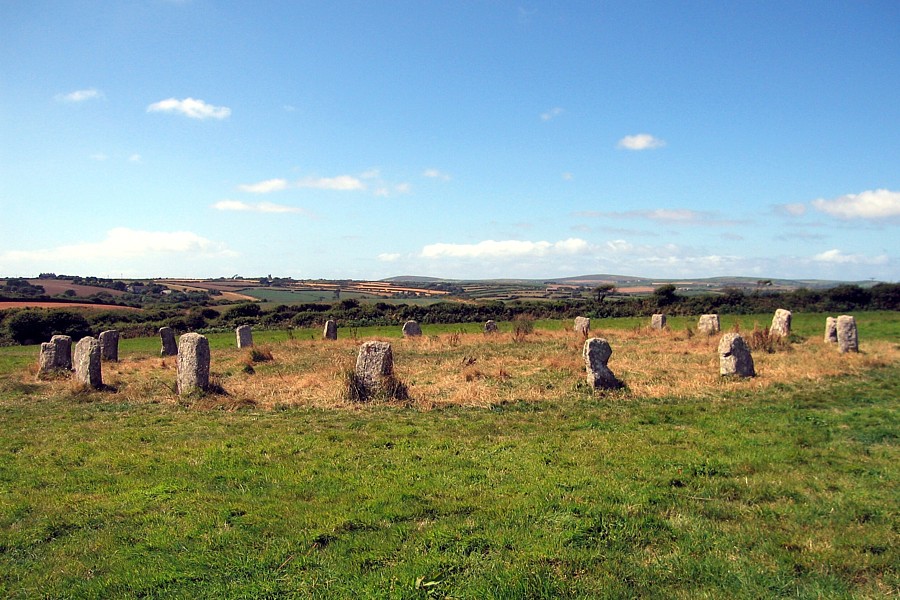 🇬🇧 United KingdomCornish mythology
The folk tales and legends of Cornwall, shared with Brittany and Wales.Tradition · Wonder and entertainment Historical
 🇪🇬 Egypt and 1 moreAncient Egyptian religion
Polytheistic worship, divine kingship, and funerary rites along the NileTradition · Protection · Speaking with spirits and the dead Historical
 🇮🇪 Ireland and 4 moreWinter solstice
The shortest day and longest night of the year, marked by rites of solar returnTradition · Seeing and foretelling · Protection Living
 🇿🇦 South Africa and 4 moreWitch doctor
A traditional healer who identifies supernatural causes of illness and performs rituals to restore balance.Tradition · Healing · Protection Living
 🇯🇵 Japan and 2 moreTanabataたなばた (七夕)
A Japanese celebration of star-crossed lovers and written wishesTradition · Luck and prosperity · Wonder and entertainment Living
🇮🇪 IrelandFetch
A spectral double whose appearance signals death or long lifeBeing · Seeing and foretelling Historical
 🇺🇸 United States and 5 moreFriday the 13th
A Western superstition that a specific calendar combination brings misfortuneBelief · Cursing and harm Living
 🇧🇷 Brazil and 5 moreWhite Lady
A female ghost in white clothing linked to tragedy and omens across many culturesFigure · Cursing and harm · Seeing and foretelling Legendary
 🇬🇷 Greece and 5 moreNecromancy
A form of divination that seeks to speak with the dead for hidden knowledge.Tradition · Seeing and foretelling · Power and authority Historical
 🇬🇧 United Kingdom and 7 moreSaint Andrew's Day
A Christian feast day marked by national holidays in Scotland and Romania, and folk divination across Europe.Rite · Seeing and foretelling · Luck and prosperity Living
 🇸🇪 Sweden and 3 moreSilver bullet
A projectile of silver said to pierce supernatural armor, and a metaphor for a simple fix.Charm · Cursing and harm · Luck and prosperity Historical
 🇮🇳 India and 5 moreSnake worship
Veneration of serpents as divine or ancestral beings across global culturesTradition · Protection · Healing Living
 🇸🇪 Sweden and 2 moreGermanic seeressvǫlva
Diviners and sorceresses of early Germanic and Norse societyTradition · Seeing and foretelling · Power and authority Revived
 🇮🇪 Ireland and 1 moreBrigid's crossCros Bhríde
A woven straw charm hung for protection, named after Ireland's patron saintCharm · Protection · Luck and prosperity Living
 🇮🇪 Ireland and 3 moreChangeling
A substitute left by supernatural beings in place of a stolen human child or adultBeing · Cursing and harm · Luck and prosperity Legendary
 🇯🇵 Japan and 1 moreHyakumonogatari Kaidankai百物語怪談会
An Edo period Japanese parlour game of telling ghost stories while extinguishing candlesTradition · Cursing and harm · Wonder and entertainment Historical
 🇨🇳 China and 5 moreSky lantern天燈
A paper hot air balloon lifted by flame to carry wishes and blessingsRite · Luck and prosperity · Protection Living
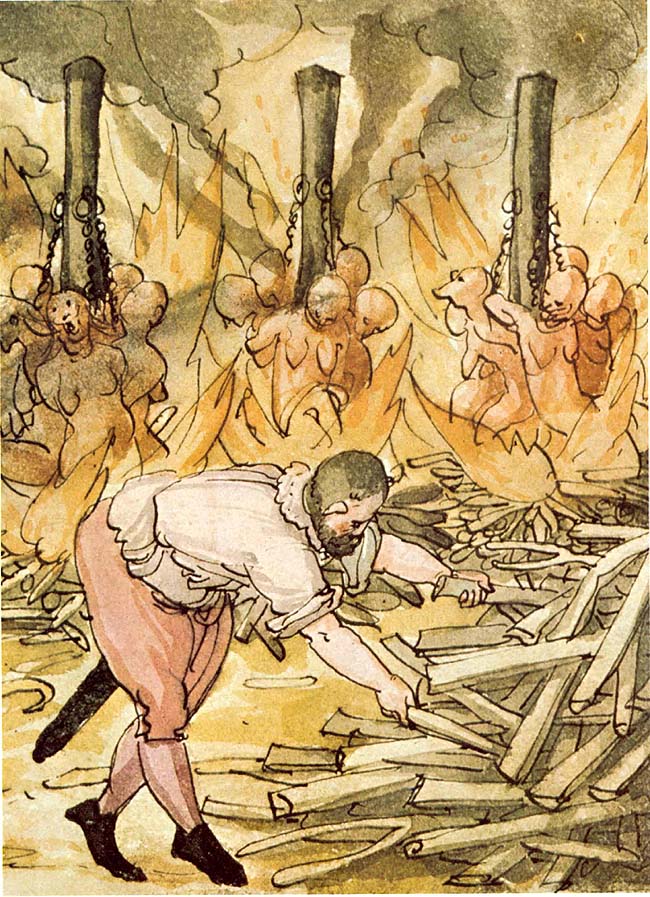 🇸🇦 Saudi Arabia and 5 moreWitch hunt
A campaign to find and punish people accused of using magic for harmBelief · Cursing and harm Historical
 🇺🇸 United States and 5 moreSatanic panic
A moral panic of unsubstantiated claims about occult child abuse that spread globally in the late twentieth centuryBelief · Cursing and harm Historical
🇮🇹 Italy and 1 moreAradia
A figure of Italian folklore and modern pagan witchcraft, seen as a teacher of magic and liberation.Figure · Cursing and harm · Power and authority Revived
🇬🇧 United Kingdom and 1 moreScottish folkloreBeul-aithris na h-Alba
The myths, creatures and beliefs of the Scottish people, recorded from ancient times to the present.Tradition · Seeing and foretelling · Protection Living
 🇮🇪 Ireland and 4 moreFour-leaf clover
A rare plant mutation believed to bring good luck and used as a symbol of fortune.Charm · Luck and prosperity Living
🇯🇵 JapanKuda-gitsune管狐 (kuda-gitsune)
A small spirit kept in a tube or sleeve, used by Japanese folk practitioners for divination and cursing.Being · Seeing and foretelling · Cursing and harm Legendary
 🇨🇴 ColombiaColombian folklore
Beliefs and legends passed down through generations in ColombiaTradition · Wonder and entertainment Living
Photo credits on this page
The small pictures above come from Wikimedia Commons under free licences. Some are cropped to fit.
- Burning of Judas: Unknown author, Public domain, source
- Tanabata: Laika ac, CC BY-SA 2.0, source
- Vampire folklore: Dick Thomas Johnson, CC BY 2.0, source
- Necromancy: Unknown author, CC BY 4.0, source
- Silver bullet: Smithsonian Institution, CC0, source
- Germanic seeress: Emil Doepler, Public domain, source
- Changeling: Henry Fuseli, Public domain, source
- Nazar battu: Wiki-uk, CC BY-SA 3.0, source
- Ancient Egyptian religion: Moh hakem, CC BY-SA 4.0, source
- Winter solstice: Image by Przemyslaw " Blueshade " Idzkiewicz, CC BY-SA 2.0, source
- Witch doctor: Lucjan Wędrychowski, Public domain, source
- Saint Andrew's Day: Henryk Siemiradzki, Public domain, source
- Snake worship: Alexandermcnabb, CC BY-SA 4.0, source
- Brigid's cross: Culnacreann, CC BY 3.0, source
- Sky lantern: Richy, CC BY-SA 3.0, source
- Witch hunt: Johann Jakob Wick, Public domain, source
- Four-leaf clover: Phyzome under the GFDL., CC BY-SA 3.0, source
- Colombian folklore: Unknown author, Public domain, source
- Qingming Festival: Jacklee ., CC BY-SA 3.0, source
- Yue Lao: 仔仔好帥, CC BY-SA 4.0, source
- Caul: JC Brand, CC BY-SA 4.0, source
- Astrology: Wilfredor, CC0, source
- Satanic panic: Hartmann Schedel (1440-1514), Public domain, source
- Naming taboo: Haruno Akiha, Public domain, source
- Friday the 13th: Leonardo da Vinci, Public domain, source
- Menshen: Taiwankengo, CC BY-SA 3.0, source
- Fig sign: Harald the Bard, CC BY-SA 4.0, source
- Diyu: ScribblingGeek, CC BY-SA 4.0, source
- Kolam: mckaysavage, CC BY 2.0, source
- Cornish mythology: waterborough, Public domain, source
- Fairy ring: User:Mrs skippy, Public domain, source
- Rainmaking: George Catlin, Public domain, source
- Onomancy: Unknown author, Public domain, source
- Preta: Temple, Richard Carnac, Sir, Public domain, source
- Kitsunebi: Abasaa, Public domain, source
- White Lady: engraved by Ames of Bristol (according to Fincham, Artists and engrave, Public domain, source
- Hyakumonogatari Kaidankai: Katsushika Hokusai, Public domain, source
- Coco: Francisco de Goya, CC0, source
- Evil eye: FocalPoint, CC BY-SA 3.0, source