
Colombian folklore encompasses the traditional stories, customs, and beliefs of Colombia. It blends Spanish, African, and Indigenous influences into tales of legendary creatures and spirits that appear in festivals and local memory.
- Colombian folklore blends Spanish, African, and Indigenous influences.
- Legendary creatures parade during festivals like the Barranquilla Carnival.
- The Boraro is a grotesque protector of wildlife known to the Tucano people.
- La Tunda is a vampire-like figure popular in Afro-Colombian communities.
- Musicians like Totó la Momposina sing about spirits such as Mohana.
What it is
Colombian folklore refers to the collection of cultural traditions, myths, and customs found throughout Colombia. These stories are shared orally across generations and often feature supernatural beings or events. The narratives blend influences from Spanish colonizers, African descendants, and Indigenous peoples. Many tales involve legendary creatures that interact with the natural world or human society. These figures are part of the collective memory and popular culture in various regions.
Where it comes from
The folklore draws from three main cultural streams: Spanish, African, and Native American. Some stories are unique to specific areas, while others share similarities with other Latin American traditions. The Tucano people have their own versions of certain creatures, such as the Boraro, which differs from Brazilian counterparts. Local histories and environments shape the specific details of each tale.
How it is done
Stories are transmitted orally within communities. They appear in public celebrations like carnivals and parades. Events such as the Barranquilla Carnival and the Cali Fair include processions featuring these mythical figures. In Medellín, parades take place at Pueblito Paisa on Nutibara hill. These performances keep the legends visible in daily life and civic identity.
Colombian folklore, drawn and placed
- Living
- Revived
- Fading
- Historical
- Legendary
- Performed
What it is for
The tales serve to explain natural phenomena, enforce moral codes, or warn against dangers in the wild. Creatures like the Madremonte protect forests from destruction. Others, like the evil chicken, deter hunters from venturing too deep into dangerous woods. Some spirits punish neglectful behavior, as seen with the Candileja. Believers claim encounters with these entities, integrating them into personal experiences.
Who does it
Scholars study these traditions as part of Colombian cultural heritage. No single group performs rituals for most creatures; they exist in narrative form. However, Afro-Colombian communities hold specific stories like La Tunda close to their identity. Musicians, such as Totó la Momposina, incorporate themes of water spirits like Mohana into their work, keeping the stories alive through art.
Peoples and places
The folklore is widespread across Colombia but varies by region. The Pacific coast has strong Afro-Colombian narratives involving La Tunda. The Amazon basin features stories about Pink dolphins linked to water spirits. Rural areas in Magdalena know the Hombre Caiman. The Tucano people in indigenous territories preserve the Boraro myth. Each community adapts the general framework to local geography and history.
At a glance: who, where and when
Who does it
Peoples
Belief worlds
Occasions
What people believe
Many Colombians believe in the existence of these creatures. Some report hearing sounds or seeing shadows associated with them. The Llorona is feared as an omen of death. The Bracamonte is avoided through protective measures like nailing cow skulls to stakes. Spirits like Viruñas represent moral corruption or evil forces. The belief system integrates pre-colonial views of nature with later religious concepts.
When it is done
Festivals provide a stage for these legends. The Desfiles de Mitos y Leyendas occur during major national and local celebrations. St. Sebastian's day is specifically tied to the return of the Hombre Caiman in some rural tales. Other events like the Festival of the Flowers also showcase these cultural icons in parade form.
How scholars and sceptics see it
Researchers view this folklore as a blend of diverse cultural inputs. It reflects the complex history of colonization and migration. Anthropologists note how these stories help define regional identities. The persistence of these tales in modern media and festivals shows their continued relevance in Colombian society.
Compare and confuse
Some creatures resemble those in neighboring countries. The Boraro is a darker version of Brazil's Curupira. The Mohana shares traits with Mami Wata spirits found elsewhere in Africa and the diaspora. The Llorona appears in many Latin American cultures with slight variations in detail.
Today
These legends remain active in Colombian culture. They are featured in tourism promotions, music, and public festivals. Younger generations learn them through school programs and family storytelling. The integration of mythical figures into modern entertainment ensures their survival alongside changing social norms.
Questions people ask about Colombian folklore
What is Colombian folklore?
It is the body of traditional stories, customs, and beliefs originating in Colombia. These narratives blend Spanish, African, and Indigenous elements into tales of legendary creatures and spirits.
Where do these legends come from?
They stem from oral traditions passed down through generations. The stories reflect the mixed heritage of Colombia, incorporating influences from European colonizers, African descendants, and native populations.
Are these stories still told today?
Yes, they remain part of popular culture. Legends appear in national festivals, parades, and music. Many Colombians continue to believe in or reference these mythical figures in daily life.
Good reading and sources
- Colombian folklore on WikipediaEncyclopedia
- More photos on Wikimedia CommonsPhotos and video
- Wikidata recordOpen data
The facts on this page come from the Wikipedia article "Colombian folklore", written by its contributors and used under the CC BY-SA 4.0 licence, and from its Wikidata record (CC0). EveryJaadu rewrote the text in its own words, with AI assistance, and compares every page with the article to make sure no passage is copied. It may be reused under the same CC BY-SA 4.0 licence with a link back.
It may contain mistakes. Names and customs differ from one community to the next, and some knowledge is closed to outsiders and left out here. This page describes belief and practice. It does not say that any of it works, it is not a how-to, and it is not medical advice. If something is wrong, tell us. Last refreshed 2026-10-05.
More from Colombia
All the entries from Colombia 🇵🇪 Peru and 5 morePalo Santo
Aromatic wood used in South American ritual cleansing and folk medicineSubstance · Cleansing and purification · Healing Living
🇵🇪 Peru and 5 morePalo Santo
Aromatic wood used in South American ritual cleansing and folk medicineSubstance · Cleansing and purification · Healing Living
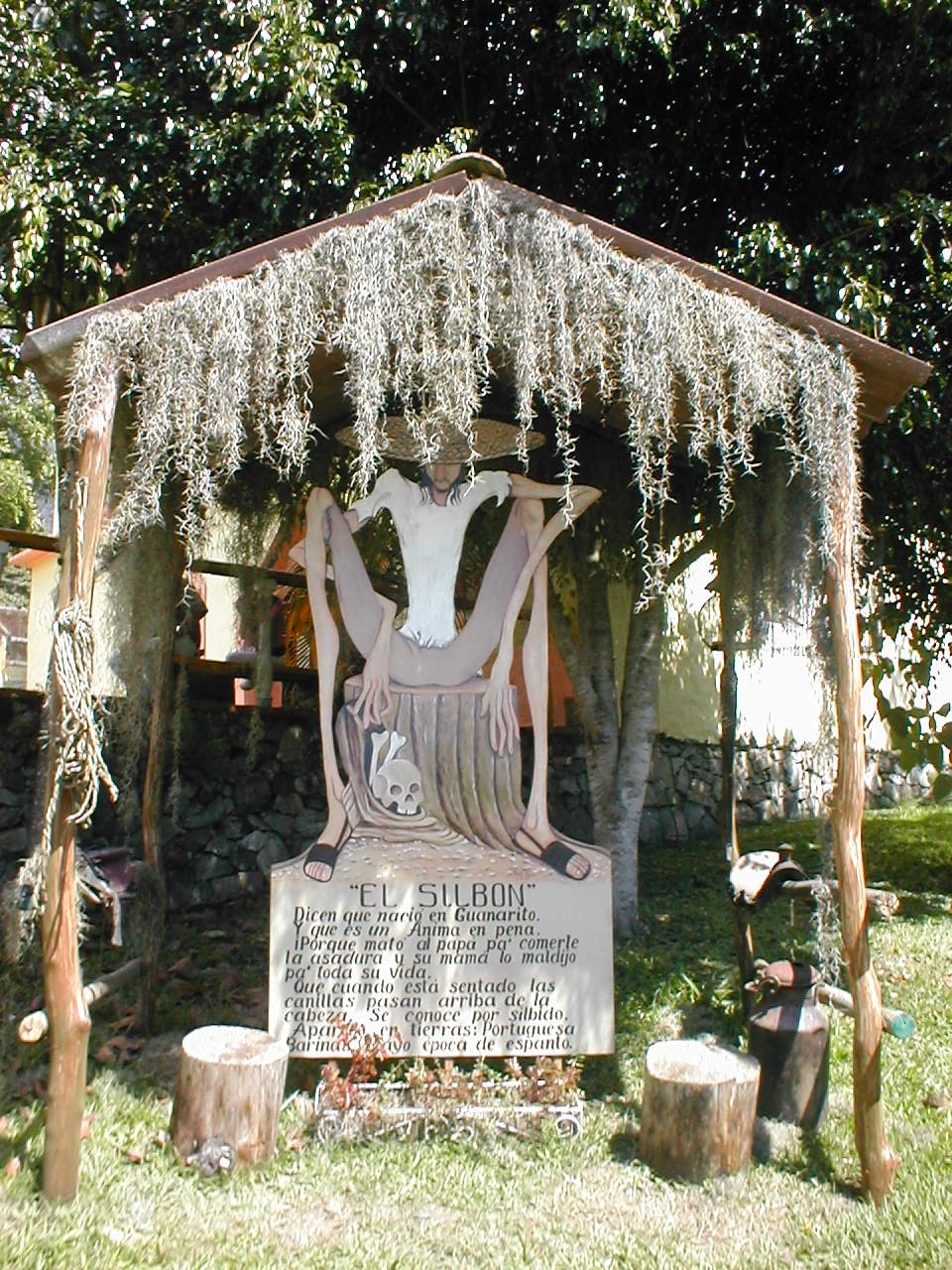 🇻🇪 Venezuela and 1 moreEl Silbón
A Venezuelan and Colombian legend of a cursed spirit who carries his father's bones.Figure · Cursing and harm · Seeing and foretelling Legendary
🇨🇴 Colombia and 1 moreTunda
A shapeshifting entity from the Pacific coast of Colombia and Ecuador that lures people into the forest.Figure · Cursing and harm Legendary
🇻🇪 Venezuela and 1 moreEl Silbón
A Venezuelan and Colombian legend of a cursed spirit who carries his father's bones.Figure · Cursing and harm · Seeing and foretelling Legendary
🇨🇴 Colombia and 1 moreTunda
A shapeshifting entity from the Pacific coast of Colombia and Ecuador that lures people into the forest.Figure · Cursing and harm Legendary
 🇧🇷 Brazil and 2 moreMapinguari
A hairy Amazonian monster with a belly mouth and backwards feetBeing · Cursing and harm Legendary
🇧🇷 Brazil and 2 moreMapinguari
A hairy Amazonian monster with a belly mouth and backwards feetBeing · Cursing and harm Legendary
Related elsewhere
All tradition 🇬🇧 United Kingdom and 2 moreKing ArthurBrenin Arthur
A legendary British king and folk hero of medieval literature and Welsh mythologyFigure · Power and authority · Wonder and entertainment Legendary
🇬🇧 United Kingdom and 2 moreKing ArthurBrenin Arthur
A legendary British king and folk hero of medieval literature and Welsh mythologyFigure · Power and authority · Wonder and entertainment Legendary
 🇪🇬 Egypt and 1 moreSphinx
A mythical hybrid with a human head and lion body, serving as guardian or riddler in Egyptian and Greek traditions.Being · Protection · Wonder and entertainment Legendary
🇪🇬 Egypt and 1 moreSphinx
A mythical hybrid with a human head and lion body, serving as guardian or riddler in Egyptian and Greek traditions.Being · Protection · Wonder and entertainment Legendary
 🇫🇷 France and 5 moreWerewolf
A mythical shapeshifter that turns into a wolf, central to European witch-hunts and Gothic horror.Being · Cursing and harm · Wonder and entertainment Legendary
🇫🇷 France and 5 moreWerewolf
A mythical shapeshifter that turns into a wolf, central to European witch-hunts and Gothic horror.Being · Cursing and harm · Wonder and entertainment Legendary
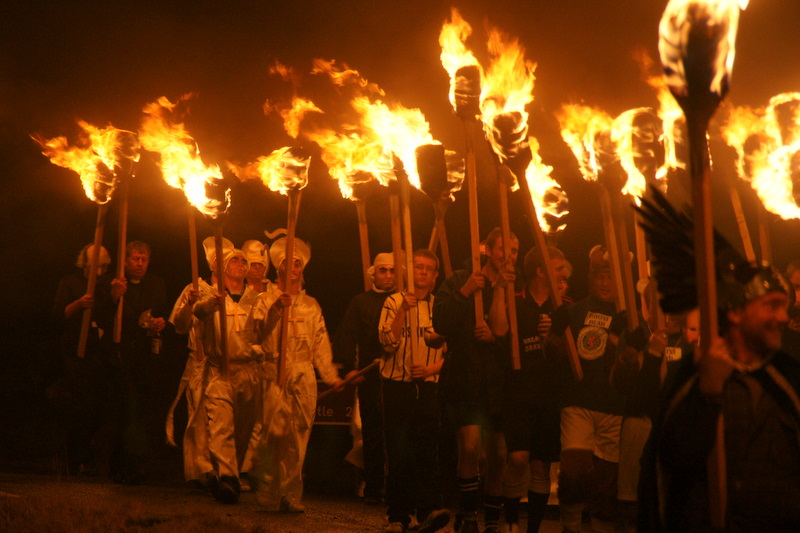 🇬🇧 United KingdomUp Helly Aa
A Shetland fire festival marking the end of Yule with a torchlit procession and burning of a Viking galleyRite · Wonder and entertainment Living
🇬🇧 United KingdomUp Helly Aa
A Shetland fire festival marking the end of Yule with a torchlit procession and burning of a Viking galleyRite · Wonder and entertainment Living