🇺🇸 Magic in the United States
257 entries from the United States, best known first, across 80 places of magic.
Hoodoo is a spiritual system shaped by West and Central African traditions, Indigenous plant knowledge, and European written guides. Practitioners view it as a companion to established faiths rather than a standalone religion. It weaves ancestor reverence, herbal healing, and protective charms into daily life alongside Protestant, Catholic, and Muslim beliefs.
- First English record of the term appeared in eighteen seventy.
- Practitioners mix Kongo star charts with local plant gathering.
- Hidden gatherings used overturned pots to muffle prayer sounds.
- Cemetery soil was packed into cloth bags for ancestral aid.
Overview
This tradition blends African cosmologies with local plant lore and European occult manuals. Enslaved communities merged Kongo star charts, water spirit veneration, and sacred bundles with Native American herb gathering. The practice centers on honoring departed relatives, seeking fairness, and using botanical preparations for wellness and safety. While some researchers classify it as its own faith, most followers treat it as a flexible layer added to Christianity, Islam, or traditional African paths. Neighboring Caribbean and Southern folk systems share similar charm making and spirit communication methods, though each community adapted the techniques to local plants and colonial pressures.
Practices and beliefs
Followers rely on small cloth pouches filled with roots, stones, and cemetery soil to draw ancestral strength. These containers are called mojo bags or gris-gris, a Mande term for protective charms. Specialists offer fortune telling and advice based on observed signs. Water spirits known as Simbi, believed to guard freshwater sources, are asked for guidance near rivers and springs. Herbal teas and ointments prepared from local leaves serve as everyday remedies. Protective symbols are drawn on doorframes or carried in pockets to ward off harm and attract good fortune.
Rites and charms
Gatherings often occur in hidden forest clearings or private rooms to avoid outside attention. Participants move around a central vessel while chanting low voices. Offerings include food and animal remains placed near household thresholds. Anointing rituals involve rubbing prepared oils onto skin or clothing before travel or difficult tasks. Quiet prayers are sometimes whispered beneath overturned clay pots to muffle sound. These customs focus on maintaining balance between the living and those who have passed, ensuring community safety and personal resilience.
Who practises
Specialists use titles such as rootworker or conjure doctor. They typically earn their role through apprenticeship, dream visions, or family lineage rather than formal schooling. Communities seek them out for healing, conflict resolution, and protection against unfair treatment. White and Black patrons alike visited these experts for fortune telling and charm crafting. Their knowledge was viewed as powerful enough to shift social hierarchies, which made them targets for suspicion and legal scrutiny under strict colonial rules.
Regions and communities
Coastal island groups maintained open practice due to relative isolation and preserved older African rhythms. River valley communities operated in tight secrecy because harsh assembly laws forced gatherings underground. Northern cities saw practitioners offer public services to diverse clients across racial lines. Plantation districts relied on discreet home rituals and quiet woodland meetings. Each area adjusted ingredient lists and ritual pacing to match local flora, weather patterns, and the specific pressures imposed by nearby authorities.
The facts in this overview come from the Wikipedia article "Hoodoo (spirituality)", written by its contributors and used under the CC BY-SA 4.0 licence. EveryJaadu rewrote the text in its own words, with AI assistance, and compares every page with the article to make sure no passage is copied. It may be reused under the same CC BY-SA 4.0 licence with a link back.
Places of magic in the United States
 🇺🇸 United StatesFolk healer
An unlicensed community member who provides healing care using local plants and traditional knowledge.Tradition · Healing · Protection Historical
🇺🇸 United StatesFolk healer
An unlicensed community member who provides healing care using local plants and traditional knowledge.Tradition · Healing · Protection Historical
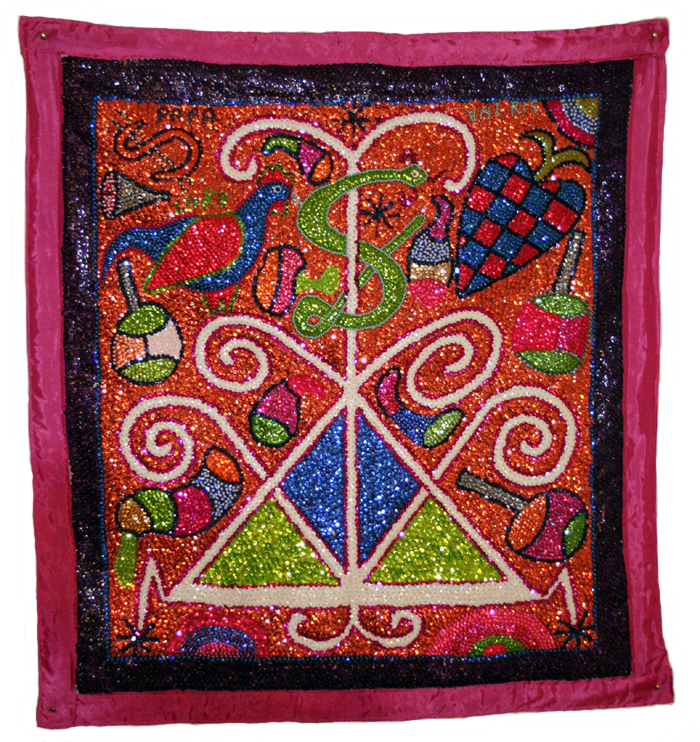 🇭🇹 Haiti and 2 moreHaitian VodouVodou
An Afro-Haitian religion blending West African traditions with Catholicism and FreemasonryTradition · Protection · Healing Living
🇭🇹 Haiti and 2 moreHaitian VodouVodou
An Afro-Haitian religion blending West African traditions with Catholicism and FreemasonryTradition · Protection · Healing Living
 🇭🇹 Haiti and 2 moreManbo
A female priestess in Haitian Vodou who leads rituals and healing workTradition · Healing · Speaking with spirits and the dead Living
🇭🇹 Haiti and 2 moreManbo
A female priestess in Haitian Vodou who leads rituals and healing workTradition · Healing · Speaking with spirits and the dead Living
 🇨🇳 China and 3 moreHmong folk religionKev Dab Qhuas
The ethnic religion of the Miao and Hmong peoples, centered on spirit worship and shamanic healing.Tradition · Healing · Protection Living
🇨🇳 China and 3 moreHmong folk religionKev Dab Qhuas
The ethnic religion of the Miao and Hmong peoples, centered on spirit worship and shamanic healing.Tradition · Healing · Protection Living
 🇨🇺 Cuba and 5 morePalo
An Afro-Cuban religion centered on spirit vessels and ancestral powerTradition · Healing · Cursing and harm Living
🇨🇺 Cuba and 5 morePalo
An Afro-Cuban religion centered on spirit vessels and ancestral powerTradition · Healing · Cursing and harm Living
 🇺🇸 United StatesHawaiian religion
The traditional spiritual practices of the Indigenous people of Hawaiʻi, centered on deities and ancestral guardians.Tradition · Protection · Speaking with spirits and the dead Living
🇺🇸 United StatesHawaiian religion
The traditional spiritual practices of the Indigenous people of Hawaiʻi, centered on deities and ancestral guardians.Tradition · Protection · Speaking with spirits and the dead Living
 🇲🇽 Mexico and 5 moreSanta MuerteNuestra Señora de la Santa Muerte
A female skeletal folk saint in Mexico and the Americas, worshipped for protection, healing, and safe passage.Tradition · Protection · Healing Living
🇺🇸 United StatesBraucherei
A Pennsylvania German folk healing tradition using prayers and gestures to cure illness and remove curses.Tradition · Healing · Protection Fading
🇲🇽 Mexico and 5 moreSanta MuerteNuestra Señora de la Santa Muerte
A female skeletal folk saint in Mexico and the Americas, worshipped for protection, healing, and safe passage.Tradition · Protection · Healing Living
🇺🇸 United StatesBraucherei
A Pennsylvania German folk healing tradition using prayers and gestures to cure illness and remove curses.Tradition · Healing · Protection Fading
 🇺🇸 United States and 3 moreHoodoo
A spiritual tradition of the African diaspora in the American South using herbs and charms for protection and justice.Tradition · Protection · Healing Living
🇺🇸 United States and 3 moreHoodoo
A spiritual tradition of the African diaspora in the American South using herbs and charms for protection and justice.Tradition · Protection · Healing Living
 🇺🇸 United States and 1 moreOjibwe religion
The traditional spiritual practices of the Ojibwe people of North AmericaTradition · Healing · Luck and prosperity Living
🇺🇸 United States and 1 moreOjibwe religion
The traditional spiritual practices of the Ojibwe people of North AmericaTradition · Healing · Luck and prosperity Living
 🇧🇷 Brazil and 5 moreSanto Daime
A Brazilian syncretic religion using ayahuasca for spiritual work and healingTradition · Healing · Speaking with spirits and the dead Living
🇧🇷 Brazil and 5 moreSanto Daime
A Brazilian syncretic religion using ayahuasca for spiritual work and healingTradition · Healing · Speaking with spirits and the dead Living
 🇺🇸 United States and 1 moreMarie Laveau
A New Orleans priestess and herbalist who led Louisiana Voodoo in the nineteenth centuryTradition · Healing · Protection Historical
🇺🇸 United States and 1 moreMarie Laveau
A New Orleans priestess and herbalist who led Louisiana Voodoo in the nineteenth centuryTradition · Healing · Protection Historical
 🇺🇸 United StatesDianic Wicca
A female-only pagan tradition honoring the Goddess and women's experienceTradition · Protection · Healing Living
🇺🇸 United StatesDianic Wicca
A female-only pagan tradition honoring the Goddess and women's experienceTradition · Protection · Healing Living
 🇨🇺 Cuba and 2 moreSanteríaRegla de Ocha
An Afro-Cuban religion blending Yoruba beliefs with Catholicism and SpiritismTradition · Protection · Healing Living
🇨🇺 Cuba and 2 moreSanteríaRegla de Ocha
An Afro-Cuban religion blending Yoruba beliefs with Catholicism and SpiritismTradition · Protection · Healing Living
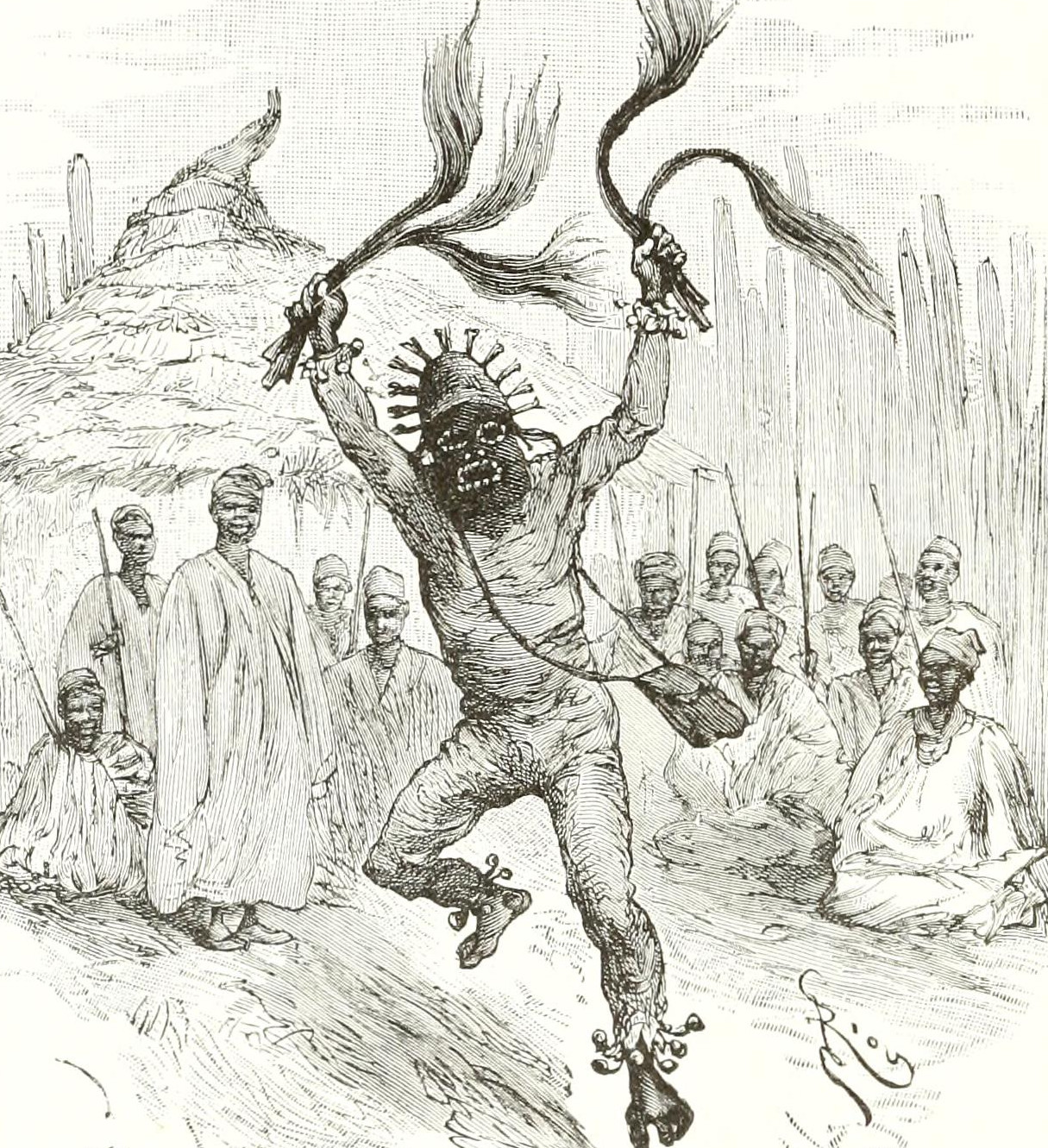 🇺🇸 United States and 2 moreLouisiana Voodoo
An African diasporic religion practiced in Louisiana from the 18th to early 20th centuriesTradition · Healing · Protection Historical
🇺🇸 United States and 2 moreLouisiana Voodoo
An African diasporic religion practiced in Louisiana from the 18th to early 20th centuriesTradition · Healing · Protection Historical
 🇫🇷 France and 5 moreKardecist SpiritismSpiritisme
A French spiritualist doctrine based on communication with spirits and reincarnation.Tradition · Speaking with spirits and the dead · Protection Living
🇫🇷 France and 5 moreKardecist SpiritismSpiritisme
A French spiritualist doctrine based on communication with spirits and reincarnation.Tradition · Speaking with spirits and the dead · Protection Living
 🇺🇸 United States and 4 moreRainmaking
Efforts to induce rain through technology, ritual, or prayer.Tradition · Protection · Healing Living
🇺🇸 United States and 4 moreRainmaking
Efforts to induce rain through technology, ritual, or prayer.Tradition · Protection · Healing Living
 🇺🇸 United States and 3 moreSandpainting
A ritual art of pouring colored sand to create temporary images for healing or spiritual teachingTradition · Healing · Speaking with spirits and the dead Living
🇲🇽 Mexico and 3 moreCurandero
A folk healer in Latin America and the United States who blends indigenous and Catholic traditions.Tradition · Healing · Protection Living
🇺🇸 United States and 3 moreSandpainting
A ritual art of pouring colored sand to create temporary images for healing or spiritual teachingTradition · Healing · Speaking with spirits and the dead Living
🇲🇽 Mexico and 3 moreCurandero
A folk healer in Latin America and the United States who blends indigenous and Catholic traditions.Tradition · Healing · Protection Living
 🇺🇸 United StatesNavajo medicine
Traditional healing practices of the Navajo people focused on restoring harmonyTradition · Healing · Protection Living
🇺🇸 United StatesNavajo medicine
Traditional healing practices of the Navajo people focused on restoring harmonyTradition · Healing · Protection Living
 🇺🇸 United StatesKahuna
A Hawaiian expert or priest, keeper of hidden knowledge in craft and spiritTradition · Healing · Seeing and foretelling Living
🇺🇸 United StatesKahuna
A Hawaiian expert or priest, keeper of hidden knowledge in craft and spiritTradition · Healing · Seeing and foretelling Living
 🇺🇸 United States and 5 moreNeoshamanism
A modern spiritual movement adapting shamanic techniques for Western seekers outside their traditional cultures.Tradition · Healing · Change and initiation Living
🇺🇸 United States and 5 moreNeoshamanism
A modern spiritual practice adapting shamanic techniques for Western seekersTradition · Healing · Speaking with spirits and the dead Living
🇺🇸 United States and 5 moreNeoshamanism
A modern spiritual movement adapting shamanic techniques for Western seekers outside their traditional cultures.Tradition · Healing · Change and initiation Living
🇺🇸 United States and 5 moreNeoshamanism
A modern spiritual practice adapting shamanic techniques for Western seekersTradition · Healing · Speaking with spirits and the dead Living
 🇬🇧 United Kingdom and 1 moreNeopagan witchcraft
Modern pagan traditions that practice magic and draw on historical witch beliefs.Tradition · Protection · Healing Living
🇬🇧 United Kingdom and 1 moreNeopagan witchcraft
Modern pagan traditions that practice magic and draw on historical witch beliefs.Tradition · Protection · Healing Living
 🇨🇳 China and 1 moreFalun Gong法轮功
A Chinese cultivation practice blending meditative exercises with moral principlesTradition · Healing · Protection Living
🇨🇳 China and 1 moreFalun Gong法轮功
A Chinese cultivation practice blending meditative exercises with moral principlesTradition · Healing · Protection Living
 🇺🇸 United States and 1 moreNew Thought
A spiritual philosophy linking mental states to physical health and prosperityTradition · Healing · Luck and prosperity Living
🇺🇸 United States and 1 moreNew Thought
A spiritual philosophy linking mental states to physical health and prosperityTradition · Healing · Luck and prosperity Living
 🇬🇧 United Kingdom and 2 moreAetherius Society
A new religious movement blending theosophy, UFO claims, and spiritual healing to aid humanity.Tradition · Protection · Healing Living
🇬🇧 United Kingdom and 2 moreAetherius Society
A new religious movement blending theosophy, UFO claims, and spiritual healing to aid humanity.Tradition · Protection · Healing Living
 🇺🇸 United States and 5 moreSpiritualist church
A worship service led by a medium to communicate with the deceasedTradition · Speaking with spirits and the dead · Healing Living
🇺🇸 United States and 5 moreSpiritualist church
A worship service led by a medium to communicate with the deceasedTradition · Speaking with spirits and the dead · Healing Living
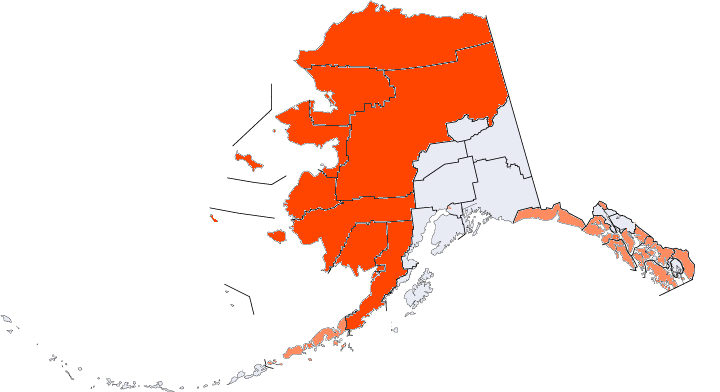 🇺🇸 United StatesShamanism among Alaska Natives
Traditional spiritual practices of Indigenous peoples in AlaskaTradition · Healing · Seeing and foretelling Fading
🇺🇸 United StatesShamanism among Alaska Natives
Traditional spiritual practices of Indigenous peoples in AlaskaTradition · Healing · Seeing and foretelling Fading
 🇺🇸 United StatesMedicine man
A traditional healer and spiritual leader within Indigenous communities of the Americas.Tradition · Healing · Speaking with spirits and the dead Living
🇺🇸 United States and 3 moreAlaska Native religion
Traditional spiritual practices of the Inuit, Yupik, and Aleut peoples of AlaskaTradition · Healing · Luck and prosperity Historical
🇺🇸 United StatesMedicine man
A traditional healer and spiritual leader within Indigenous communities of the Americas.Tradition · Healing · Speaking with spirits and the dead Living
🇺🇸 United States and 3 moreAlaska Native religion
Traditional spiritual practices of the Inuit, Yupik, and Aleut peoples of AlaskaTradition · Healing · Luck and prosperity Historical
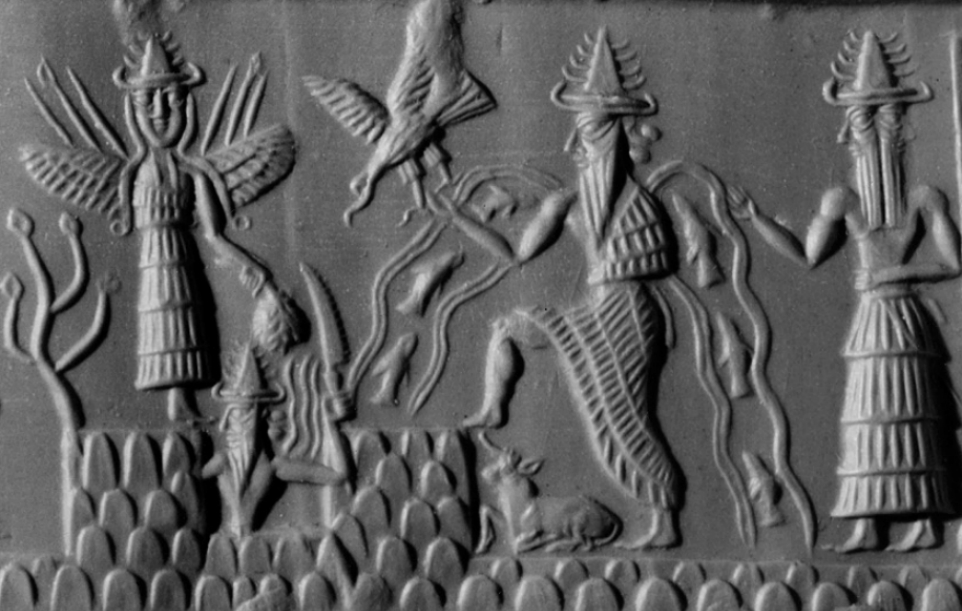 🇺🇸 United StatesJoy of Satan Ministries
An occult movement combining theistic Satanism with esoteric and extraterrestrial loreTradition · Power and authority · Speaking with spirits and the dead Living
🇳🇵 Nepal and 3 moreGurung ShamanismTamu Cho
The ancient shamanic beliefs and rituals of the Gurung people in NepalTradition · Protection · Speaking with spirits and the dead Living
🇺🇸 United StatesJoy of Satan Ministries
An occult movement combining theistic Satanism with esoteric and extraterrestrial loreTradition · Power and authority · Speaking with spirits and the dead Living
🇳🇵 Nepal and 3 moreGurung ShamanismTamu Cho
The ancient shamanic beliefs and rituals of the Gurung people in NepalTradition · Protection · Speaking with spirits and the dead Living
Photo credits on this page
The small pictures above come from Wikimedia Commons under free licences. Some are cropped to fit.
- Folk healer: calliopejen, CC BY-SA 2.0, source
- Haitian Vodou: Sam Fentress, CC BY-SA 2.0, source
- Louisiana Voodoo: I cropped, original authors are Ridpath, John Clark, CC BY-SA 4.0, source
- Neoshamanism: Carptrash, CC BY-SA 4.0, source
- European witchcraft: Unknown author, CC BY 4.0, source
- Kardecist Spiritism: Coprosme, CC BY-SA 4.0, source
- Rainmaking: George Catlin, Public domain, source
- Sandpainting: Mnolf, CC BY-SA 3.0, source
- Navajo medicine: Edward S. Curtis, Public domain, source
- Kahuna: Unknown author, Public domain, source
- Manbo: Aliceba, CC BY-SA 4.0, source
- Hmong folk religion: Thomas Riccio, CC BY 4.0, source
- Palo: Burkhard Mücke, CC BY-SA 4.0, source
- Hawaiian religion: Jacques Arago, Public domain, source
- Santa Muerte: Not home, Public domain, source
- Falun Gong: longtrekhome, CC BY 3.0, source
- New Thought: Nyttend, Public domain, source
- Aetherius Society: Hjamesberglen, CC0, source
- Ojibwe religion: Ryan Hodnett, CC BY-SA 4.0, source
- Santo Daime: Tonelada, CC BY-SA 3.0, source
- Marie Laveau: E. W. Kemble, Public domain, source
- Dianic Wicca: Jean-Baptiste Tuby I (Italy, active France, Paris and Versailles, 1635, Public domain, source
- Shamanism among Alaska Natives: Balkanian`s word, Public domain, source
- Medicine man: Smallbones, Public domain, source
- Santería: Jorge Royan, CC BY-SA 3.0, source
- Joy of Satan Ministries: Unknown author, Public domain, source
- Spiritualist church: Jim.henderson, CC0, source
The weekly digest
Every Monday: seven entries you may not know, what is on the calendar this week, and one rite drawn step by step.