🇬🇧 Magic in the United Kingdom
277 entries from the United Kingdom, best known first, across 80 places of magic.
Cunning folk were European practitioners of helpful magic, healing, and divination from the Middle Ages to the 20th century. They operated alongside established religions, often using Christian prayers or local spirits to protect communities from harm.
- Black books in Scandinavia contained healing formulas attributed to Cyprian of Antioch
- Italian healers used la forza to remove the evil eye malocchio
- Swedish punishments for superstition often increased clients seeking help
- British law shifted from punishing magic to treating it as fraud in 1735
- Irish bean feasa provided oracular authority for community experiences
Overview
The cunning craft was a widespread tradition across Europe, blending folk medicine with protective magic. Practitioners served as community healers and diviners, helping people find lost items or cure ailments believed to be caused by evil forces. While some authorities tried to label them as witches, most common people distinguished clearly between harmful sorcery and the helpful work of these wise individuals. Their methods often incorporated elements of the dominant religion, such as Catholic saints in Italy or Christian prayers in Ireland, showing how folk belief adapted to official faiths rather than opposing them entirely.
Practices and beliefs
Practitioners used charms, rhymes, and herbal remedies to treat physical and spiritual problems. In Scandinavia, texts known as black books contained formulas for curing toothaches or aiding childbirth. Italian healers removed the evil eye through spiritual power called la forza. Irish cunning women recited prayers to Jesus or Mary while performing ritual motions. Diviners found stolen property, and midwives assisted in births. These services were practical responses to daily hardships, offering comfort and solutions when formal medicine was unavailable or ineffective.
Rites and charms
Rituals varied by region but shared a focus on tangible actions paired with words. A Scandinavian charm might involve writing specific names on paper and burning pieces of it. Irish healers combined repetitive movements with sacred objects. Italian practitioners performed gestures to break curses. Funeral duties included preparing bodies for wakes. These customs were not secret ceremonies but open community services. The rites relied on the belief that specific actions, when spoken correctly, could influence health and fortune.
Who practises
These figures were usually elders, often women, respected for their knowledge. In Sweden, klok gumma were wise old women who acted as midwives and healers. Famous figures like Biddy Early in Ireland or Mor Sæther in Norway gained national fame. They were chosen by reputation rather than formal training, though some learned from family lines. Authorities sometimes punished them for superstition, but this rarely stopped their practice. Clients sought them out for their perceived inner power or connection to spirit beings.
Regions and communities
Each area had its own terms and styles. Denmark used kloge folk, while Germany had Hexenmeister. Ireland featured bean feasa, and Italy employed fattucchiere. British cunning men were distinct from Scandinavian wise ones. German practitioners were mostly female, except for male witch-finders. Regional differences reflected local languages and religious contexts. Despite variations, the core role remained consistent: providing healing and protection against unseen harms within the community framework.
The calendar
Services were requested during life events or crises rather than fixed festivals. People visited healers for illnesses, difficult labours, or lost property. Funerals involved specific ritual preparations. There is no evidence of seasonal magical calendars governing their work. Instead, their activity depended on community need. As modern medicine became accessible, demand decreased gradually throughout the 19th and 20th centuries.
Law and the state
Legal status shifted over time. Early laws allowed execution for harmful magic, but cunning folk were rarely accused. Later Enlightenment laws, like Britain's Witchcraft Act 1735, treated magic claims as fraud. Swedish courts punished practitioners for superstition, yet this often increased their popularity. German authorities used banishment rather than execution. Persecution was limited compared to witch trials, as society generally valued their helpful services.
Today
The tradition largely faded as professional healthcare replaced folk medicine. Knowledge survived longer in rural areas and among migrants to the Americas. Some practices persisted into the 21st century in Italy. Modern interest exists in historical studies, but living practitioners are rare. The legacy remains in cultural memory and academic research into European folk beliefs.
The facts in this overview come from the Wikipedia article "Cunning folk", written by its contributors and used under the CC BY-SA 4.0 licence. EveryJaadu rewrote the text in its own words, with AI assistance, and compares every page with the article to make sure no passage is copied. It may be reused under the same CC BY-SA 4.0 licence with a link back.
Places of magic in the United Kingdom
 🇩🇪 Germany and 2 moreBrocken spectreBrockengespenst
A giant shadow cast by an observer onto clouds, often surrounded by a rainbow halo.Illusion · Wonder and entertainment Living
 🇬🇧 United Kingdom and 5 moreDruidry
A modern nature religion inspired by ancient Celtic priests and Romantic idealsTradition · Protection · Speaking with spirits and the dead Living
 🇩🇪 Germany and 1 moreFaust
A German legend of a scholar who trades his soul for knowledge and pleasureFigure · Power and authority · Cursing and harm Legendary
 🇬🇧 United Kingdom and 7 moreSaint Andrew's Day
A Christian feast day marked by national holidays in Scotland and Romania, and folk divination across Europe.Rite · Seeing and foretelling · Luck and prosperity Living
 🇬🇧 United Kingdom and 1 moreJohn Dee
An English scholar and advisor to Elizabeth I who pursued angelic communication through scrying.Tradition · Speaking with spirits and the dead · Seeing and foretelling Historical
 🇬🇧 United Kingdom and 1 moreMerlinMyrddin
A legendary prophet and magician from the King Arthur cycleFigure · Seeing and foretelling · Power and authority Legendary
🇬🇧 United Kingdom and 2 moreThe Holy Blood and the Holy Grail
A 1982 book proposing Jesus had a bloodline protected by a secret societyText · Cursing and harm Historical
 🇬🇧 United KingdomGeoffrey of MonmouthGruffudd ap Arthur
A medieval cleric whose writings shaped the King Arthur legend and British myth.Text · Power and authority Historical
 🇬🇧 United KingdomPricking
A method used during European witch trials to locate a supposed insensitive mark on an accused person.Rite · Cursing and harm Historical
 🇬🇧 United KingdomSamlesbury witches
Three Lancashire women acquitted in a 1612 trial linked to anti-Catholic propagandaBelief · Cursing and harm Historical
🇬🇧 United KingdomWiccan Rede
A moral guideline for Wiccans stating that actions should cause no harm.Text · Cursing and harm Living
 🇬🇧 United KingdomMatthew Hopkins
The English witch-hunter who led the deadliest wave of executions in Britain.Figure · Cursing and harm Historical
 🇬🇧 United KingdomWitch trials in early modern Scotland
A period of judicial persecution where thousands were executed for alleged sorcery and diabolic pactsBelief · Cursing and harm Historical
 🇬🇧 United Kingdom and 1 moreEnochian magic
A Renaissance system of ceremonial magic using a constructed language said to be revealed by angels.Tradition · Speaking with spirits and the dead · Power and authority Living
 🇺🇸 United States and 5 moreMediumship
The practice of mediating communication between the living and spirits of the dead.Tradition · Speaking with spirits and the dead · Healing Living
 🇬🇧 United KingdomBideford witch trial
The 1682 execution of three women in Devon, the final hangings for witchcraft in England.Belief · Cursing and harm Historical
🇬🇧 United KingdomWitch trials in England
Historical legal proceedings against alleged witches in England from the 15th to 18th centuries.Belief · Cursing and harm Historical
🇬🇧 United KingdomPaisley witches
A 1697 Scottish witch trial ending in mass execution after a child's illness sparked local panic.Belief · Cursing and harm Historical
 🇬🇧 United KingdomExcaliburCaledfwlch
King Arthur's legendary blade, said to blind foes and grant rightful ruleCharm · Power and authority · Protection Legendary
🇬🇧 United Kingdom and 4 moreTelling the bees
A Western European custom of informing hives about major household eventsTradition · Protection · Luck and prosperity Living
 🇬🇧 United Kingdom and 4 moreCorn dolly
A straw figure made from the last sheaf of a harvest to house the crop spiritTradition · Protection · Luck and prosperity Revived
 🇬🇧 United Kingdom and 3 moreJet
A black gemstone carved into amulets and mourning jewelry for millenniaCharm · Protection · Power and authority Historical
🇬🇧 United Kingdom and 1 moreFuath
A class of malevolent water spirits in Scottish and Irish folkloreBeing · Cursing and harm Legendary
🇬🇧 United KingdomBlack Shuck
A ghostly black dog from East Anglia folklore, seen as an omen of death or a terrifying fiend.Belief · Cursing and harm · Luck and prosperity Historical
 🇸🇦 Saudi Arabia and 5 moreIslamic exorcismرقية
A rite to expel spirits through Quranic recitation and negotiationRite · Healing · Cleansing and purification Living
 🇬🇧 United KingdomDeath knell
A church bell rung to mark a person's passing and announce the death to the community.Rite · Speaking with spirits and the dead Historical
 🇿🇦 South Africa and 4 moreWitch doctor
A traditional healer who identifies supernatural causes of illness and performs rituals to restore balance.Tradition · Healing · Protection Living
 🇺🇸 United States and 5 moreSatanic panic
A moral panic of unsubstantiated claims about occult child abuse that spread globally in the late twentieth centuryBelief · Cursing and harm Historical
 🇩🇪 Germany and 3 morePhantasmagoria
A horror theatre using magic lanterns to project moving ghosts and demonsIllusion · Wonder and entertainment · Cursing and harm Historical
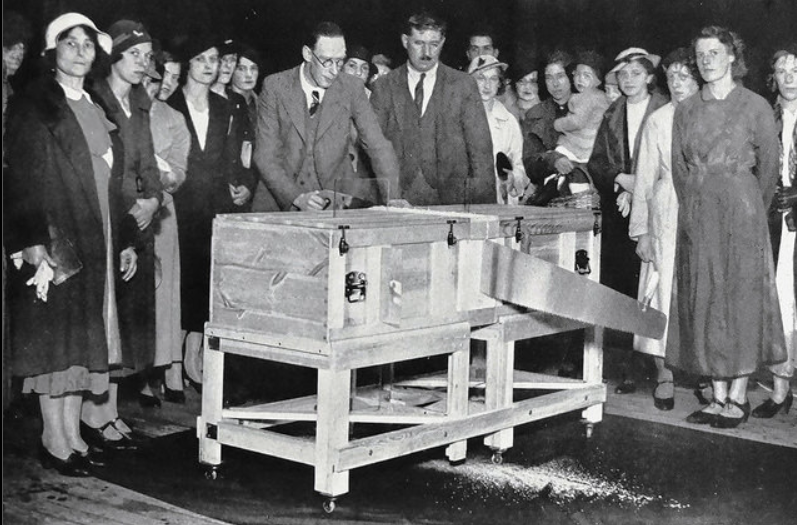 🇬🇧 United Kingdom and 1 moreSawing a woman in half
A stage illusion where an assistant appears to be cut into separate pieces that are moved apart and reassembled.Illusion · Wonder and entertainment Performed
 🇬🇧 United KingdomEgyptian Hall
A London exhibition hall known for art shows and early stage magic performances.Illusion · Wonder and entertainment Historical
 🇬🇧 United Kingdom and 1 moreMentalism
A stage art that mimics psychic powers using psychology and sleight of handIllusion · Wonder and entertainment Living
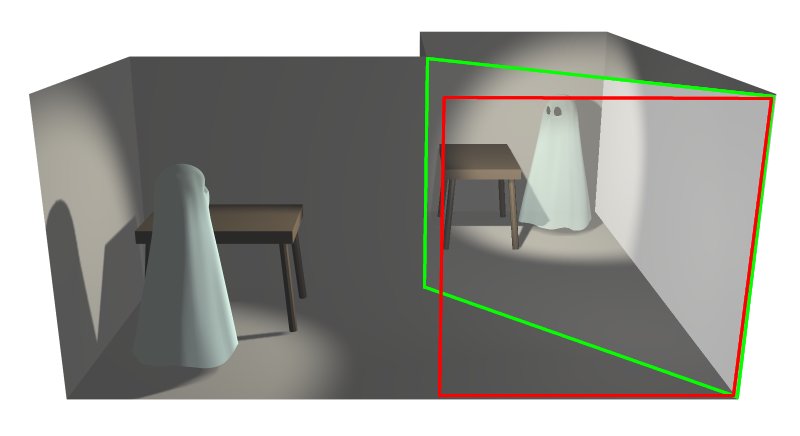 🇬🇧 United Kingdom and 5 morePepper's ghost
A stage illusion using angled glass to project hidden actors as visible ghostsIllusion · Wonder and entertainment Living
🇬🇧 United KingdomRune casting (sample)
Carved signs drawn from a bag.Oracle · Seeing and foretelling Revived
🇬🇧 United KingdomEvil eye bead (sample)Nazar boncuğu
A blue glass bead hung to turn aside envy.Charm · Protection Living
🇬🇧 United KingdomTarot (sample)
A deck of cards read for guidance.Oracle · Seeing and foretelling Living
🇬🇧 United KingdomWitch bottle (sample)
A stoppered bottle set out against curses.Charm · Protection · Cursing and harm Historical
🇬🇧 United KingdomGrimoire (sample)
A handbook of rites and names.Text · Power and authority · Speaking with spirits and the dead Historical
 🇺🇸 United States and 2 moreSpiritualism
A nineteenth-century religious movement focused on communicating with the dead.Tradition · Speaking with spirits and the dead Historical
 🇨🇭 Switzerland and 4 moreEurythmy
An expressive movement art that translates music and speech into gestureTradition · Wonder and entertainment · Change and initiation Living
 🇬🇧 United KingdomPuck
A mischievous domestic sprite of English folklore known for practical jokes and household choresBeing · Cursing and harm · Luck and prosperity Legendary
 🇳🇱 Netherlands and 3 morePig-faced women
A European legend of a woman with the face of a pig, and the charms used to break her curseFigure · Change and initiation Historical
 🇬🇧 United KingdomBrown Lady of Raynham Hall
A famous English ghost story and photograph from a Norfolk country houseBeing Historical
🇮🇪 Ireland and 5 moreSeventh son of a seventh son
A folklore belief that birth order grants supernatural healing or cursed powersBelief · Healing · Cursing and harm Historical
 🇬🇧 United Kingdom and 1 moreNeopagan witchcraft
Modern pagan traditions that practice magic and draw on historical witch beliefs.Tradition · Protection · Healing Living
 🇪🇬 Egypt and 2 moreLecanomancy
Divination using a dish or bowl of water to read the futureOracle · Seeing and foretelling · Luck and prosperity Historical
🇬🇧 United KingdomWirry-cow
A Scottish folk figure representing a frightening object or spiritBeing · Cursing and harm Historical
 🇬🇧 United Kingdom and 1 moreBirthing girdle
A medieval charm worn during pregnancy to ensure a safe deliveryCharm · Protection Historical
Photo credits on this page
The small pictures above come from Wikimedia Commons under free licences. Some are cropped to fit.
- Geoffrey of Monmouth: Colin Cheesman, CC BY-SA 2.0, source
- Death knell: Dougsim, CC BY-SA 4.0, source
- Witch trials in England: Totnesmartin, Public domain, source
- Druidry: TheJaySpearing, CC BY-SA 4.0, source
- Witch doctor: Lucjan Wędrychowski, Public domain, source
- Corn dolly: Renata ( talk ), Public domain, source
- Saint Andrew's Day: Henryk Siemiradzki, Public domain, source
- Pricking: Heinrichkramer, CC BY-SA 3.0, source
- Enochian magic: The .:X, CC BY-SA 3.0, source
- Phantasmagoria: Alphonse de Neuville or A. Jahandier, Public domain, source
- European witchcraft: Unknown author, CC BY 4.0, source
- Mediumship: Harvey Metcalfe, Public domain, source
- Satanic panic: Hartmann Schedel (1440-1514), Public domain, source
- Matthew Hopkins: Unknown author, CC BY 4.0, source
- Puck: Joseph Noel Paton, Public domain, source
- Natural magic: Unidentified painter, Public domain, source
- Brown Lady of Raynham Hall: Hubert C. Provand e Indre Shira, CC BY-SA 4.0, source
- Jet: Thmsfrst, Public domain, source
- Spiritualism: Rossington, W. W. and Garrett, J. Ellwood, Public domain, source
- Islamic exorcism: Unknown Calligrapher, Public domain, source
- Faust: Earthsphere, CC BY-SA 4.0, source
- Birthing girdle: Sarah Fiddyment , Natalie J. Goodison , Elma Brenner , Stefania Signor, CC BY 4.0, source
- Lecanomancy: Author Robert Burns Translator Alexander Smith Illustrator C. A. Vande, Public domain, source
- Pig-faced women: DubhEire, CC0, source
- Pepper's ghost: The original uploader was Wapcaplet at English Wikipedia ., CC BY-SA 3.0, source
- Brocken spectre: Draceane, CC BY-SA 4.0, source
- Samlesbury witches: Tom Oates, CC BY-SA 3.0, source
- Merlin: Howard Pyle, Public domain, source
- Mentalism: The U.S. Printing Co., Russell-Morgan Print, Cincinnati & New York., Public domain, source
- North Berwick witch trials: Unknown author, Public domain, source
- Egyptian Hall: Unknown author, CC BY 4.0, source
- Excalibur: Unknown author, Public domain, source
- Sawing a woman in half: Jasper Maskelyne, Public domain, source
- Eurythmy: Awslibrary, CC BY-SA 4.0, source
The weekly digest
Every Monday: seven entries you may not know, what is on the calendar this week, and one rite drawn step by step.