🇬🇧 Magic in the United Kingdom
277 entries from the United Kingdom, best known first, across 80 places of magic.
Cunning folk were European practitioners of helpful magic, healing, and divination from the Middle Ages to the 20th century. They operated alongside established religions, often using Christian prayers or local spirits to protect communities from harm.
- Black books in Scandinavia contained healing formulas attributed to Cyprian of Antioch
- Italian healers used la forza to remove the evil eye malocchio
- Swedish punishments for superstition often increased clients seeking help
- British law shifted from punishing magic to treating it as fraud in 1735
- Irish bean feasa provided oracular authority for community experiences
Overview
The cunning craft was a widespread tradition across Europe, blending folk medicine with protective magic. Practitioners served as community healers and diviners, helping people find lost items or cure ailments believed to be caused by evil forces. While some authorities tried to label them as witches, most common people distinguished clearly between harmful sorcery and the helpful work of these wise individuals. Their methods often incorporated elements of the dominant religion, such as Catholic saints in Italy or Christian prayers in Ireland, showing how folk belief adapted to official faiths rather than opposing them entirely.
Practices and beliefs
Practitioners used charms, rhymes, and herbal remedies to treat physical and spiritual problems. In Scandinavia, texts known as black books contained formulas for curing toothaches or aiding childbirth. Italian healers removed the evil eye through spiritual power called la forza. Irish cunning women recited prayers to Jesus or Mary while performing ritual motions. Diviners found stolen property, and midwives assisted in births. These services were practical responses to daily hardships, offering comfort and solutions when formal medicine was unavailable or ineffective.
Rites and charms
Rituals varied by region but shared a focus on tangible actions paired with words. A Scandinavian charm might involve writing specific names on paper and burning pieces of it. Irish healers combined repetitive movements with sacred objects. Italian practitioners performed gestures to break curses. Funeral duties included preparing bodies for wakes. These customs were not secret ceremonies but open community services. The rites relied on the belief that specific actions, when spoken correctly, could influence health and fortune.
Who practises
These figures were usually elders, often women, respected for their knowledge. In Sweden, klok gumma were wise old women who acted as midwives and healers. Famous figures like Biddy Early in Ireland or Mor Sæther in Norway gained national fame. They were chosen by reputation rather than formal training, though some learned from family lines. Authorities sometimes punished them for superstition, but this rarely stopped their practice. Clients sought them out for their perceived inner power or connection to spirit beings.
Regions and communities
Each area had its own terms and styles. Denmark used kloge folk, while Germany had Hexenmeister. Ireland featured bean feasa, and Italy employed fattucchiere. British cunning men were distinct from Scandinavian wise ones. German practitioners were mostly female, except for male witch-finders. Regional differences reflected local languages and religious contexts. Despite variations, the core role remained consistent: providing healing and protection against unseen harms within the community framework.
The calendar
Services were requested during life events or crises rather than fixed festivals. People visited healers for illnesses, difficult labours, or lost property. Funerals involved specific ritual preparations. There is no evidence of seasonal magical calendars governing their work. Instead, their activity depended on community need. As modern medicine became accessible, demand decreased gradually throughout the 19th and 20th centuries.
Law and the state
Legal status shifted over time. Early laws allowed execution for harmful magic, but cunning folk were rarely accused. Later Enlightenment laws, like Britain's Witchcraft Act 1735, treated magic claims as fraud. Swedish courts punished practitioners for superstition, yet this often increased their popularity. German authorities used banishment rather than execution. Persecution was limited compared to witch trials, as society generally valued their helpful services.
Today
The tradition largely faded as professional healthcare replaced folk medicine. Knowledge survived longer in rural areas and among migrants to the Americas. Some practices persisted into the 21st century in Italy. Modern interest exists in historical studies, but living practitioners are rare. The legacy remains in cultural memory and academic research into European folk beliefs.
The facts in this overview come from the Wikipedia article "Cunning folk", written by its contributors and used under the CC BY-SA 4.0 licence. EveryJaadu rewrote the text in its own words, with AI assistance, and compares every page with the article to make sure no passage is copied. It may be reused under the same CC BY-SA 4.0 licence with a link back.
Places of magic in the United Kingdom
 🇫🇷 France and 5 moreYule log
A large wooden log burned in the hearth during winter festivals across Europe and North America.Tradition · Protection · Luck and prosperity Living
 🇬🇧 United KingdomWassail
A hot spiced drink and the twelfth-night customs of singing to trees or visiting homes for giftsTradition · Luck and prosperity · Protection Living
 🇬🇧 United Kingdom and 4 moreMummers' play
A folk drama featuring a fight and a resurrection, performed by amateur troupes in the British Isles.Rite · Luck and prosperity · Speaking with spirits and the dead Revived
🇬🇧 United Kingdom and 1 moreChaos magic
A modern magical system that treats belief as a flexible tool rather than a fixed truth.Tradition · Change and initiation · Power and authority Living
 🇬🇧 United Kingdom and 3 moreHobby horse
A costumed character made from wood or cloth used in seasonal folk customs and processions.Illusion · Luck and prosperity · Wonder and entertainment Living
 🇮🇪 Ireland and 1 moreBrigid's crossCros Bhríde
A woven straw charm hung for protection, named after Ireland's patron saintCharm · Protection · Luck and prosperity Living
 🇮🇪 Ireland and 5 moreTrick-or-treating
A Halloween custom where costumed visitors ask for treats from homesTradition · Luck and prosperity · Wonder and entertainment Living
 🇬🇧 United Kingdom and 3 moreRowancaorann
A Northern Hemisphere tree believed to ward off witches and protect travellers.Substance · Protection · Speaking with spirits and the dead Living
 🇪🇸 Spain and 5 moreSt John's Eve
A Christian vigil marked by bonfires and plant gathering on the summer solstice eveRite · Protection · Speaking with spirits and the dead Living
 🇩🇪 Germany and 5 moreMaypoleMaibaum
A tall wooden pole raised for European spring festivals, accompanied by dance and celebration.Tradition · Luck and prosperity · Love and attraction Living
 🇮🇹 Italy and 3 moreEusapia Palladino
An Italian medium whose séances were investigated by leading scientists and magicians in the late nineteenth century.Illusion · Wonder and entertainment · Speaking with spirits and the dead Historical
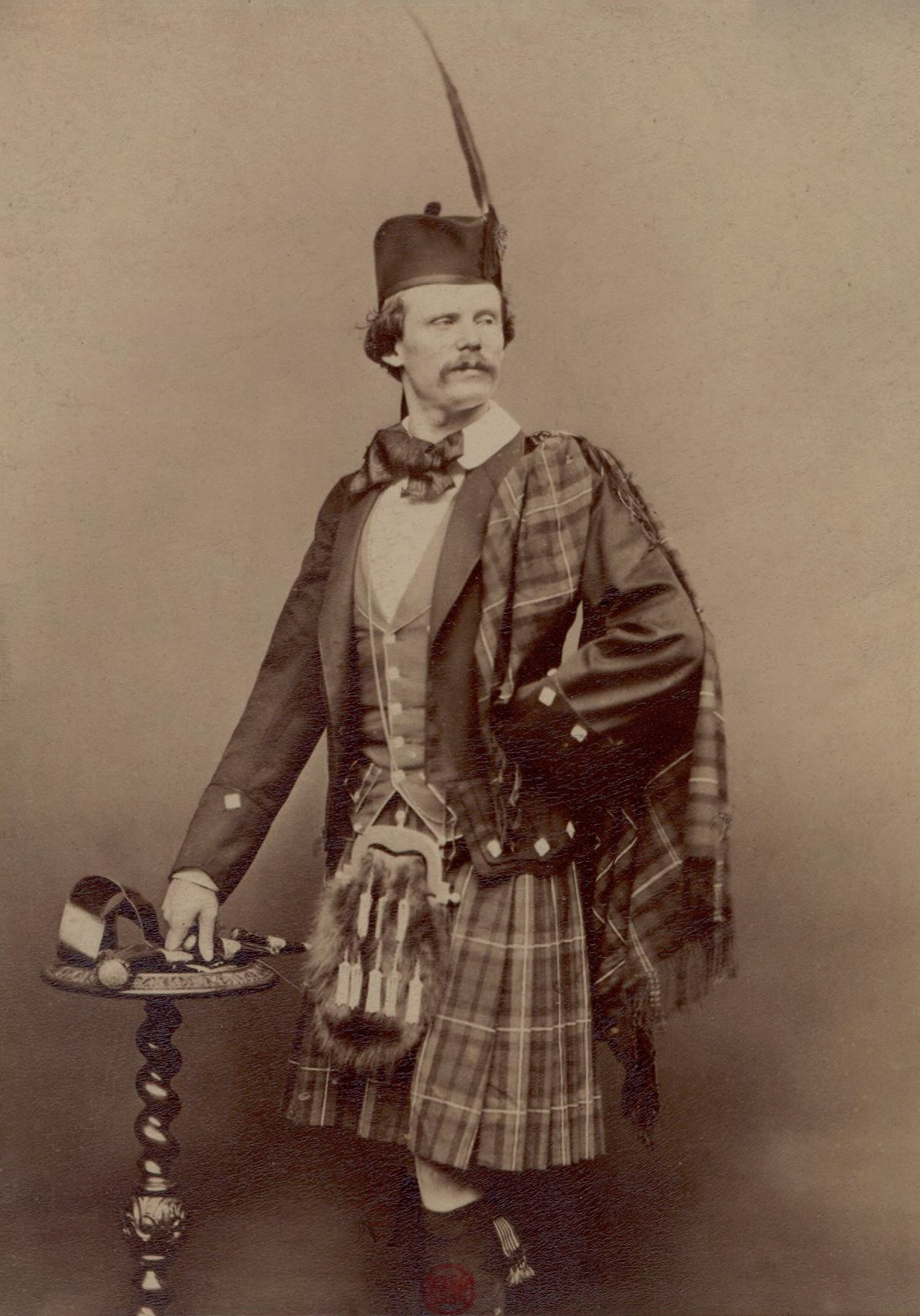 🇬🇧 United Kingdom and 2 moreDaniel Dunglas Home
A Scottish physical medium known for levitation and spirit communication during the Victorian era.Belief · Speaking with spirits and the dead · Wonder and entertainment Historical
 🇮🇪 Ireland and 1 moreBeltaneBealtaine
A Gaelic festival marking the start of summer with protective bonfires and livestock ritualsTradition · Protection · Luck and prosperity Revived
 🇬🇧 United KingdomMother Shipton
An English prophetess and herbalist from folklore, known for predictions printed long after her death.Figure · Seeing and foretelling · Healing Historical
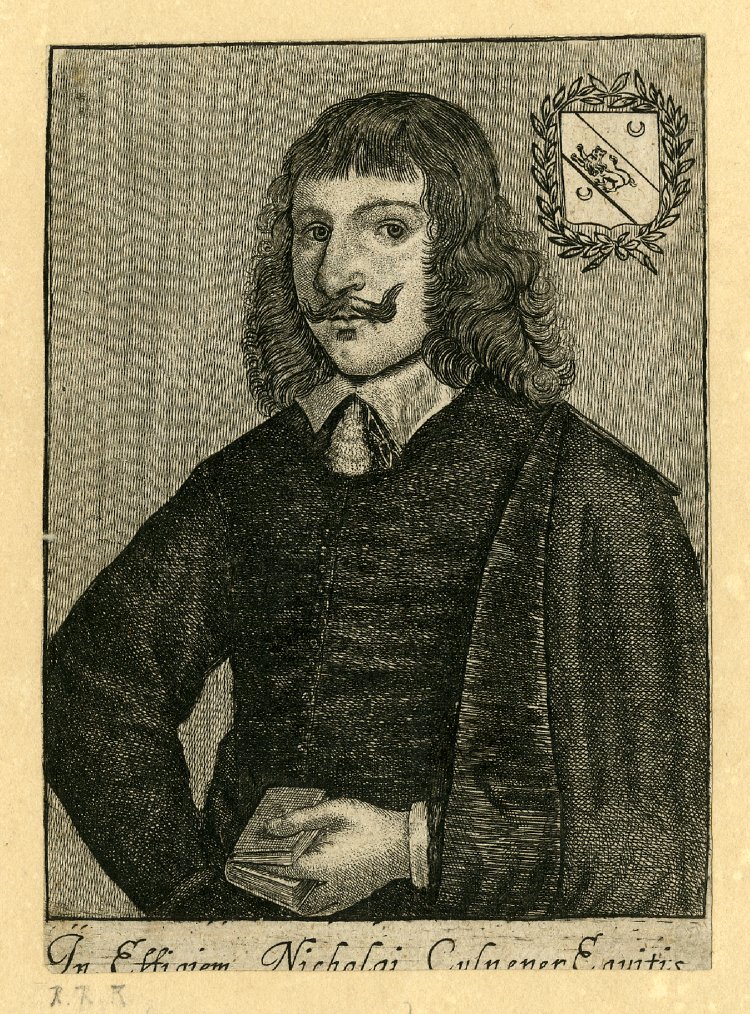 🇬🇧 United Kingdom and 1 moreNicholas Culpeper
An English herbalist and astrologer who translated medical texts into English for the poor.Text · Healing · Power and authority Historical
🇬🇧 United Kingdom and 3 moreFirst-footciad-chuairt
The first visitor on New Year's Day, believed to set the household's fortune for the year aheadTradition · Luck and prosperity Living
 🇬🇧 United Kingdom and 2 moreWitch bottle
A container filled with personal items and sharp objects to trap harmful magicCharm · Protection · Cursing and harm Historical
 🇬🇧 United Kingdom and 4 moreCunning folk
European practitioners of folk medicine and helpful magic from the Middle Ages to the twentieth centuryTradition · Protection · Healing Historical
 🇬🇧 United KingdomCeridwenCerridwen
A Welsh enchantress and modern goddess of poetic inspiration and transformation.Being · Change and initiation Revived
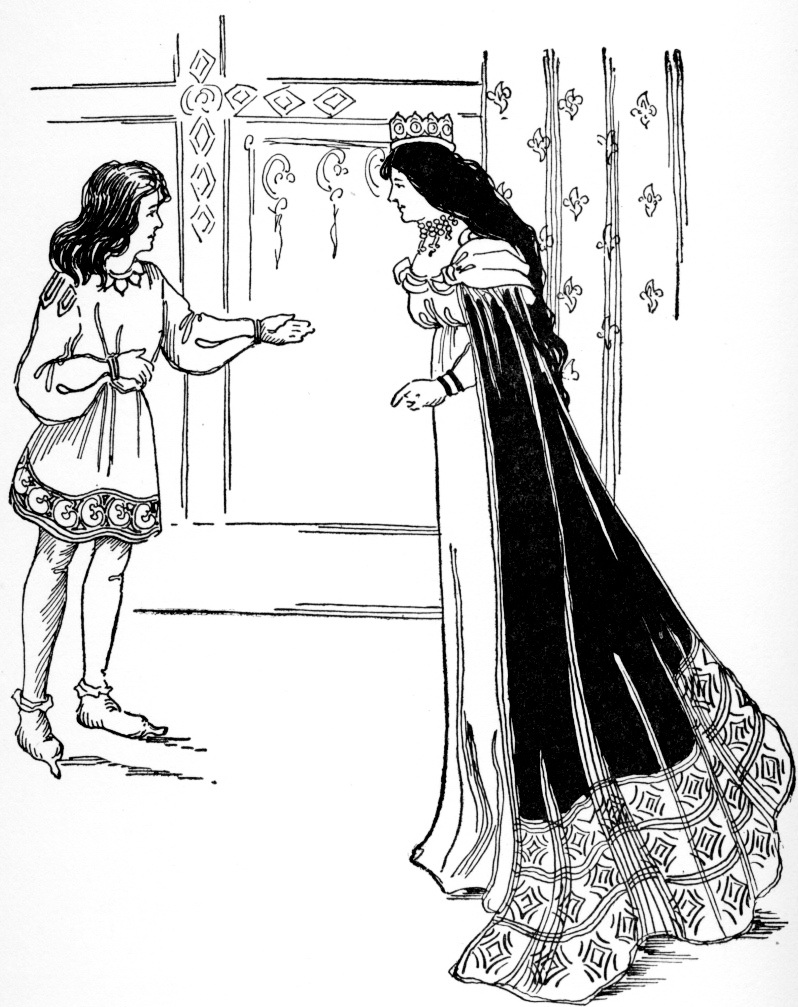 🇬🇧 United Kingdom and 3 moreMorgause
A legendary queen of Orkney and sister to King Arthur in British mythFigure · Power and authority Legendary
 🇬🇧 United Kingdom and 1 moreEach-uisge
A fierce water spirit of the Scottish Highlands and Irish shores that takes the form of a horse.Being · Cursing and harm Legendary
 🇬🇧 United Kingdom and 1 moreBlue men of the Minchna fir ghorma
Mythical blue-skinned spirits of the Scottish strait who challenge sailors to poetry contestsBeing · Cursing and harm · Wonder and entertainment Legendary
🇬🇧 United KingdomGhillie DhuGille Dubh
A solitary Scottish fairy known for protecting forests and guiding lost childrenBeing · Protection · Luck and prosperity Historical
 🇬🇷 Greece and 3 moreHellhound
A mythological canine that guards the underworld or serves demonic forces across global folkloreBeing · Protection · Cursing and harm Legendary
🇬🇧 United KingdomGlaistig
A Scottish shape-shifting spirit linked to cattle, deer, and haunted castles.Being · Protection · Cursing and harm Legendary
🇬🇧 United Kingdom and 1 moreKnocker
A mine spirit of Cornwall and Devon that warns of danger and plays tricks on workersBeing · Protection · Luck and prosperity Historical
🇬🇧 United KingdomGwyllion
Welsh spirits that lead travellers astray and are feared in mountain folkloreBeing · Cursing and harm Historical
🇬🇧 United KingdomBlack dog
A spectral hound from English folklore that signals death or guards the living.Being · Cursing and harm · Protection Legendary
🇬🇧 United KingdomBarghest
A mythical black dog from Northern England that foretells death and haunts the countryside.Being · Seeing and foretelling · Cursing and harm Legendary
🇬🇧 United KingdomCŵn Annwn
Spectral hounds of the Welsh otherworld that hunt souls and signal deathBeing · Cursing and harm · Speaking with spirits and the dead Legendary
 🇬🇧 United Kingdom and 1 moreChurch grim
A guardian spirit of Christian churchyards, often appearing as a black dog or lamb.Being · Protection Historical
 🇮🇪 Ireland and 3 moreChangeling
A substitute left by supernatural beings in place of a stolen human child or adultBeing · Cursing and harm · Luck and prosperity Legendary
 🇬🇧 United KingdomHob
A small household spirit of Northern England and the Anglo-Scottish border.Being · Power and authority Historical
🇬🇧 United Kingdom and 1 moreBugbear
A medieval English creature used to frighten children into obedienceFigure · Cursing and harm Legendary
 🇬🇧 United KingdomBrowniebrùnaidh
A nocturnal household spirit from Scottish folklore that performs chores in exchange for offerings.Being · Protection · Luck and prosperity Legendary
 🇮🇪 Ireland and 5 moreFairy ring
A natural ring of mushrooms surrounded by folklore about dancing spirits and witches.Belief · Wonder and entertainment Living
 🇬🇧 United Kingdom and 2 moreBeating the bounds
A ceremonial walk along parish or town borders to reaffirm boundaries and community memory.Rite · Protection · Speaking with spirits and the dead Living
 🇬🇧 United Kingdom and 1 moreWell dressing
A rural English custom of decorating water sources with natural designsTradition · Protection · Speaking with spirits and the dead Living
 🇬🇧 United Kingdom and 5 moreConcealed shoes
Shoes hidden in building structures as folk charms for protection and fertilityCharm · Protection · Speaking with spirits and the dead Historical
🇬🇧 United Kingdom and 1 moreScottish folkloreBeul-aithris na h-Alba
The myths, creatures and beliefs of the Scottish people, recorded from ancient times to the present.Tradition · Seeing and foretelling · Protection Living
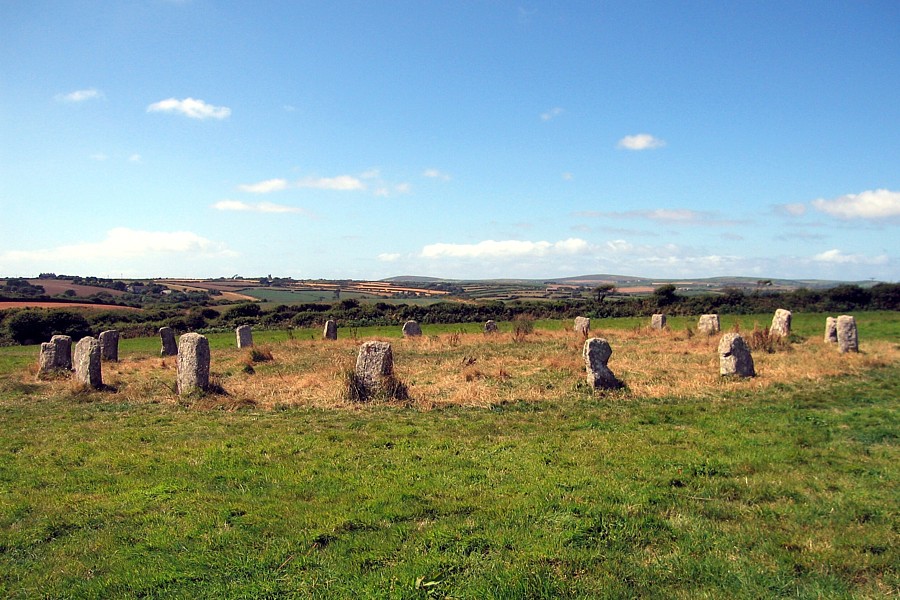 🇬🇧 United KingdomCornish mythology
The folk tales and legends of Cornwall, shared with Brittany and Wales.Tradition · Wonder and entertainment Historical
 🇬🇧 United Kingdom and 2 moreWheel of the Year
An annual cycle of eight seasonal festivals observed by modern pagans.Tradition · Speaking with spirits and the dead · Power and authority Living
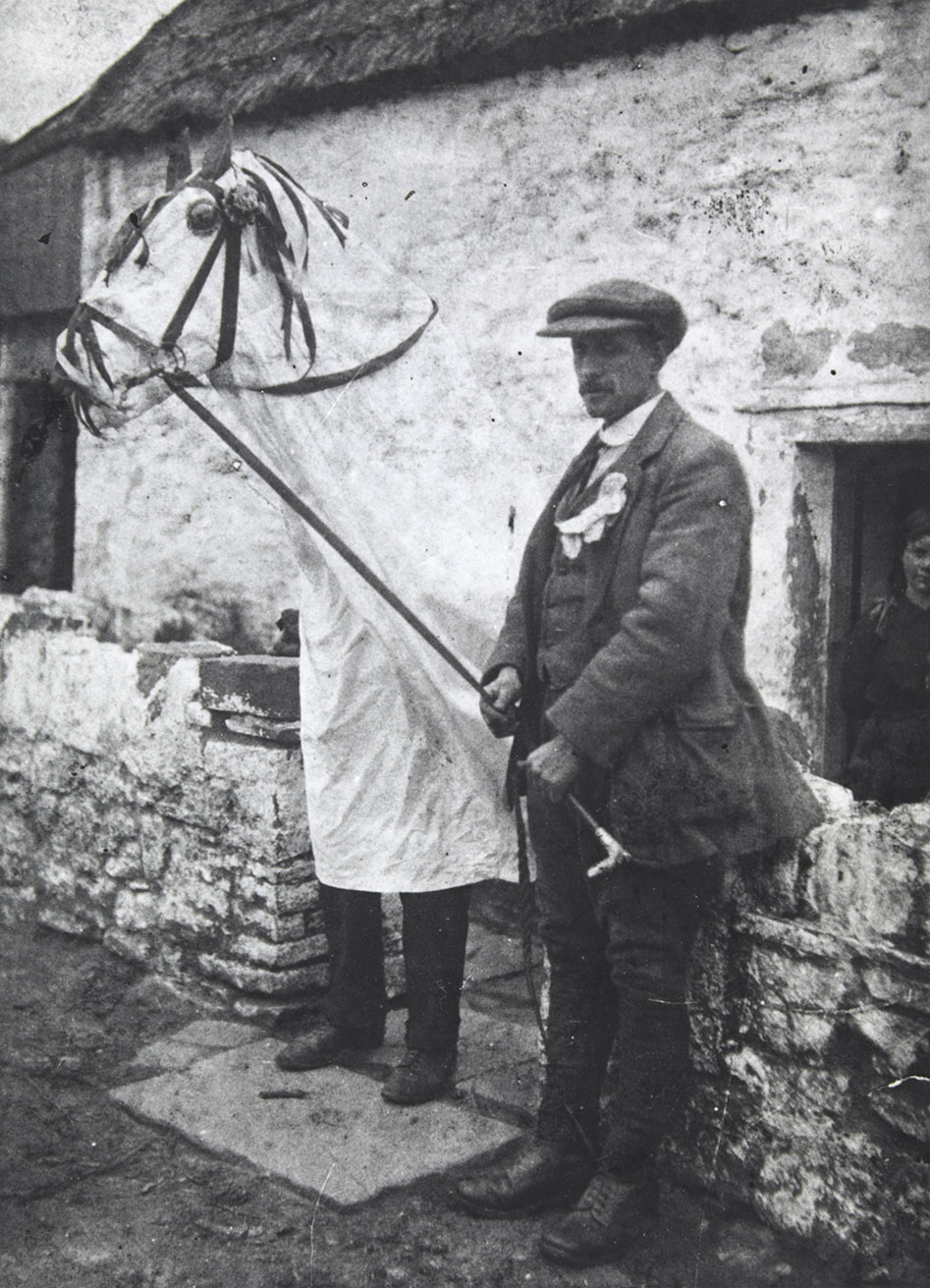 🇬🇧 United KingdomMari LwydY Fari Lwyd
A Welsh winter custom featuring a horse skull carried through villages for song and hospitality.Rite · Luck and prosperity · Wonder and entertainment Revived
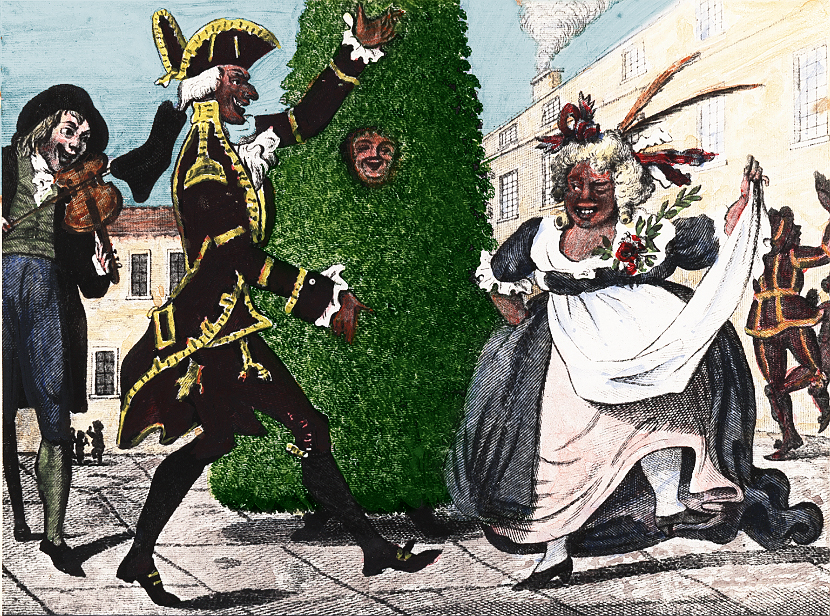 🇬🇧 United KingdomJack in the Green
A foliate figure worn in English May Day processions to celebrate summerIllusion · Wonder and entertainment Revived
 🇬🇧 United Kingdom and 2 moreAdder stone
A naturally perforated stone used as a protective talisman in European folkloreCharm · Protection · Luck and prosperity Historical
 🇳🇴 Norway and 2 moreValknut
A symbol of three interlocked triangles found on Germanic artifacts and used in modern Heathenry.Belief · Power and authority Living
 🇬🇧 United KingdomWitch ball
A glass sphere hung in windows to trap spirits and ward off evilCharm · Protection Historical
🇬🇧 United KingdomTaghairm
A Scottish Gaelic divination rite using sensory deprivation and animal skins to summon spirits.Rite · Seeing and foretelling Historical
Photo credits on this page
The small pictures above come from Wikimedia Commons under free licences. Some are cropped to fit.
- Ceridwen: Chris Denny, CC BY-SA 2.0, source
- Changeling: Henry Fuseli, Public domain, source
- Maypole: Uploaded by Mikael Häggström, CC0, source
- Brigid's cross: Culnacreann, CC BY 3.0, source
- Church grim: Inès Lee, CC BY-SA 4.0, source
- Eusapia Palladino: Baldi., Public domain, source
- St John's Eve: Jules Breton, Public domain, source
- Hobby horse: Timkevan at English Wikipedia, Public domain, source
- Jack in the Green: SiGarb, CC BY-SA 3.0, source
- Morgause: H. S. Campbell, Public domain, source
- Marchosias: Louis Le Breton, Public domain, source
- Mari Lwyd: Thomas Christopher Evans (Cadrawd), Public domain, source
- Each-uisge: John Allan, CC BY-SA 2.0, source
- Cornish mythology: waterborough, Public domain, source
- Brownie: Unknown author, CC BY-SA 2.5, source
- Beating the bounds: Andrew Gray, CC BY-SA 2.0, source
- Valknut: Sacrificial_scene_on_Hammars_(I).JPG : Berig derivative work: The Man, CC BY-SA 3.0, source
- Trick-or-treating: Toyah Anette B, Public domain, source
- Witch ball: John W. Schulze, CC BY 2.0, source
- Well dressing: User:WhaleyTim, CC BY-SA 3.0, source
- Beltane: Stefan Schäfer, Lich, CC BY-SA 3.0, source
- Wassail: Joss Smithson, CC BY-SA 2.0, source
- Blue men of the Minch: Lord P in the Commons 17:16, 17 June 2007 (UTC), CC BY-SA 3.0, source
- Adder stone: Ansgar Koreng, CC BY-SA 3.0 de, source
- Nicholas Culpeper: Richard Gaywood, Public domain, source
- Mummers' play: Aladjov, CC BY 3.0, source
- Wheel of the Year: Sunblade1500, CC BY-SA 3.0, source
- Rowan: Taken by me, Jonik , on August 25, 2004., CC BY-SA 2.0, source
- Fairy ring: User:Mrs skippy, Public domain, source
- Witch bottle: British Museum, Daniel Pett, 2004-10-25 15:27:22, CC BY-SA 2.0, source
- Concealed shoes: Edmund Patrick, CC BY-SA 3.0, source
- Mother Shipton: Unknown author, Public domain, source
- Daniel Dunglas Home: Nadar, Public domain, source
- Yule log: Pehr Arvid Säve (1811—1887), Public domain, source
- Hob: Jo Turner, CC BY-SA 2.0, source
The weekly digest
Every Monday: seven entries you may not know, what is on the calendar this week, and one rite drawn step by step.