
Islamic exorcism
In its own language: رقية
from Arabic ruqya, meaning spell or charm
A rite to expel spirits through Quranic recitation and negotiation
Islamic exorcism is a practice to remove jinn or devils from people or places. It relies on Quranic verses and the guidance of a trained specialist called a raqi.
- Exorcists are called raqi or dervishes
- Jinn are believed to be created from fire
- Negotiation with spirits is a key technique
- Distractions are removed to allow angels in
- Ruqya means spell or charm in Arabic
What it is
Islamic exorcism addresses the belief that spiritual entities can inhabit people or objects. The practice aims to expel these beings through specific rites known as ruqya. Practitioners hold that jinn and devils can cause physical or mental distress. The rite involves reciting sacred texts to restore balance. It is viewed as a method of spiritual cleansing and healing within the Muslim world.
Where it comes from
The practice stems from Islamic theology regarding unseen creatures. Belief in supernatural agents is widespread across social classes. Scholars note that jinn are considered part of the natural order. The tradition draws on Quranic teachings about divine power over spirits. Historical accounts show its presence in various Muslim communities for centuries.
How it is done
The exorcist prepares the space by removing distractions like music or jewelry. They recite Quranic verses to seek divine refuge. The process includes questioning the patient about their state. The specialist then negotiates with the possessing spirit. This dialogue may involve commanding the entity to renounce evil. Some traditions use trance states to aid the negotiation.
Tools and materials
The primary tool is the Quran, believed to influence spirits. The exorcist uses prayers and invocations. Distractions such as golden jewelry are removed to allow angels to enter. The setting is kept simple to focus on spiritual forces. The exorcist's personal blessing is also considered vital.
Islamic exorcism, drawn and placed
- Living
- Revived
- Fading
- Historical
- Legendary
- Performed
- Lineage
- Islam
- Timing
- during possession or illness
What it is for
The rite seeks to heal individuals suffering from possession. It addresses symptoms attributed to jinn or devils. Families request it when conventional methods fail. The goal is to remove harmful influences and restore health. It also serves to protect against future spiritual interference.
Who does it
Exorcists are known as raqi or dervishes. They must believe in God and follow Islamic pillars. Training involves studying the Quran and spiritual laws. A divine blessing enhances their ability to perform rites. They act as religious authorities guiding the afflicted.
Peoples and places
The practice is common in Middle Eastern countries like Saudi Arabia. It exists among Muslims in Great Britain and the Netherlands. Swahili culture incorporates jinn possession for healing. Sudanese and Ugandan communities also observe these rites. Variations exist based on local interpretations of spirit interaction.
At a glance: who, where and when
Who does it
Belief worlds
Occasions
What people believe
Jinn are seen as autonomous beings created from fire. They can be good or evil and interact with humans. Devils assault the heart through whisperings rather than physical entry. Possession increases susceptibility to spiritual harm. Piety can paradoxically attract more demonic attention.
When it is done
The rite is performed during crises or illness. It does not follow a fixed calendar schedule. Occasions arise when possession symptoms appear. Life events may trigger the need for spiritual intervention. The timing depends on the severity of the affliction.
How scholars and sceptics see it
Anthropologists study how possession explains mundane phenomena. Researchers note the prevalence of belief across educated groups. Psychologists examine the intersection of mental health and spirituality. Sceptics view the practices as cultural expressions of distress.
Cautions and what is closed
Some individuals volunteer for possession to gain powers. Relationships between humans and jinn are socially frowned upon. The practice requires careful handling of spiritual entities. Misinterpretation can lead to further complications. Outsiders should respect the closed nature of certain rituals.
Compare and confuse
It differs from Christian exorcism in its reliance on negotiation. Jewish traditions share some concepts of spirit expulsion. Hindu and Buddhist rites often involve different deity structures. The Islamic approach emphasizes Quranic authority over spirits.
Law and persecution
Legal status varies by country. In some regions, it is protected as religious practice. Authorities may intervene if harm is caused to patients. Fraudulent claims can face legal scrutiny. The practice remains largely within private or community settings.
Today
Diaspora communities maintain these traditions abroad. Modern medicine often coexists with spiritual healing. Commercialization sometimes affects the authenticity of rites. Revival movements emphasize strict adherence to scripture. Appropriation debates persist regarding public displays.
Questions people ask about Islamic exorcism
What is Islamic exorcism called?
It is known as ruqya, which translates to spell or charm. The practice aims to expel jinn or devils using Quranic verses and prayers led by a qualified specialist.
Who performs the exorcism?
A raqi or dervish performs the rite. They must follow Islamic pillars and possess a divine blessing. Their role is to negotiate with spirits and recite sacred texts.
Why do people undergo this rite?
Individuals seek it to heal from possession symptoms. These include mental distress or physical ailments attributed to jinn. Families believe it restores spiritual balance and protection.
Good reading and sources
- Exorcism in Islam on WikipediaEncyclopedia
- More photos on Wikimedia CommonsPhotos and video
- Wikidata recordOpen data
The facts on this page come from the Wikipedia article "Exorcism in Islam", written by its contributors and used under the CC BY-SA 4.0 licence, and from its Wikidata record (CC0). EveryJaadu rewrote the text in its own words, with AI assistance, and compares every page with the article to make sure no passage is copied. It may be reused under the same CC BY-SA 4.0 licence with a link back.
It may contain mistakes. Names and customs differ from one community to the next, and some knowledge is closed to outsiders and left out here. This page describes belief and practice. It does not say that any of it works, it is not a how-to, and it is not medical advice. If something is wrong, tell us. Last refreshed 2026-10-05.
More from Saudi Arabia
All the entries from Saudi Arabia 🇸🇦 Saudi Arabia and 1 moreDhikrذِكْر
Islamic remembrance of God through repeated recitation and prayerRite · Speaking with spirits and the dead · Power and authority Living
🇸🇦 Saudi Arabia and 1 moreDhikrذِكْر
Islamic remembrance of God through repeated recitation and prayerRite · Speaking with spirits and the dead · Power and authority Living
 🇺🇸 United States and 4 moreFortune-telling
A practice of predicting future events or personal details through various methods and tools.Rite · Seeing and foretelling · Power and authority Living
🇺🇸 United States and 4 moreFortune-telling
A practice of predicting future events or personal details through various methods and tools.Rite · Seeing and foretelling · Power and authority Living
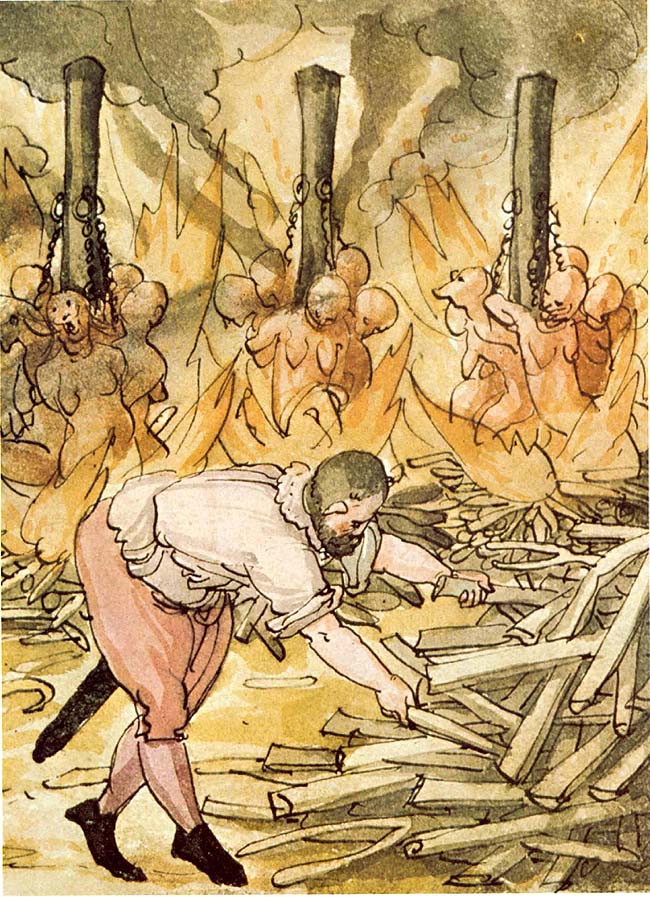 🇸🇦 Saudi Arabia and 5 moreWitch hunt
A campaign to find and punish people accused of using magic for harmBelief · Cursing and harm Historical
🇸🇦 Saudi Arabia and 5 moreWitch hunt
A campaign to find and punish people accused of using magic for harmBelief · Cursing and harm Historical
Related elsewhere
All rite 🇵🇪 Peru and 5 morePalo Santo
Aromatic wood used in South American ritual cleansing and folk medicineSubstance · Cleansing and purification · Healing Living
🇵🇪 Peru and 5 morePalo Santo
Aromatic wood used in South American ritual cleansing and folk medicineSubstance · Cleansing and purification · Healing Living
 🇺🇸 United States and 5 moreFlorida Water
A citrus perfume used in spiritual cleansing and folk healing across the Americas.Substance · Protection · Cleansing and purification Living
🇮🇳 IndiaPanchagavya
A fermented mixture of five cow products used in Hindu rituals and Ayurvedic traditions.Substance · Cleansing and purification · Healing Living
🇺🇸 United States and 5 moreFlorida Water
A citrus perfume used in spiritual cleansing and folk healing across the Americas.Substance · Protection · Cleansing and purification Living
🇮🇳 IndiaPanchagavya
A fermented mixture of five cow products used in Hindu rituals and Ayurvedic traditions.Substance · Cleansing and purification · Healing Living
 🇹🇼 Taiwan and 1 moreOng Yah王爺 (Ông-iâ)
Royal Lord deities of Fujian and Taiwan who tour the land, driving out diseaseBeing · Protection · Healing Living
🇹🇼 Taiwan and 1 moreOng Yah王爺 (Ông-iâ)
Royal Lord deities of Fujian and Taiwan who tour the land, driving out diseaseBeing · Protection · Healing Living