🇬🇧 Magic in the United Kingdom
277 entries from the United Kingdom, best known first, across 80 places of magic.
Cunning folk were European practitioners of helpful magic, healing, and divination from the Middle Ages to the 20th century. They operated alongside established religions, often using Christian prayers or local spirits to protect communities from harm.
- Black books in Scandinavia contained healing formulas attributed to Cyprian of Antioch
- Italian healers used la forza to remove the evil eye malocchio
- Swedish punishments for superstition often increased clients seeking help
- British law shifted from punishing magic to treating it as fraud in 1735
- Irish bean feasa provided oracular authority for community experiences
Overview
The cunning craft was a widespread tradition across Europe, blending folk medicine with protective magic. Practitioners served as community healers and diviners, helping people find lost items or cure ailments believed to be caused by evil forces. While some authorities tried to label them as witches, most common people distinguished clearly between harmful sorcery and the helpful work of these wise individuals. Their methods often incorporated elements of the dominant religion, such as Catholic saints in Italy or Christian prayers in Ireland, showing how folk belief adapted to official faiths rather than opposing them entirely.
Practices and beliefs
Practitioners used charms, rhymes, and herbal remedies to treat physical and spiritual problems. In Scandinavia, texts known as black books contained formulas for curing toothaches or aiding childbirth. Italian healers removed the evil eye through spiritual power called la forza. Irish cunning women recited prayers to Jesus or Mary while performing ritual motions. Diviners found stolen property, and midwives assisted in births. These services were practical responses to daily hardships, offering comfort and solutions when formal medicine was unavailable or ineffective.
Rites and charms
Rituals varied by region but shared a focus on tangible actions paired with words. A Scandinavian charm might involve writing specific names on paper and burning pieces of it. Irish healers combined repetitive movements with sacred objects. Italian practitioners performed gestures to break curses. Funeral duties included preparing bodies for wakes. These customs were not secret ceremonies but open community services. The rites relied on the belief that specific actions, when spoken correctly, could influence health and fortune.
Who practises
These figures were usually elders, often women, respected for their knowledge. In Sweden, klok gumma were wise old women who acted as midwives and healers. Famous figures like Biddy Early in Ireland or Mor Sæther in Norway gained national fame. They were chosen by reputation rather than formal training, though some learned from family lines. Authorities sometimes punished them for superstition, but this rarely stopped their practice. Clients sought them out for their perceived inner power or connection to spirit beings.
Regions and communities
Each area had its own terms and styles. Denmark used kloge folk, while Germany had Hexenmeister. Ireland featured bean feasa, and Italy employed fattucchiere. British cunning men were distinct from Scandinavian wise ones. German practitioners were mostly female, except for male witch-finders. Regional differences reflected local languages and religious contexts. Despite variations, the core role remained consistent: providing healing and protection against unseen harms within the community framework.
The calendar
Services were requested during life events or crises rather than fixed festivals. People visited healers for illnesses, difficult labours, or lost property. Funerals involved specific ritual preparations. There is no evidence of seasonal magical calendars governing their work. Instead, their activity depended on community need. As modern medicine became accessible, demand decreased gradually throughout the 19th and 20th centuries.
Law and the state
Legal status shifted over time. Early laws allowed execution for harmful magic, but cunning folk were rarely accused. Later Enlightenment laws, like Britain's Witchcraft Act 1735, treated magic claims as fraud. Swedish courts punished practitioners for superstition, yet this often increased their popularity. German authorities used banishment rather than execution. Persecution was limited compared to witch trials, as society generally valued their helpful services.
Today
The tradition largely faded as professional healthcare replaced folk medicine. Knowledge survived longer in rural areas and among migrants to the Americas. Some practices persisted into the 21st century in Italy. Modern interest exists in historical studies, but living practitioners are rare. The legacy remains in cultural memory and academic research into European folk beliefs.
The facts in this overview come from the Wikipedia article "Cunning folk", written by its contributors and used under the CC BY-SA 4.0 licence. EveryJaadu rewrote the text in its own words, with AI assistance, and compares every page with the article to make sure no passage is copied. It may be reused under the same CC BY-SA 4.0 licence with a link back.
Places of magic in the United Kingdom
 🇬🇧 United KingdomGeoffrey of MonmouthGruffudd ap Arthur
A medieval cleric whose writings shaped the King Arthur legend and British myth.Text · Power and authority Historical
 🇬🇧 United Kingdom and 5 moreAleister Crowley
English occultist and founder of the religion of ThelemaText · Power and authority · Change and initiation Living
 🇬🇧 United KingdomWilliam Lilly
A seventeenth-century English astrologer and author who shaped Western tradition.Text · Seeing and foretelling · Power and authority Historical
 🇬🇧 United KingdomMother Shipton
An English prophetess and herbalist from folklore, known for predictions printed long after her death.Figure · Seeing and foretelling · Healing Historical
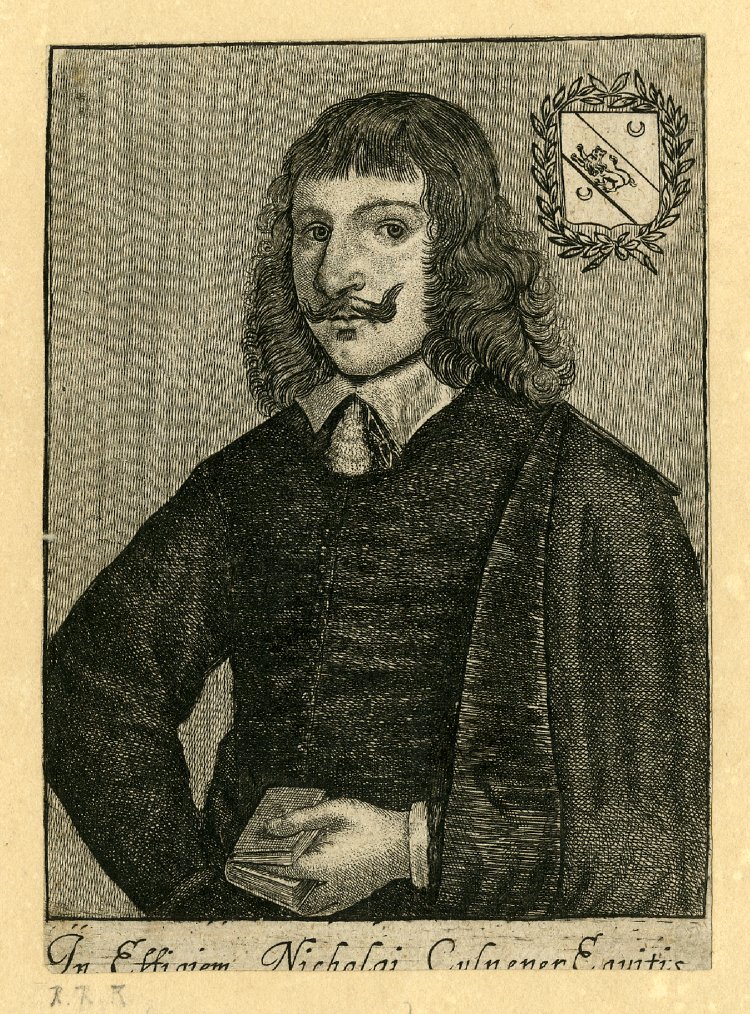 🇬🇧 United Kingdom and 1 moreNicholas Culpeper
An English herbalist and astrologer who translated medical texts into English for the poor.Text · Healing · Power and authority Historical
 🇸🇪 Sweden and 4 moreEmanuel Swedenborg
An 18th-century Swedish scientist who became a mystic and claimed to visit the afterlife.Text · Speaking with spirits and the dead · Change and initiation Living
 🇮🇪 Ireland and 1 moreOgham᚛ᚑᚌᚐᚋ᚜
An early medieval script of notched lines used to carve Irish names on stone monuments.Text Historical
 🇮🇹 Italy and 3 moreRenaissance magic
A 15th and 16th century revival of magical arts blending philosophy, astrology, and hidden knowledge.Tradition · Power and authority · Seeing and foretelling Historical
 🇬🇧 United Kingdom and 2 moreWitchcraft Acts
A series of British laws that shifted from punishing witchcraft to punishing those who claimed to practice it.Text · Cursing and harm Historical
 🇬🇧 United Kingdom and 1 moreJohn Dee
An English scholar and advisor to Elizabeth I who pursued angelic communication through scrying.Tradition · Speaking with spirits and the dead · Seeing and foretelling Historical
🇬🇧 United KingdomGrimoire (sample)
A handbook of rites and names.Text · Power and authority · Speaking with spirits and the dead Historical
🇬🇧 United KingdomRune casting (sample)
Carved signs drawn from a bag.Oracle · Seeing and foretelling Revived
🇬🇧 United Kingdom and 1 moreThirteen Treasures of the Island of BritainTri Thlws ar Ddeg Ynys Prydain
A collection of magical objects from late-medieval Welsh legendText · Wonder and entertainment Historical
 🇬🇧 United Kingdom and 2 moreBevis of HamptonПовесть о Бове-королевиче
A medieval chivalric romance about a hero's exile and return across Europe and the Near EastText · Wonder and entertainment Historical
🇬🇧 United KingdomBarddas
A 19th-century book presenting Welsh bardic and druidic theology as ancient traditionText · Speaking with spirits and the dead Historical
 🇫🇷 France and 1 moreDogme et Rituel de la Haute Magie
A foundational treatise on ritual magic by Éliphas Lévi, structured around the tarot.Text · Power and authority · Wonder and entertainment Historical
 🇬🇧 United KingdomSaducismus Triumphatus
A 1681 English book defending witchcraft beliefs and attacking skepticsText · Cursing and harm Historical
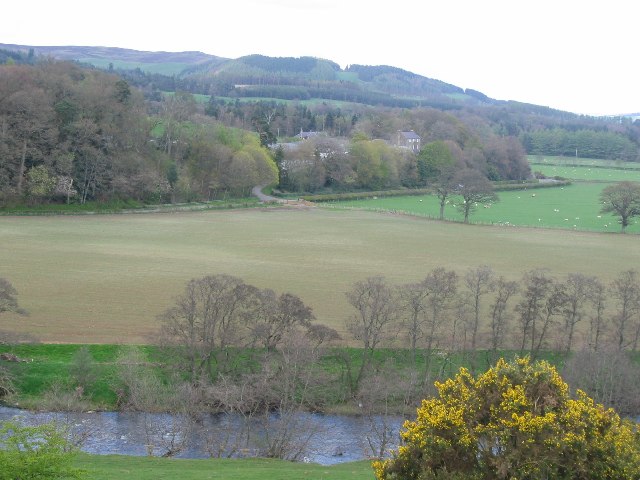 🇬🇧 United KingdomTam Lin
A Scottish ballad about a fairy knight rescued by his mortal lover on Hallowe'enFigure · Love and attraction · Cursing and harm Historical
 🇮🇸 Iceland and 3 moreRune poem
Proverbial verses used to memorize the names and order of runic lettersText · Power and authority Historical
🇬🇧 United KingdomThe Book of Thoth
A guide to a tarot deck designed by an occultist and his collaboratorText · Power and authority · Seeing and foretelling Historical
 🇬🇧 United KingdomTheatrum Chemicum Britannicum
A 1652 collection of English alchemical verse, gathered and annotated by Elias AshmoleText · Change and initiation Historical
🇬🇧 United KingdomThe White Goddess
Robert Graves's 1948 essay on one moon goddess behind many namesText Living
🇬🇧 United KingdomProphecy of Melkin
A medieval Latin prophecy of a hidden grave at GlastonburyText · Seeing and foretelling Historical
 🇬🇧 United KingdomBook of Magical Charms
A seventeenth-century English manuscript of spells and medical remedies held in Chicago.Text · Healing · Speaking with spirits and the dead Historical
🇬🇧 United Kingdom and 1 moreThe History of Spiritualism
A two-volume history of the Spiritualist movement written by Arthur Conan Doyle in 1926.Text · Speaking with spirits and the dead · Power and authority Historical
Photo credits on this page
The small pictures above come from Wikimedia Commons under free licences. Some are cropped to fit.
- Emanuel Swedenborg: Carl Frederik von Breda, Public domain, source
- Geoffrey of Monmouth: Colin Cheesman, CC BY-SA 2.0, source
- Ogham: Runologe, CC BY-SA 4.0, source
- William Lilly: Simon Harriyott, CC BY 2.0, source
- Witchcraft Act 1735: Richard van Bleeck, Public domain, source
- Natural magic: Unidentified painter, Public domain, source
- Book of Magical Charms: Robert Ashley, died 1641, Public domain, source
- Bevis of Hampton: Anonymous Unknown author, Public domain, source
- Theatrum Chemicum Britannicum: Goddard, John, active 1645-1671 (engraver), Public domain, source
- Aleister Crowley: Aleister Crowley, Public domain, source
- Saducismus Triumphatus: unknown engraver of the 17th century, Public domain, source
- Renaissance magic: Unknown author, Public domain, source
- Rune poem: Tollef Salemann, CC0, source
- Nicholas Culpeper: Richard Gaywood, Public domain, source
- Dogme et Rituel de la Haute Magie: Eliphas Levi, Public domain, source
- Mother Shipton: Unknown author, Public domain, source
- Tam Lin: Richard Webb, CC BY-SA 2.0, source
The weekly digest
Every Monday: seven entries you may not know, what is on the calendar this week, and one rite drawn step by step.