🇬🇧 Magic in the United Kingdom
277 entries from the United Kingdom, best known first, across 80 places of magic.
Cunning folk were European practitioners of helpful magic, healing, and divination from the Middle Ages to the 20th century. They operated alongside established religions, often using Christian prayers or local spirits to protect communities from harm.
- Black books in Scandinavia contained healing formulas attributed to Cyprian of Antioch
- Italian healers used la forza to remove the evil eye malocchio
- Swedish punishments for superstition often increased clients seeking help
- British law shifted from punishing magic to treating it as fraud in 1735
- Irish bean feasa provided oracular authority for community experiences
Overview
The cunning craft was a widespread tradition across Europe, blending folk medicine with protective magic. Practitioners served as community healers and diviners, helping people find lost items or cure ailments believed to be caused by evil forces. While some authorities tried to label them as witches, most common people distinguished clearly between harmful sorcery and the helpful work of these wise individuals. Their methods often incorporated elements of the dominant religion, such as Catholic saints in Italy or Christian prayers in Ireland, showing how folk belief adapted to official faiths rather than opposing them entirely.
Practices and beliefs
Practitioners used charms, rhymes, and herbal remedies to treat physical and spiritual problems. In Scandinavia, texts known as black books contained formulas for curing toothaches or aiding childbirth. Italian healers removed the evil eye through spiritual power called la forza. Irish cunning women recited prayers to Jesus or Mary while performing ritual motions. Diviners found stolen property, and midwives assisted in births. These services were practical responses to daily hardships, offering comfort and solutions when formal medicine was unavailable or ineffective.
Rites and charms
Rituals varied by region but shared a focus on tangible actions paired with words. A Scandinavian charm might involve writing specific names on paper and burning pieces of it. Irish healers combined repetitive movements with sacred objects. Italian practitioners performed gestures to break curses. Funeral duties included preparing bodies for wakes. These customs were not secret ceremonies but open community services. The rites relied on the belief that specific actions, when spoken correctly, could influence health and fortune.
Who practises
These figures were usually elders, often women, respected for their knowledge. In Sweden, klok gumma were wise old women who acted as midwives and healers. Famous figures like Biddy Early in Ireland or Mor Sæther in Norway gained national fame. They were chosen by reputation rather than formal training, though some learned from family lines. Authorities sometimes punished them for superstition, but this rarely stopped their practice. Clients sought them out for their perceived inner power or connection to spirit beings.
Regions and communities
Each area had its own terms and styles. Denmark used kloge folk, while Germany had Hexenmeister. Ireland featured bean feasa, and Italy employed fattucchiere. British cunning men were distinct from Scandinavian wise ones. German practitioners were mostly female, except for male witch-finders. Regional differences reflected local languages and religious contexts. Despite variations, the core role remained consistent: providing healing and protection against unseen harms within the community framework.
The calendar
Services were requested during life events or crises rather than fixed festivals. People visited healers for illnesses, difficult labours, or lost property. Funerals involved specific ritual preparations. There is no evidence of seasonal magical calendars governing their work. Instead, their activity depended on community need. As modern medicine became accessible, demand decreased gradually throughout the 19th and 20th centuries.
Law and the state
Legal status shifted over time. Early laws allowed execution for harmful magic, but cunning folk were rarely accused. Later Enlightenment laws, like Britain's Witchcraft Act 1735, treated magic claims as fraud. Swedish courts punished practitioners for superstition, yet this often increased their popularity. German authorities used banishment rather than execution. Persecution was limited compared to witch trials, as society generally valued their helpful services.
Today
The tradition largely faded as professional healthcare replaced folk medicine. Knowledge survived longer in rural areas and among migrants to the Americas. Some practices persisted into the 21st century in Italy. Modern interest exists in historical studies, but living practitioners are rare. The legacy remains in cultural memory and academic research into European folk beliefs.
The facts in this overview come from the Wikipedia article "Cunning folk", written by its contributors and used under the CC BY-SA 4.0 licence. EveryJaadu rewrote the text in its own words, with AI assistance, and compares every page with the article to make sure no passage is copied. It may be reused under the same CC BY-SA 4.0 licence with a link back.
Places of magic in the United Kingdom
 🇬🇧 United KingdomIsaac Fawkes
An English conjurer who moved magic from the fairground to fashionable London society.Illusion · Wonder and entertainment Historical
 🇬🇧 United KingdomJohn Nevil Maskelyne
A Victorian magician who exposed fraud and invented the pay toiletIllusion · Wonder and entertainment Historical
 🇬🇧 United KingdomDavid Devant
English magician and early film exhibitor known for witty stage presentationIllusion · Wonder and entertainment Historical
 🇬🇧 United Kingdom and 3 moreGreen Man
A carved face made of leaves, used as a decorative motif in architecture and art.Illusion · Wonder and entertainment Revived
 🇮🇪 Ireland and 5 moreTrick-or-treating
A Halloween custom where costumed visitors ask for treats from homesTradition · Luck and prosperity · Wonder and entertainment Living
 🇬🇧 United Kingdom and 3 moreHobby horse
A costumed character made from wood or cloth used in seasonal folk customs and processions.Illusion · Luck and prosperity · Wonder and entertainment Living
 🇬🇧 United KingdomBeltane Fire Festival
A modern Edinburgh performance celebrating the start of summer with fire and danceRite · Wonder and entertainment · Power and authority Living
 🇮🇪 Ireland and 4 moreMay Day
A European spring festival marking the start of summer with flowers, poles and fire.Tradition · Protection · Luck and prosperity Living
 🇩🇪 Germany and 3 morePhantasmagoria
A horror theatre using magic lanterns to project moving ghosts and demonsIllusion · Wonder and entertainment · Cursing and harm Historical
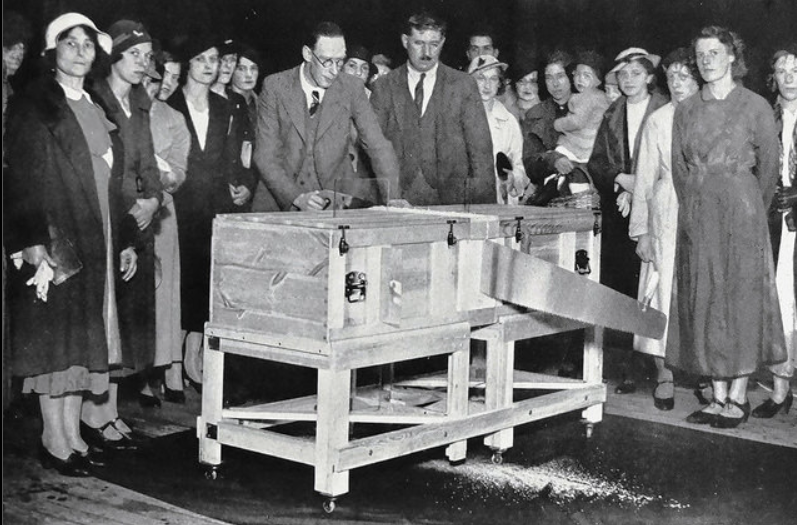 🇬🇧 United Kingdom and 1 moreSawing a woman in half
A stage illusion where an assistant appears to be cut into separate pieces that are moved apart and reassembled.Illusion · Wonder and entertainment Performed
 🇬🇧 United KingdomEgyptian Hall
A London exhibition hall known for art shows and early stage magic performances.Illusion · Wonder and entertainment Historical
 🇬🇧 United Kingdom and 1 moreMentalism
A stage art that mimics psychic powers using psychology and sleight of handIllusion · Wonder and entertainment Living
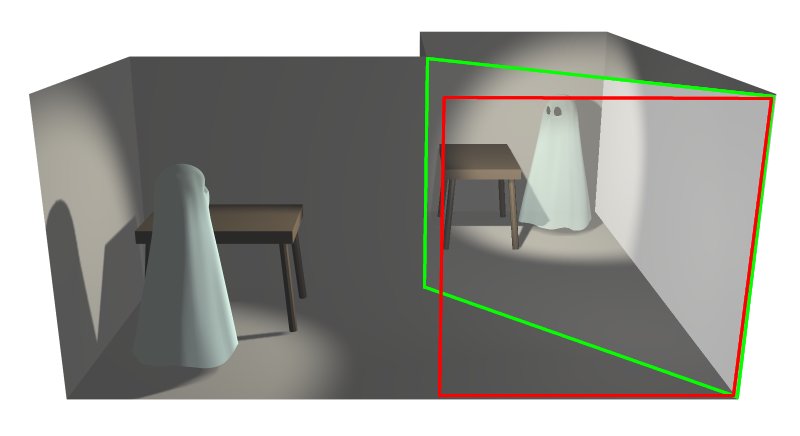 🇬🇧 United Kingdom and 5 morePepper's ghost
A stage illusion using angled glass to project hidden actors as visible ghostsIllusion · Wonder and entertainment Living
 🇨🇭 Switzerland and 4 moreEurythmy
An expressive movement art that translates music and speech into gestureTradition · Wonder and entertainment · Change and initiation Living
 🇺🇸 United States and 4 moreZombie walk
A public gathering where people dress as zombies to walk through city streets for entertainment or charityIllusion · Wonder and entertainment · Luck and prosperity Living
 🇬🇧 United Kingdom and 5 moreStreet performance
Public entertainment offered for voluntary tips in open spacesIllusion · Wonder and entertainment · Luck and prosperity Living
🇨🇦 Canada and 5 moreSorcerer's Safari Magic Camp
A performance arts camp in Toronto that teaches magic tricks to young people.Illusion · Wonder and entertainment Living
Photo credits on this page
The small pictures above come from Wikimedia Commons under free licences. Some are cropped to fit.
- David Devant: Simon Edwards Esq, CC BY-SA 4.0, source
- Isaac Fawkes: William Hogarth, Public domain, source
- Hobby horse: Timkevan at English Wikipedia, Public domain, source
- Phantasmagoria: Alphonse de Neuville or A. Jahandier, Public domain, source
- Green Man: Unknown author, Public domain, source
- Beltane Fire Festival: Stefan Schäfer, Lich, CC BY-SA 3.0, source
- Trick-or-treating: Toyah Anette B, Public domain, source
- Pepper's ghost: The original uploader was Wapcaplet at English Wikipedia ., CC BY-SA 3.0, source
- Mentalism: The U.S. Printing Co., Russell-Morgan Print, Cincinnati & New York., Public domain, source
- Egyptian Hall: Unknown author, CC BY 4.0, source
- May Day: Bryan Ledgard, CC BY 2.0, source
- Sawing a woman in half: Jasper Maskelyne, Public domain, source
- Street performance: Dwight Burdette, CC BY 3.0, source
- Eurythmy: Awslibrary, CC BY-SA 4.0, source
- Zombie walk: tangi bertin, CC BY 2.0, source
- John Nevil Maskelyne: Unknown author, Public domain, source
The weekly digest
Every Monday: seven entries you may not know, what is on the calendar this week, and one rite drawn step by step.