🇮🇳 Magic in India
252 entries from India, best known first, across 80 places of magic.
Tantra is an esoteric yogic tradition from the Indian subcontinent, initially within Shaivism and Shaktism, later in Buddhism and Vaishnavism. It views the body as divine and uses mantras and rituals to achieve spiritual goals like liberation or supernatural power.
- Tantra means loom or weave in Sanskrit
- It began in India around the 1st millennium CE
- Mantras are central to tantric practice
- Sexual practices are rare and restricted
- Vajrayana Buddhism uses tantric ideas
Overview
Tantra developed in India around the middle of the first millennium CE. It began in Shaivism and Shaktism before spreading to Buddhism and Vaishnavism. The word means loom or weave, suggesting a system that interlaces different teachings. Practitioners see the human body as a reflection of the cosmos. They aim for union with the divine through complex cosmologies. This path is also called the Path of Mantra. It shares influences with Jainism, Taoism, and Shinto. Western views often wrongly link it to sex, but scholars say sexual practices are rare and restricted.
Practices and beliefs
Practitioners use mantras, rituals, and yoga to transform the self. Goals include siddhi, supernatural accomplishment, and kundalini ascent. Texts describe systems for worship and meditation. Deities, both male and female, are central to ritual worship. Magic, sorcery, and divination appear in these texts. The subtle body is mapped to cosmic elements. Geometric patterns called mandalas guide meditation. Initiation by a teacher is required for many advanced techniques.
Rites and charms
Rites focus on sādhanā, which includes initiation and daily practice. Puja, or ritual worship, honors deities and icons. Meditation helps awaken inner energy. Physical purification techniques cleanse the body and mind. Specific gestures and sounds assign meaning to sacred spaces. The house is swept and salt is thrown at the door in some folk contexts, though Tantra focuses more on internal transformation. These rites are said to protect against negative forces and aid spiritual progress.
Who practises
Tantrikas are adepts who follow specific tantric lineages. They undergo diksha, or initiation, to receive knowledge. Teachers guide students through complex practices. Scholars note that living traditions are often secretive. Ethnography of these groups remains scarce due to this secrecy. Practitioners view their path as a way to realize non-duality. They mix tantric elements with other religious aspects freely.
Regions and communities
Tantra spread across South and East Asia. In Tibet, it influenced Vajrayana Buddhism. Japan has Shingon Buddhism, which uses tantric ideas. China developed Esoteric Buddhism based on Indian tantras. Nepal has Newar Buddhist traditions with tantric roots. Southern Esoteric Buddhism parallels tantric ideas without direct reference. These regional variations show how the tradition adapted to local cultures while keeping core concepts.
The calendar
The text does not specify particular festivals or seasonal events for tantric rites. Practices are often tied to personal sadhana rather than public calendars. Life events may involve tantric rituals for protection or blessing. However, no detailed calendar of ceremonies is provided in the source material.
Law and the state
No information is given about legal status or persecution. The text mentions colonial-era definitions but not modern laws. Western scholarship historically labeled tantra as occult or secret. This was a construction by 19th-century Indologists. There is no mention of state treatment or witch-hunts in the provided article.
Today
Modern views often misrepresent tantra as erotic. Scholars work to correct this by studying texts and living traditions. Anthropological study is difficult due to the secretive nature of practitioners. Some researchers try to demystify the myth of secrecy. The tradition continues to influence Hindu, Buddhist, and Jain practices globally.
The facts in this overview come from the Wikipedia article "Tantra", written by its contributors and used under the CC BY-SA 4.0 licence. EveryJaadu rewrote the text in its own words, with AI assistance, and compares every page with the article to make sure no passage is copied. It may be reused under the same CC BY-SA 4.0 licence with a link back.
Places of magic in India
 🇮🇳 India and 1 moreCrocotta
A mythical dog-wolf of India and Ethiopia that mimics human voicesBeing · Cursing and harm Legendary
🇮🇳 India and 1 moreCrocotta
A mythical dog-wolf of India and Ethiopia that mimics human voicesBeing · Cursing and harm Legendary
 🇮🇳 IndiaKhunu Leimaꯈꯨꯅꯨꯔꯩꯃ (Khunu Leima)
A Meitei goddess who rules over pigeons and doves in the religion of Manipur.Being Historical
🇮🇳 India and 5 moreWestern Sufism
Adaptations of Islamic mysticism in Europe and North AmericaTradition · Speaking with spirits and the dead · Power and authority Living
🇮🇳 IndiaKhunu Leimaꯈꯨꯅꯨꯔꯩꯃ (Khunu Leima)
A Meitei goddess who rules over pigeons and doves in the religion of Manipur.Being Historical
🇮🇳 India and 5 moreWestern Sufism
Adaptations of Islamic mysticism in Europe and North AmericaTradition · Speaking with spirits and the dead · Power and authority Living
 🇮🇳 IndiaSamatonꯁꯃꯗꯣꯟ ꯑꯌꯥꯡꯕ (Shamadon Ayangba)
A winged divine horse from Meitei mythology and ancestor of the Manipuri ponyBeing · Power and authority Living
🇮🇳 IndiaSamatonꯁꯃꯗꯣꯟ ꯑꯌꯥꯡꯕ (Shamadon Ayangba)
A winged divine horse from Meitei mythology and ancestor of the Manipuri ponyBeing · Power and authority Living
 🇮🇳 IndiaDawon
The lion mount of the goddess Durga in Hindu traditionBeing · Power and authority Legendary
🇮🇳 IndiaDawon
The lion mount of the goddess Durga in Hindu traditionBeing · Power and authority Legendary
 🇮🇳 IndiaKeibu Keioiba
A tiger-headed man from Manipur folklore who was once a priestFigure · Cursing and harm Legendary
🇮🇳 IndiaKeibu Keioiba
A tiger-headed man from Manipur folklore who was once a priestFigure · Cursing and harm Legendary
 🇮🇳 India and 1 moreTarand
A legendary reindeer-like creature said to change its hair colour like a chameleon.Being · Wonder and entertainment Legendary
🇨🇳 China and 4 moreHuoshu火鼠
A legendary fire-resistant rat from Chinese folklore said to yield self-cleaning cloth.Being · Wonder and entertainment Legendary
🇲🇱 Mali and 4 moreKonrulQonrul
A giant bird of Turkic myth that regenerates and aids heroesBeing · Power and authority Legendary
🇮🇳 IndiaBuru
A fierce swamp creature from Apatani founding narrativesBeing Legendary
🇮🇳 IndiaPinglak
A lion from the Panchatantra whose friendship with a bull is destroyed by cunning advisorsFigure · Cursing and harm Legendary
🇮🇳 IndiaEcheneis
A legendary fish said to hold back ships and influence legal proceedingsBeing · Cursing and harm · Love and attraction Legendary
🇳🇵 Nepal and 3 moreGurung ShamanismTamu Cho
The ancient shamanic beliefs and rituals of the Gurung people in NepalTradition · Protection · Speaking with spirits and the dead Living
🇮🇳 IndiaTribal religions in India
Indigenous spiritual practices of India's Scheduled Tribes, often grouped under Hinduism in official records.Tradition · Speaking with spirits and the dead · Protection Living
🇮🇳 India and 1 moreTarand
A legendary reindeer-like creature said to change its hair colour like a chameleon.Being · Wonder and entertainment Legendary
🇨🇳 China and 4 moreHuoshu火鼠
A legendary fire-resistant rat from Chinese folklore said to yield self-cleaning cloth.Being · Wonder and entertainment Legendary
🇲🇱 Mali and 4 moreKonrulQonrul
A giant bird of Turkic myth that regenerates and aids heroesBeing · Power and authority Legendary
🇮🇳 IndiaBuru
A fierce swamp creature from Apatani founding narrativesBeing Legendary
🇮🇳 IndiaPinglak
A lion from the Panchatantra whose friendship with a bull is destroyed by cunning advisorsFigure · Cursing and harm Legendary
🇮🇳 IndiaEcheneis
A legendary fish said to hold back ships and influence legal proceedingsBeing · Cursing and harm · Love and attraction Legendary
🇳🇵 Nepal and 3 moreGurung ShamanismTamu Cho
The ancient shamanic beliefs and rituals of the Gurung people in NepalTradition · Protection · Speaking with spirits and the dead Living
🇮🇳 IndiaTribal religions in India
Indigenous spiritual practices of India's Scheduled Tribes, often grouped under Hinduism in official records.Tradition · Speaking with spirits and the dead · Protection Living
 🇳🇵 Nepal and 1 moreBanjhakri and Banjhakrini
Forest shamans of the Kirati people in Nepal and eastern IndiaBeing · Speaking with spirits and the dead · Power and authority Living
🇳🇵 Nepal and 1 moreBanjhakri and Banjhakrini
Forest shamans of the Kirati people in Nepal and eastern IndiaBeing · Speaking with spirits and the dead · Power and authority Living
 🇮🇳 IndiaVamacharaवामाचार
A Hindu tantric tradition using unorthodox rituals for spiritual growthTradition · Change and initiation Living
🇮🇳 IndiaVamacharaवामाचार
A Hindu tantric tradition using unorthodox rituals for spiritual growthTradition · Change and initiation Living
 🇮🇳 India and 5 moreLock of hair
A piece of human hair kept for symbolic, sentimental, or superstitious reasons.Substance · Protection · Luck and prosperity Living
🇮🇳 India and 5 moreLock of hair
A piece of human hair kept for symbolic, sentimental, or superstitious reasons.Substance · Protection · Luck and prosperity Living
 🇮🇳 IndiaEpic cycles of incarnations in MoirangMoirang Shayon
A Meitei mythic cycle tracing the repeated lives and deaths of divine lovers across generations.Figure · Love and attraction Historical
🇮🇳 IndiaKeśin
A Vedic hymn describing long-haired ascetics who travel on the wind and share a cup with Rudra.Tradition · Power and authority · Wonder and entertainment Historical
🇮🇳 IndiaEpic cycles of incarnations in MoirangMoirang Shayon
A Meitei mythic cycle tracing the repeated lives and deaths of divine lovers across generations.Figure · Love and attraction Historical
🇮🇳 IndiaKeśin
A Vedic hymn describing long-haired ascetics who travel on the wind and share a cup with Rudra.Tradition · Power and authority · Wonder and entertainment Historical
 🇮🇳 India and 1 moreVarahiवाराही (Vārāhī)
A Hindu mother goddess with a sow face, worshipped in Tantric rites for protection and powerBeing · Protection · Power and authority Living
🇮🇳 IndiaWater (classical element)
A classical substance linked to emotion and intuition in Greek, Indian, and Western esoteric traditions.Substance · Speaking with spirits and the dead · Power and authority Historical
🇮🇳 IndiaHenjunaha and LairoulembiHensunaha Lailoulempi
A Meitei epic of lovers who die and return from the underworld through devotion.Figure · Love and attraction Legendary
🇮🇳 IndiaCausal bodyKarana-Sarira
A yogic and esoteric concept describing the highest innermost body that veils the true Self.Belief · Change and initiation Living
🇮🇳 India and 1 moreVarahiवाराही (Vārāhī)
A Hindu mother goddess with a sow face, worshipped in Tantric rites for protection and powerBeing · Protection · Power and authority Living
🇮🇳 IndiaWater (classical element)
A classical substance linked to emotion and intuition in Greek, Indian, and Western esoteric traditions.Substance · Speaking with spirits and the dead · Power and authority Historical
🇮🇳 IndiaHenjunaha and LairoulembiHensunaha Lailoulempi
A Meitei epic of lovers who die and return from the underworld through devotion.Figure · Love and attraction Legendary
🇮🇳 IndiaCausal bodyKarana-Sarira
A yogic and esoteric concept describing the highest innermost body that veils the true Self.Belief · Change and initiation Living
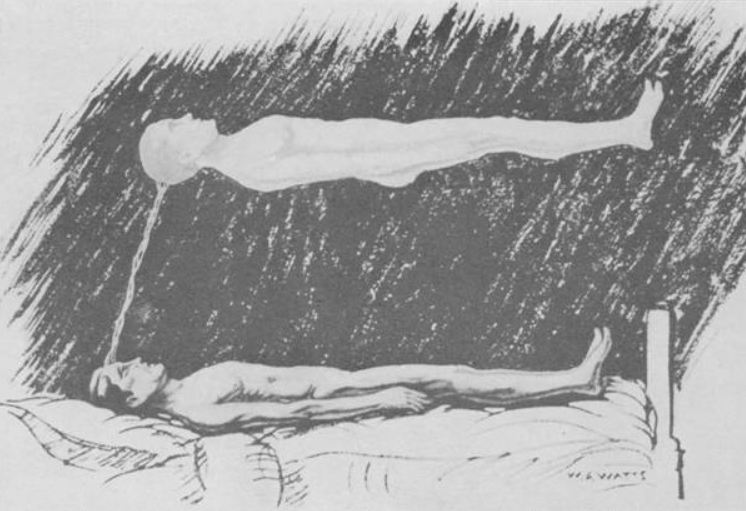 🇮🇳 India and 3 moreAstral projection
An intentional out-of-body experience where consciousness travels through the astral planeTradition · Speaking with spirits and the dead · Change and initiation Living
🇮🇳 India and 3 moreAstral projection
An intentional out-of-body experience where consciousness travels through the astral planeTradition · Speaking with spirits and the dead · Change and initiation Living
 🇮🇳 India and 1 moreMahanam Sampradayaমহানাম সম্প্রদায়
A Bengali Krishnaite monastic order focused on chanting and humanitarian serviceTradition · Speaking with spirits and the dead · Power and authority Living
🇮🇷 Iran and 1 moreBabr-e Bayanبَبْرِ بَیان
A legendary armor worn by the Iranian hero Rostam, said to be made from a dragon's skin.Figure · Protection · Power and authority Legendary
🇮🇳 India and 1 moreMahanam Sampradayaমহানাম সম্প্রদায়
A Bengali Krishnaite monastic order focused on chanting and humanitarian serviceTradition · Speaking with spirits and the dead · Power and authority Living
🇮🇷 Iran and 1 moreBabr-e Bayanبَبْرِ بَیان
A legendary armor worn by the Iranian hero Rostam, said to be made from a dragon's skin.Figure · Protection · Power and authority Legendary
 🇳🇵 Nepal and 1 moreKiratism
The indigenous animist and shamanic religion of the Kirati peoples in Nepal and IndiaTradition · Protection · Speaking with spirits and the dead Living
🇳🇵 Nepal and 1 moreKiratism
The indigenous animist and shamanic religion of the Kirati peoples in Nepal and IndiaTradition · Protection · Speaking with spirits and the dead Living
 🇮🇳 IndiaShamanism in Ayyavazhi
A divination practice within the Hindu denomination of Ayyavazhi in South India.Rite · Seeing and foretelling · Speaking with spirits and the dead Living
🇮🇳 IndiaChedipeचेदिप
A witch-vampire spirit of the Godavari region that drains men and feeds on sorrowBeing · Cursing and harm Legendary
🇮🇳 IndiaShamanism in Ayyavazhi
A divination practice within the Hindu denomination of Ayyavazhi in South India.Rite · Seeing and foretelling · Speaking with spirits and the dead Living
🇮🇳 IndiaChedipeचेदिप
A witch-vampire spirit of the Godavari region that drains men and feeds on sorrowBeing · Cursing and harm Legendary
 🇮🇸 Iceland and 3 moreDeal with the Devil
A cultural trope of trading one's soul for worldly favours in exchange for demonic aidBelief · Power and authority · Cursing and harm Historical
🇮🇳 IndiaBramrachokh
A demon in Kashmiri myth that mimics a light to lead travellers astrayBeing · Cursing and harm Legendary
🇮🇸 Iceland and 3 moreDeal with the Devil
A cultural trope of trading one's soul for worldly favours in exchange for demonic aidBelief · Power and authority · Cursing and harm Historical
🇮🇳 IndiaBramrachokh
A demon in Kashmiri myth that mimics a light to lead travellers astrayBeing · Cursing and harm Legendary
 🇮🇳 India and 1 moreAstral body
A subtle vehicle of emotion and dream said to travel beyond the physical formBelief · Speaking with spirits and the dead · Change and initiation Historical
🇮🇳 India and 1 moreAstral body
A subtle vehicle of emotion and dream said to travel beyond the physical formBelief · Speaking with spirits and the dead · Change and initiation Historical
 🇮🇳 IndiaPranaप्राण
A Sanskrit concept of vital energy found in yoga and AyurvedaBelief · Healing · Power and authority Living
🇮🇳 India and 3 moreTermaགཏེར་མ
Hidden teachings in Tibetan Buddhism and Bon, revealed by tertöns when the time is right.Text · Speaking with spirits and the dead · Change and initiation Living
🇮🇳 IndiaPranaप्राण
A Sanskrit concept of vital energy found in yoga and AyurvedaBelief · Healing · Power and authority Living
🇮🇳 India and 3 moreTermaགཏེར་མ
Hidden teachings in Tibetan Buddhism and Bon, revealed by tertöns when the time is right.Text · Speaking with spirits and the dead · Change and initiation Living
 🇮🇳 India and 5 moreSailors' superstitions
A global collection of omens, charms and taboos used by mariners to manage the risks of life at seaBelief · Protection · Luck and prosperity Living
🇮🇳 India and 5 moreSailors' superstitions
A global collection of omens, charms and taboos used by mariners to manage the risks of life at seaBelief · Protection · Luck and prosperity Living
 🇮🇳 India and 1 moreFire (classical element)
A classical substance of heat and transformation in Greek, Indian, and Western esoteric traditionsSubstance · Change and initiation · Power and authority Historical
🇮🇳 India and 1 moreManba al-Ansabمنبع الانساب
A Persian manuscript tracing Sayyid lineage and Sufi practice in early modern IndiaText · Speaking with spirits and the dead · Power and authority Historical
🇮🇳 India and 1 moreFire (classical element)
A classical substance of heat and transformation in Greek, Indian, and Western esoteric traditionsSubstance · Change and initiation · Power and authority Historical
🇮🇳 India and 1 moreManba al-Ansabمنبع الانساب
A Persian manuscript tracing Sayyid lineage and Sufi practice in early modern IndiaText · Speaking with spirits and the dead · Power and authority Historical
 🇬🇷 Greece and 2 moreClassical elements
Ancient theories that explain all matter as combinations of earth, water, fire, air, and aetherBelief · Wonder and entertainment Historical
🇮🇳 IndiaIndus worm
A giant carnivorous river creature from ancient Greek accounts of the IndusBeing · Cursing and harm Legendary
🇮🇳 India and 5 moreWerecat
A feline shapeshifter found in global folklore and occult beliefBeing · Cursing and harm · Power and authority Legendary
🇮🇳 India and 1 moreQayyumقیوم
A supreme spiritual rank in the Naqshbandi Sufi orderTradition · Power and authority Historical
🇬🇷 Greece and 2 moreClassical elements
Ancient theories that explain all matter as combinations of earth, water, fire, air, and aetherBelief · Wonder and entertainment Historical
🇮🇳 IndiaIndus worm
A giant carnivorous river creature from ancient Greek accounts of the IndusBeing · Cursing and harm Legendary
🇮🇳 India and 5 moreWerecat
A feline shapeshifter found in global folklore and occult beliefBeing · Cursing and harm · Power and authority Legendary
🇮🇳 India and 1 moreQayyumقیوم
A supreme spiritual rank in the Naqshbandi Sufi orderTradition · Power and authority Historical
 🇮🇳 IndiaChillaچله
A forty-day solitary retreat of fasting and meditation in Sufi traditionRite · Speaking with spirits and the dead · Power and authority Living
🇮🇳 IndiaChillaچله
A forty-day solitary retreat of fasting and meditation in Sufi traditionRite · Speaking with spirits and the dead · Power and authority Living
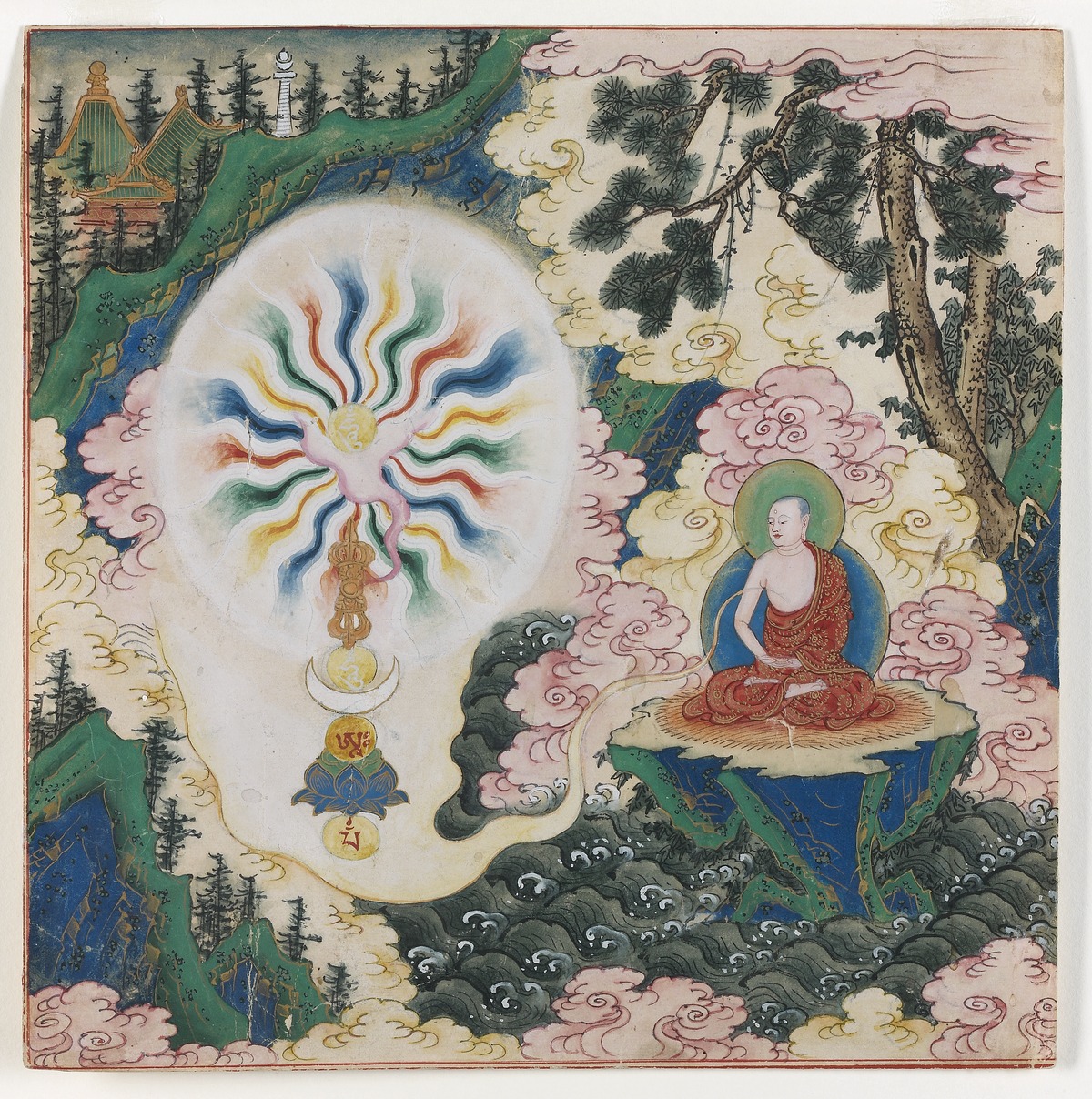 🇮🇳 India and 1 moreDeity yoga
A Vajrayana meditation on embodying a chosen Buddha figure to realize emptinessTradition · Change and initiation · Power and authority Living
🇮🇳 India and 1 moreDeity yoga
A Vajrayana meditation on embodying a chosen Buddha figure to realize emptinessTradition · Change and initiation · Power and authority Living
 🇮🇳 IndiaSuperstition in India
Common beliefs and rituals across India that influence daily life and major eventsBelief · Protection · Luck and prosperity Living
🇮🇳 IndiaEtheric body
A subtle energy layer said to sustain the physical form and connect it to higher states.Being · Power and authority Historical
🇮🇳 IndiaSuperstition in India
Common beliefs and rituals across India that influence daily life and major eventsBelief · Protection · Luck and prosperity Living
🇮🇳 IndiaEtheric body
A subtle energy layer said to sustain the physical form and connect it to higher states.Being · Power and authority Historical
 🇮🇳 IndiaDaityaदैत्याः
A race of asuras in Hindu mythology descended from Kashyapa and DitiBeing Legendary
🇮🇳 IndiaTarakeshwaraतारकेश्वर (Tārakeśvara)
A form of Shiva who guides souls to liberation through sacred mantrasFigure · Speaking with spirits and the dead · Change and initiation Living
🇮🇳 IndiaDaityaदैत्याः
A race of asuras in Hindu mythology descended from Kashyapa and DitiBeing Legendary
🇮🇳 IndiaTarakeshwaraतारकेश्वर (Tārakeśvara)
A form of Shiva who guides souls to liberation through sacred mantrasFigure · Speaking with spirits and the dead · Change and initiation Living
 🇮🇳 IndiaAbhijñāअभिज्ञा
A set of special insights and powers in Buddhist meditation.Belief · Speaking with spirits and the dead · Change and initiation Historical
🇮🇳 IndiaAbhijñāअभिज्ञा
A set of special insights and powers in Buddhist meditation.Belief · Speaking with spirits and the dead · Change and initiation Historical
Photo credits on this page
The small pictures above come from Wikimedia Commons under free licences. Some are cropped to fit.
- Keibu Keioiba: Haoreima, CC BY-SA 4.0, source
- Crocotta: Unknown author, Public domain, source
- Mahanam Sampradaya: Neehar Haldar, CC0, source
- Astral projection: Hereward Carrington, Sylvan Muldoon., Public domain, source
- Banjhakri and Banjhakrini: RajashreeTalukdar, CC BY-SA 3.0, source
- Vamachara: painting by an Indian artist. Date [between 1800 and 1899?], Public domain, source
- Vahana: Unknown Nepali, Public domain, source
- Kiratism: TheDreamSky ( talk ), CC BY 3.0, source
- Shamanism in Ayyavazhi: Vaikunda Raja, CC BY-SA 3.0, source
- Prana: Tamilmama, CC BY-SA 4.0, source
- Khunu Leima: Author: DALL-E; prompted by Haoreima, Public domain, source
- Fire (classical element): Correogsk, CC BY-SA 3.0, source
- Samaton: Isabelm-h, CC BY-SA 4.0, source
- Tarand: Anonymous Unknown author, Public domain, source
- Dawon: Unknown author, CC BY 4.0, source
- Classical elements: Unknown author, Public domain, source
- Chilla: Indischer Maler um 1630, Public domain, source
- Deity yoga: Anonymous Unknown author, CC0, source
- Astral body: Rad el Baluvar, CC BY-SA 3.0, source
- Deal with the Devil: Christoph, Public domain, source
- Epic cycles of incarnations in Moirang: Bhudro Singh (AKA. Ningthoujam Bhadra), Public domain, source
- Daitya: Unknown author, CC0, source
- Abhijñā: Gryffindor, Public domain, source
- Sailors' superstitions: Siren Painter (eponymous vase), Public domain, source
- Superstition in India: Ji-Elle, CC BY-SA 4.0, source
- Lock of hair: Unknown author, CC0, source
The weekly digest
Every Monday: seven entries you may not know, what is on the calendar this week, and one rite drawn step by step.