Konrul
In its own language: Qonrul
The name appears as Konrul or Qonrul in Azeri sources
A giant bird of Turkic myth that regenerates and aids heroes
Konrul is a long-lived mythical bird from Turkic mythology. It is often compared to the phoenix or Simurg. The creature helps heroes in stories across Central Asia and the Middle East.
- Konrul is a giant bird from Turkic myth
- It can lift an elephant on its wings
- Heroes burn its feathers to call for help
- It carries heroes between worlds
- It is linked to the Phoenix and Simurg
What it is
Konrul is a legendary bird in Turkic mythology. It lives for a long time and can be reborn. Some stories say it is like a phoenix. It is huge. It can lift an elephant. It looks like a peacock. It has a dog head. It has lion claws. Sometimes it has a human face. Its feathers are copper colored. It hates snakes. It likes water. People tell these stories in many places.
Where it comes from
The bird comes from Turkic myths. It is linked to other birds. These include the Greek Phoenix. It is also like the Persian Simurg. In Turkic languages, this bird is called Semrük. It shares traits with the Indian Garuda. These similarities show how myths travel between cultures. The story connects different regions together.
How it is done
Stories describe how the bird acts. A hero might save its babies from a snake. The bird then gives three feathers. The hero burns them to call for help. The bird carries the hero away. It might take him to a far land. It can also carry him out of the netherworld. This shows the bird as a helper.
Tools and materials
The bird uses its feathers as tools. Three feathers are enough to summon it. Burning them calls the bird down. The bird itself is a tool for travel. It moves heroes through dangerous places. It crosses from dark worlds to light worlds. It carries heavy loads easily.
Konrul, drawn and placed
- Living
- Revived
- Fading
- Historical
- Legendary
- Performed
- Lineage
- Turkic mythology
What it is for
The bird helps people in danger. Heroes ask for its aid after doing good deeds. Saving its young earns its favor. The bird provides escape routes. It takes people to safety. It moves them between worlds. It serves those who show courage. It rewards kindness to nature.
Who does it
Scholars study these myths today. They look at old texts and art. The stories come from oral traditions. Many cultures share similar birds. Researchers compare Konrul to other birds. They track how the tales changed. They note where the stories appear.
Peoples and places
The bird is known in Turkic lands. It appears in Azerbaijani folklore. It is found in Iranian stories. Armenian art shows similar birds. Indian myths have close matches. The tale travels across borders. Different groups add their own details. The core idea stays the same.
At a glance: who, where and when
What people believe
People believe the bird is real in myth. It represents life and death cycles. It shows power over nature. It bridges the physical and spiritual. It protects against evil spirits. Snakes represent danger to it. Water is its safe home. Copper feathers show its value.
When it is done
No specific dates link to this bird. It appears in general stories. It is part of daily legend. No festivals celebrate it directly. It is a character in tales. These tales are told anytime. The bird exists outside time.
How scholars and sceptics see it
Experts see links to other myths. They note the phoenix connection. They point to the Simurg similarity. They compare it to Garuda. These links show cultural exchange. Scholars map the spread of ideas. They study the art that shows it. They analyze the text versions.
Cautions and what is closed
The bird faces enemies. Snakes hate it. Giants try to steal its gifts. Demons want its treasures. Heroes must fight these foes. The path is not easy. Danger exists in the stories. The bird helps overcome them.
Compare and confuse
It is like the Phoenix. It is like the Simurg. It is like the Turul. These birds share traits. They all help heroes. They all live long lives. They are all magical. The names differ but the role is similar.
Law and persecution
No laws mention this bird. It is a myth. It has no legal status. It is not a protected species. It is a story figure. No courts judge it. It exists only in tales.
Today
The bird lives in books. It appears in modern art. People read the old stories. Scholars write about it. It inspires new creations. The myth remains popular. It connects past and present.
Questions people ask about Konrul
What does Konrul look like?
It is a giant bird with copper feathers. It has a dog head and lion claws. Sometimes it has a human face. It looks like a peacock. It is large enough to carry an elephant.
Where does Konrul come from?
It comes from Turkic mythology. It is found in stories from Azerbaijan and Iran. It is also in Armenian and Indian tales. The name means something like emerald.
How do you summon Konrul?
You need three of its feathers. A hero must earn them first. Burning the feathers calls the bird. It then arrives to help the caller. It carries them to safety.
Good reading and sources
The facts on this page come from the Wikipedia article "Konrul", written by its contributors and used under the CC BY-SA 4.0 licence, and from its Wikidata record (CC0). EveryJaadu rewrote the text in its own words, with AI assistance, and compares every page with the article to make sure no passage is copied. It may be reused under the same CC BY-SA 4.0 licence with a link back.
It may contain mistakes. Names and customs differ from one community to the next, and some knowledge is closed to outsiders and left out here. This page describes belief and practice. It does not say that any of it works, it is not a how-to, and it is not medical advice. If something is wrong, tell us. Last refreshed 2026-10-06.
More from Mali
All the entries from Mali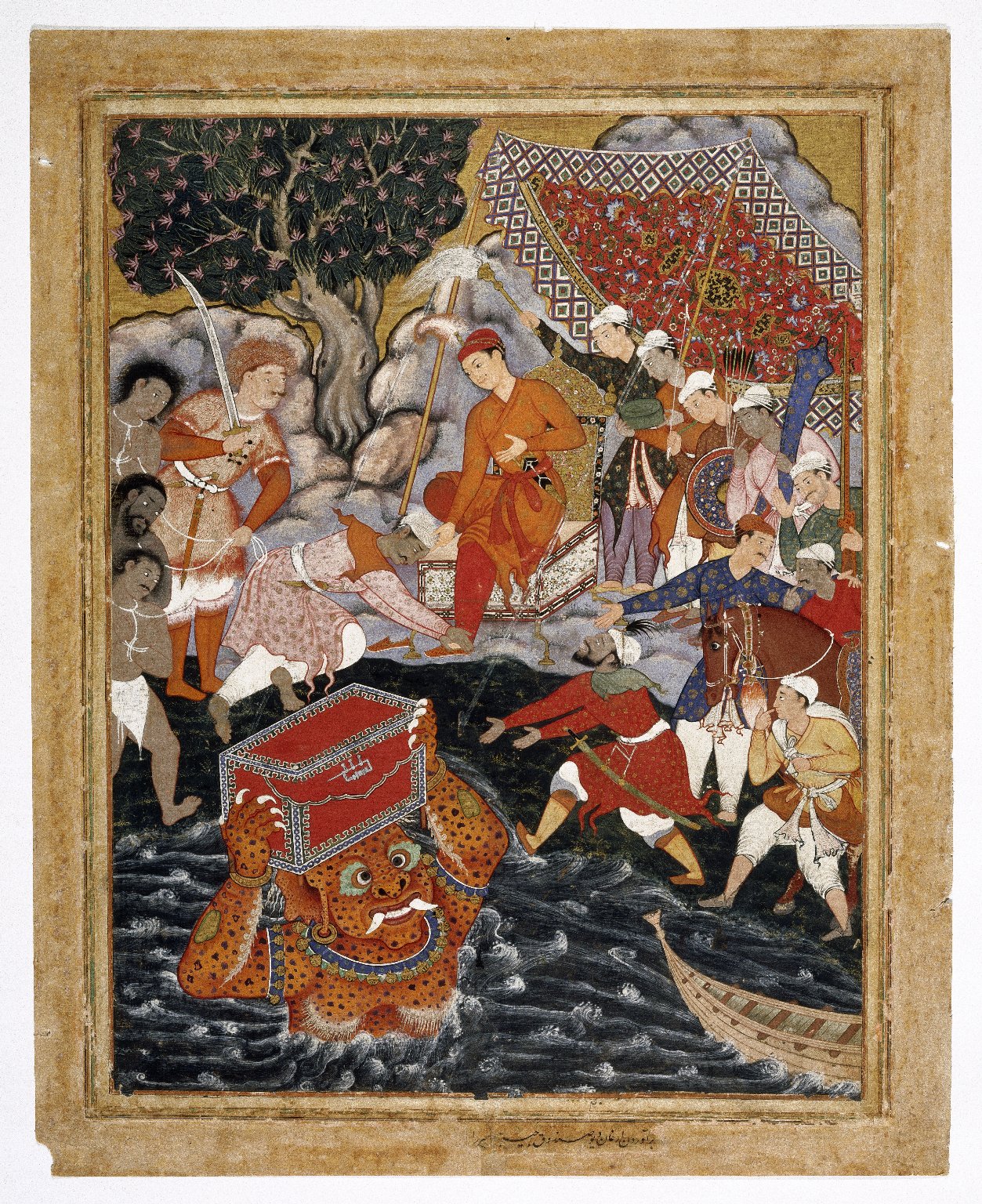 🇪🇬 Egypt and 3 moreIfritعفريت
A class of powerful chthonic spirits in Islamic tradition and folkloreBeing · Cursing and harm · Power and authority Historical
🇪🇬 Egypt and 3 moreIfritعفريت
A class of powerful chthonic spirits in Islamic tradition and folkloreBeing · Cursing and harm · Power and authority Historical
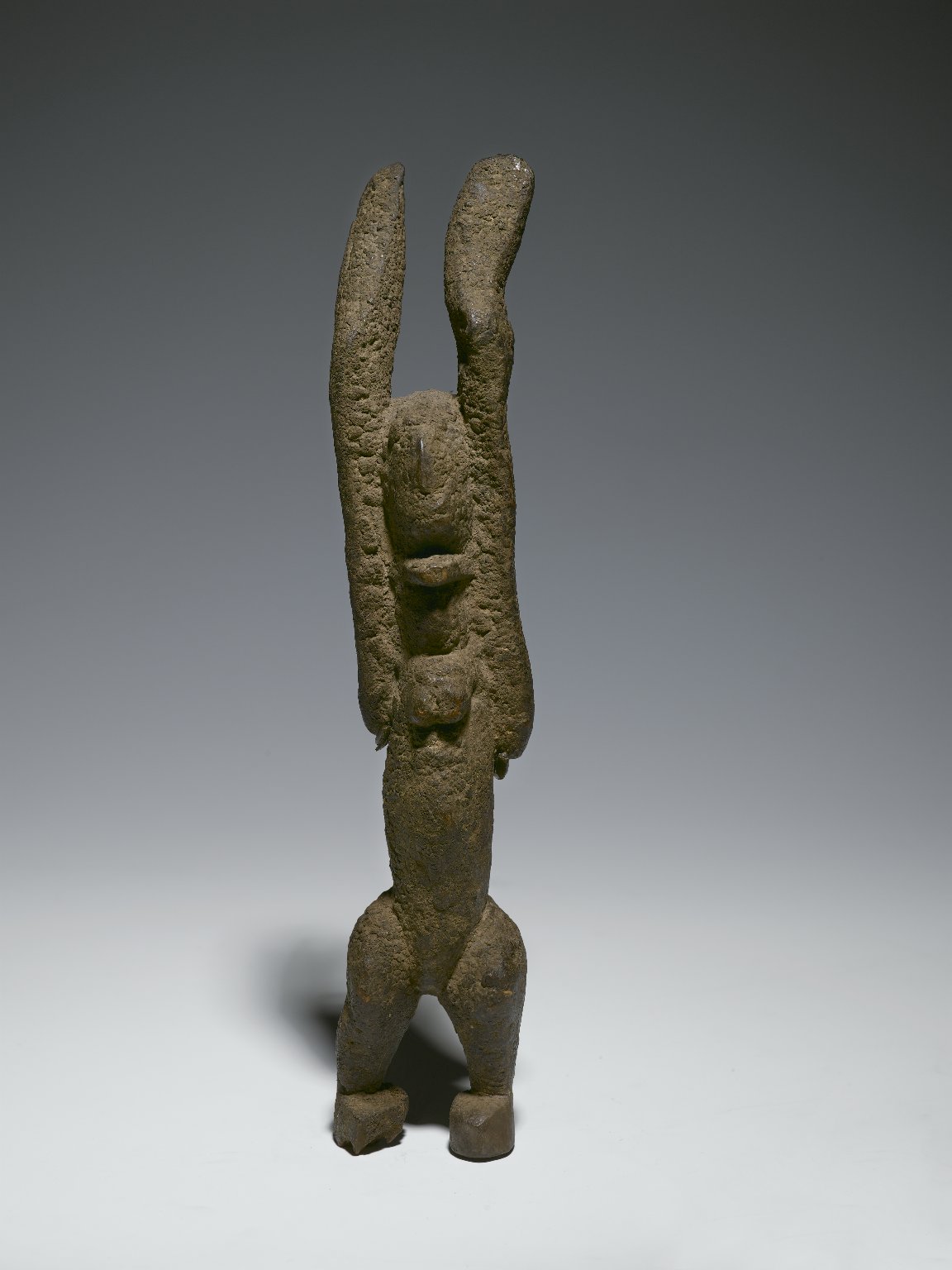 🇲🇱 MaliNommo
Primordial water spirits in Dogon cosmology from MaliBeing · Speaking with spirits and the dead Legendary
🇭🇹 Haiti and 3 moreNago lwa
A Haitian Vodou nation of masculine spirits rooted in Yoruba traditionsBeing · Power and authority · Speaking with spirits and the dead Living
🇲🇱 MaliDogon religion
The traditional spiritual beliefs of the Dogon people of MaliTradition · Protection · Speaking with spirits and the dead Living
🇲🇱 MaliNommo
Primordial water spirits in Dogon cosmology from MaliBeing · Speaking with spirits and the dead Legendary
🇭🇹 Haiti and 3 moreNago lwa
A Haitian Vodou nation of masculine spirits rooted in Yoruba traditionsBeing · Power and authority · Speaking with spirits and the dead Living
🇲🇱 MaliDogon religion
The traditional spiritual beliefs of the Dogon people of MaliTradition · Protection · Speaking with spirits and the dead Living
Related elsewhere
All being 🇮🇳 India and 5 moreAstrology
A divinatory practice that reads human fate through the positions of celestial bodies.Belief · Seeing and foretelling · Luck and prosperity Living
🇮🇳 India and 5 moreAstrology
A divinatory practice that reads human fate through the positions of celestial bodies.Belief · Seeing and foretelling · Luck and prosperity Living
 🇬🇧 United Kingdom and 2 moreKing ArthurBrenin Arthur
A legendary British king and folk hero of medieval literature and Welsh mythologyFigure · Power and authority · Wonder and entertainment Legendary
🇬🇧 United Kingdom and 2 moreKing ArthurBrenin Arthur
A legendary British king and folk hero of medieval literature and Welsh mythologyFigure · Power and authority · Wonder and entertainment Legendary
 🇫🇷 FranceHoly GrailSaint Graal
A cup or stone from Arthurian tales that grants healing and eternal lifeFigure · Healing · Luck and prosperity Legendary
🇫🇷 FranceHoly GrailSaint Graal
A cup or stone from Arthurian tales that grants healing and eternal lifeFigure · Healing · Luck and prosperity Legendary
 🇮🇳 India and 2 morePalmistry
A divination method that interprets the lines and shapes of the hand to predict fate or reveal character.Oracle · Seeing and foretelling · Power and authority Living
🇮🇳 India and 2 morePalmistry
A divination method that interprets the lines and shapes of the hand to predict fate or reveal character.Oracle · Seeing and foretelling · Power and authority Living