
Hingchabi
In its own language: ꯍꯤꯡꯆꯥꯕꯤ
from Meitei words for 'raw' and 'to eat'
A giantess figure from Meitei folklore who feeds on raw flesh
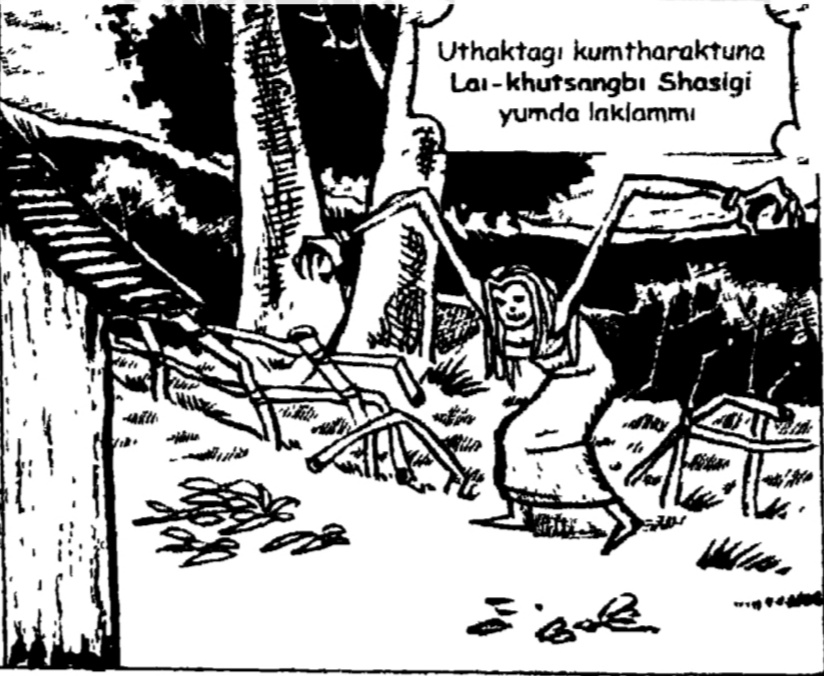
The Hingchabi is a mythical creature in the folklore and religion of the Meitei people of Manipur, India. She is described as a giantess who shares traits with vampires and witches. The name translates to 'giantess' or 'one who eats raw food'.
- Name means 'giantess' in Meitei language
- Feeds on raw food according to etymology
- Part of Sanamahism religious tradition
- Shares traits with vampires and witches
- Originates from Ancient Kangleipak
What it is
The Hingchabi is a legendary being found in the mythology and folklore of the Meitei people. This culture resides in the region of Ancient Kangleipak, known today as Manipur in India. The figure is classified as a giantess. She possesses characteristics that overlap with those of vampires and witches in other traditions. She is part of the broader Sanamahism religious framework. Stories about her appear in local oral histories and texts.
Where it comes from
The concept originates from the folklore of Antique Kangleipak. It is rooted in the cultural beliefs of the Meitei ethnic group. The term itself provides clues to its nature. In the Meitei language, the word 'hing' means raw. The word 'chaa' means to eat. Together they form a description of her dietary habits. Scholars note similarities to other predatory female figures in global myth.
Hingchabi, drawn and placed
- Living
- Revived
- Fading
- Historical
- Legendary
- Performed
- Lineage
- Meitei mythology
What it is for
She is not an object of worship but a subject of caution. The stories serve to explain dangers associated with wild places or unknown entities. She represents a threat to humans through predation. Her actions are driven by hunger for raw flesh. Communities use these tales to define boundaries between safe human spaces and dangerous supernatural ones.
Peoples and places
The Hingchabi belongs specifically to the Meitei people. They inhabit the state of Manipur in northeastern India. The belief is tied to their native language and ancient history. Other similar entities exist in this tradition, such as Helloi and Lam Lai. These figures share the classification of Lai spirits. The Hingchabi remains distinct due to her specific association with raw consumption.
At a glance: who, where and when
Peoples
Belief worlds
What people believe
Sanamahism views the world as inhabited by various spirits. The Hingchabi is one of these beings. She is not a god but a powerful entity. Her existence is accepted within the mythological framework. She operates outside normal human social rules. Her nature is predatory and solitary. She does not interact with the divine in a ritual sense.
How scholars and sceptics see it
Anthropologists study the Hingchabi as part of Meitei cultural identity. Researchers examine how these myths reflect historical ecological concerns. The focus on raw food may relate to ancient hunting practices. Comparisons are drawn with vampire lore worldwide. Scholars analyze the linguistic roots to understand the creature's role. The figure helps preserve traditional narratives against modernization.
Compare and confuse
She is often compared to the European vampire. Both feed on blood or flesh and threaten communities. She also resembles the witch archetype. However, she is distinct from benevolent Lai spirits. The term giantess sets her apart from smaller household spirits. Similar entities include Umang Lai and Keibu Keioiba.
Questions people ask about Hingchabi
What is a Hingchabi?
A Hingchabi is a mythical giantess from Meitei folklore in Manipur, India. She is a predatory spirit who shares characteristics with vampires and witches. The figure appears in ancient stories and religious texts.
Where does the name come from?
The name comes from the Meitei language. 'Hing' means raw and 'chaa' means to eat. The full term translates to 'giantess' or 'one who eats raw food'. It describes her primary nature.
Is she a god?
No, she is not a deity. She is a mythical creature or spirit within Sanamahism. She is feared rather than worshipped. She exists as a dangerous entity in the spiritual landscape.
Who believes in her?
The Meitei people of Manipur, India, hold these beliefs. The stories are part of their indigenous heritage. They are preserved in local folklore and academic studies of the culture.
Good reading and sources
- Hingchabi on WikipediaEncyclopedia
- More photos on Wikimedia CommonsPhotos and video
- Wikidata recordOpen data
The facts on this page come from the Wikipedia article "Hingchabi", written by its contributors and used under the CC BY-SA 4.0 licence, and from its Wikidata record (CC0). EveryJaadu rewrote the text in its own words, with AI assistance, and compares every page with the article to make sure no passage is copied. It may be reused under the same CC BY-SA 4.0 licence with a link back.
It may contain mistakes. Names and customs differ from one community to the next, and some knowledge is closed to outsiders and left out here. This page describes belief and practice. It does not say that any of it works, it is not a how-to, and it is not medical advice. If something is wrong, tell us. Last refreshed 2026-10-08.
More from India
All the entries from India 🇮🇳 India and 5 morePretaप्रेत
A suffering spirit of insatiable hunger found in Asian religious traditionsBeing · Speaking with spirits and the dead Living
🇮🇳 India and 5 morePretaप्रेत
A suffering spirit of insatiable hunger found in Asian religious traditionsBeing · Speaking with spirits and the dead Living
 🇮🇳 India and 1 moreYoginiयोगिनी
A female master of yoga and tantra, or a fierce goddess aspect in Indian temples.Tradition · Power and authority · Protection Historical
🇮🇳 India and 1 moreYoginiयोगिनी
A female master of yoga and tantra, or a fierce goddess aspect in Indian temples.Tradition · Power and authority · Protection Historical
 🇮🇳 IndiaTaraतारा (Sanskrit), তারা (Bengali)
A fierce Hindu goddess of protection and wisdom, central to the Mahavidya tradition.Being · Protection · Power and authority Living
🇮🇳 India and 1 moreDaayanदायन
A vengeful female spirit from Indian folklore, often blamed for misfortune and witchcraft accusations.Being · Cursing and harm · Luck and prosperity Living
🇮🇳 IndiaTaraतारा (Sanskrit), তারা (Bengali)
A fierce Hindu goddess of protection and wisdom, central to the Mahavidya tradition.Being · Protection · Power and authority Living
🇮🇳 India and 1 moreDaayanदायन
A vengeful female spirit from Indian folklore, often blamed for misfortune and witchcraft accusations.Being · Cursing and harm · Luck and prosperity Living
Related elsewhere
All being 🇷🇸 Serbia and 5 moreVampire
An undead creature from folklore that feeds on the blood or life force of the livingBeing · Cursing and harm · Luck and prosperity Legendary
🇷🇸 Serbia and 5 moreVampire
An undead creature from folklore that feeds on the blood or life force of the livingBeing · Cursing and harm · Luck and prosperity Legendary
 🇫🇷 France and 5 moreWerewolf
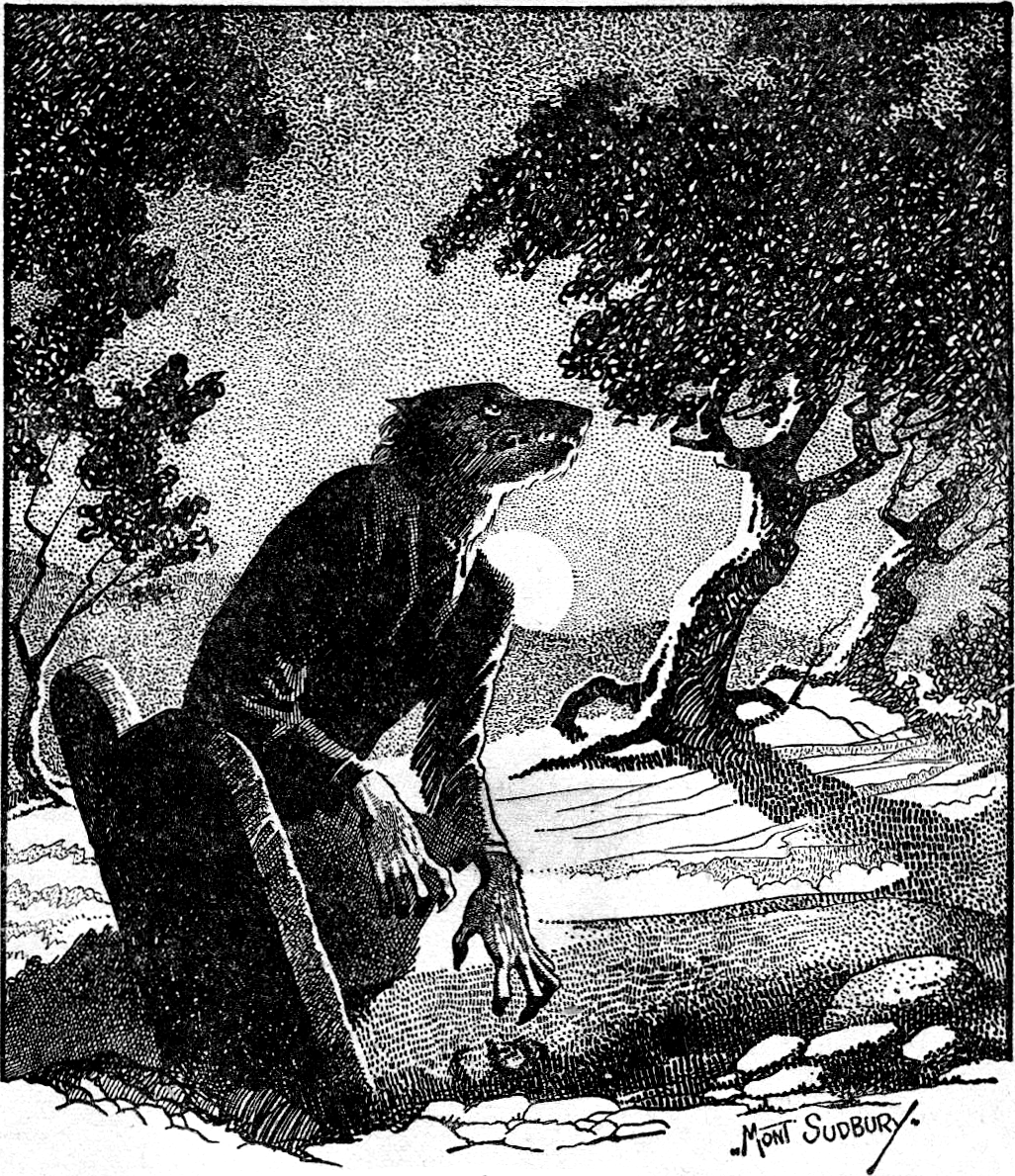
A mythical shapeshifter that turns into a wolf, central to European witch-hunts and Gothic horror.Being · Cursing and harm · Wonder and entertainment Legendary
🇫🇷 France and 5 moreWerewolf
A mythical shapeshifter that turns into a wolf, central to European witch-hunts and Gothic horror.Being · Cursing and harm · Wonder and entertainment Legendary
 🇪🇬 Egypt and 1 moreLilithלִילִית
A feminine figure from Mesopotamian and Jewish mythology, often depicted as a night demon or spirit.Being · Cursing and harm Legendary
🇪🇬 Egypt and 1 moreLilithלִילִית
A feminine figure from Mesopotamian and Jewish mythology, often depicted as a night demon or spirit.Being · Cursing and harm Legendary
 🇪🇬 EgyptCurse
A spoken wish for misfortune to befall a person or placeBelief · Cursing and harm · Luck and prosperity Historical
🇪🇬 EgyptCurse
A spoken wish for misfortune to befall a person or placeBelief · Cursing and harm · Luck and prosperity Historical